Commercial Electrical Panel Safety Upgrades Guide
Commercial Electrical Panel Safety Upgrades That Buy You Real Time
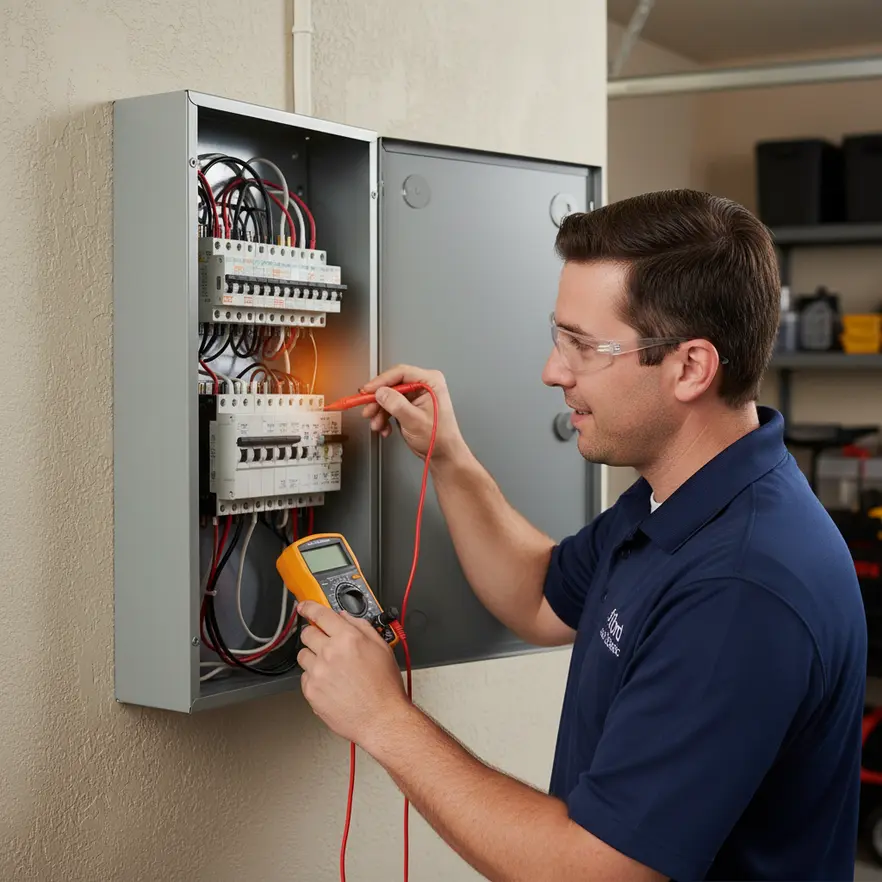
When Kord Electric steps into a commercial building, we do not just look for problems. We look for time. In the first minutes, our technicians explain how commercial electrical panel safety upgrades can reduce risk while you plan the next steps. That might mean tightening connections, improving grounding and bonding, adding protective devices, or upgrading components that have aged out of their usefulness. And yes, we have seen panels that look like they survived a small weather event even when the sky was perfectly calm. Still, the goal stays the same: keep people working, equipment running, and compliance on track.
To make smart decisions later, we first help teams spot the signs of aging infrastructure now. Then we connect those signs to a clear plan, because guessing is for sports, not electrical panels.
How Aging Shows Up Before the Lights Go Out
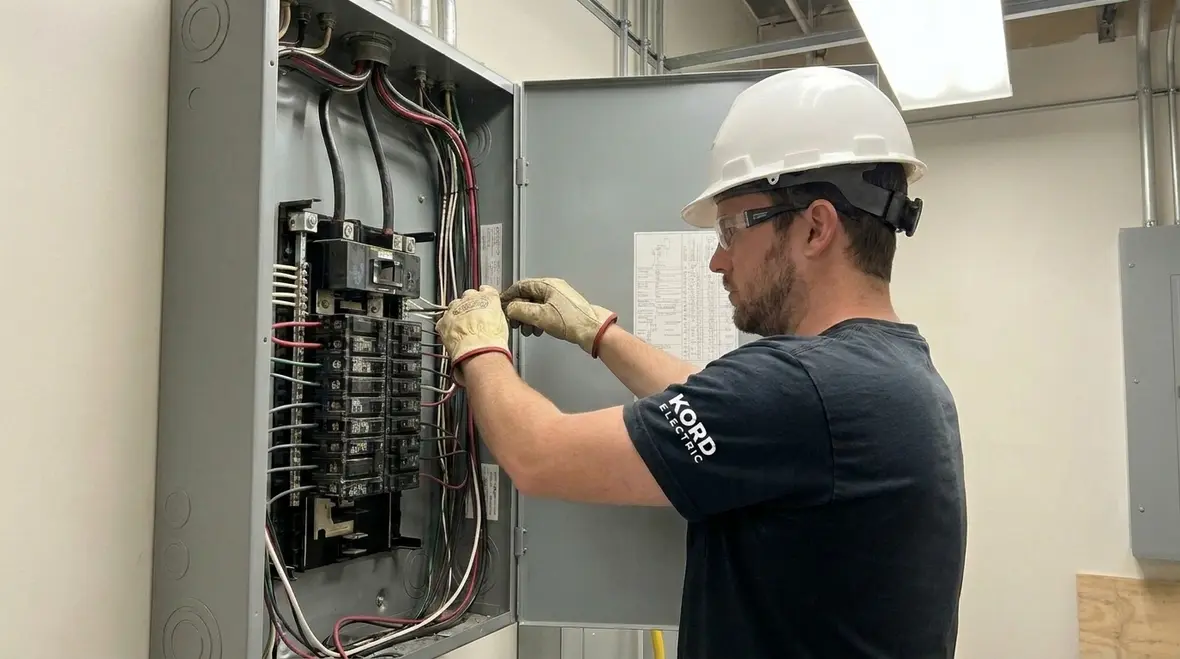
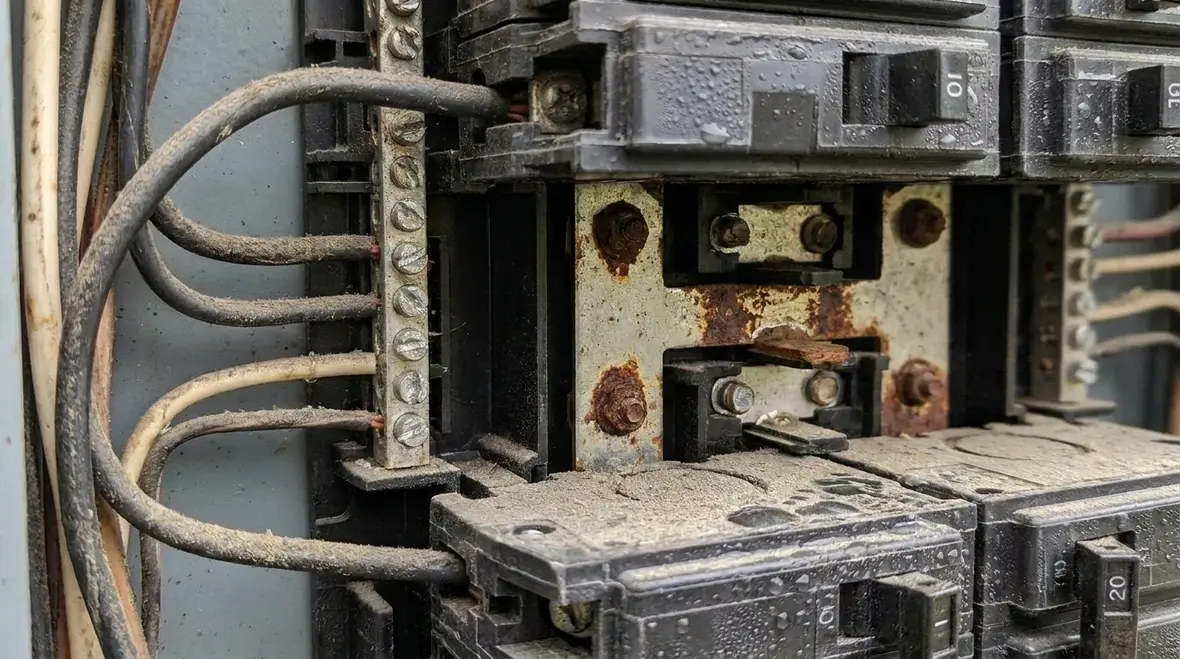
Most failures do not arrive with fireworks. Instead, the early signs creep in, and facility managers notice them only after the pattern repeats. Over time, heat and vibration wear down terminations and bus bars. Moisture and dust build up inside the enclosure. Also, older designs may lack newer protection methods, meaning they do not respond as cleanly during faults.
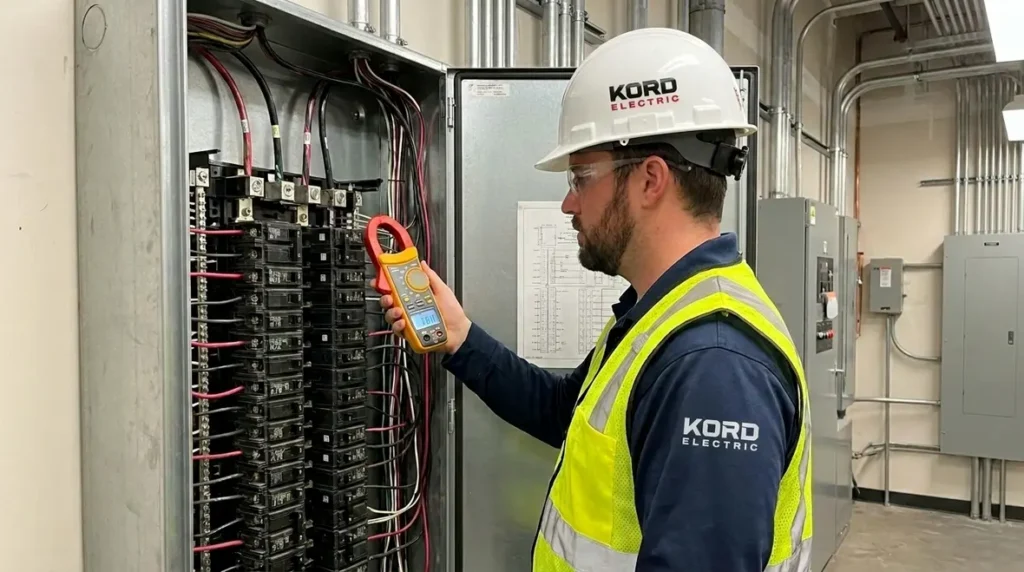
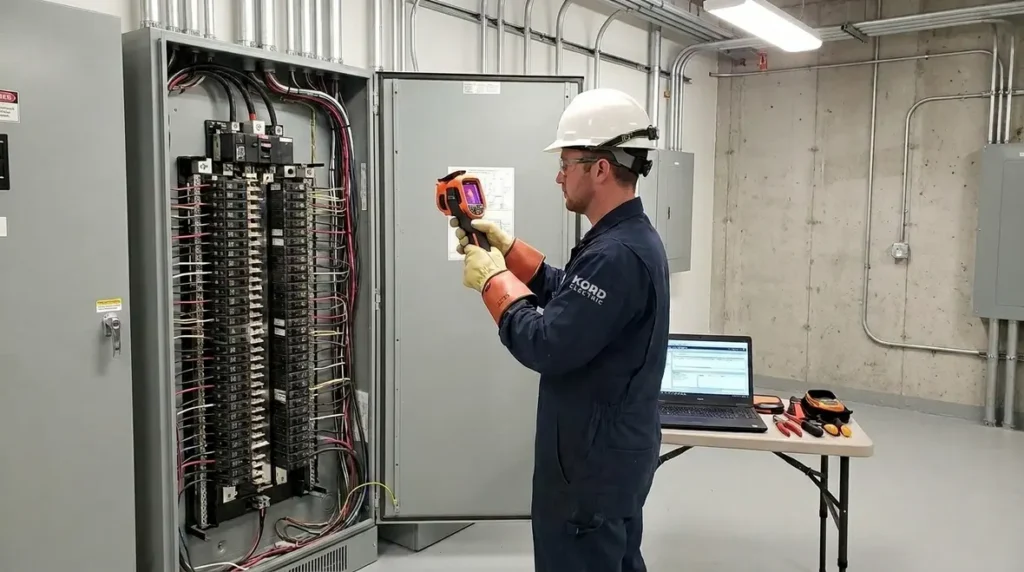
When Kord Electric performs an inspection, our expert service staff explains what they see in plain language. Then they point to the “why,” so building owners understand the real risk. For example, a panel can still power lights and outlets, yet still show overheating at a few spots. That is one of the most common traps: everything seems fine until one day it is not.
Common Signs That a Replacement Is Coming Due
Aging panels often show multiple warning signs at once. Consequently, a single symptom rarely tells the whole story. Instead, these are the most frequent signals we document in commercial and industrial facilities.
- Repeated tripping of breakers or nuisance shutdowns that happen more often during peak loads
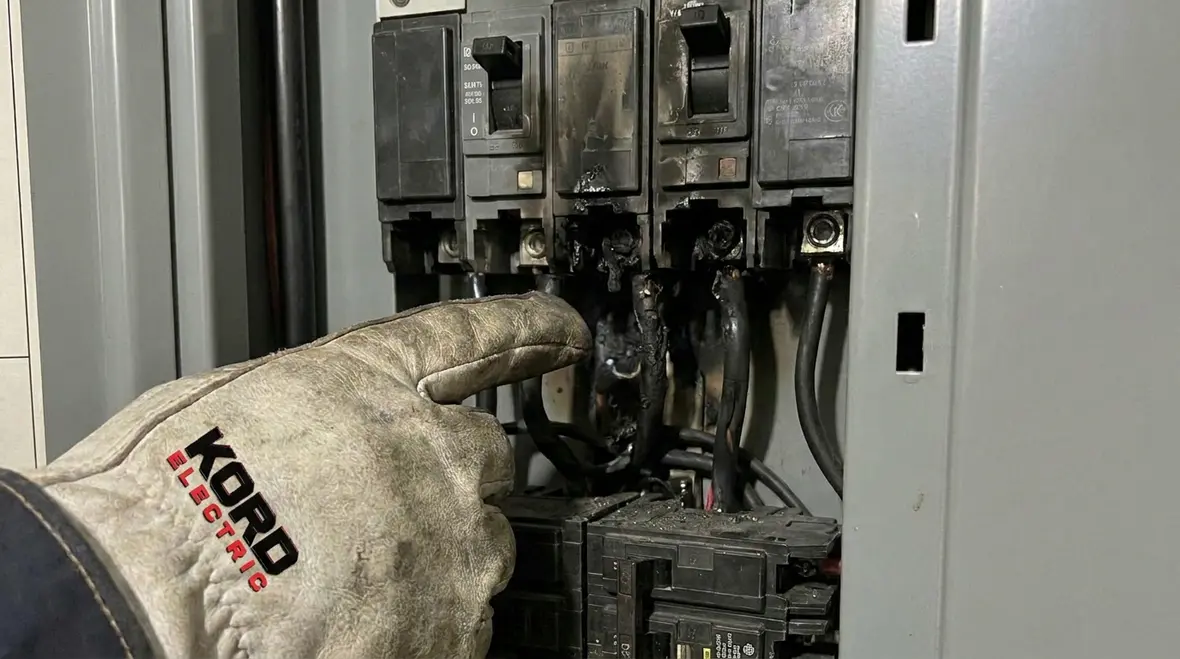
- Burn marks, discoloration, or a panel that smells like “warm plastic” after normal operation
- Loose or corroded connections near breakers, feeders, or neutral bars
- Flickering lights or unstable power quality that follows changes in temperature or demand
- Frequent maintenance that keeps restoring operation but never truly fixes the root cause
- Inadequate capacity for today’s equipment, like server racks, HVAC upgrades, welding lines, or EV charging stations
Furthermore, panels designed decades ago may struggle with modern loads, especially when a facility adds refrigeration, compressors, production machines, or high draw equipment. Others install new devices but keep old distribution gear, and the system then pays for that decision in heat and stress.
What Inspection Findings Usually Mean for Safety and Compliance
Once Kord Electric opens a commercial electrical panel, we look for issues that affect people first, then equipment. Safety matters most, and compliance follows. Therefore, our technicians explain the findings as they go, so stakeholders can act quickly.
Typically, the inspection results fall into a few buckets.
- Overheating at terminations often shows insulation breakdown, poor torque, or oxidation
- Grounding and bonding gaps can increase shock risk and reduce fault clearing reliability
- Deteriorated bus bar condition raises the chance of arcing under load
- Older breaker types may not match current protection requirements for select loads and fault levels
- Improper labeling or undocumented changes complicates emergency response and maintenance
In practice, these issues connect to commercial electrical panel safety upgrades and more. Upgrades can sometimes extend the life of a panel when the foundation stays solid. Yet when the enclosure, bus, or protective system has aged beyond safe operation, replacement becomes the more responsible path.

When Upgrades Stop Helping and Replacement Becomes the Better Move
People often ask whether a panel can be “fixed” again and again. In many cases, we can improve safety. Still, there is a point where repeated patchwork turns into risk you can no longer justify. Kord Electric helps our clients reach that decision with clear indicators.
Replacement typically makes the most sense when:
- The panel shows active signs of overheating or damage that cannot be corrected through routine tightening or component swaps
- The panel lacks modern protective features needed for the building’s current loads and fault clearing goals
- Multiple components fail in a short time, pointing to systemic aging rather than one isolated issue
- The enclosure or interiors show corrosion that keeps returning after cleaning
- Facilities expand and the distribution design no longer supports the load without unsafe stress
And here is the part nobody wants to hear, but our team says it anyway: if the panel is the weak link, the rest of the electrical system suffers too. Motors, drives, controls, and sensitive electronics all experience the cost of instability. So while short term work can look convenient, a strategic replacement plan often saves money and stress over time.
Planning the Work: Shutdowns, Load Transfers, and Project Timing
Replacing a commercial electrical panel does not have to wreck a week. However, it does require planning, because the building depends on stable power. Our technicians map the work around operations, and they explain options clearly so others can make confident decisions.
First, Kord Electric checks load profiles and critical circuits. Then we coordinate the timing of shutdowns, breaker isolations, and any temporary load transfers that protect processes. After that, we review upstream and downstream distribution so replacement does not create new gaps in protection or wiring integrity.
In many commercial and industrial facilities, a well planned upgrade or replacement can reduce downtime risk. Meanwhile, we ensure labeling and documentation get updated, so future service calls do not feel like an escape room. Also, good planning makes it easier for maintenance teams to manage emergency events, which matters when the next storm arrives or equipment gets stressed during seasonal peaks.
Budget Reality: How Rewiring and Replacement Costs Typically Break Down
Cost depends on what the facility needs, and we never treat it like a guessing game. Kord Electric often references the same cost drivers described in our Rewiring Cost Guide for Commercial Electrical Systems. That guide explains how scope and complexity shape the number, and we apply that thinking during panel planning.
In general, the total project cost may include:
- Panel and protective device costs, which reflect the needed capacity and modern protection approach
- Electrical labor, including testing, terminations, labeling, and verification
- Rewiring needs when existing feeders or conductors cannot reliably connect to the new setup
- Permitting and inspections, which vary by region and building type
- Downtime planning and temporary measures if certain loads require protection during the swap
Additionally, hidden factors can change the budget. For instance, corrosion inside an enclosure can mean more replacement work than expected. Likewise, older wiring routes may require updates to support safer connections and better separation of systems. However, our expert service staff communicates these items early, so others can decide with information, not surprise invoices.
As a result, most clients who plan ahead spend less in the long run. They avoid emergency repairs, keep production stable, and reduce the chance of damage to other equipment that happens when power quality declines.
FAQ About Replacing Commercial Electrical Panels
What Kord Electric Recommends Next
If your building shows signs of aging electrical infrastructure, do not wait for the dramatic moment when everything fails at once. Kord Electric works with commercial and industrial facilities to inspect panels, explain findings in plain terms, and recommend the right path, whether that means targeted commercial electrical panel safety upgrades or a full replacement plan. Contact us for a professional evaluation and a clear schedule that respects your operations. We will help you act early, stay compliant, and keep power steady. In this business, calm planning beats emergency scrambling every time.
If you are planning broader improvements across your facility, panel upgrades pair well with services like commercial and industrial lighting installation and structured electrical preventive maintenance. Coordinating these projects can reduce downtime, align compliance efforts, and give your upgraded panels a stronger, more stable system to support.
For facilities that have already experienced unstable power, addressing panel condition is also a natural next step after resolving issues like voltage fluctuations in commercial and industrial buildings. Together, these targeted improvements create a safer, more predictable electrical backbone for every department that depends on reliable power.