Commercial Electrical Service Upgrades: Capacity, Costs & Requirements
At Kord Electric, we handle Commercial Electrical Service Upgrades: Capacity, Costs & Requirements for commercial and industrial facilities, as well as major property buildings. In the first place, we make sure your electrical system can handle real-world demand now, and also the growth you did not plan for but will likely need. Then, we explain the capacity upgrade steps, typical cost drivers, and the exact requirements that keep your project compliant. Finally, we guide you through a clear path that reduces downtime and prevents the kind of “it worked until it didn’t” surprises that business owners remember for all the wrong reasons. And yes, we use plain language, because electrical work should never feel like a mystery novel.
What a commercial panel and service capacity really need
Why commercial electrical capacity is more than “just more power”
When a property manager or facilities team asks for a commercial electrical service upgrade, they usually mean one thing: the building can’t deliver enough power safely. However, the real story often starts earlier. Loads creep up over time, and the system does not always keep pace. New equipment arrives. Tenants add refrigeration, HVAC controls, EV chargers, or higher output lighting. After that, the existing service can overheat, voltage can sag, and circuit protection can trip more often. Eventually, it can lead to nuisance outages, damaged motors, and higher operating costs.
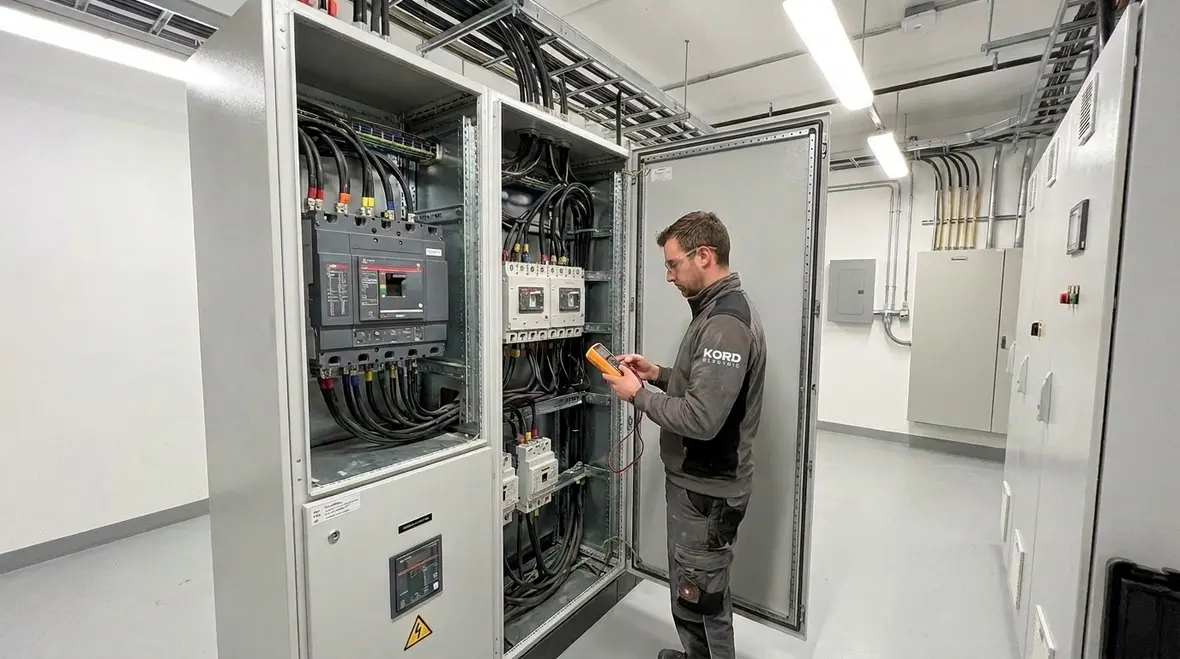
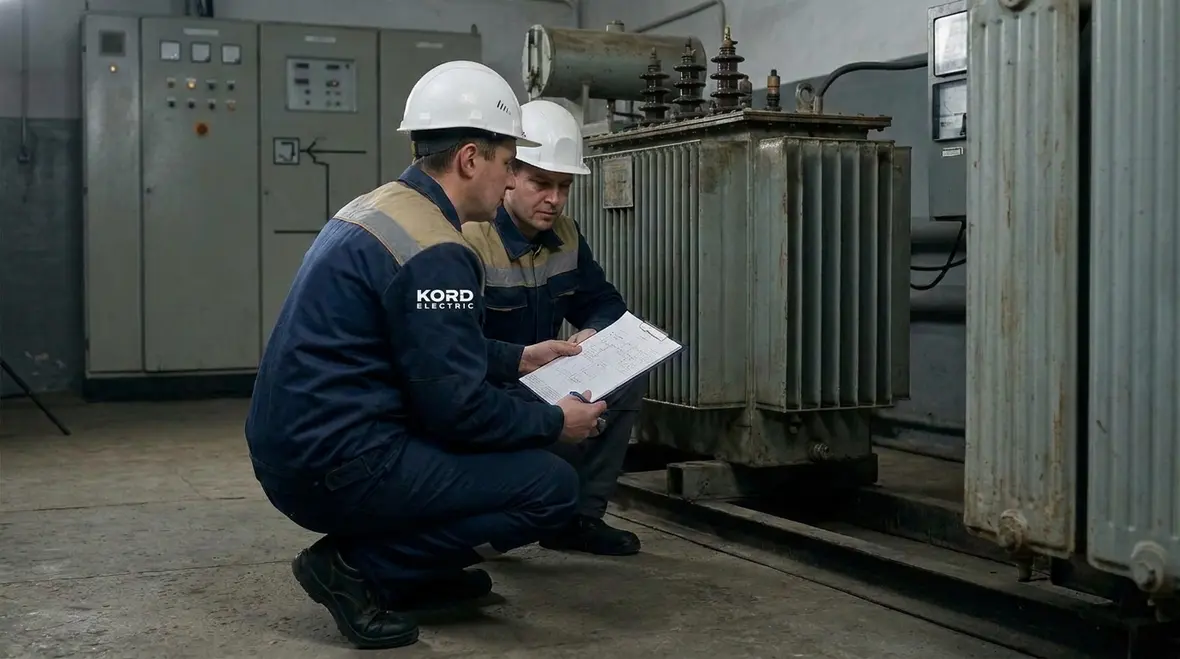
In other words, you do not simply “add more power.” You evaluate how the building currently uses electricity, how it will use power during peak conditions, and whether the service entrance, main switchgear, transformers, and feeders can support it. At Kord Electric, our technicians and expert service staff review the electrical one line, check historical load patterns when available, and verify the physical condition of components. Then, we walk you through what we find in straightforward terms, so your team knows what changes and why.
And if you think the power company will just “turn it up,” we politely remind you that electricity does not run on hope. It runs on engineering.
When capacity upgrades become necessary
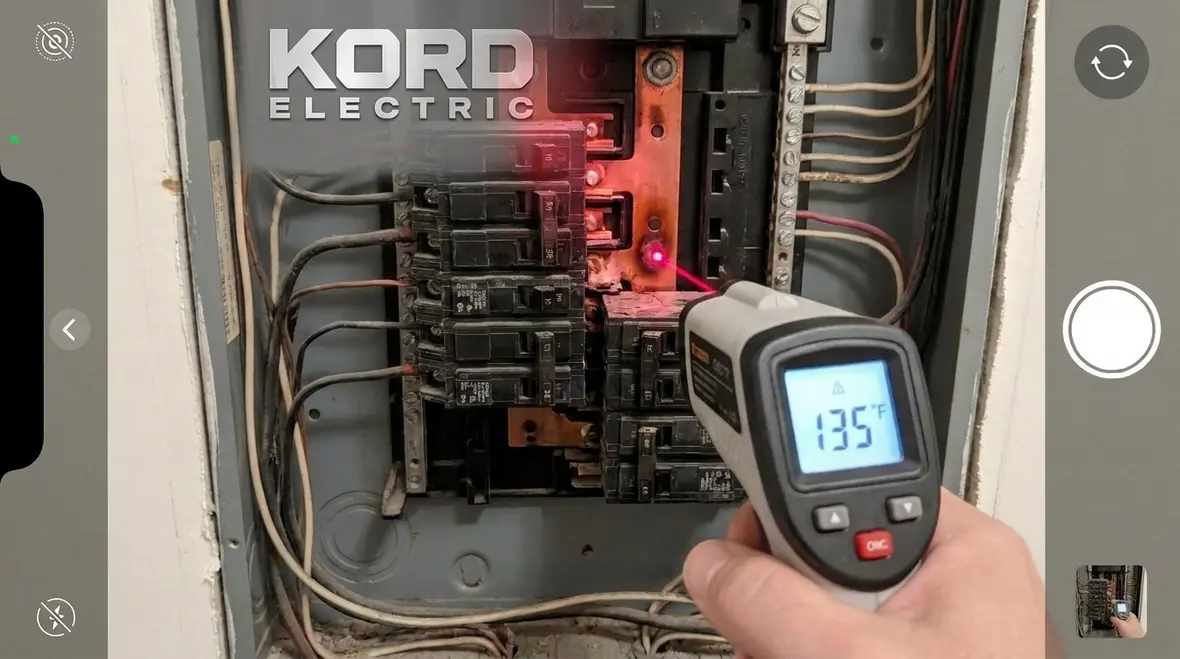
You will often see early signs before the problem becomes obvious. For example, lights may dim when large equipment starts. Motor-driven equipment may run slower than usual or fail prematurely. Breakers can trip under normal operations, not only during extreme events. Also, electrical rooms may show signs of heat stress, like discoloration or hot spots on bus bars.
On top of those indicators, upgrades often become necessary after business changes. A warehouse adds an additional racking system that uses motors. A manufacturing facility expands a production line. An office building converts floor space and installs new kitchen loads, IT equipment, and upgraded HVAC controls. Additionally, major property buildings may undergo tenant churn that introduces different load profiles. Even without dramatic expansion, these shifts can push the service past its safe operating range.
In most cases, our expert service staff helps clients understand the timeline. We explain how waiting typically increases risk and cost, because older components do not age gracefully under increased load. That is why we approach the project like a plan, not a panic.
How we evaluate Commercial Electrical Service Upgrades: Capacity, Costs & Requirements
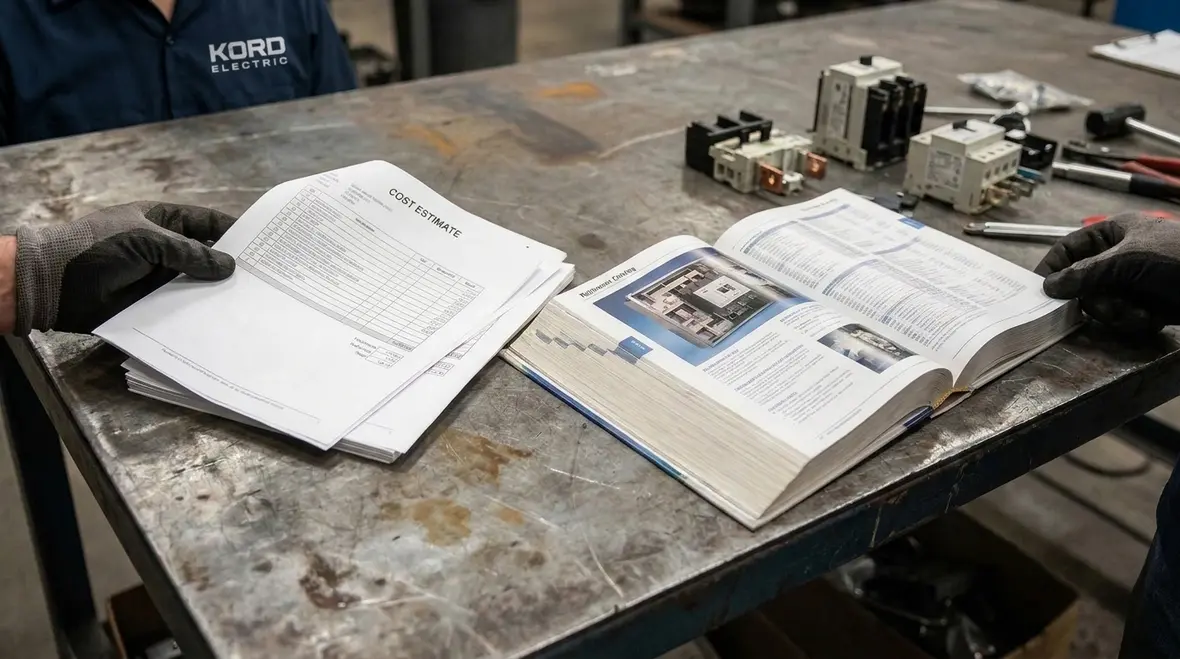
First, we gather facts. Our team reviews available electrical documentation, then performs on site measurements and condition checks. We verify conductor sizing, breaker ratings, transformer capacity, grounding and bonding, and the condition of service entrance equipment. After that, we estimate present and future load demand based on your actual building use and your planned improvements.
Next, we match the load needs to the equipment capabilities. That means selecting appropriate service ratings, verifying that switchgear and distribution panels can handle the load, and ensuring that feeders route power safely throughout the building. If you plan to add EV charging, we consider it early, because it often changes the peak load profile. If you plan to expand production, we also account for motor starting currents and duty cycles.
Then, we move into requirements and compliance. We explain what code and permitting demands typically affect commercial and industrial facilities, including electrical safety rules, labeling needs, and inspection checkpoints. Our technicians do not hide behind technical jargon. Instead, we talk through what inspectors look for and what your building must provide.
Finally, we document everything clearly for decision makers. Because when costs are on the table, clarity matters. So we present a plan that shows the scope, the expected impact, and the steps needed to keep your facility safe.
If you would like to explore a deeper project-level example, you can also review our related guide on upgrading commercial electrical service capacity, which walks through how rising demand, aging equipment, and safety margins all interact when a facility crosses the line from “fine for now” to “time to upgrade.”
Commercial electrical service upgrade costs: what really drives the number
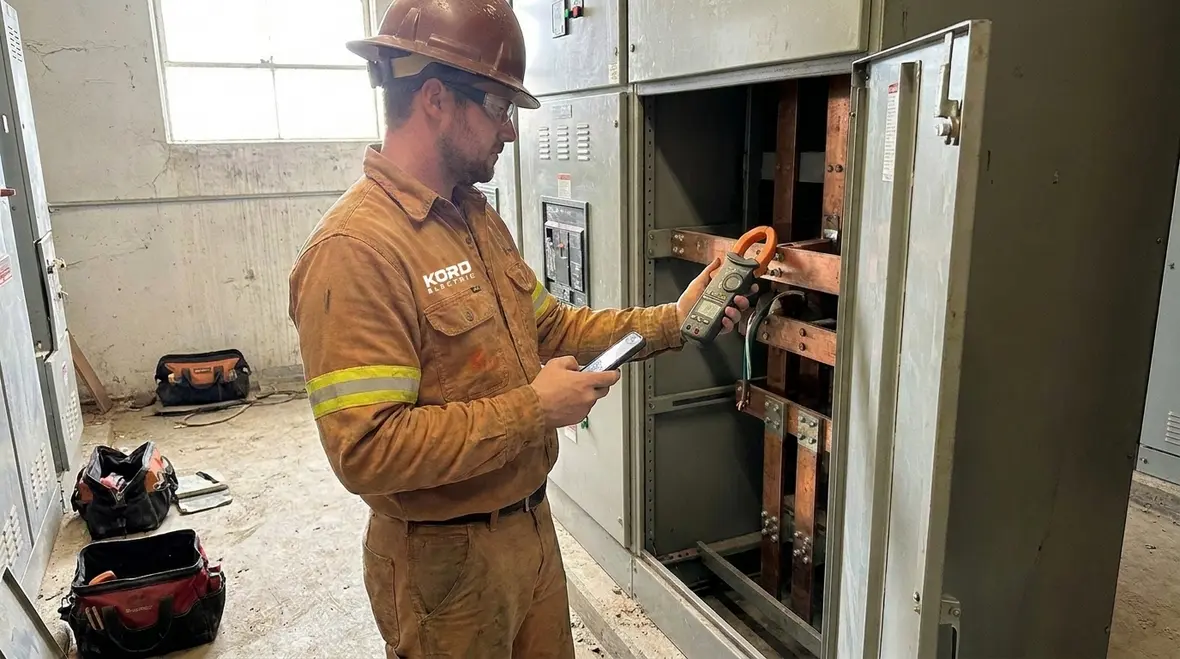
Cost can feel like it changes every time someone says the words “just one more thing.” That is normal. Still, most pricing for Commercial Electrical Service Upgrades: Capacity, Costs & Requirements follows a few predictable drivers.
First, the size of the upgrade matters. Increasing service capacity may require new switchgear, new metering, upgraded service conductors, and transformer changes or adjustments. If the existing electrical room cannot physically support new gear, then layout work may be needed, which adds cost and schedule time.
Second, the scope of distribution work matters. Often, the service upgrade reveals downstream needs. For example, feeders may need rerating or replacement. Panelboards may require new capacity, additional breakers, or upgraded labeling and bus rating. Also, if grounding and bonding do not meet current safety requirements, we address that directly rather than leaving a weak link.
Third, downtime and phasing influence cost. We work with facility teams to plan tie ins and switching so you can keep critical operations running. When outages must be scheduled, we coordinate so downtime stays short and controlled.
Finally, permitting and inspection requirements affect the process. We handle documentation and scheduling so the project moves forward without delays.
We also include a simple truth: a well planned capacity upgrade often costs less than repeated emergency repairs and rising equipment failures. In business, prevention usually wins. Even when it is not as fun as a surprise breakdown. Trust us, nobody throws a party for a tripped breaker.
Planning the project so your facility keeps running
Commercial and industrial facilities do not pause for construction. Therefore, we plan for real schedules, real staff, and real constraints. Our process usually starts with a site walk and load review, then moves into a clear work plan.
During planning, we help your team decide how to phase the work. For example, we may upgrade sections in steps so the building maintains power to critical areas. We also coordinate with your maintenance staff about access to electrical rooms, material delivery, and safety boundaries. Then, we set expectations for testing and commissioning.
Our technicians and expert service staff also explain each phase before we begin. We go over what your staff might notice during switching events, how we maintain safety on site, and what communication your team should use internally. Because when people understand the plan, work runs smoother, and everyone stays calmer.
And yes, we can also work around the “we need it yesterday” attitude that shows up right before a deadline. We do not promise magic, but we do build schedules that respect your operations.
Upgrades that last: safety, labeling, testing, and future growth
After we complete the installation, we do not treat the job as finished. Instead, we test, verify, and document. We check electrical performance, confirm proper connections, verify correct breaker and feeder configurations, and ensure the new equipment operates as intended.
Then, we focus on safety and usability. We ensure correct labeling so your staff can identify circuits quickly. Also, we verify that grounding and bonding systems support safe operation. In industrial and commercial environments, good labeling prevents long troubleshooting sessions that steal time and patience.
Next, we support future growth. If you plan tenant improvements, more equipment, or added production lines, we consider the next stage during the design. In many cases, we can size upgrades in a way that avoids another service change sooner than necessary.
So, when your building’s electrical system gets stronger, it also becomes easier to manage. And that translates into fewer surprises, fewer calls, and fewer “why did this happen now?” meetings.
As you plan upgrades, it can also help to look at your broader infrastructure roadmap. Our Los Angeles County commercial electrical services support everything from distribution upgrades to preventative maintenance, so capacity work fits into a larger strategy instead of becoming a one-off project.
Ready for Commercial Electrical Service Upgrades? Call Kord Electric
If your facility is running closer to its limit, Kord Electric can help you plan commercial electrical service upgrades with confidence. Our technicians and expert service staff evaluate capacity, explain the requirements, and build a phased plan that reduces downtime and protects safety. Then, we install, test, and document the work so your team can operate with clarity. Contact us today to schedule a site assessment for your commercial or industrial building, and let us turn electrical uncertainty into a calm, steady system you can trust.
If you are coordinating bigger changes across your portfolio, our team can also align capacity work with related projects like EV charging, backup power, or code-driven renovations, so your Commercial Electrical Service Upgrades: Capacity, Costs & Requirements slot into a larger, predictable roadmap instead of a series of emergency decisions.
To get started on a structured upgrade plan that protects uptime and keeps your electrical system ready for what comes next, reach out to our commercial services team and ask about our assessment and planning options for facilities across Los Angeles County.