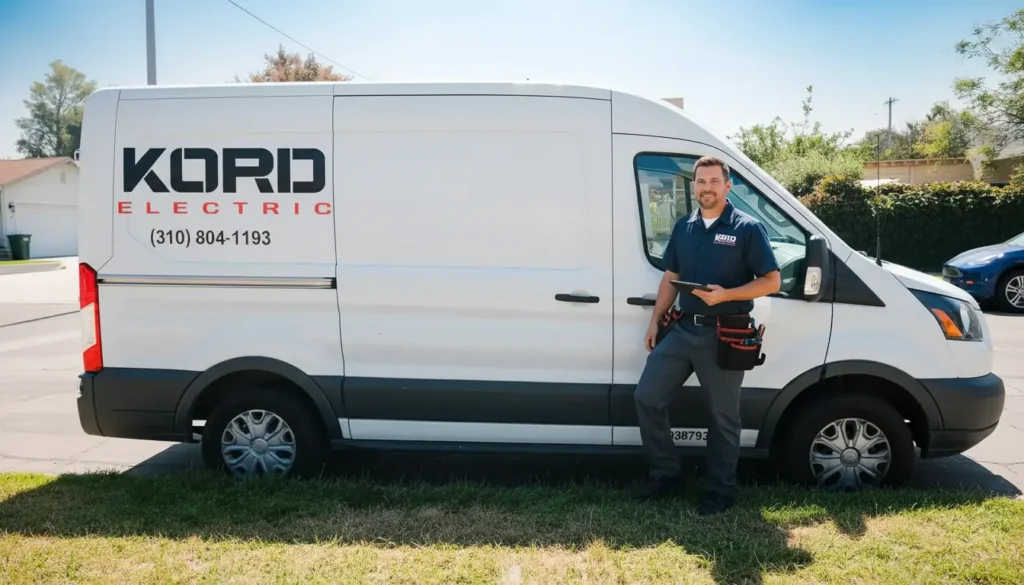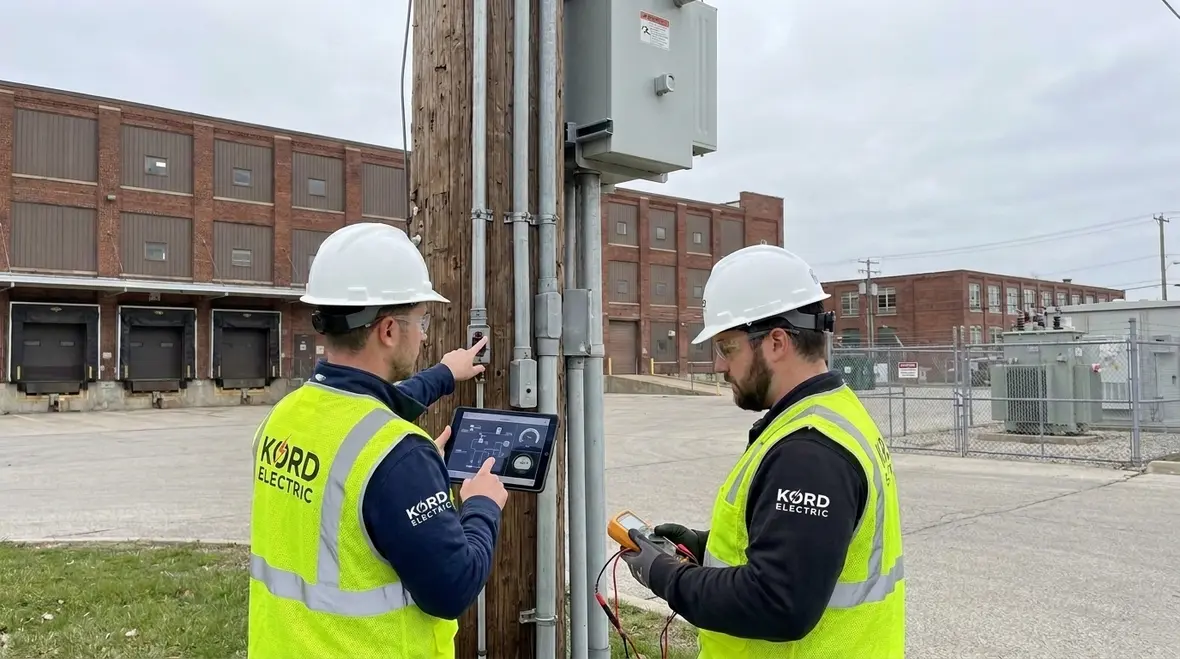
Utility Pole Load Management for Capacity Planning, Safety & Reliability
At Kord Electric, we focus on Utility Pole Load Management: Capacity Planning, Safety & Reliability for commercial and industrial facilities and major property buildings. We treat each utility pole like a long term piece of infrastructure, not a quick fix. That means we plan for load growth, we reduce unexpected stress on equipment, and we keep safety margins where they belong. As our technicians explain in plain terms, the goal is simple: prevent problems before they show up as heat, flicker, outages, or expensive emergency work. And yes, we understand you have enough meetings already, so we keep the process clear and calm.
After all, nobody wants their building’s power plan to feel like a season finale with no warning. Let’s walk through how others manage utility pole loading, how we do it, and what you can expect from our expert service staff.
How utility pole load management protects your business power
Utility pole load management starts with understanding one core fact: electricity does not care about your tenant schedule, your production plan, or your holiday hours. It moves based on real demand. Therefore, when a corridor, feeder, or service area carries heavier loads than it was built for, the pole and the connected lines take on extra stress. This stress shows up in several ways, and it often builds over time.
At Kord Electric, our teams connect the dots between your building activity and the utility system behavior around you. First, we review how your site uses power across shifts and seasons. Next, we compare that use with upstream capacity and the risks that can rise when loads grow without coordination. Then we plan an approach that fits your facility, whether you run a manufacturing line, a data driven operation, or a multi tenant complex.
Here is what our technicians tell clients, in the same steady tone they use on jobs. “We don’t guess. We measure, we model, and we plan.” That calm approach is not just nice. It reduces downtime risk, and it also helps your stakeholders feel confident about decisions.
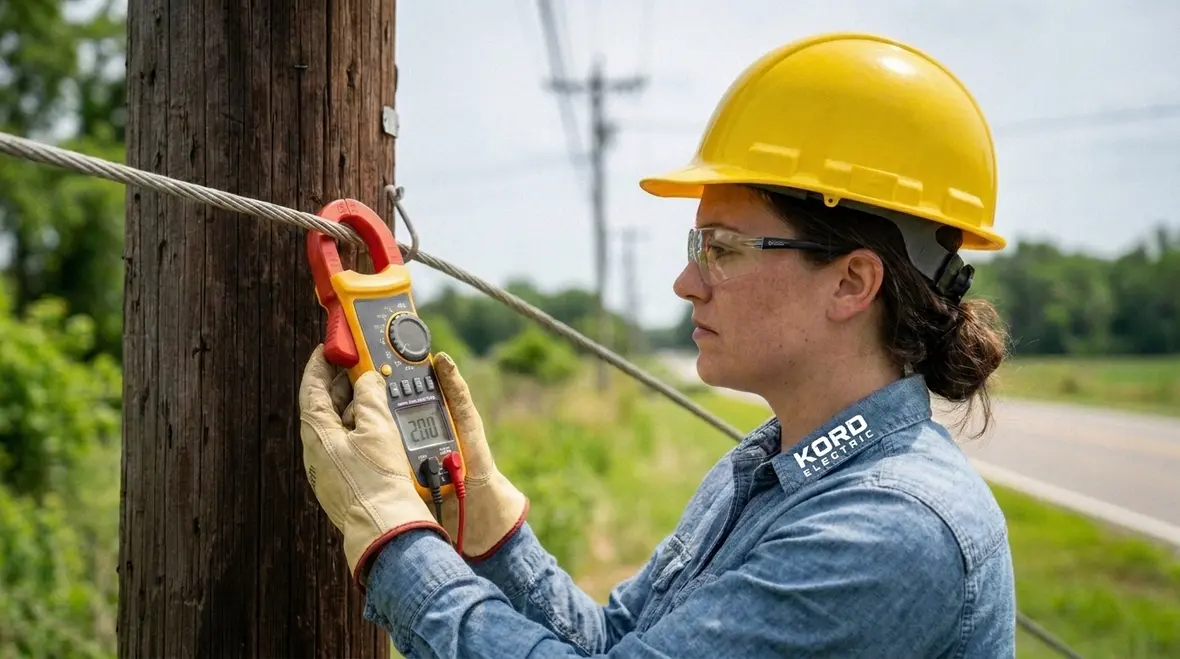
When you think of utility pole load as part of your broader electrical strategy instead of a background detail, you start to see where small decisions stack up. Added signage, new rooftop units, extra EV charging, or additional tenant loads all push current through the same shared infrastructure. A structured plan keeps those changes from quietly turning into risk.
Assessing capacity and mapping load growth without guessing
We begin with capacity planning, and we do it in a way that commercial and industrial leaders can use in the real world. In other words, we do not treat this as a theory project. Instead, we build a clear picture of current load, future load, and the timing of change. That includes equipment upgrades, new tenants, expanded production, and EV charging growth.
To do this well, our expert service staff gathers details such as:
Building load profiles by time of day and day of week
Peak demand history and demand response opportunities
Planned equipment additions like HVAC, process loads, and controls
On site generation and backup system behavior, where applicable
Any known power quality concerns, like voltage dips and harmonics
After we collect the facts, we translate them into load growth scenarios. Then we align those scenarios with what the utility system can support, so you avoid surprises later. In many cases, the “surprise” is not only electrical. It is also budget related, because last minute upgrades cost more and cause more disruption.
And if someone tells you not to worry because “the poles look fine,” our team politely reminds them that poles do not write reports. Heat, aging, and insulation stress do not always show up until they do.
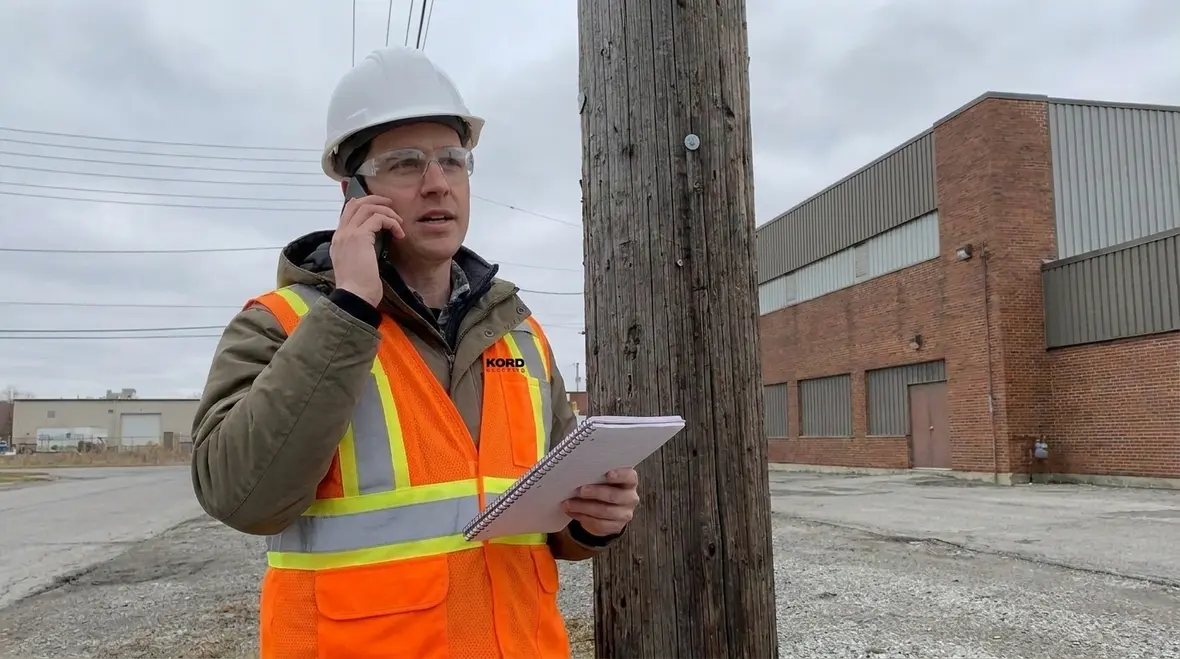
We also connect capacity planning with your wider electrical roadmap. For example, when we review load data, we may reference the structured practices we outline in our commercial EV charging infrastructure planning guides and data center reliability articles, because the same principle shows up everywhere: don’t guess your limits, verify them and plan accordingly.
Safety first: what we prevent before it becomes an outage
Once we understand capacity, we move to safety and reliability. We focus on failure modes that can result from overloaded conditions and poor coordination. For example, increased conductor temperature can lower insulation life. In addition, stressed connections can create localized heat points. Over time, that can lead to harder to predict events, including fault incidents that interrupt service to a whole area.
Our technicians look at your broader electrical system, not just the utility side. We evaluate how your facility distributes power inside the building, how protection devices behave, and how your controls respond under load. Then we confirm that your system settings support stable operation under peak conditions.
We also use clear documentation so operations teams and property managers know what to watch. As our expert service staff often says, “Safety is not a slogan. Safety is a checklist and a plan.” Therefore, we help you create repeatable actions for monitoring and response, so your team does not rely on memory during stressful moments.
One more thing. If you think safety planning is only about avoiding accidents, you are partly right. But it also avoids costly downtime. In a commercial setting, every minute of interruption can turn into a domino effect across production, service levels, and revenue.
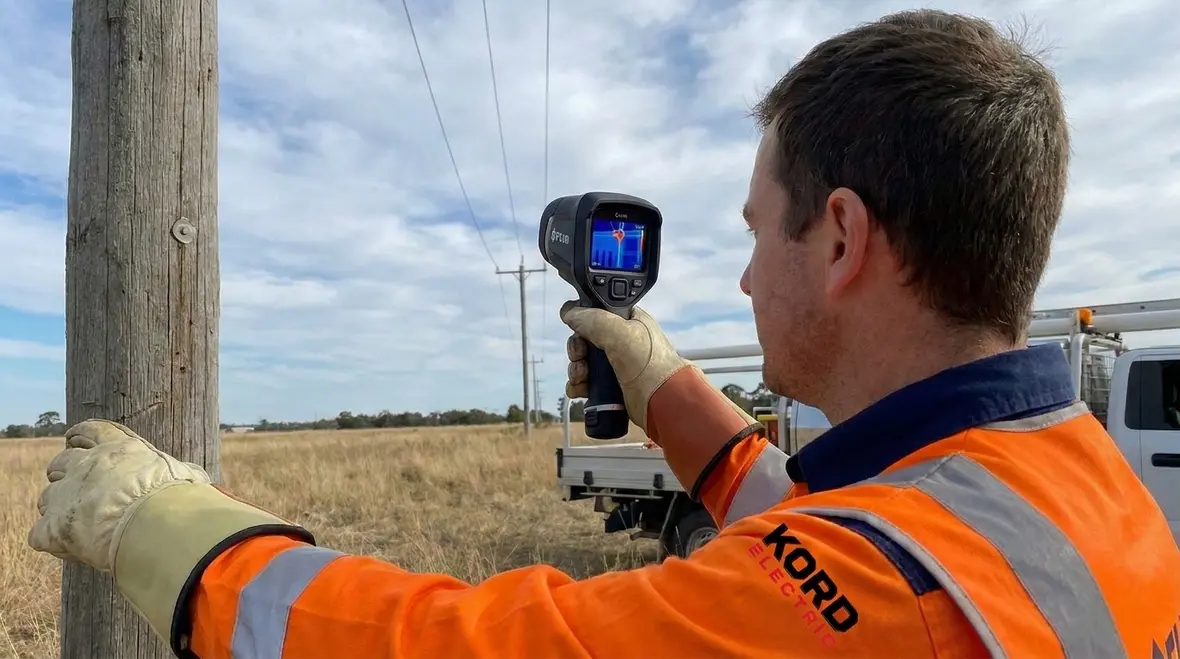
That is why our safety work around utility poles links directly with critical power system protection and emergency power strategies. The same disciplined mindset that protects a data center or emergency system from miscoordination also helps keep pole loading inside safe boundaries, so faults become rare events instead of regular guests on your operations calendar.
Coordination with utilities and managing expectations
Even the best internal plan can stumble if communication with utilities is unclear. So we coordinate with utility stakeholders early, and we do it with respect for how timelines actually work. We help your team prepare the right details for discussions, including expected load ranges, planned expansions, and the purpose of requested changes or studies.
At Kord Electric, we also manage expectations about what can happen and when. Because in real life, coordination is not instantaneous. It depends on permitting, engineering review, and construction windows. However, you can reduce delays by presenting organized information. And you can reduce confusion by aligning internal stakeholders on goals and roles.
To keep things smooth, our technicians explain the steps in a practical order. First, we confirm your current electrical reality. Next, we outline the load forecast. Then we match the forecast to utility planning needs. Finally, we support the execution path, including any recommended upgrades that reduce risk for your facility.
We also keep a sense of humor where appropriate, because nobody wants a power meeting to feel like waiting for a slow internet upload. When the process is clear, stress drops, and decisions get easier.
In many Los Angeles County projects, we also align pole load planning with wider regional considerations, including how nearby facilities are growing and what local planners expect in terms of EV adoption, new construction, and infrastructure work. That way, your project feels like part of a coordinated grid story, not a last minute plot twist.
Advanced strategies for real building load scenarios
Capacity planning improves when you treat load as a living system. Therefore, we use strategies that fit how commercial and industrial buildings actually run, not how diagrams pretend they run.
Utility Pole Load Management: Capacity Planning, Safety & Reliability becomes stronger when we combine these approaches in a coordinated way:
On the facility side
Demand management during peak hours through operational schedules and control logic
HVAC optimization that reduces spikes while keeping comfort and process needs steady
Load balancing across phases to reduce uneven stress in distribution
Power factor improvements and reactive load control where it fits your profile
Protection coordination checks so your devices clear faults with less disruption
On the utility interface side
Phased forecasts that match planned equipment changes and tenant timelines
Coordination requests that align with utility study needs and lead times
Risk reduction steps that help during construction periods or transition phases
Reliability planning that supports continuity goals for critical loads
As our expert service staff puts it, “You cannot solve upstream limits with downstream wishes.” Still, you can reduce the pressure your facility places on shared infrastructure. That means fewer temperature stresses, fewer unstable conditions, and fewer chances of emergency work that nobody budgets for.
And for the pop culture crowd, think of it like planning a movie release. If you schedule the premiere without considering ticket demand, you get chaos. If you plan demand and staffing, the audience gets a smooth show. Power planning works the same way, except the audience is your production line.

These strategies also tie into other reliability work you may already be planning, such as transformer maintenance, industrial panel capacity assessments, and commercial electrical distribution uptime improvements. When everything is coordinated, your utility pole load position becomes another lever you manage on purpose, not a background risk you remember only when a breaker trips at the worst time.
Monitoring, maintenance, and reporting that keeps you ahead
Plans are useful only if they stay current. So we set up monitoring and maintenance steps that support ongoing reliability. We help your team track indicators linked to stress and instability, and we document findings in a way that supports decisions.
Our approach often includes:
Reviewing load trends and peak demand shifts after major operational changes
Checking protection system behavior during scheduled tests or events
Confirming that electrical distribution keeps up with actual usage
Supporting seasonal planning, especially for HVAC driven peaks
Creating reports that leadership can understand without an electrical doctorate
Transition matters here. Instead of waiting until something breaks, we create a schedule that aligns with your building rhythm. Then we adjust when reality changes, like a new tenant, a new process line, or a shift in operating hours.
Our technicians also know how to explain the “why” behind each recommendation. That is how maintenance turns into prevention. And when prevention works, it feels almost boring. Which, in our business, is exactly what you want.
For facilities across Los Angeles County and Southern California, that monitoring often sits alongside structured preventive maintenance and troubleshooting programs. When you combine pole load awareness with the kind of step-by-step field work we describe in our electrical troubleshooting guides, the entire system starts behaving more like a well-rehearsed performance and less like improv.
FAQ: Utility pole load management for commercial and industrial sites
Ready to protect your power reliability?
If you operate a commercial or industrial facility or manage a major property, you need a load plan that stays ahead of change. Kord Electric brings expert service staff and technicians who explain the process clearly, review your load reality, and help coordinate safety and reliability actions. Contact us to schedule a consultation and get a practical path forward for capacity planning, safety, and long term performance. Let’s keep your power steady, your teams focused, and your budget safe from surprise emergencies.
Many of our clients pair this with broader Los Angeles County electrical services from our team, so pole load work, panel upgrades, troubleshooting, and preventive maintenance all pull in the same direction. That way, your facility gets one coordinated electrical strategy instead of a patchwork of disconnected projects.
If you are exploring more ways to keep your system stable as it grows, you can also review our Kord Electric blog resources on topics like commercial electrical distribution uptime, industrial panel capacity, and EV charging load management. Taken together with focused utility pole load management, they create a roadmap for electrical reliability that feels calm, deliberate, and ready for whatever comes next.