Commercial Electrical Service Upgrades: When and Why You Need One
Commercial Electrical Service Upgrades: When and Why You Need One
Commercial Electrical Service Upgrades: When and Why You Need One becomes real the moment a building starts to feel “tight” on power. That is when lights dim, equipment trips breakers, and staff watch the load like it is a weather app that never sleeps. At Kord Electric, we handle commercial and industrial facilities and major property buildings, so we see these issues early, before they turn into downtime. We help owners and facility managers plan upgrades with clear steps, calm explanations, and expert technicians who do not hide behind jargon.
And yes, sometimes the problem shows up right when you least want it, like a surprise guest who arrives in a hoodie and demands the best parking spot. Still, with the right upgrade, you regain steady power and support growth without guesswork. In the rest of this article, we explain how we spot capacity limits, what we improve, and how our team keeps everything safe and compliant.
How capacity limits show up in commercial power systems
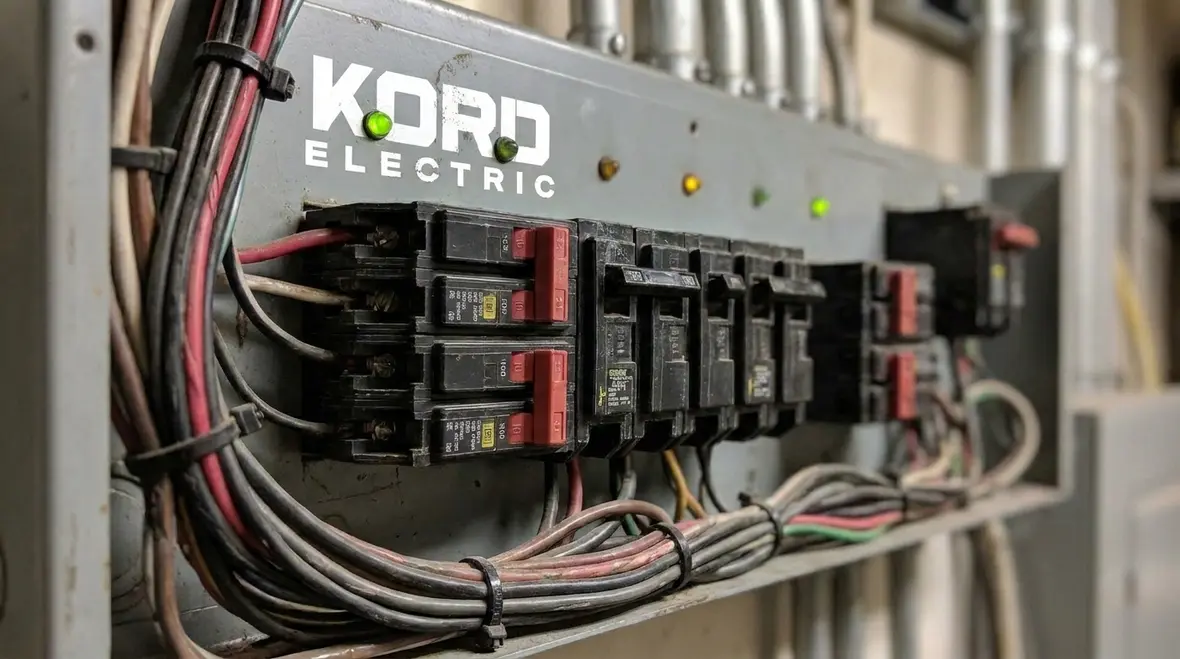
Many building teams notice symptoms first, then hunt for causes. However, our approach starts by understanding the electrical story of the site. We look at demand patterns, existing load calculations, and equipment condition. Then we compare that to the building’s future needs. This is how we avoid “band aid” fixes that feel good today but fail next year.
Common signs appear in everyday operations, yet they often get dismissed as normal wear. For example, sensitive devices may reboot when startup surges hit. Meanwhile, larger motors and HVAC cycles can push voltage down just enough to trigger nuisance trips. As a result, maintenance calls increase, and managers get trapped in a loop of resetting breakers instead of solving root causes.
Furthermore, older service gear may include components that no longer match the building’s load profile. Even when the equipment still “works,” its safety margins can shrink. At Kord Electric, our technicians explain what is happening in plain language, so others do not have to take our word on faith. We also show how different loads interact, because commercial systems behave like a team sport, not a solo act.

What we inspect before we recommend an upgrade
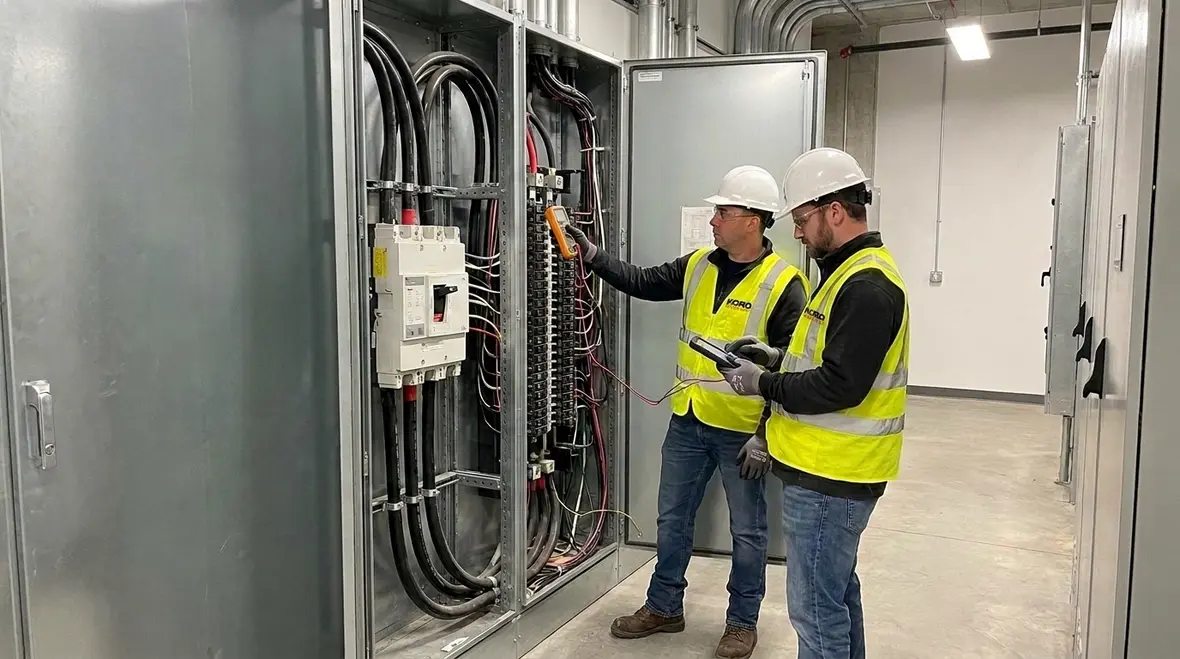
When clients call us, they often ask what will be upgraded. However, we first confirm what should be upgraded. Our expert service staff takes a structured path, and it makes the process calmer for everyone involved. We begin with the service rating, feeder setup, distribution panels, transformer status, grounding and bonding details, and protective device coordination.
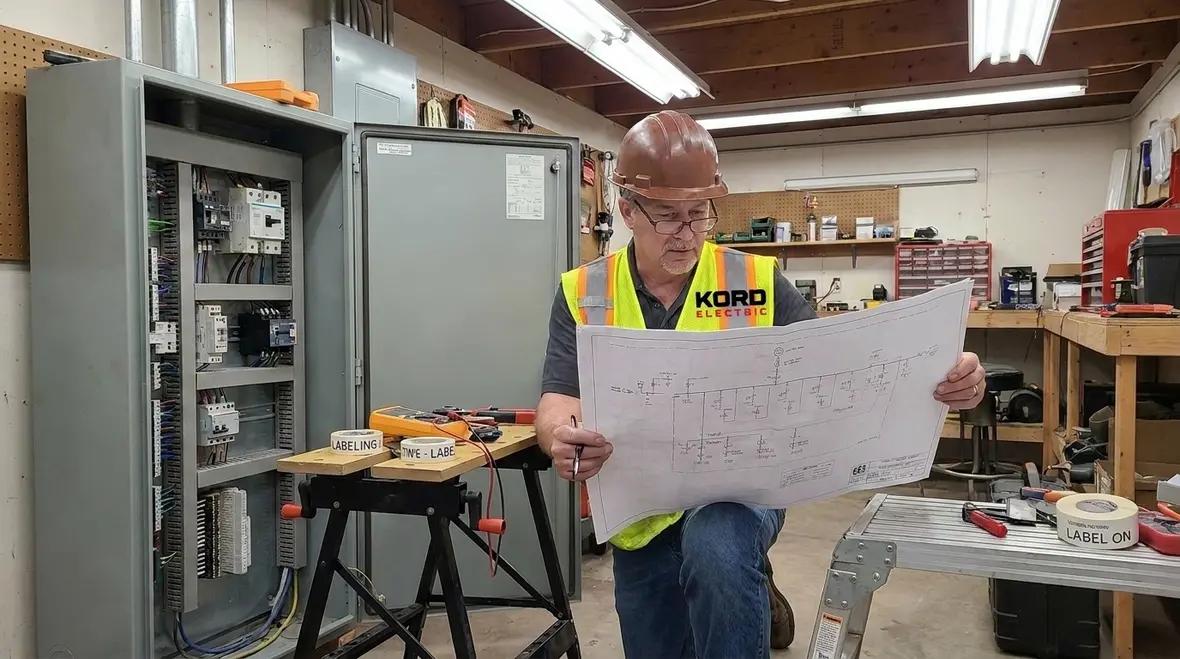
Then we review the building’s electrical one line diagram and compare it to field conditions. If the diagrams do not match reality, we fix that before we touch hardware. Next, we examine conductor sizing, terminal condition, and signs of heat or aging. Over time, small issues like loose terminations or worn bus bars can build up. Eventually, they create hotspots that threaten reliability and safety.
After that, we study load growth. We ask what is changing now and what is planned soon, such as tenant improvements, additional production equipment, data upgrades, new refrigeration, or expanded HVAC. Finally, we look at power quality, because a facility can have enough capacity on paper and still suffer from voltage dips, harmonics, or unstable power during heavy starts.
Connecting to earlier capacity planning insights
To support planning, we often build on the same core thinking shared in our dedicated guide on upgrading commercial electrical service capacity. We focus on capacity, protective coordination, and system-wide compatibility, not just swapping one part and calling it done.
When service upgrades become urgent, not optional
At a certain point, delays cost more than the upgrade itself. We help property teams decide using real risk signals, not guesswork. To start, if protective devices trip frequently, the system may be overloaded or poorly coordinated. In that case, Commercial Electrical Service Upgrades: When and Why You Need One becomes more than a phrase, it becomes a timeline.
Also, if you experience recurring power interruptions during peak demand, you likely face capacity limits or aging components. Likewise, persistent voltage drop can cause equipment damage, shorten motor life, or reduce performance for controls and automation. In addition, if your facility has increased load since the original service design, your risk grows even if the building “seems fine.”
Finally, some urgent triggers show up during remodeling. For example, when others add new office spaces, more lighting, EV charging, or process equipment, the electrical system may not support the new demand. We support commercial and industrial sites and major property buildings, so we treat upgrades as part of the overall business plan, not a last minute repair.
Linking urgent upgrades with broader reliability
When an upgrade moves from “someday” to “urgent,” teams often pair the project with structured electrical preventive maintenance and troubleshooting strategies, so the new capacity is supported by ongoing inspections and testing.
How we plan upgrades so operations keep running
Upgrading a commercial service is not like changing a lightbulb. It can involve utility coordination, shutdown planning, and careful sequencing. That is why we plan with the facility in mind. Our team builds an upgrade path that reduces downtime and keeps critical loads supported as much as possible.
First, we confirm safety steps, lockout procedures, and access needs. Next, we schedule work around business hours and peak operations. Then we coordinate with the utility when required, because service changes often touch utility interfaces. We also test components during the process, so nothing relies on hope. Instead, it relies on measurements and checks.
After that, we verify load balance and feeder performance. We confirm protective device settings and ensure the system protects what it should, when it should. Finally, we document the changes clearly for the building team. That way, future maintenance becomes easier, and others can understand what changed without decoding a mystery box.
And if you are thinking, “Won’t this be disruptive?” We get it. Even in pop culture, upgrades show up during the one scene where everyone forgets the plan. We do not operate that way. We communicate early, we coordinate well, and we keep the job moving with focus.
Common upgrade paths for industrial and major property buildings
Not every building needs the same fix. However, most facilities fall into a few practical upgrade paths. We help owners and managers choose based on electrical needs, equipment condition, and the building’s long term plan.
- Service capacity increase for buildings that added production loads, upgraded HVAC, or expanded tenants.
- Transformer and switchgear improvements when equipment age or performance limits threaten reliability.
- Panel and distribution upgrades when circuits run out of space or protection needs better coordination.
- Feeder upgrades when conductor sizing or voltage drop levels do not support new load demand.
- Power quality corrections where harmonics or voltage instability affect sensitive equipment and controls.
- Grounding and bonding refinements when safety margins need strengthening.
To support this planning, we often follow the same core thinking discussed in our blog on upgrading commercial electrical service capacity. We focus on capacity, protective coordination, and system-wide compatibility, not just swapping one part and calling it done. Meanwhile, our technicians explain tradeoffs clearly, so others can make decisions with confidence.
Planning for Los Angeles County facilities
For properties across the region, from industrial campuses to multi-tenant buildings, our team ties upgrades into broader Los Angeles County electrical services that cover panels, distribution, emergency response, and long-range capacity planning.
Why expert technicians matter more than quick fixes
Fast fixes can feel attractive, especially when a site needs relief immediately. However, quick fixes often miss the bigger picture. A breaker reset does not correct undersized feeders. A temporary load reduction does not fix aging switchgear. And a “good enough” panel often turns into a future safety problem.
At Kord Electric, we rely on skilled technicians who take the time to interpret test results and spot what is easy to miss. For example, a system may show normal readings under light load, yet struggle under startup surges. Our team accounts for how motors start, how HVAC cycles operate, and how simultaneous loads behave. That is what separates a reliable upgrade from a patch.
Also, our expert service staff keeps communication simple. We explain what we find, why it matters, and what the upgrade will do for day to day operations. In short, you get clarity, not confusion. And when we say a component needs attention, we show how that attention reduces risk and supports performance.
From troubleshooting to full service upgrades
Because we also support clients with services like emergency stabilization and preventative maintenance, our technicians can move smoothly from diagnosing issues to planning Commercial Electrical Service Upgrades: When and Why You Need One that align with your operations instead of disrupting them.
FAQ for commercial electrical service upgrades
Ready to strengthen your building’s power capacity
If your commercial or industrial facility faces load growth, nuisance trips, or unstable voltage, it is time to plan a proper electrical upgrade. At Kord Electric, our technicians assess your system, explain findings clearly, and implement Commercial Electrical Service Upgrades: When and Why You Need One with careful coordination. Contact us to schedule an on site evaluation, get a realistic upgrade plan, and protect your operations from the next surprise power issue. Let us handle the heavy lifting while you keep the business running.
When you are ready to connect this planning to a broader strategy for your facilities, our commercial team can align service upgrades with related offerings such as industrial automation support, preventive maintenance, and targeted project work across Los Angeles County and beyond.
For facility managers, operations leaders, and property teams who need a direct path from “something is wrong with the power” to “our building is ready for growth,” Kord Electric is ready to help.