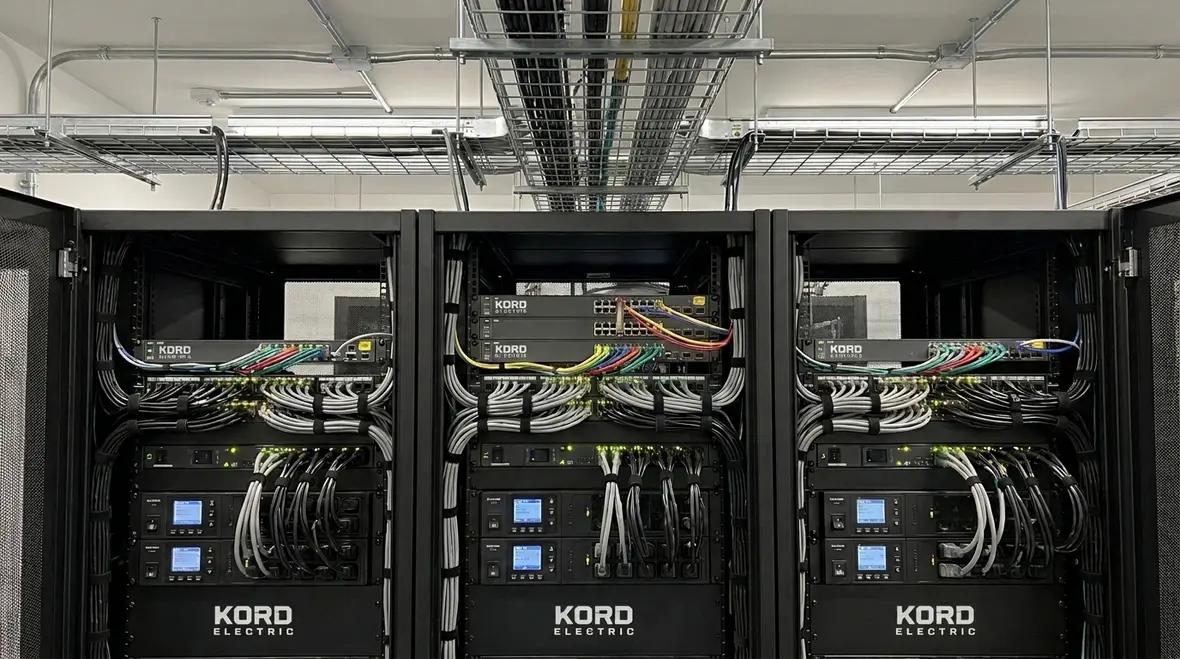
How Data Center Workload Distribution Works
At Kord Electric, we often get asked one question that sounds simple, yet it hides a lot of moving parts: How Does Data Center Workload Distribution Work? In plain terms, others spread the demand for computing across multiple systems so no single server, switch, or power path gets crushed. Meanwhile, they keep service running even when a component fails. And because commercial and industrial facilities cannot afford downtime, we make sure this approach matches the real world: high loads, tight schedules, and real maintenance windows.
What workload distribution means in a data center
In our experience, workload distribution sits at the crossroads of compute, network, and power. It is not just moving jobs around like a streaming playlist. Instead, it decides where work runs based on capacity, health, latency, and policy. As a result, a data center can handle traffic spikes without turning every rack into a fire drill.
Our technicians explain it this way. When a workload starts, the system asks: where can it run safely right now? Then it checks available resources, such as CPU headroom, memory, storage performance, and network paths. After that, it applies rules. Those rules may prefer certain clusters, avoid nodes under maintenance, or keep related services close to reduce latency. Finally, it monitors outcomes so the decision stays correct as conditions change.
In other words, we treat distribution like good leadership. You do not assign tasks blindly, and you do not wait for a failure to learn a lesson. You plan for what happens next. Think of it as Batman, but with dashboards instead of capes.

Inside the electrical side of the house, that leadership mindset shows up in how we match data center distribution design to real workloads. If you want a broader picture of how the backbone holds together under stress, Kord Electric’s guide on data center electrical distribution design for reliability walks through how paths, protection, and maintenance planning keep those workloads supported instead of stranded.
How the system routes work without breaking performance
To make distribution work, a data center relies on several layers that cooperate. First, the software layer handles scheduling. For example, it might place virtual machines or containers on hosts that can carry them without stress. Next, the network layer routes traffic to the right endpoints. This includes switching, routing, and sometimes load balancing across multiple paths. Then, the storage layer supports fast access so performance does not fall off a cliff when workloads move.
However, the power layer matters too, and many teams forget it until they regret it. Power distribution does not only provide electricity. It shapes what capacity is effectively available, which paths stay stable, and how quickly the system returns to normal after a fault.
At Kord Electric, our expert service staff connect these dots for commercial and industrial building teams. We explain that distribution plans must match the electrical design. If a facility uses redundant power paths, workload placement should align with those paths, so performance and reliability stay steady. Otherwise, the system may spread compute well but concentrate risk on one electrical side. That is like packing light bags and then putting all the weight on one shoulder. You will feel it sooner than you expect.
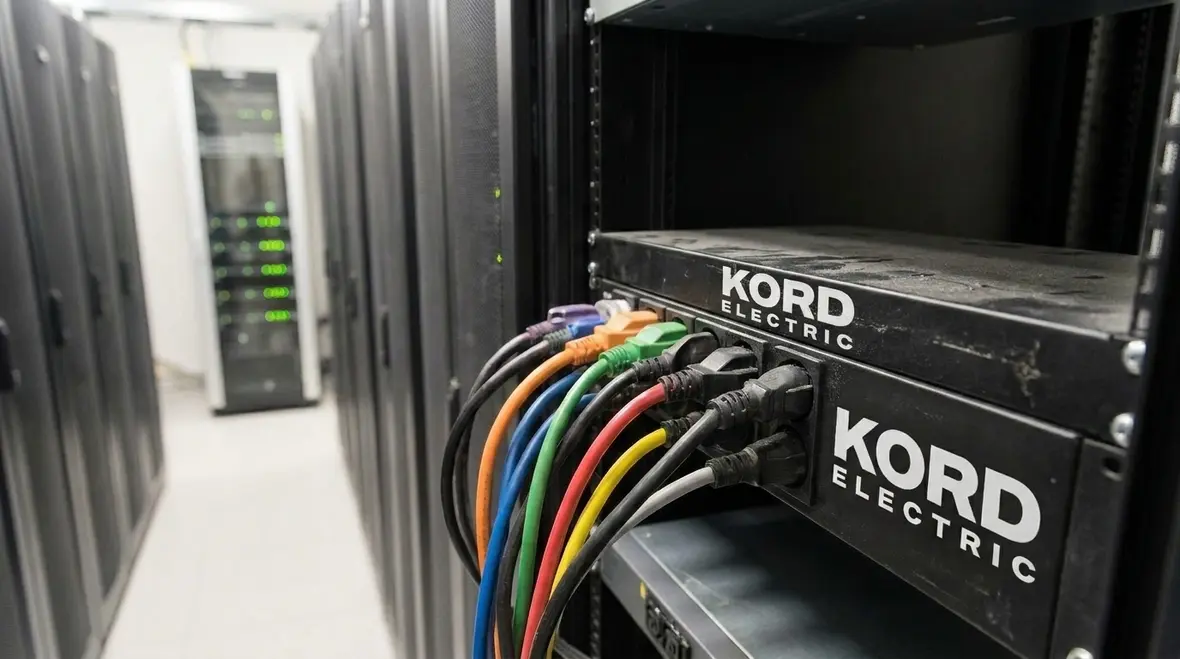
In many modern facilities, those paths are carefully planned long before the first server powers up. Resources like Kord Electric’s article on data center power reliability and uptime design outline how switching behavior, protection coordination, and monitoring all shape the real limits that workload distribution engines should respect.
Why redundancy changes workload placement
Even a well tuned scheduler cannot guarantee uptime if the power and redundancy design do not support the plan. That is why we point teams back to proven redundancy goals, including strategies for achieving very high uptime.
In our blog on data center power redundancy for 99.999% uptime, we break down the idea that redundancy needs to cover the whole path, not only the obvious parts. We highlight how facilities can plan for faults across utility feeds, transformers, UPS systems, and distribution gear. Then we show how the facility design supports fast switchover and stable operation during maintenance.
Here is the key tie in. How Does Data Center Workload Distribution Work? It works best when the workload mapping matches the redundancy model. For instance, if the facility uses separate power trains for A and B, placement policies can keep critical workloads spread across those trains. As a result, a single failure does not force all services into a risky bottleneck.
When you zoom out, this is the same thinking that drives Kord Electric’s approach to data center power redundancy for maximum uptime: design redundancy so it actually keeps the lights on, then let workload distribution ride on top of that structure instead of guessing where the safe paths might be.
In practice, our technicians help owners translate redundancy into actionable rules. We guide teams to align electrical sides with operational behavior. Then they can avoid the classic problem where the IT layer thinks it has two safe options, but the electrical plan quietly funnels them into one reality.

For commercial and industrial sites that want to go deeper, the related Kord Electric resource on California data center power redundancy systems shows how these design patterns adapt to regional risks like grid instability, seismic impacts, and seasonal load swings.
Steps we use to design distribution for real facilities
Commercial and industrial buildings do not run like lab setups. They have construction limits, varying schedules, and teams that must maintain order during upgrades. So we build workload distribution plans with hands on details.
First, we assess the facility electrical backbone. That means understanding incoming feeds, transformer layout, UPS topology, and how distribution is sectioned. Next, we review how the data center clusters map to that backbone, including what systems depend on which electrical paths. Then we confirm switching behavior during faults and planned maintenance.
After that, we help teams set placement policies. These policies include separation for critical services, avoidance of known weak points, and capacity thresholds that trigger rebalancing before issues become visible to users. Additionally, we recommend monitoring points that reveal electrical strain, not just server metrics.
Finally, we test the behavior. We verify that failover works as designed, and that redistribution does not overload other paths. This is where many organizations stumble, because they assume the plan is correct without checking the transitions. And as any manager knows, assumptions are like a pop quiz. They always arrive uninvited.
Those checks also tie into larger growth plans. Kord Electric’s work on data center power scalability and growth planning shows how the same mapping and testing habits help you scale workloads, not just place them safely on today’s infrastructure.
Common failure risks and how we reduce them
Workload distribution often fails for reasons that sound small until they add up. One major risk is uneven capacity. If servers or storage systems near the edge of capacity remain in rotation, the scheduler keeps placing workloads there because it looks available. Then latency grows, throughput dips, and business applications feel it.
Another risk is misalignment between network paths and power paths. Even when the network can route around a fault, the electrical side may not provide equivalent stability for every route. So distribution might look balanced at the network layer while still concentrating critical workloads on one vulnerable power path.
There is also the human factor. During maintenance, teams can accidentally drain one side or change policies and forget to restore them. Our technicians and expert service staff emphasize change control. We document the electrical impact and we guide how IT teams should adjust placement during those windows.
To keep things calm, we use a simple rule. If a system can degrade, we plan for how distribution will react. In other words, we design so the center stays stable even when something acts up, like a TV remote that suddenly only works when you point it at the ceiling.
From the electrical perspective, this is where broader reliability frameworks shine. Reference pieces like Kord Electric’s data center electrical requirements for uptime and electrical design data center efficiency guide help owners see how load balance, harmonics, and thermal limits all quietly influence what “safe” really means for workload placement.
What owners should track day to day
Once a distribution design goes live, owners need insight that goes beyond “servers up” and “lights on.” For commercial and industrial facilities, the goal is predictable performance and safe operation.
We recommend teams track electrical and operational indicators together. That includes UPS health and runtime margins, distribution load by side, and signs of increased transfer activity. Then they should track workload balance across clusters, including how quickly the system moves work after changes.
Also, monitor application response time and queue depth. If those metrics change right after a redistribution event, the design may still be uneven, even if it passes basic failover checks. Our expert service staff often review these signals during service engagements and help teams tune thresholds so rebalancing happens early, not late.
In the best setups, the facility and IT layers tell the same story. One side does not carry the load while the other side looks fine on paper. That alignment supports a smoother customer experience, and it protects uptime targets.
Some owners also pair this monitoring with structured electrical support so the backbone keeps up with changing workloads. Kord Electric’s Los Angeles County electrical services give facilities a way to connect field-tested maintenance, upgrades, and troubleshooting directly to the day-to-day realities they see in their workload dashboards.
FAQ: How Does Data Center Workload Distribution Work?
Ready to align workload distribution with electrical reliability
When owners want dependable uptime, they should not treat IT planning and electrical design as two separate projects. Kord Electric helps commercial and industrial teams align workload placement, redundancy, and power paths so performance stays steady during failures and maintenance. Our technicians and expert service staff map the electrical backbone to real operational behavior, then they support safe changes over time. If you are planning a build, a retrofit, or a reliability upgrade, reach out to Kord Electric today and let’s make your uptime strategy feel less like gambling and more like engineering.
For a deeper dive into how the electrical backbone shapes your options, you can explore Kord Electric’s resources on data center electrical infrastructure design for reliability and data center electrical solutions for reliability and uptime. Together with the concepts in this article on How Does Data Center Workload Distribution Work?, they create a practical roadmap from power paths to live workloads.
If your team is ready to connect that roadmap to a specific facility, Kord Electric’s data center-focused services and regional offerings make it easier to turn theory into safe, repeatable operations. Whether you are supporting a single data hall or a multi-site portfolio, we help you balance workloads with the same care we bring to balancing power.