
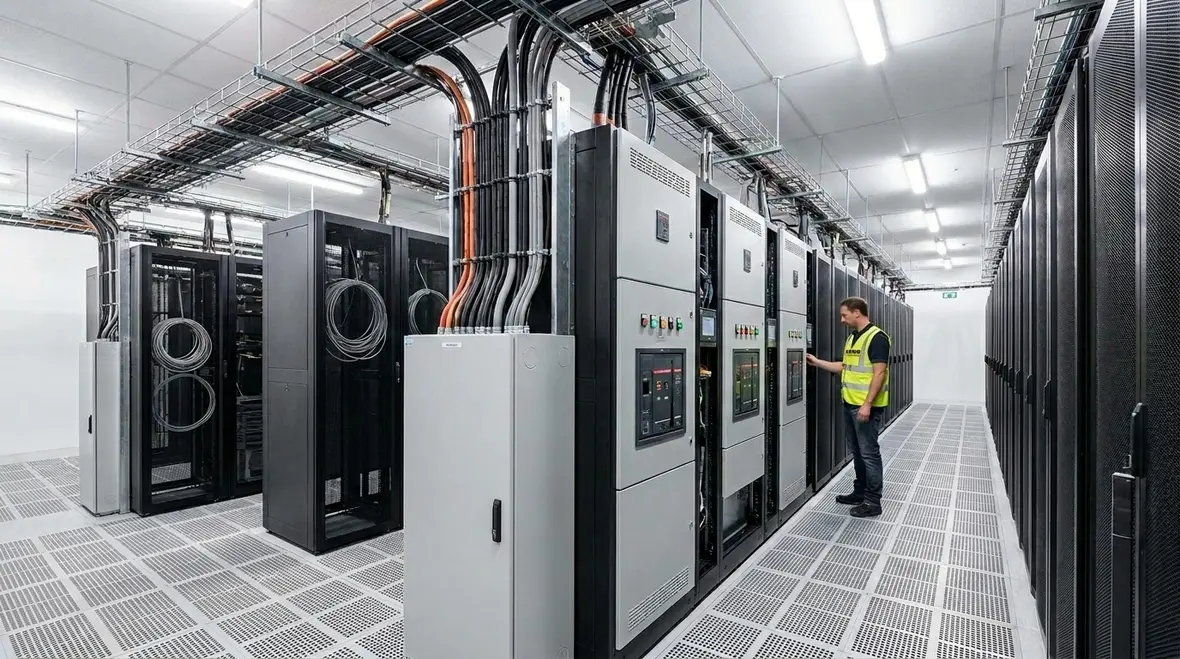
Data Center Power Scalability and Growth Planning
Data centers do not scale like phone plans. They grow in steps, and each step can quietly raise the cost of power, cooling, switchgear, and downtime risk. That is why Kord Electric plans for Data Center Power Scalability from day one, so expansion feels like a controlled upgrade and not like a late night “why is the breaker tripping” mystery. In this guide, we explain how future proof electrical design, disciplined load planning, and smart infrastructure growth work together for commercial and industrial facilities and major property buildings. And yes, our technicians explain it in plain language, because nobody should need a decoder ring just to keep servers alive.
How we plan Data Center Power Scalability for growth
In the field, we see the same pattern. A facility starts with a certain IT demand, then adds storage, analytics, AI workloads, and new racks. Meanwhile the electrical system often stays “as built,” and that mismatch becomes expensive. Therefore, planning for future growth must drive the electrical layout long before the first cabinets roll in.
First, our team starts with a clear load forecast that matches how customers actually deploy compute. Then we map the electrical path from utility entry to distribution boards and branch circuits. After that, we design the system with extra capacity where it matters and with flexible space where it is safe to expand. In other words, we do not just add power later. We prepare the ground so the next phase fits without major demolition.
Our expert service staff also helps clients understand what “ready” means. For example, a panel can look roomy, but if feeder size, bus ratings, or fault levels do not support future loads, the panel will not behave like the client hopes. In those cases, we explain constraints early so the client can budget with confidence, not with wishful thinking. And look, wishful thinking is great for pop stars and bad wiring plans, not for uptime.
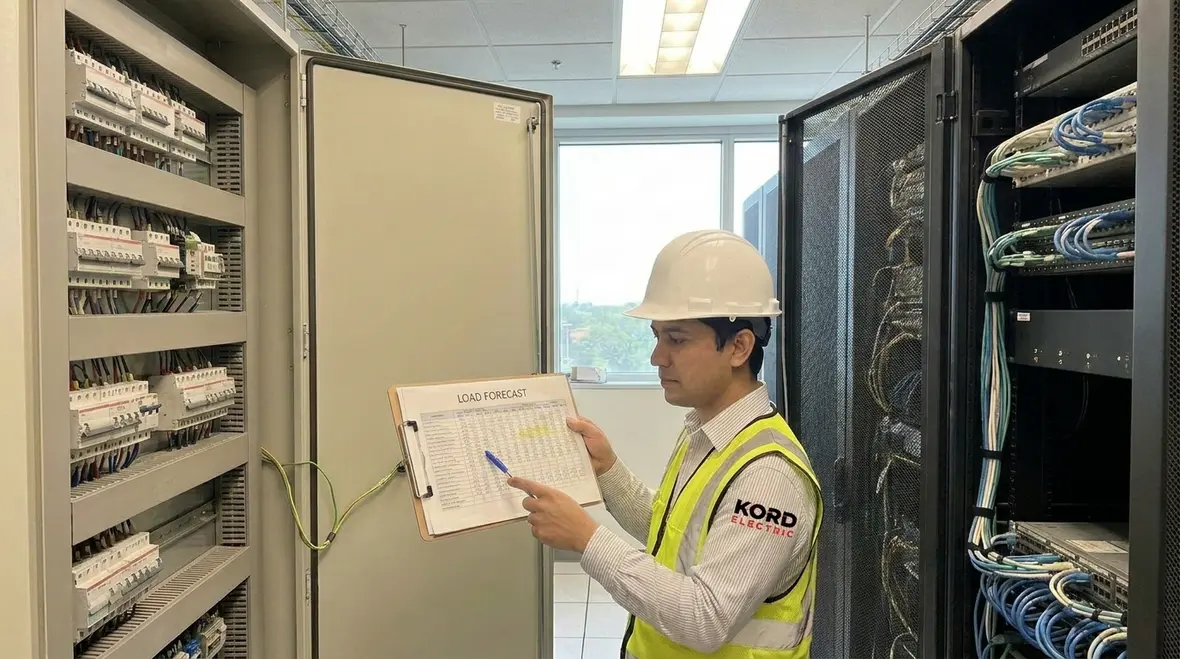
Thoughtful Data Center Power Scalability work at this early stage also connects to broader commercial planning. For example, when clients evaluate long term upgrade paths, we often point them toward structured resources like the Rewiring Cost Guide for Commercial Electrical Systems, because the same budgeting mindset helps data center teams avoid surprise costs later.
Capacity planning: match power, cooling, and physical space
Power scalability does not live in electrical drawings alone. It depends on the physical layout and how cooling and heat management interact with electrical heat. When engineers and facility teams plan together, the result is smoother scaling and fewer surprise bottlenecks.
So we align three areas:
- Electrical load segments like critical IT loads, mechanical loads, and auxiliary systems
- Distribution strategy so feeders and switching support staged expansion
- Room and pathway space including cable trays, conduits, and overhead routes
Then we set rules for future expansion. We define spare capacity targets, labeling standards, and upgrade paths that do not require guesswork. As a result, adding new power feeds or new boards stays predictable. And when the building grows, the electrical system grows with it, instead of fighting it.
At this stage, our technicians also check the practical things that can ruin a plan. Cable routing changes over time, trays get filled faster than expected, and floor penetrations become scarce. However, if we plan pathways for both today and tomorrow, the next expansion stops feeling like moving furniture through a closet with no handle.
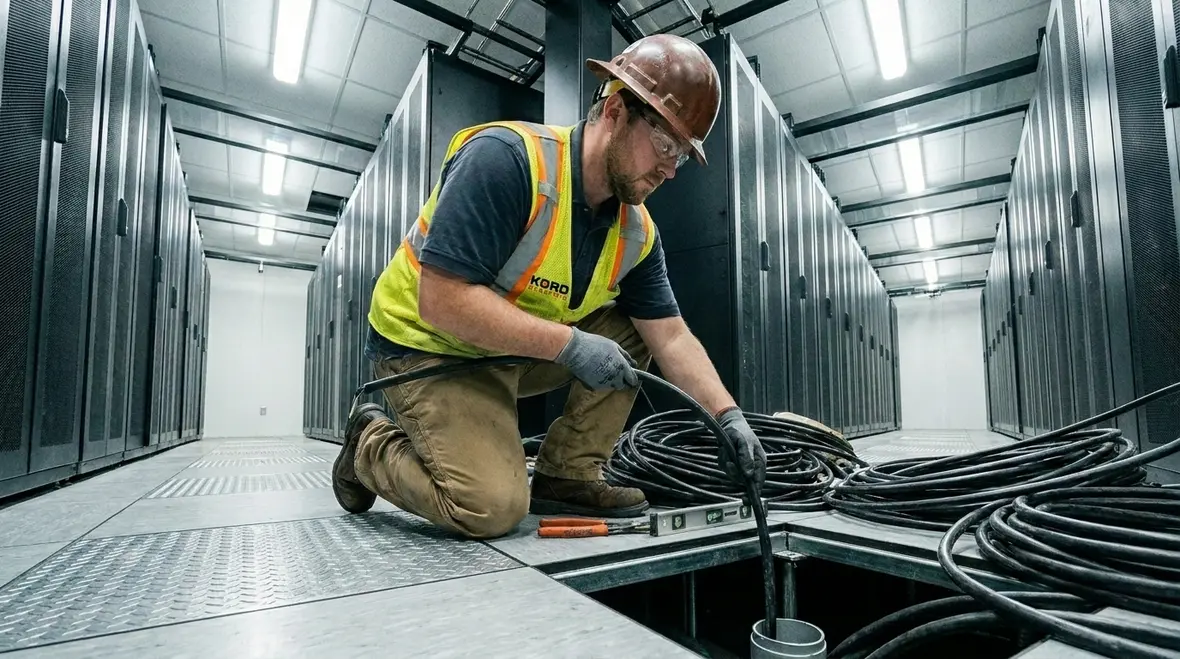
Those same layout and capacity habits show up in other infrastructure projects too. For example, Kord Electric’s teams bring similar discipline to large scale efforts like data center distribution and modern building systems, as seen in their work on Commercial Electrical Systems for Modern Buildings, where future expansion and clean routing are built in from the start.
Build for staged expansion with smart distribution
Most growth happens in phases, and we design for that rhythm. A staged plan means you can add capacity without taking the entire facility out of service. It also reduces the risk of “big bang” upgrades that turn into long outages and long meetings.
Our approach focuses on distribution that supports stepwise upgrades:
- Modular distribution where possible, so new sections integrate cleanly
- Switching and protection coordination so fault protection stays correct after upgrades
- Clear upgrade boundaries so teams know what can change and what must stay stable
- Load balancing expectations so new racks do not overload specific phases
We also consider how electrical components age. Switchgear and bus structures face thermal stress, and load growth increases that stress. Therefore, we size components to reduce unnecessary strain and we plan maintenance access so the system stays serviceable. In a real data center, uptime is not a slogan. It is the business model.
And when clients ask, our expert service staff explains tradeoffs plainly. For example, larger initial investment can reduce future shutdown windows, but smaller steps can lower first cost. We help the client choose the path that fits the facility schedule and budget.
For data centers already in operation, these staged strategies often pair with reliability focused design decisions. That includes insights from related work such as Data Center Electrical Distribution Design for Reliability and Data Center Electrical Requirements for Uptime, where the same mindset of modularity and coordination keeps growth from breaking what already works.
Rewiring and upgrade costs: plan the budget before you need it
Upgrades often require rewiring, and rewiring can feel like buying shoes after you already started a marathon. You can do it, but it is rarely fun. That is why we support clients with cost thinking that stays grounded in reality.
We reference our own guidance on commercial electrical rewiring so teams can plan with fewer surprises. In our rewiring cost guide for commercial electrical systems, we explain that upgrade costs hinge on factors like scope, access, outage needs, and the complexity of working around active equipment. Those same cost drivers show up in data center work, especially when new capacity requires feeder changes, additional distribution, or revised routing paths.
When upgrades involve live operations, the planning needs to be tighter. Therefore, we typically help clients break work into logical phases, define what can be energized during partial work, and set expectations for shutdown windows. This approach can reduce downtime and can also prevent costly rework when the field discovers that drawings did not match the actual space constraints.
Our technicians also help validate existing conditions. In many older or fast evolving facilities, labeling slips, conduit paths get altered, and equipment ratings might not reflect the current load pattern. Then the team has to solve problems during the upgrade. By confirming conditions early, we help clients avoid “pay now, pay again” scenarios.
Teams who want to dig deeper into cost dynamics and project phasing can also review Kord Electric’s detailed Rewiring Cost Guide for Commercial Electrical Systems, which walks through how scope, outage constraints, and field conditions shape commercial budgets.
Protection, redundancy, and reliability that scale
Data center electrical systems need protection that keeps faults contained while still supporting expansion. Reliability does not just mean backup power. It also means coordinated protection, safe fault clearing, and stable distribution under changing load.
In planning, we focus on:
- Proper fault protection and coordination so new loads do not cause nuisance trips
- System selectivity so the smallest portion of the system fails safely
- Redundancy alignment so expansion keeps the same reliability targets
- Testing and documentation so teams can verify performance after each phase
As the facility scales, redundancy must scale too. If a client adds compute but the electrical design does not preserve redundancy boundaries, the facility might meet power capacity on paper and still fail the reliability goals in practice. And then the outage hits, and the meeting starts. Nobody wants that kind of surprise.
We also keep reliability in mind during commissioning and later maintenance. Our expert service staff explains testing steps and how to interpret results. That matters because a system can look fine during install and still underperform if coordination, settings, or wiring paths do not match the final load configuration.
For many organizations, that scalable reliability becomes part of a larger risk management strategy. It often connects with structured programs like the ones outlined in Kord Electric’s article on Commercial and Industrial Electrical Maintenance Plans, where disciplined inspections and testing keep protection and redundancy tuned as the load evolves.
Maintenance planning that keeps scalability intact
Future growth requires more than installation. It requires maintenance planning that protects capacity for the long term. Electrical systems in commercial and industrial facilities often run hard. Heat, dust, load changes, and component aging all affect performance and safety.
Therefore, we build maintenance into the infrastructure strategy. We prioritize:
- Access planning so technicians can service switchgear, panels, and routing pathways
- Inspection schedules tied to load growth and operating conditions
- Documentation updates so labeling and as built records stay current
- Thermal and condition checks to catch issues before they become outages
When clients maintain what we design, scalability stays intact. When they ignore it, the facility can run into constraints during the next expansion phase. In short, maintenance is how you keep the future from turning into a present emergency. And the present already has enough plot twists, thank you very much, like a seasonal finale nobody asked for.
That is why many property teams combine Data Center Power Scalability planning with broader programs like electrical preventive maintenance, emergency response readiness, and commercial equipment inspections. These services, available through Kord Electric’s commercial and industrial electrical offerings, help keep the same disciplined mindset active long after the first build phase is done.
FAQ on power scalability planning
Final thoughts and next step with Kord Electric
Kord Electric helps commercial and industrial facilities plan Data Center Power Scalability so upgrades stay controlled, safe, and budget realistic. We coordinate load planning, distribution, protection, and maintenance so expansion does not become a risky scramble. And our expert service staff keeps it understandable, because good power design should not require decoding. If you are planning a new build or a near term expansion, contact Kord Electric. We will review your current system and map a clear upgrade path that supports your next phase with confidence.
If your organization is weighing broader upgrades across a campus, high rise, or industrial site, this kind of power scalability strategy often pairs well with other structured work like commercial rewiring programs, maintenance plans, and targeted distribution improvements. You can explore more on those topics in resources such as the Rewiring Cost Guide for Commercial Electrical Systems, then talk with our team about how the same disciplined thinking can support your next phase of data center growth.
When you are ready to move from “we should really do something about power” to a clear, staged plan, Kord Electric’s commercial electrical services team can help align design, construction, and ongoing service. From power reliability in data halls to everyday systems elsewhere in the building, our goal is simple: build a path that keeps today’s workloads running while leaving room for what is coming next.
To learn how this planning connects with the rest of your facility’s electrical needs, visit our Commercial Electrical Services and related data center infrastructure resources, then schedule a walkthrough so we can map an upgrade path tailored to your site.


