
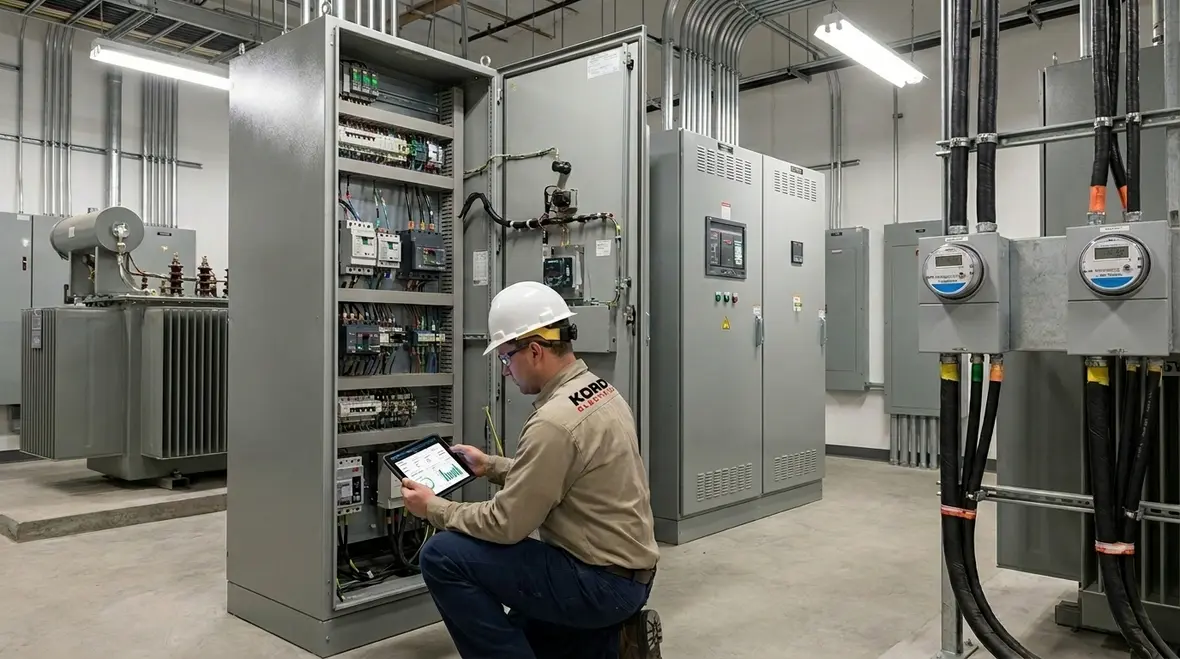
Commercial Electrical Load Management Guide
At Kord Electric, we focus on Commercial Electrical Load Management for modern commercial and industrial facilities, along with major property buildings that cannot afford downtime. In our experience, the smartest teams treat electrical capacity like a limited resource, not an endless “more power” button. As a result, they plan for how loads rise and fall across the day, how equipment cycles, and how systems age. Then, they align energy use with real operating needs instead of guessing.
In this article, our goal is simple: we explain practical strategies that keep facilities steady, efficient, and ready for growth. And yes, we may even crack a light joke along the way, because even electrical planning deserves a little personality. (Power bills do not, unfortunately.)
We also pull from our own guidance in Commercial Electrical Systems for Modern Buildings and translate it into load management actions that teams can use right away.
Commercial Electrical Load Management: Start With a Facility Load Map
When others look at electrical work, they often start with equipment lists. We start with behavior. First, our technicians build a load map that shows what the facility uses, when it uses it, and how strongly each area influences the main supply. This includes process loads, lighting, HVAC, refrigeration, elevators, EV charging, compressors, and any specialty systems that run in cycles.
Next, we identify peak windows. Some facilities peak on shift change, others during lunch, and some spike during maintenance routines when multiple systems run at the same time. Then, we compare that pattern to the available capacity at the service entrance, switchboards, transformers, feeders, and panel boards.
Finally, we document both normal and abnormal conditions. For example, if a chiller starts under heavy load, or if a set of pumps runs during a fire test, the facility experiences a different electrical signature. With that information, Commercial Electrical Load Management becomes less guesswork and more control.
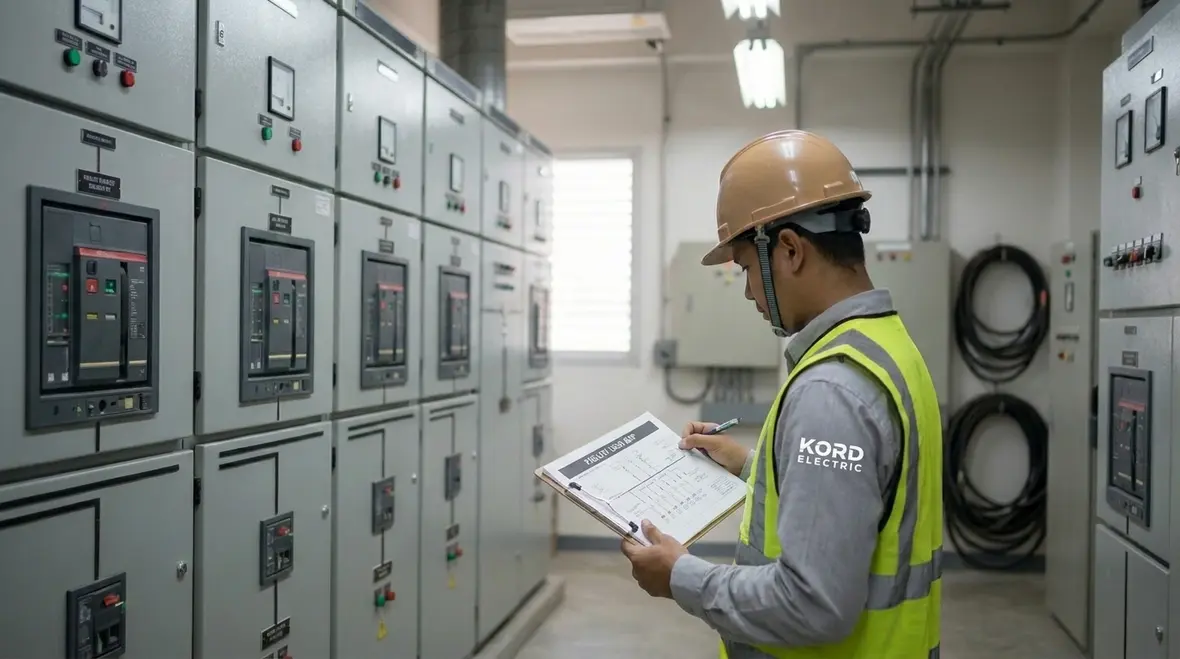
A good load map also creates a foundation for future projects. When facilities later explore upgrades such as commercial electrical systems for modern buildings, EV charging, or major process changes, they can reference the map instead of starting from scratch.
Modern Facilities Need Smart Monitoring, Not Just Better Breakers
Monitoring turns load management from a once a year project into an ongoing advantage. Therefore, we recommend metering and data collection at key points. That means measuring at the service level, then again where loads concentrate, such as large HVAC branches, production circuits, and critical life safety panels.
Once the data exists, we help clients use it. We look for patterns like repeated spikes, morning warmup surges, and seasonal drift. Then, we tune the plan based on what the facility actually does, not what the drawings assume it will do.
We often explain this in plain terms for managers and facility leaders during site walkthroughs. Our technicians will say something like, “Breakers protect the system, but they do not tell you why the system keeps getting heavy.” In other words, protection is the seatbelt, and monitoring is the dashboard.
For facilities that already struggle with voltage swings, flicker, or unexplained resets, data logging provides the missing context. It transforms vague complaints into clear charts that point toward root causes.
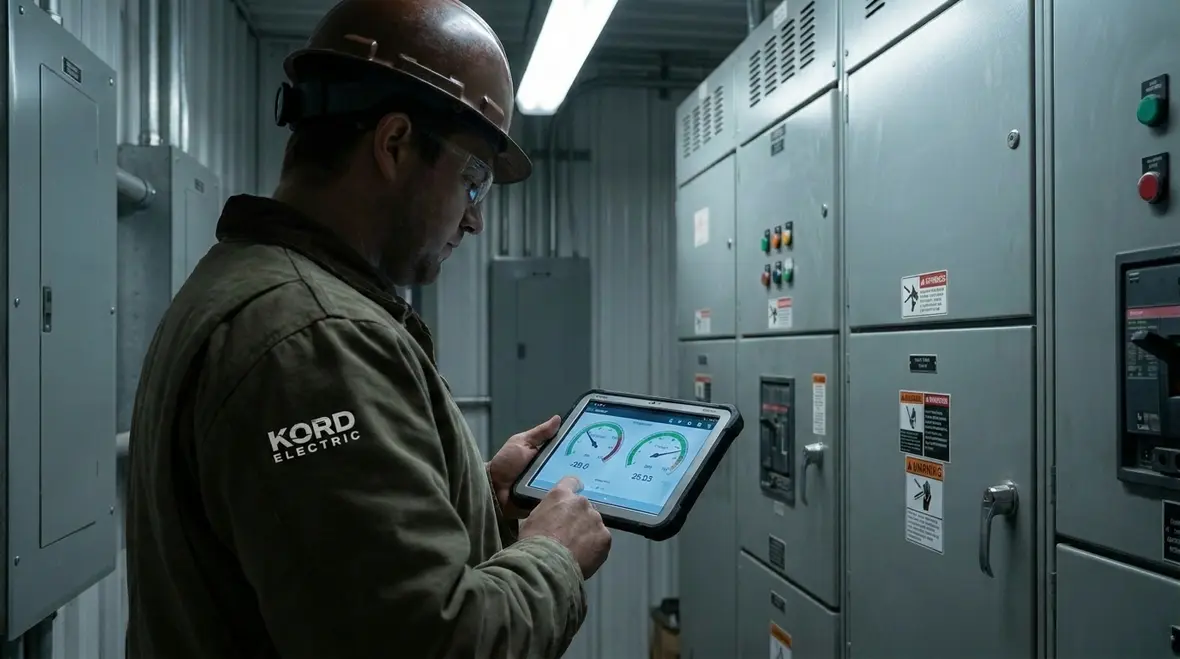
When monitoring reveals persistent issues—such as unstable voltage or repeated nuisance trips—teams often pair their Commercial Electrical Load Management strategy with focused support for problems like voltage fluctuations in commercial and industrial facilities. That combination of insight and correction keeps systems steady instead of reactive.
How to Schedule Loads Without Slowing Down Operations
Scheduling saves capacity when you use it well. For many commercial and industrial facilities, the electrical peak comes from timing. For instance, multiple air handlers may start simultaneously, or variable frequency drives may ramp too fast during startup.
So we guide clients to stagger starts, enforce minimum restart delays, and coordinate equipment sequences. When a facility adds new equipment, we also review control logic so new loads do not “pile on” during the same seconds.
In addition, we help teams align maintenance cycles with electrical realities. Maintenance can be helpful, until it triggers a parade of startups. Therefore, we build schedules around reduced load periods when possible. And when a shutdown must happen during a high demand window, we plan mitigation steps in advance.
We also address demand response readiness where applicable. Some facilities can shift certain non critical loads while keeping critical processes running. That approach reduces strain on supply and helps avoid unnecessary upgrades.
For example, a property that installs large commercial ceiling fans or upgraded HVAC equipment might coordinate fan speeds, compressor sequencing, and air handler starts so they never spike simultaneously. The same planning mindset that supports projects such as commercial and industrial ceiling fan installation applies directly to smarter scheduling across the board.

Over time, these scheduling changes become part of a facility’s culture. Operators know which systems are allowed to start together, which must pause during peak conditions, and which are reserved for off hours whenever possible.
Optimize Power Quality to Reduce Hidden Energy Waste
Load management is not only about amps. It is also about power quality, because poor quality increases losses and stresses equipment. Harmonics, voltage unbalance, and frequent dips can cause motors to run less efficiently and drives to work harder.
To handle this, our team often starts with electrical quality studies. We review existing equipment like drives, UPS systems, and large power electronics that can inject harmonics into the system. Then, we recommend corrective actions such as filters, properly rated transformers, or adjustments to grounding and bonding practices.
As we explain it, “If your facility feels hot, noisy, and expensive, power quality might be the reason.” Think of it like a sitcom: everything looks fine until you notice the background character has been messing up the plot the whole time.
Meanwhile, we also check for aging components that quietly raise losses: loose connections, degraded insulation, and overheated terminations. Those issues often show up during thermal inspections and can worsen load profiles over time.
Many of these “invisible” problems align closely with the kind of hidden issues uncovered during structured preventive work. Facilities that invest in ongoing programs, similar to electrical preventive maintenance for commercial and industrial sites, tend to catch power quality trouble before it turns into expensive downtime.
When power quality improves, load behavior usually looks better on paper and on the floor. Motors run cooler. Breakers nuisance trip less often. And energy bills stop reflecting waste that no one can see but everyone pays for.
Design Upgrades That Expand Capacity Without Risky Guesswork
When teams need more capacity, they can do it the right way or the fast way. Fast usually costs more later. Therefore, Kord Electric approaches expansion with a careful sequence: assess, model, and then execute.
We review whether added capacity should come from new transformers, upgraded switchgear, rebalanced panels, or additional feeders. In many cases, reallocation of loads across existing panels and feeders reduces stress without new major hardware. Next, we validate the plan using load calculations and coordination checks to protect sensitive equipment and life safety systems.
Then, we design so the facility can grow. That can mean adding spare conduits, reserving breaker positions, and planning future HVAC or process equipment connections. In other words, we build in flexibility now, so the facility does not face a major electrical rebuild later.
Of course, we also respect schedule constraints. Our expert service staff coordinates installs to reduce disruption in occupied areas and during production windows. We keep the work focused on commercial and industrial buildings and major property facilities, because that is where the stakes are real.
Sometimes, an upgrade conversation begins with a specific trigger such as EV charging expansion, solar integration, or large scale rewiring. Whether the need centers on new equipment or long term modernization, Commercial Electrical Load Management keeps every decision grounded in real capacity and clear risk limits.
Protect Critical Systems While Balancing the Rest
A facility has layers: critical loads that must stay online, and non critical loads that can flex. A smart load management plan separates those groups clearly. We help clients define what counts as critical, such as life safety, emergency systems, certain control circuits, and data infrastructure.
Once those boundaries exist, we apply different rules. Critical loads receive robust protection and stable power supply. Meanwhile, other loads may shift timing, reduce cycling, or run at optimal settings when demand is high.
We also coordinate emergency power strategies when relevant. For example, if a facility uses generators, we evaluate load transfer behavior and startup sequencing. If multiple systems start at once after transfer, the generator can experience a steep demand step. Therefore, we help build a controlled restart plan so systems come online in an orderly way.
Our technicians explain these steps to facility leaders in meetings and on site. They do not talk like robots, and they do not hide behind vague language. They say what the plan does, why it matters, and how it reduces risk. That is how we keep the process calm, even when someone is understandably stressed about power.
In many cases, we also help clients decide which systems deserve priority for backup sources and which can safely shut down during an event. That clarity removes guesswork from fast moving decisions and keeps people focused on executing the plan instead of arguing over what to save first.
FAQ: Commercial Electrical Load Management
What Happens Next With Kord Electric
Commercial Electrical Load Management works best when a facility treats it like a living system. First, we help clients map real loads, then we measure what happens during operation, and finally we tune schedules, power quality, and distribution planning. If your facility is nearing peak limits, adding equipment, or seeing unexplained stress, we can review the electrical system and propose a practical path forward.
For properties planning deeper modernization—whether that includes solar integration, EV charging, or broad system upgrades—our guidance in topics like commercial electrical systems for modern buildings helps connect day to day load decisions with long term infrastructure strategy.
And if your organization is ready to turn that strategy into action, Kord Electric’s dedicated electrical preventive maintenance services give Commercial Electrical Load Management a real home inside your ongoing operations—so power decisions stay proactive instead of reactive.
Call Kord Electric today to schedule a site assessment and move from reactive power decisions to confident planning for commercial and industrial buildings.


