How to Implement a Redundant Power Supply in a Data Center
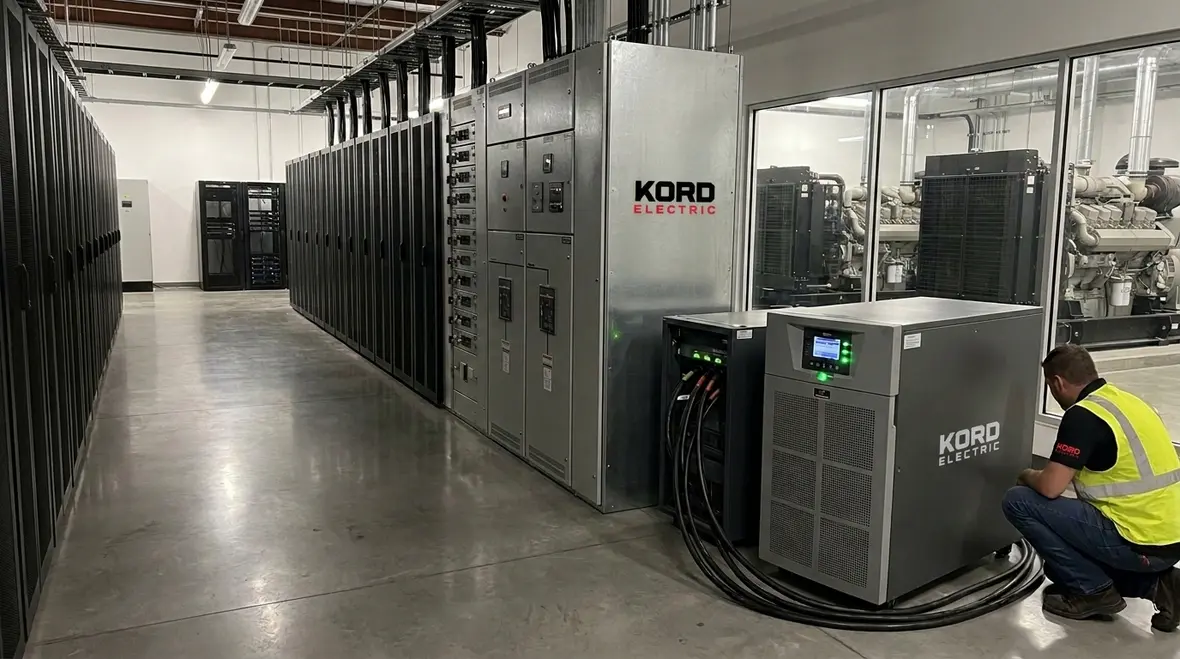
At Kord Electric, we help commercial and industrial teams sleep better at night by showing them how to implement a redundant power supply in a data center without turning the project into a science experiment. In this guide, we walk through the practical steps we expect our clients to take, from design to commissioning, and from load testing to maintenance planning. We also explain choices in plain language, because our technicians and expert service staff do not believe in hiding behind jargon. And yes, redundancy matters. The power grid can be moody, utilities can surprise you, and Murphy’s Law shows up uninvited like a late delivery. Still, with the right design, you can keep critical IT running when the lights would otherwise go out.
Why redundancy keeps uptime steady
When we talk about uptime, we do not mean a marketing number. We mean real seconds and real risk. In a data center, power is not just a utility. It is the bloodstream for servers, storage, networking gear, and the management layers that keep everything alive. Therefore, if a single path fails, the safest design prevents a full outage.
Redundancy does not happen by accident. We implement it by splitting risk. Instead of relying on one feed, one breaker set, one UPS string, or one transfer path, we build multiple independent routes for energy to reach the load. In addition, we make sure those routes can carry the workload under abnormal conditions. This is how facilities target outcomes like 99.999% availability, not by hoping but by engineering.
Also, we remind teams that redundancy is not only about “having extra.” It is about ensuring the extra is usable when it must be. That means correct switching, correct ratings, correct phase alignment, and correct testing. Otherwise, your backup becomes a backup in name only, like a spare umbrella you never open until it is raining hard.
Plan the power architecture before you buy equipment
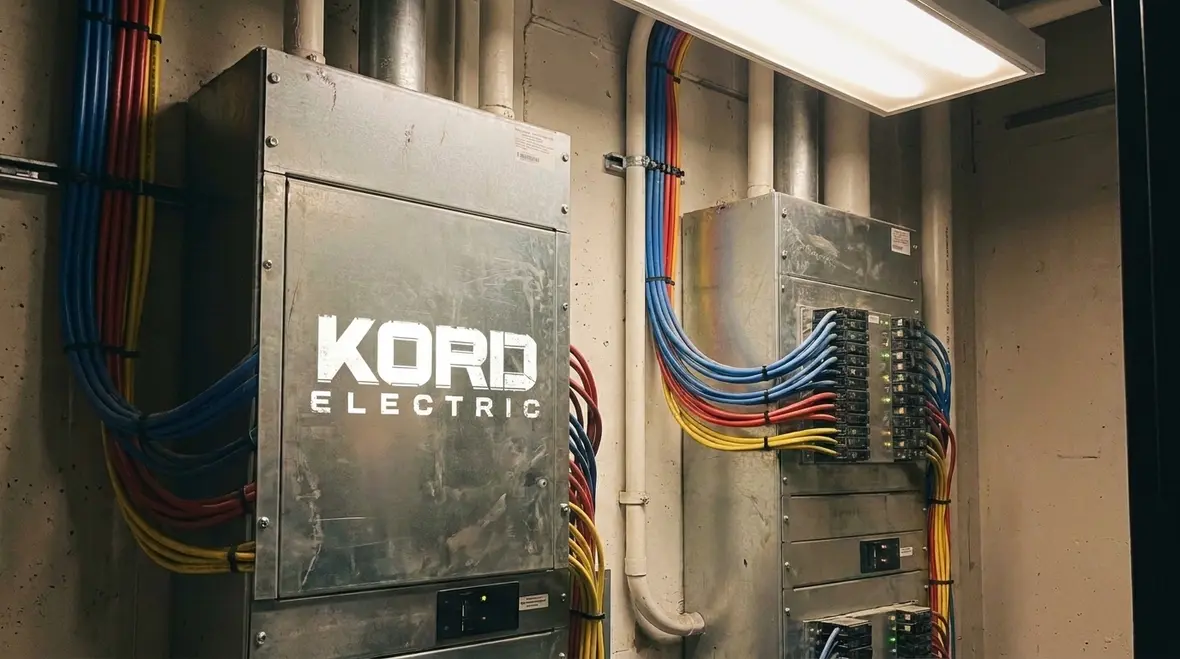
Before we select UPS models, generators, switchgear, or distribution blocks, we start with a load and risk plan. First, we categorize loads. Some loads can tolerate short interruption. Others must ride through micro outages. Then we map the power chain from utility entry to final distribution. After that, we decide where redundancy must exist and where it can stop.
For many commercial and industrial facilities, we find success with a layered approach. The most common approach combines redundant UPS capacity, redundant electrical distribution, and resilient transfer switching. At the same time, we plan for a safe maintenance mode, so technicians can service one path without forcing the entire operation offline.
Next, we verify that the architecture supports both normal operation and failure states. Therefore, we confirm the transfer logic, breaker interlocks, and the ability to parallel systems where needed. Our technicians often review single line diagrams and switching sequences with the client team. They explain what happens during each state, so operators do not guess under pressure. When people understand the process, the process works better.
In the Kord Electric blog post on data center power redundancy for 99.999% uptime, we outline how design decisions affect real availability. We connect architecture choices to outcomes, because the goal is not just redundancy on paper.
How to implement a redundant power supply in a data center, step by step
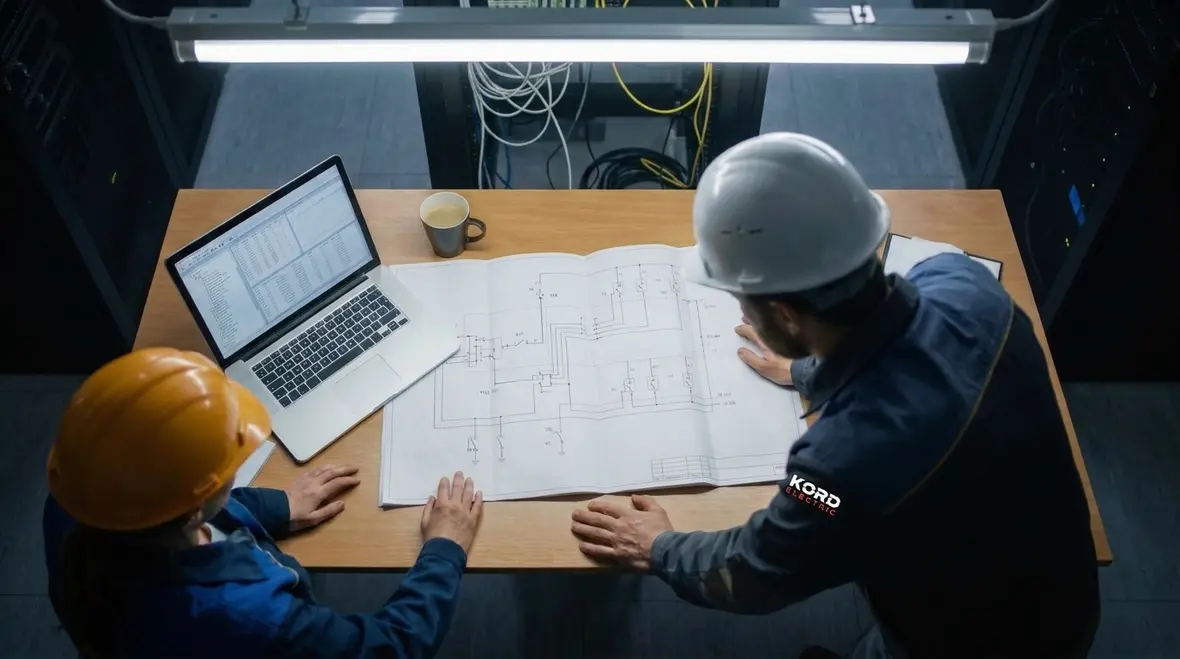
In this section, we lay out a clear path that our service staff follows with client teams. While every building has its own constraints, the sequence stays steady. Here is how we approach How to Implement a Redundant Power Supply in a Data Center so it performs when it matters.
Step 1: Create a load model
We inventory critical equipment, note startup behavior, and estimate growth. Then we define which loads sit on which UPS and which distribution rails. We do this early because oversights here cause the biggest headaches later. A UPS can handle the nameplate load and still fail if inrush or harmonic behavior pushes it beyond safe limits.
Step 2: Use dual power paths
We design two independent paths from the UPS output to the critical distribution. That usually means separate switchgear sections, separate bus structures, and a clear switching method for transfers.
Step 3: Choose UPS topology and sizing carefully
We size UPS systems for both runtime needs and system resilience. We also check battery strategy, maintenance windows, and how the UPS behaves during input transfer events.
Step 4: Build redundant transfer switching
When we add generators or utility feeds, we plan transfer switching so the critical load sees controlled, predictable transitions. We also ensure the control logic matches the electrical design. Otherwise, the system might “work” during tests and misbehave during real events.
Step 5: Coordinate with generator design
For larger commercial and industrial facilities, generators form an essential layer. We coordinate fuel strategy, generator ratings, ATS settings, and synchronization logic. In addition, we plan for startup timing so critical loads ride through.
Step 6: Implement physical separation and labeling
We separate pathways where it reduces the chance of a single incident affecting both sides. We also label circuits clearly. During an emergency, clarity wins. If you want a good joke, imagine a technician tracing the wrong conduit in a dark room. It sounds like comedy, but it is not funny when operations are at risk.
Step 7: Execute commissioning and functional testing
After installation, we commission the system with test procedures that mimic real disturbances. We verify transfer times, verify breaker behavior, confirm alarm and monitoring, and validate that each protection layer responds correctly.
Step 8: Set up maintenance and test schedules
Finally, we create a plan for battery testing, UPS diagnostics, generator checks, breaker inspections, and periodic transfer tests. Therefore, redundancy stays real over time, not just on day one.
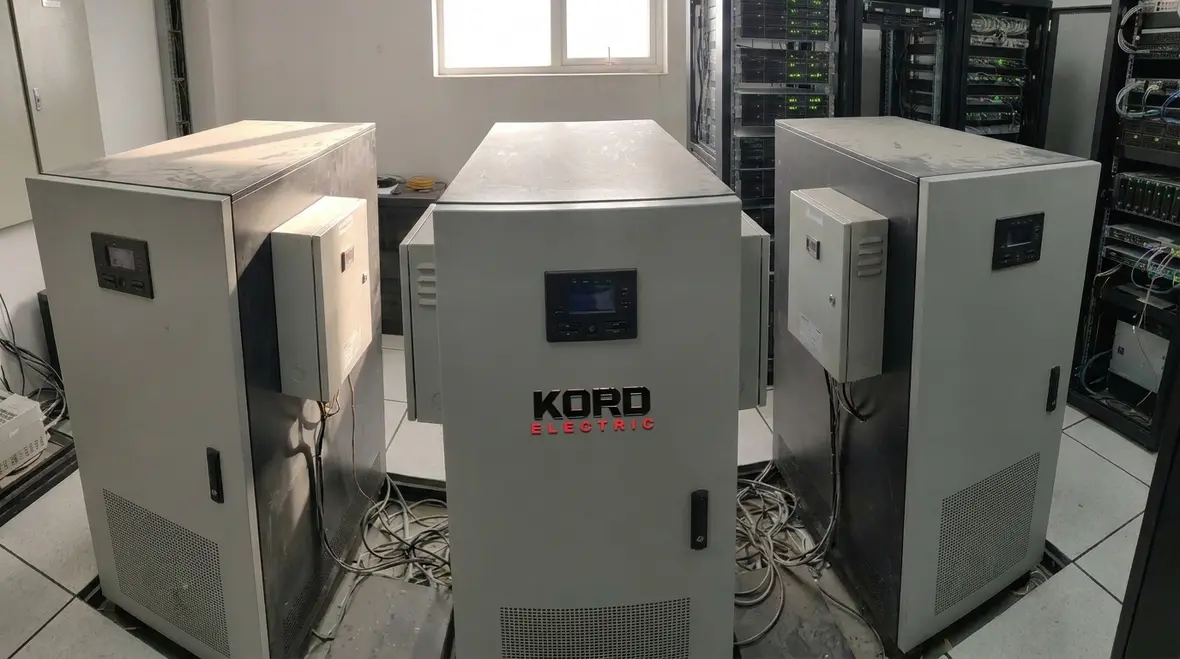
Switchgear, ATS, and control logic that does not surprise anyone
Many power projects fail for a simple reason. The electrical hardware exists, but the control logic behaves differently than the operators expect. Therefore, we focus on the entire switching workflow. That includes switchgear operation, transfer switches, and the sequence controllers that coordinate UPS and generator behavior.
We make sure each device interlocks properly. We also confirm that control settings match the one line diagram and that any changes during construction do not drift away from the design intent. Next, we test these sequences under supervision. Our technicians demonstrate what alarms mean and how operators should respond. When people understand the control logic, the system does not feel like a black box.
In addition, we keep monitoring aligned with operational reality. Operators should see meaningful status, not a wall of alerts that trains them to ignore everything. A well configured monitoring layer helps teams act faster and avoid unnecessary downtime.
And yes, we sometimes compare bad control design to a pop quiz. The first time you see it, you think you prepared. Then the questions show up, and suddenly you realize you did not. We prefer not to surprise anyone, especially in production environments.
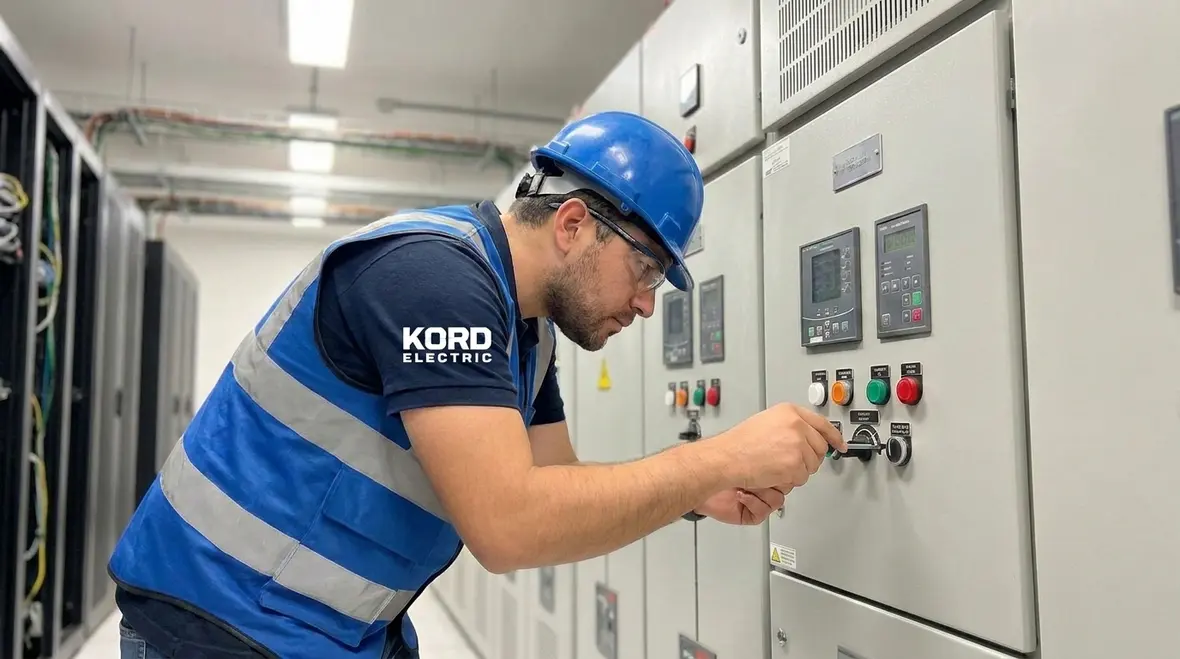
Generators and UPS coordination for long ride through
UPS systems protect critical loads for short durations, while generators can support longer run times. The challenge sits in the handoff. If the generator starts late or the system transfers at the wrong moment, the load loses power. Therefore, we coordinate generator timing, load acceptance behavior, and the transfer sequence.
We validate ramp up, voltage stability, frequency control, and synchronization rules where applicable. Then we confirm that the UPS can bridge the transition while still staying within safe limits. As a result, the system handles the full event without forcing a reboot wave.
For commercial and industrial buildings, we also consider fuel availability and maintenance practicalities. We help teams plan for inspections and refueling windows that fit real operations. We do not treat redundancy as a one time purchase. Instead, we treat it as a living system that needs upkeep.
When clients want a target like 99.999% uptime, the coordination details matter. Small timing mismatches can become large operational losses. Our expert service staff walks through the coordination plan and explains what teams should watch during test events, so the first real test is not the first real failure.
Monitoring, alarms, and test plans that keep redundancy honest
Redundancy without visibility turns into a silent gamble. Therefore, we build a monitoring plan that matches how the facility runs. We integrate status for UPS, switchgear, transfer devices, generator signals, battery health, and runtime indicators. Then we define alarms with clear priority levels so the right people respond quickly.
In parallel, we design test plans. We define functional tests that verify transfers, generator start performance, and UPS behavior under load. We also schedule battery health checks and inspections of key components. This is where our technicians shine. They do not just run tests. They explain results and recommend adjustments when data points show drift or abnormal behavior.
To keep engagement light, we tell teams: redundancy is like a seatbelt. You do not need it every day, but when you need it, you want it to work immediately. Monitoring and test plans make sure it does.
Importantly, we also plan for maintenance modes. That means we can service one path while the other path carries critical loads. Therefore, your facility does not pause business while we do our job.
Operations and training for facility teams
A robust power system depends on people who understand it. We provide documentation and structured training for operators, electricians, and facilities staff. We walk through normal operation, maintenance mode, and abnormal event behavior. After that, we align roles. Who confirms an alarm? Who initiates a procedure? Who coordinates with operations management?
We also coordinate with the client’s safety practices and lockout procedures. That matters because power equipment sits near high risk. Therefore, training must include the practical steps that prevent accidental errors during maintenance or testing.
When teams know the system, they make fewer mistakes. And when they make fewer mistakes, the facility earns real availability. That is the business value behind all the technical detail.
For managers who want to see how redundancy planning fits into a wider reliability roadmap, it also helps to look at related topics like Kord Electric’s coverage of data center electrical solutions for reliability and uptime and broader system upgrades that keep distribution strong over time.
And when redundancy work becomes part of a larger facility upgrade, Kord Electric’s Los Angeles County electrical services for commercial and industrial facilities can support everything from targeted power reliability projects to wider modernization of panels, feeders, and safety systems.
FAQ
Conclusion
If you run a commercial or industrial data center, power redundancy cannot be vague or delayed. We at Kord Electric help you plan, design, install, and verify a resilient system with clear switching logic, coordinated UPS and generator behavior, and realistic testing that supports 99.999% targets. Next, we can review your current single line diagram, load profile, and maintenance plan, then recommend upgrades that fit your downtime limits and budget. Contact us now, and let our expert technicians build redundancy you can trust.
If you are planning broader upgrades around your backup systems, our team can also align this work with services like emergency power design, preventive maintenance, and modern electrical infrastructure improvements, building a path that keeps your data center calm during the next unplanned event.
For facilities that want a single partner to handle design, installation, and ongoing support, you can explore how our regional team supports commercial and industrial properties through our dedicated Los Angeles County service coverage, from detailed redundancy planning to long term electrical reliability programs.