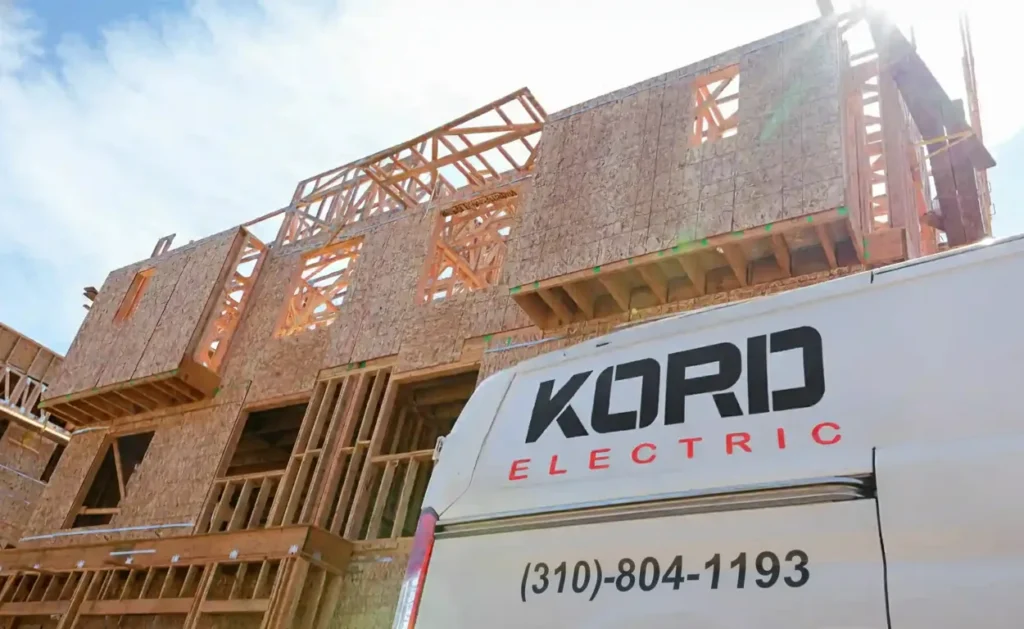
Who Can Evaluate Electrical Capacity for New Tenant Loads
Who Can Evaluate Electrical Capacity for Building Upgrades & New Tenant Loads? In commercial and industrial buildings, this question matters the moment a lease changes, a new tenant signs, or an upgrade plan hits the table. Kord Electric steps in when property owners and facility teams need clear answers about capacity, service size, and infrastructure readiness. After all, nobody wants to discover that the “smart” machines they bought for production or HVAC upgrades behave like a toddler at a buffet. They want too much power, all at once.
In this guide, we explain who should evaluate electrical capacity, what the evaluation actually includes, and how our expert service staff helps decision makers move forward with confidence. Also, we keep the process practical, so the building upgrades do not turn into expensive surprises.
Who should evaluate electrical capacity before upgrades happen
Third person, straight to the point: trained electrical professionals should evaluate electrical capacity for commercial and industrial facilities, especially when upgrades involve new tenant loads, expanded operations, or heavier equipment. That includes the main service, distribution system, and key panels feeding critical areas. In most cases, only a qualified electrical contractor or engineer with real field experience can do this safely and accurately.
At Kord Electric, our technicians and expert service staff conduct this work for major property buildings and industrial sites. They do not rely on guesswork, and they do not “eyeball it.” Instead, they follow a method that respects code, load behavior, and the real condition of the existing equipment. And yes, they check things even when the building manager says, “It was fine last time.” Last time does not power the next ten years.

What the evaluation should cover in commercial and industrial buildings
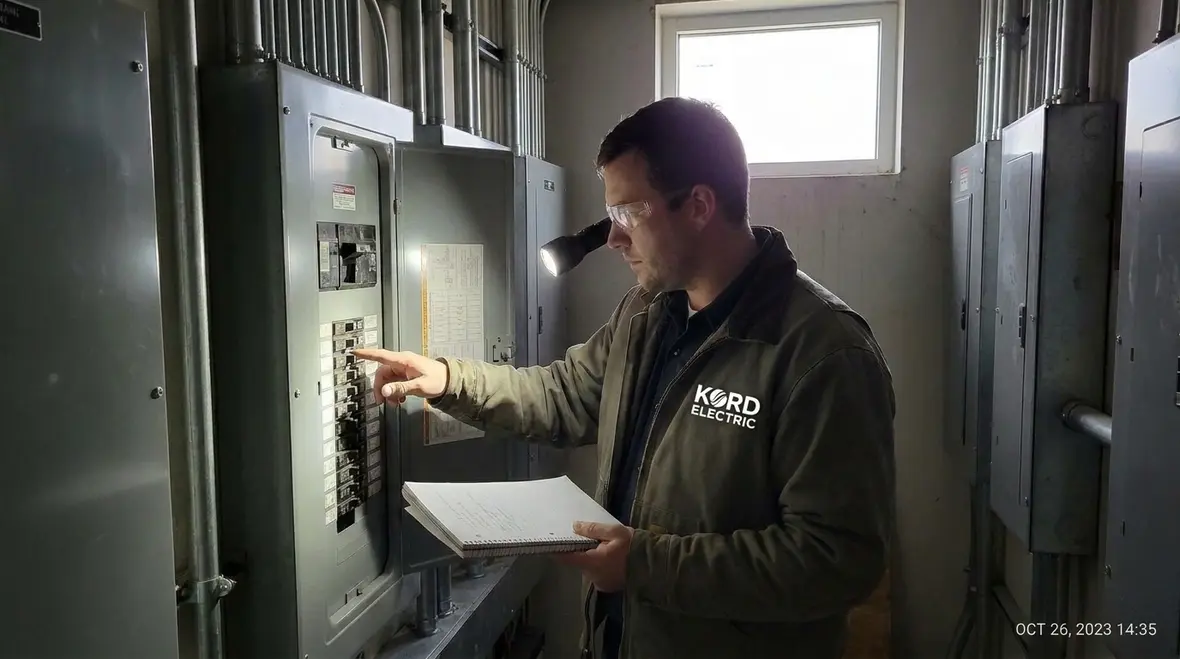
A proper capacity evaluation goes beyond reading the label on a utility disconnect. Therefore, the assessment usually includes several layers. First, it reviews the existing service entrance and main switchgear or panels. Next, it maps distribution feeders, panel schedules, and loads that already exist. Then it verifies whether protective devices, conductors, and bus ratings align with current and future demand.
In many upgrade projects, the “gotcha” comes from how loads behave. New tenant equipment can include motors, process systems, data centers, large HVAC systems, battery chargers, EV charging, or specialty manufacturing tools. These loads can spike, cycle, and run at partial loads in ways that steady, nameplate calculations miss. So, a solid evaluation should consider both connected load and likely operating conditions.
Additionally, the evaluation should look at power quality and system stability. Voltage drop matters. Harmonics matter. If the building has existing sensitive loads, the new tenant can push the electrical system into a less stable region. In other words, the lights might stay on, but the equipment might complain quietly, like a singer who hates the microphone setup.
Why power demand is not just a math problem
Others often treat electrical capacity like a simple subtraction: existing load minus available capacity equals a clear “yes” or “no.” However, in commercial and industrial settings, capacity behaves more like a weather forecast. It depends on timing, operating patterns, and equipment characteristics.
For example, motor-driven equipment can create inrush current when equipment starts. That surge can stress breakers and bus bars and can also cause voltage dips that affect other areas. Meanwhile, variable speed drives and modern electronics can add harmonics that heat conductors and degrade performance. Over time, aging components can also lower performance even if the load math seems acceptable.
To address these realities, Kord Electric uses an evaluation process that ties the building’s electrical infrastructure to the actual upgrade plan. Therefore, when our expert service staff explains the results, they also explain what the numbers mean in the field. We translate electrical terms into decisions a facility lead can act on, so the upgrade team does not get lost in a spreadsheet maze.
How Kord Electric technicians verify capacity and infrastructure
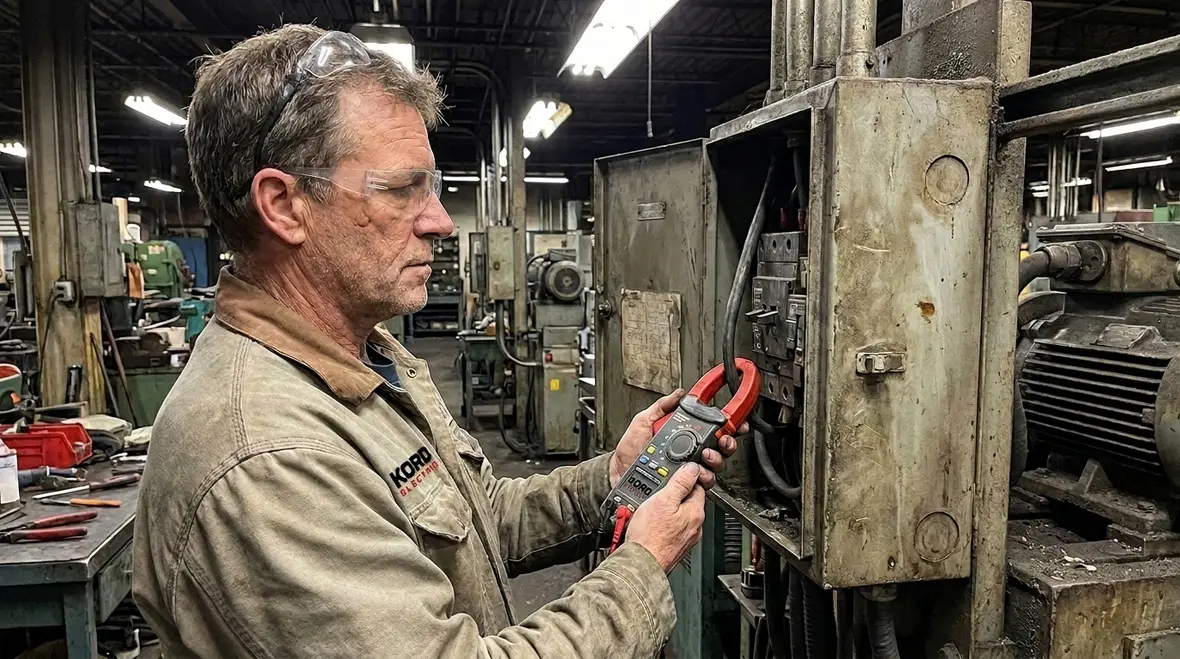
Kord Electric performs evaluations with a practical workflow that helps property owners and commercial stakeholders make timely calls. First, our technicians review the available electrical drawings and electrical one-lines. Then they confirm installed ratings in the field, including breakers, switchgear, transformers, and major feeders.
Next, they evaluate load categories for the building and the new tenant scope. That includes general lighting, HVAC, plug loads, dedicated process circuits, and motor loads. Then we consider future growth or phased expansions, because upgrades rarely stop at the first tenant improvement.
After that, our team checks power distribution paths and protective device coordination. We look for bottlenecks in panelboards, switchgear sections, and feeder runs. Finally, we identify whether upgrades should include service increases, transformer changes, switchgear additions, or selective panel and feeder modifications.
Along the way, our expert service staff explains findings clearly. If a system requires additional capacity, we say it directly. If a smaller upgrade can solve the issue, we recommend the most efficient option. Nobody needs a quote for work the building does not require, and nobody needs an upgrade plan that ignores the existing infrastructure.
For additional context on upgrading commercial service capacity, our team aligns its approach with the principles discussed in Upgrading Commercial Electrical Service Capacity. We focus on the full picture, not isolated components.
Common upgrade scenarios that trigger a capacity reassessment
Most major property buildings run on predictable patterns. Yet, commercial and industrial changes can still force a reassessment at inconvenient times. Therefore, Kord Electric commonly sees capacity evaluations requested when certain scenarios appear.
- A new tenant moves in with equipment like HVAC expansion, manufacturing tools, warehouse systems, or specialty process loads.
- Existing tenants expand operations such as adding shifts, increasing production, or upgrading to higher capacity machinery.
- EV charging systems get added or expanded across a site, which can increase demand beyond typical load profiles.
- Data and communications upgrades occur alongside power hungry cooling and rack expansion.
- Renovations touch mechanical systems where boilers, chillers, or large air handling units add new electrical demand.
- Power quality complaints show up as nuisance tripping, overheating, or voltage issues that suggest the system cannot support new load behavior.
Also, even if the utility service looks “big enough” on paper, the building distribution may not support the new tenant circuits without changes. In that case, capacity exists at the utility level, but the internal infrastructure still becomes the limiting factor. That is when the building upgrades stall and stakeholders start asking questions that sound like, “Why did we do this the hard way?”
Planning for upgrades, timelines, and coordination with tenant work
Once the evaluation defines the electrical needs, the next step involves planning. Good planning reduces downtime, controls cost, and protects tenant schedules. Kord Electric helps coordinate upgrade work so commercial and industrial facilities can keep operations stable.
First, we align upgrade scope with the tenant improvements. Then we review how and when the work can occur. For example, some projects require partial shutdowns, while others can be staged to keep critical circuits active. Therefore, our expert service staff explains phasing options so stakeholders understand what can remain on and what may need temporary power adjustments.
Second, we consider permitting and inspection requirements based on the project type. In commercial and industrial settings, compliance and documentation matter because these buildings serve many people and systems. Third, we address upgrade design choices that support future growth. Even if the immediate tenant change seems small, the electrical system should not become a dead end for the next set of improvements.
And yes, sometimes the best upgrade plan feels like a sitcom plot where the schedule keeps changing. Yet with careful coordination and clear electrical planning, the project team stays ahead instead of reacting.
If you are coordinating tenant buildouts and capacity checks together, it may help to review related insights in Kord Electric’s article on Commercial Tenant Improvement Electrical Planning, Wiring & Inspections, which shows how tenant timelines connect to upstream distribution and capacity decisions.
FAQ: Electrical capacity for building upgrades and tenant loads
Next steps: get the right capacity answer before you commit
When a new tenant or a building upgrade plan moves forward, Kord Electric helps you avoid guesswork and protect your infrastructure. Our technicians and expert service staff evaluate electrical capacity for commercial and industrial facilities, explain what the results mean, and recommend the right next steps. If you are planning upgrades, expanding operations, or preparing for major tenant load changes, contact Kord Electric today. We will review your project scope and map a clear path, so your electrical system keeps pace with your goals.
For property owners and managers who want capacity checks to align with a broader roadmap, you can also connect this work with Kord Electric’s Los Angeles County electrical services for commercial and industrial facilities, so tenant improvements, service upgrades, EV charging, and maintenance plans all move in the same direction.
If you are asking yourself, “Who Can Evaluate Electrical Capacity for Building Upgrades & New Tenant Loads?” and you need answers grounded in field experience, code knowledge, and practical scheduling, Kord Electric is ready to help you plan, verify, and upgrade with confidence.