Electrical Asset Management Support for Commercial Facilities
At Kord Electric, we provide Electrical Asset Management Support for Commercial Facilities so your electrical systems stay reliable, safe, and easier to budget. Others often treat maintenance like a guessing game, but we treat it like a process. We help commercial and industrial facilities, and major property buildings, track what they own, understand how it behaves, and plan work before small problems turn into big downtime.
In this guide, our expert service staff walks you through how we support your asset programs, from field data to decision making. Also, yes, we do explain things clearly. If you have ever stared at a panel schedule like it was written in ancient runes, you are not alone.
What electrical asset management really means for commercial sites
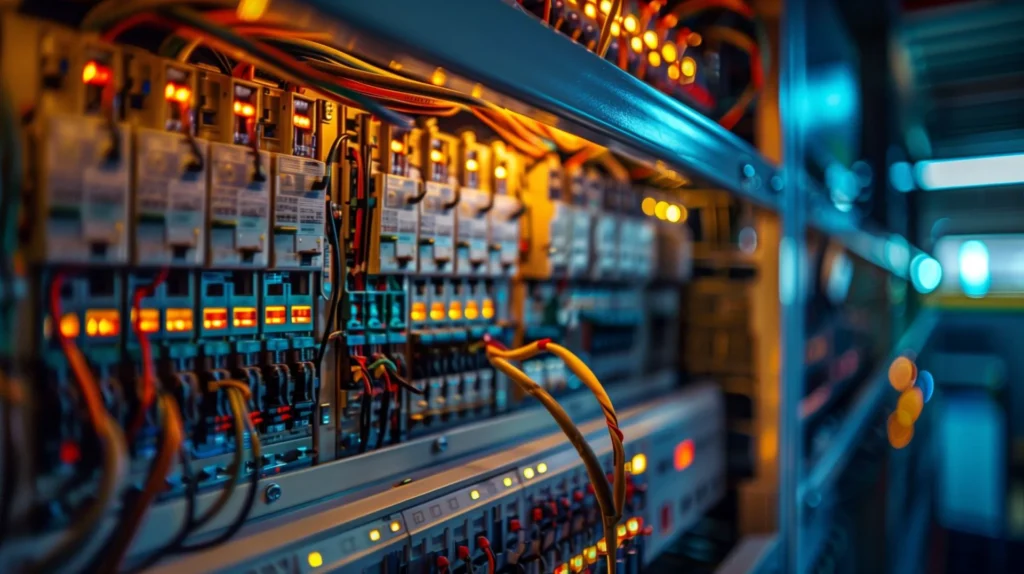
Electrical asset management is not only about keeping lights on. We focus on the equipment that drives your operations: switchgear, transformers, feeders, switchboards, switchgear controls, motor control centers, emergency systems, and protective devices. In addition, we connect these assets to your real business needs such as uptime, safety, and compliance.
When facilities manage electrical assets well, they reduce surprise failures. Therefore, teams spend less time reacting and more time planning. Moreover, better asset records improve service quality because technicians can arrive with the right context, not just a toolbox and hope.
In our approach, we build a system view. That means we do not only list equipment. We also consider age, condition, operating history, and what each asset supports in your building. Think of it like knowing the cast of a movie before the plot gets complicated. Nobody wants to hear “Wait, who is that?” at 2 a.m.
How we support electrical asset programs from inventory to action
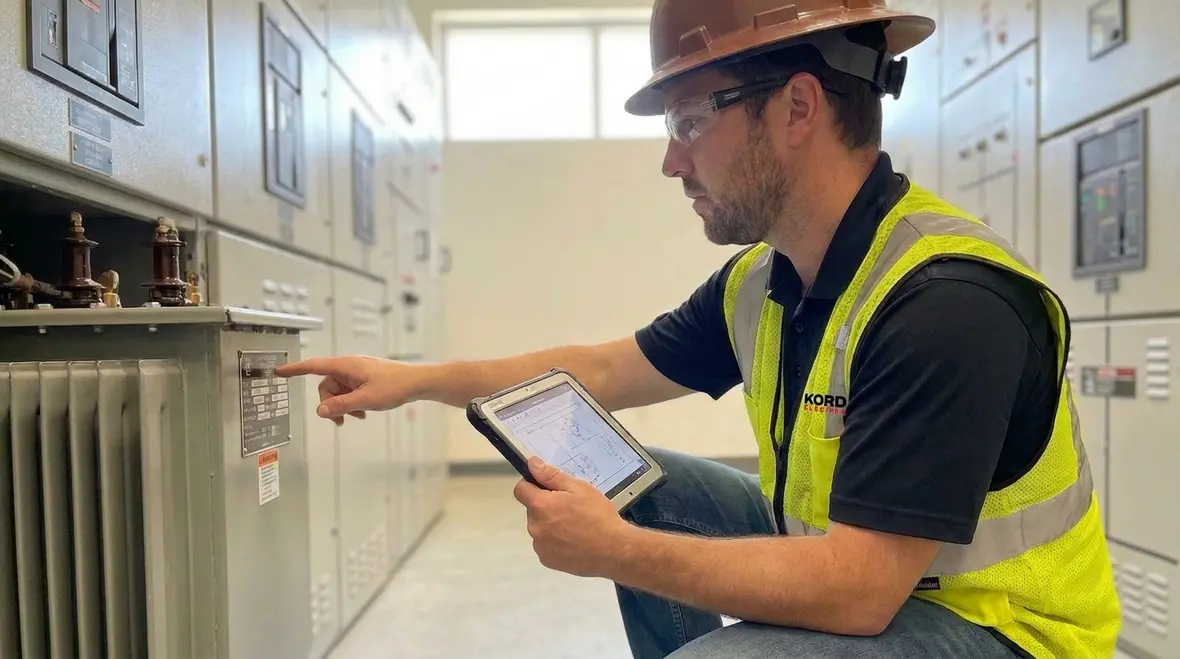
Many facilities have partial equipment lists. Then they add notes when something breaks. However, that creates gaps, and gaps cost time. First, we help our clients build an accurate inventory. Next, we connect the inventory to maintenance planning and service workflows.
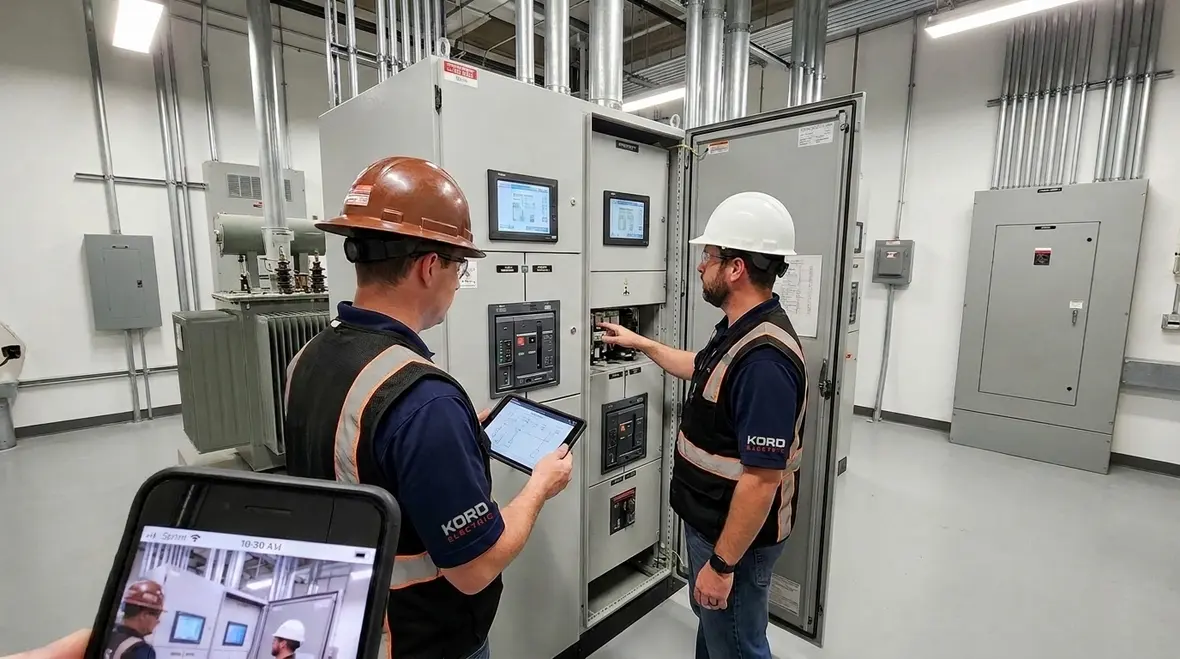
At Kord Electric, our technicians and expert service staff explain each step in plain language. We ask questions, we review your existing documentation, and we verify critical details in the field. After that, we help you set up a practical path from “asset exists” to “asset gets maintained.”
To keep decisions clear, we also support categorizing assets by risk and impact. For example, we treat assets tied to life safety functions and main power pathways with extra care. Then we align maintenance frequencies and inspection methods to the actual behavior of the equipment, not a generic schedule pulled from thin air.
Because asset data touches so many parts of a facility, this inventory and planning work pairs well with our broader guidance on organizing records. For example, our Electrical Distribution Equipment Data Management for Commercial Facilities article shows how structured records turn into faster troubleshooting, smoother projects, and fewer “mystery panels” hiding in the background.
Why asset data quality controls maintenance cost and reliability
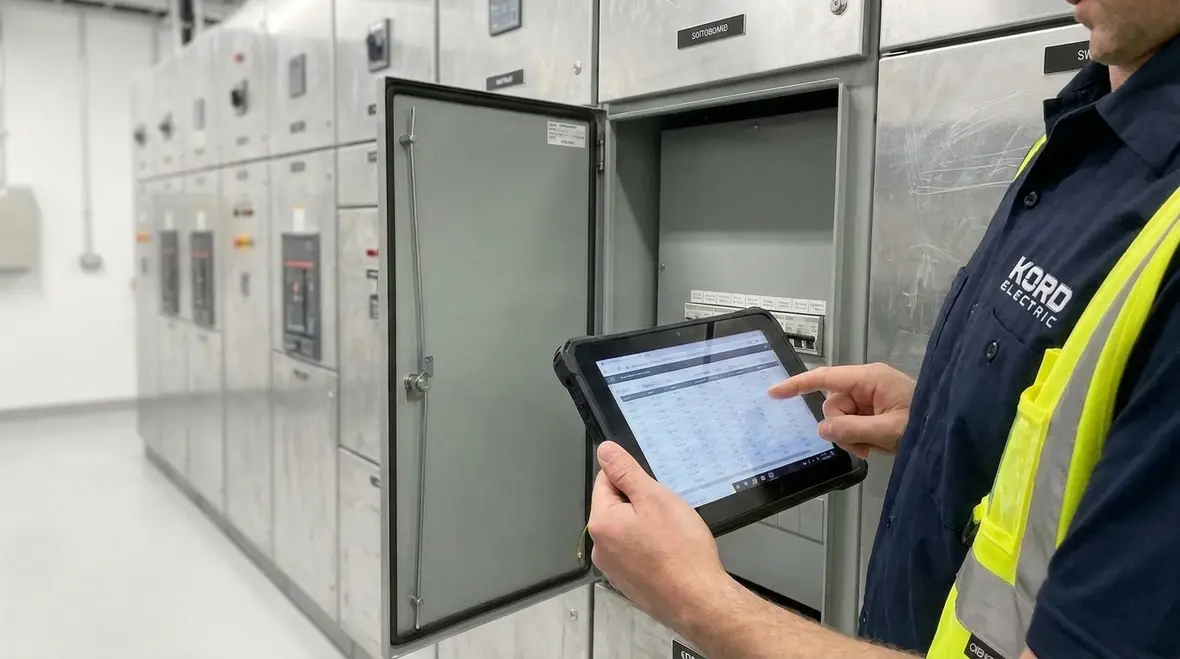
Good data turns maintenance into a plan. Bad data turns maintenance into a debate, and nobody enjoys debating with a countdown timer in the background. In commercial and industrial settings, data quality affects everything: response time, warranty claims, spare part readiness, and root cause analysis.
When we work with your team, we look at accuracy first. We verify model numbers, nameplate details, locations, and single line connections. Then we confirm service history and performance notes. After that, we organize the data so technicians and managers can use it without hunting through folders.
Additionally, we help translate data into actions. Asset management support works best when it helps you answer operational questions quickly, like which feeders run which processes, and what switchgear sections feed which loads. Therefore, your team can prioritize inspections where the evidence points to risk, rather than where urgency just happens to land.
Our expert service staff also explains tradeoffs. We show what you gain by improving records, and we point out what you should not overbuild. The goal is steady improvement, not a data project that takes longer than the equipment it models.
This data focused work connects directly with long term planning. When you are ready to zoom out from day to day records and think about lifecycle strategy, our electrical distribution equipment data management guidance and our dedicated electrical system asset management guide help translate field data into capital plans that make sense over years, not just this quarter.
Risk based planning for switchgear, transformers, and life safety
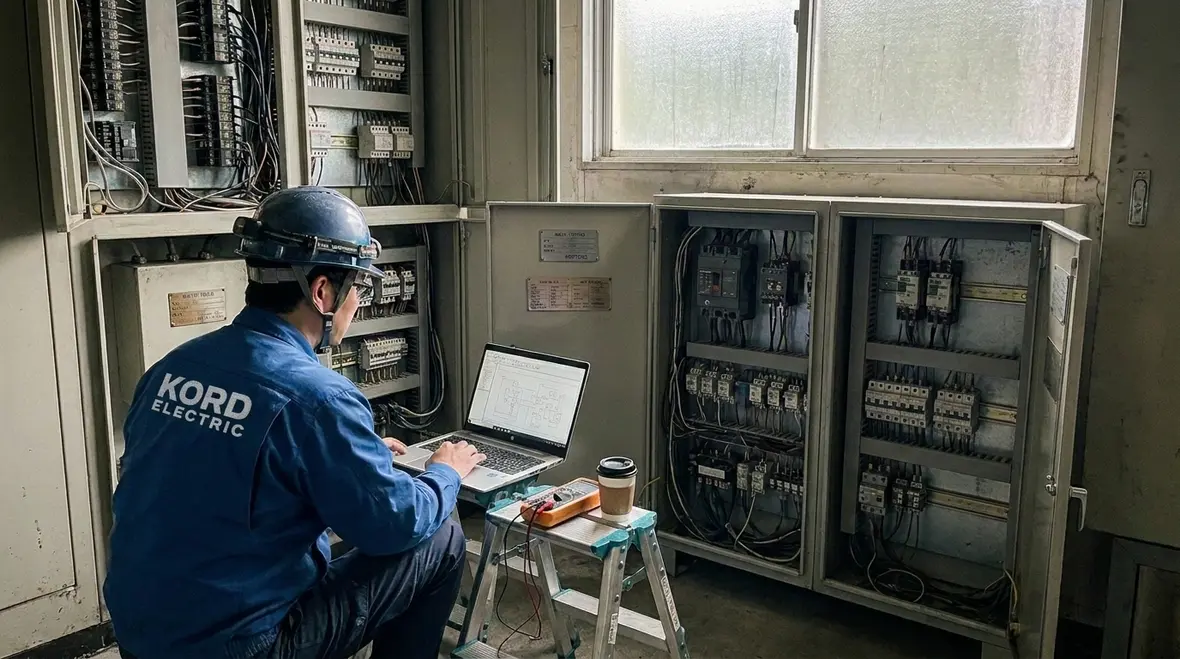
Facilities need a method to decide what gets attention first. Otherwise, maintenance becomes evenly distributed pain, which is not a strategy. We use risk based planning so electrical asset management support targets what matters most.
For commercial and industrial facilities, we commonly focus on:
- Switchgear and switchboards: inspection of breakers, bus condition, control power, and protective relay behavior
- Transformers: loading history, thermal stress signs, oil or insulation condition when applicable
- Motor control centers: component condition, heat effects, contact wear, and selective torque concerns
- Protective devices: coordination review, trip performance notes, and event logs
- Life safety power paths: verification of emergency transfer and essential loads
Then we translate those focus areas into clear inspection intervals and maintenance tasks. For example, we may suggest more frequent checks where you see recurring alarms, abnormal load changes, or past findings. In contrast, stable systems with documented good performance can receive appropriately scaled efforts. This prevents over maintenance and protects budgets.
Our technicians show the reasoning during service visits. Also, when we recommend an inspection step, we explain what it reveals and how it helps you decide what comes next. That way, you do not just get work performed. You also get understanding that helps you manage the next decision cycle.
Integrating documentation, inspections, and service history for clearer decisions
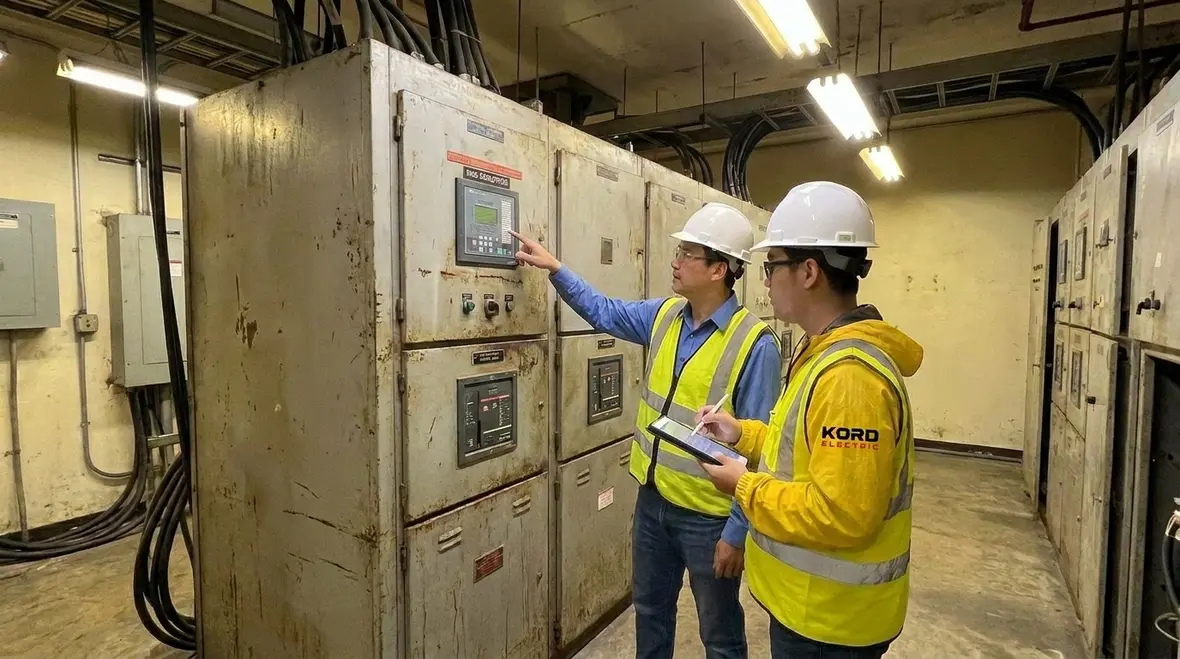
A strong program needs three things to work together: documentation, inspection results, and service history. When these pieces connect, facility leaders can plan with confidence. Otherwise, they collect data without turning it into operational value.
Kord Electric supports integration by organizing your electrical records so people can find them fast. We help align what drawings say with what the field shows. Then we connect inspection outcomes to the assets that matter. After that, we capture service events in a consistent format so trends appear over time.
As an example, consider a feeder that feeds a critical process. If you record only “outage happened,” you learn very little. However, if you record what protective device tripped, what readings looked like, and what maintenance addressed the issue, you build a trail that supports root cause analysis. Therefore, future work becomes smarter, faster, and less expensive.
Our expert service staff also explains how to keep documentation from becoming stale. We recommend a simple cadence: update records after major work, confirm key changes, and use standardized notes during inspections. In other words, we help you keep the story current. Because nobody wants the plot twist of “that panel was replaced, but nobody updated the paperwork.” That twist always lands at the worst time, like a sitcom character showing up late with no explanation.
For many facility teams, this kind of integration sits alongside broader reliability improvements. If you are already planning upgrades around emergency power, surge protection, or outage response, our articles on topics like emergency power for business continuity design and preventing commercial power surge damage in buildings show how electrical asset records support those projects instead of lagging behind them.
How maintenance schedules get smarter with real performance signals
Schedules should not exist only to fill calendars. We support maintenance planning that uses real performance signals so your work stays relevant.
Performance signals can include event logs, alarm trends, measured load patterns, and condition observations from inspections. When we review these indicators, we help you adjust priorities. Then we align tasks such as torque verification, thermal checks, insulation assessments, and control system verification with actual operating needs.
Moreover, we help facilities avoid common traps. Some sites schedule tasks at fixed intervals even when conditions shift. Others do not record changes after upgrades, so the next planning cycle uses outdated assumptions. Because electrical equipment responds to heat, load, and environment, your maintenance plan should evolve as those conditions change.
We also support decision making for shutdown planning. If a building must coordinate downtime for upgrades, our technicians help map which assets will be exposed to service windows. Then we align inspections and targeted work within the outage, which often reduces repeat mobilization. It is like bundling errands. You still do the work, but you do it in fewer trips.
When these schedules tie into a broader strategy for your property or campus, you also gain regional support. Our dedicated Los Angeles County electrical services team, for example, helps local commercial and industrial sites sync planned outages, inspections, and capital projects so the schedule on paper matches the way crews and tenants actually operate.
Electrical Asset Management Support for Commercial Facilities: what success looks like
Success in commercial and industrial facilities means you move from reactive service to planned reliability. We define it in practical outcomes, not buzzwords.
Here is what many clients notice after consistent support and field verification:
- Faster troubleshooting because technicians access accurate asset details
- Fewer unexpected failures due to risk based maintenance
- Clearer budgeting because planned work replaces surprise emergencies
- Better compliance readiness through consistent inspection records
- More confident decisions during equipment upgrades and shutdown planning
Additionally, our expert service staff keeps communication simple. We explain findings, show options, and recommend next steps aligned to your building priorities. We do not push generic packages. We support the electrical asset management effort that fits your operating reality.
Because at the end of the day, everyone wants the same thing: stable power, safer equipment, and fewer late night calls. We just help you get there with a calmer process than “wait and see.”
For facilities that want to extend this success into broader planning, our Electrical System Asset Management Guide walks through how asset data, maintenance decisions, and long term budgeting work together. Pairing that resource with on-site Electrical Asset Management Support for Commercial Facilities gives your team both the playbook and the field support to keep improvements moving.
FAQ
Call Kord Electric for Electrical Asset Management Support
If your electrical maintenance feels like constant firefighting, it is time to build a program that supports reliability. Kord Electric helps commercial and industrial facilities improve asset records, align inspections to risk, and turn service history into clearer decisions. Our technicians and expert service staff explain each step so your team understands the “why,” not just the “what.”
Contact us today to discuss your electrical assets, your current documentation, and the next practical steps toward steadier power performance. If you are planning broader upgrades, our regional Los Angeles County electrical services for commercial facilities team can align asset management, maintenance work, and project schedules so your improvements land in the right order and with less stress for your operations staff.
Whether you are just starting to catalog your switchgear or you are ready to connect detailed asset records with capital planning, Kord Electric is ready to support your Electrical Asset Management Support for Commercial Facilities program with the same calm, methodical approach we bring to every complex commercial project.