How to Organize EV Charger Installation for Commercial Properties
At Kord Electric, we focus on commercial and industrial facilities, plus major property buildings. And when our team plans How to Organize an EV Charger Installation for Commercial Properties, we do it like a calm, well rehearsed play. You bring the right actors, line up the equipment, and keep the audience safe. That is how we organize the process before a single cable gets pulled through a conduit like it is escaping a haunted house.
In this guide, we walk third person through our real method: from site review to permits, from electrical planning to contractor coordination, and from commissioning to ongoing support. Also, yes, our technicians explain things in plain language. Others may talk like the manual wrote itself. We do not. We keep it steady, clear, and built for business realities.
Define scope, goals, and ownership before anyone touches a tool
First, our expert service staff helps others define what success looks like. Then we match the charger plan to the building’s role in the community and the daily flow of people and vehicles. A hotel garage behaves differently than a warehouse dock area. So we start with a clear scope that includes charge type, expected usage, and who pays for electricity.
Next, we list ownership and responsibilities. Who schedules service calls? Who maintains access areas? Who owns the electrical upgrade if demand grows? When these answers come early, we avoid a messy situation later. And believe us, nothing ruins morale like arguing over payment terms while the electrician is standing there with a perfectly good breaker in hand.
Finally, we document the objectives in a simple plan. This aligns facility management, property owners, and any tenant stakeholders. It also keeps the installation team from guessing, which is the fastest way to turn a project into a season finale you never asked for.
Use a commercial checklist to sequence site work and reduce delays
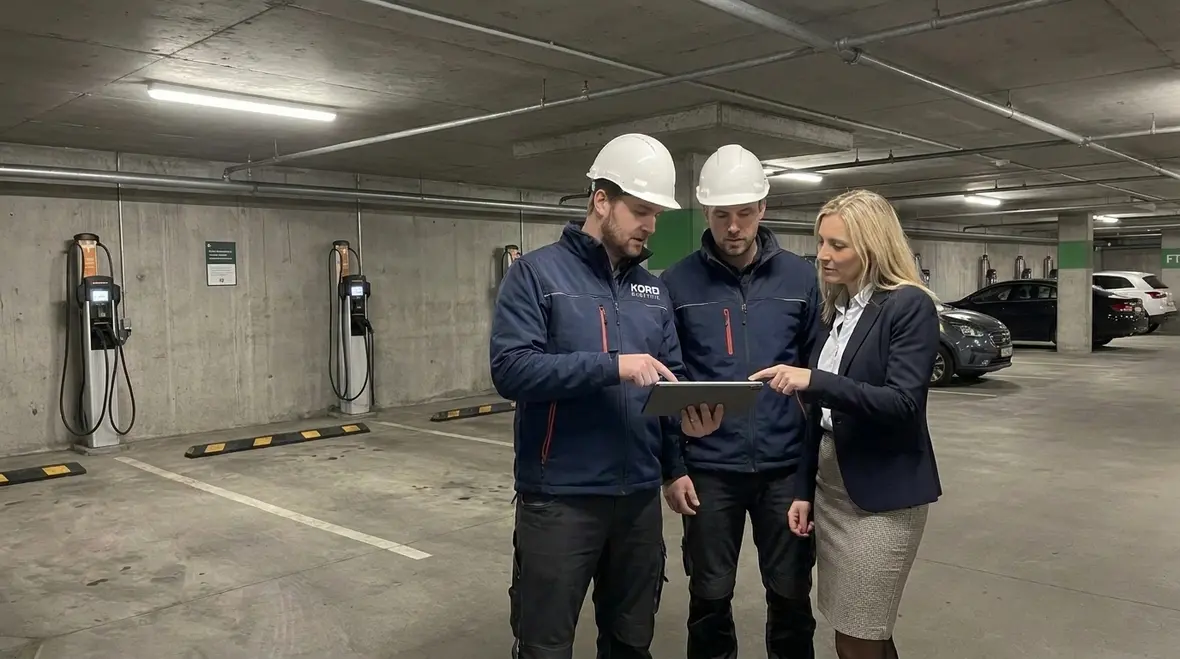
Once goals are defined, we organize the installation like a timeline. To support this step, we follow the thinking in our Kord Electric commercial EV charger installation checklist. We do this so tasks land in the right order: survey, electrical assessment, permitting, civil work, equipment delivery, installation, and testing.
Then we assign responsibilities. Our team coordinates with facility staff and any outside trades so the charger plan does not collide with ongoing maintenance schedules. Additionally, we verify parking layout, signage needs, and safe routes for EV drivers. At this stage, we also confirm whether any areas need upgrades for cable management, weather protection, or bollards.
As a result, the work stays predictable. And predictability matters. It keeps tenants happy, keeps operations running, and stops delays that make calendars feel like enemies.
How to plan electrical capacity, load management, and power delivery
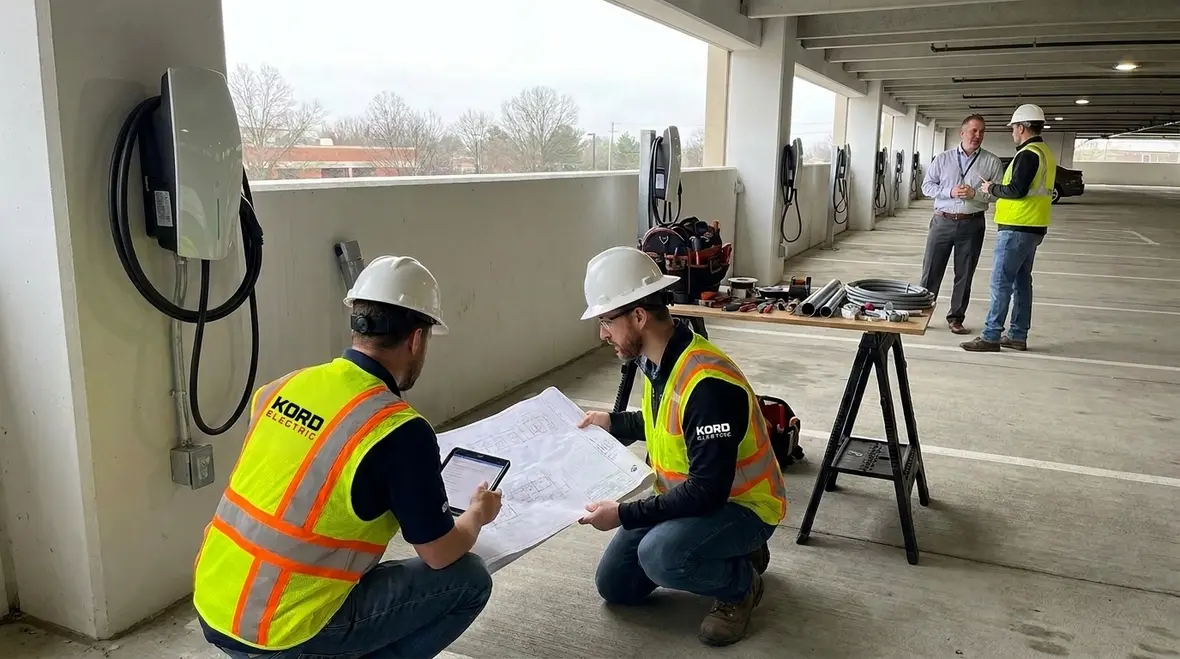
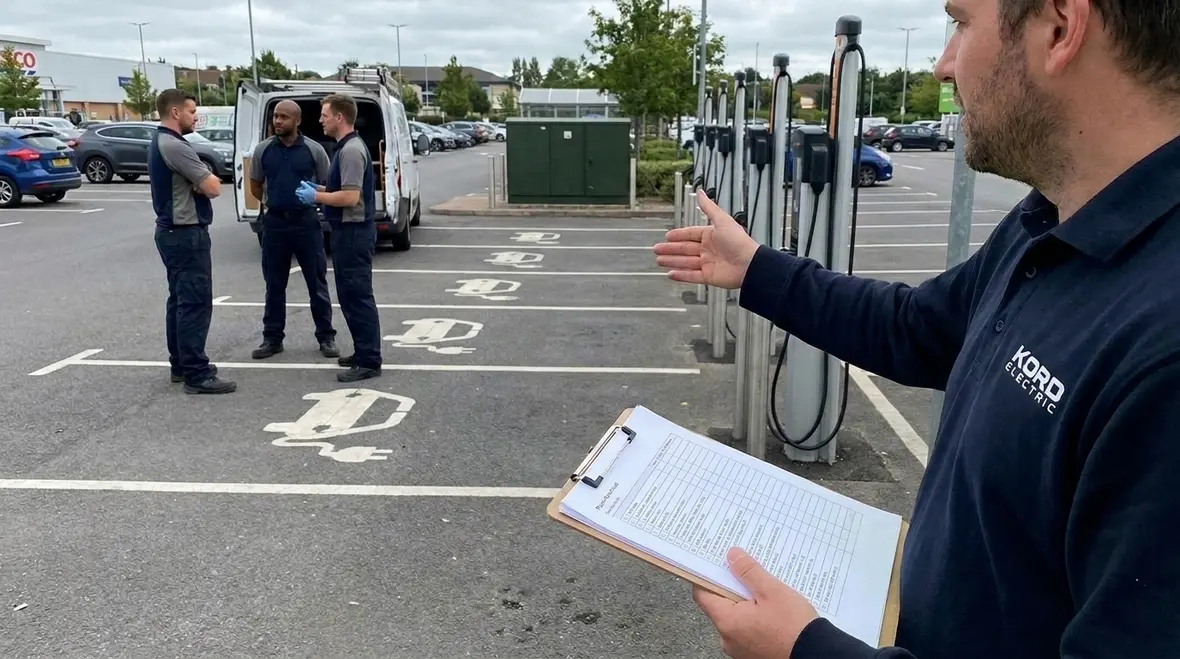
Planning electrical work comes next, because the chargers must work reliably, not just during the first week. So we review the site’s existing electrical service, panel capacity, feeder capacity, and available space for new equipment. We also evaluate transformer limits, voltage drop, and expected charger demand under real parking patterns.
Then we design load management when the site needs it. For commercial and industrial facilities, shared capacity is common. Therefore we can plan charger output so the system distributes power efficiently during peak times. This helps avoid service upgrades that cost more than they should, while also protecting equipment.
At the same time, our technicians verify grounding, surge protection needs, and proper routing for conductors. We also check how power will reach each charger location, considering conduit routes, overhead or underground runs, and access constraints.
Finally, we test the plan against practical realities. So even if the design looks perfect on paper, we confirm it fits the building. Our expert service staff explains each design choice to stakeholders, so others understand what is happening and why.
Coordinate permits, utility requirements, and inspections without surprises
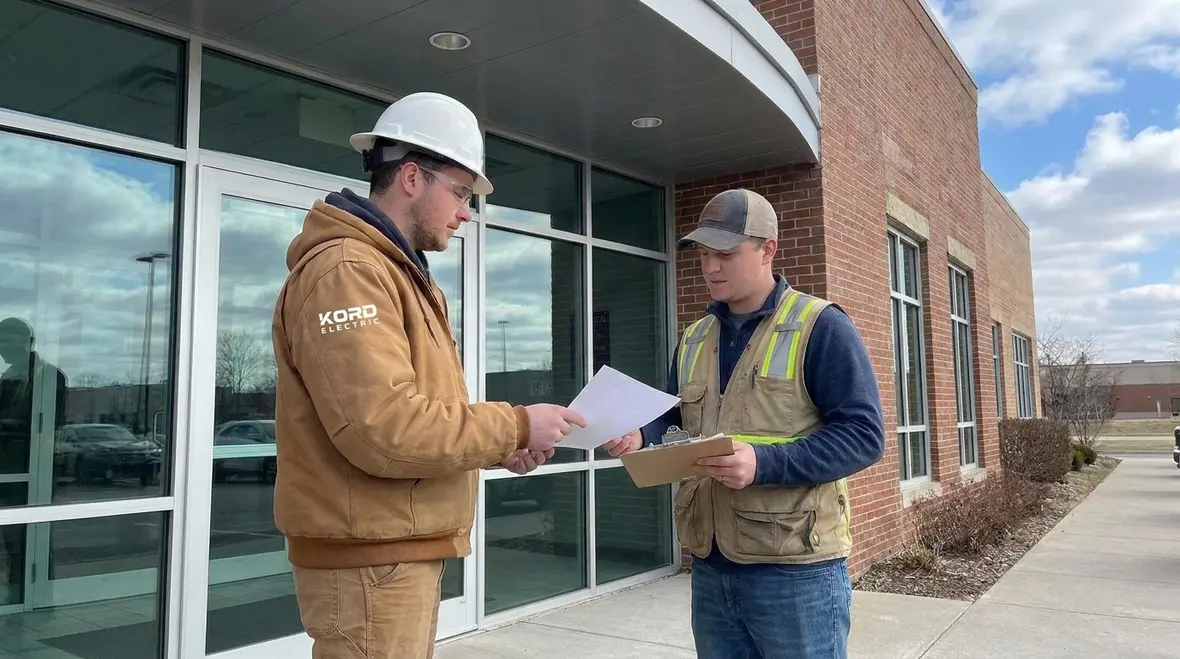
In many projects, permitting and utility steps determine the schedule. So we treat these tasks as part of the core plan, not as an afterthought. We confirm permit requirements for the charger equipment, electrical work, and any civil modifications. Additionally, we prepare documentation early so inspectors receive what they need without a last minute scramble.
Then we handle utility coordination when required. Some sites require service upgrades or utility approvals, and these steps can take time. Therefore we map out the lead times for equipment, switchgear, and any utility submittals.
As inspections approach, we keep the site ready. We coordinate access, ensure work areas stay safe, and confirm labeling and documentation are present. That way, others do not show up to a stalled inspection because a single detail was missing. Nobody wants that kind of drama, and it is rarely fun even in a movie.
Plan layout, signage, and safety so drivers can use chargers confidently
Even strong electrical design fails if the user experience breaks down. So we organize the layout with driver behavior and site rules in mind. We review parking patterns, stall dimensions, vehicle turning radii, and how drivers will approach each charger.
Then we plan for cable routing and physical protection. We use strategies like conduit management and protective hardware where needed to reduce risk from vehicle impact. Additionally, we design spacing and placement to support safe access. This matters for both peak operations and day to day convenience.
Next, we address signage. Clear signs prevent confusion and reduce the number of “can we park here” conversations that waste time. We also consider wayfinding for visitors, employees, and delivery drivers, especially at larger buildings.
Finally, our technicians explain safe use rules to facility contacts. So others understand what to check, who to call, and how to keep access paths clear. That is how we reduce downtime from preventable mistakes.
Schedule delivery, install, and commissioning with clear ownership
After layout and electrical design finalize, we sequence installation work and equipment delivery. Then we verify the site conditions match the plan: clearances, conduit pathways, grounding points, and mounting locations. We also confirm that the installation team has the right materials on hand, because waiting on a missing component can turn a short job into a long one.
Next comes installation. Our technicians install chargers and electrical components using documented methods and safe work practices. As work progresses, we keep stakeholders informed on progress, photos when useful, and what comes next.
Then we commission the system. Commissioning means more than turning on power. We test each charger for correct operation, verify communication and load behavior if load management exists, and check fault responses. We also confirm that users get reliable sessions and that the system reports status correctly.
Finally, we provide a handoff package to the facility owner or manager. This includes commissioning notes and operational guidance. Our expert service staff also explains the ongoing maintenance steps so the system keeps running like it should, not like it is playing hide and seek.
Project coordination snapshot
Planning step |
Kord Electric focus |
Site and electrical review |
We verify capacity, routing, protections, and build a realistic power plan. |
Permits and inspections |
We coordinate documentation and readiness so inspections move forward. |
Installation and testing |
Our technicians commission the system to confirm stable, safe operation. |
Handoff and support |
We explain operation and maintenance clearly for facility teams. |
Set up long term operations, maintenance, and reporting for uptime
Commercial and industrial facilities need uptime. So we plan for operations after the install, not just the grand opening moment when everyone takes a picture next to the charger.
First, we define maintenance responsibilities. That includes visual inspections, connector checks, firmware update approach if applicable, and cleaning or troubleshooting routines. Additionally, we plan how the site will handle incidents, such as a charger that stops working or a vehicle impact that damages hardware.
Then we confirm reporting needs. Many property managers want system status visibility for internal tracking. So we align the support process with how stakeholders want to receive updates. We also document key contact paths so decisions happen fast.
Finally, our expert service staff supports the facility team with training and clear guidance. They explain the next steps without confusing jargon. And that calm, no drama approach keeps the operation smooth.
For teams that want to connect EV charging projects to broader power planning, it can help to review related resources like Kord Electric’s guidance on commercial EV charging infrastructure planning and structured load capacity assessments. These perspectives help align charger rollout with the rest of your electrical strategy instead of treating it like a side quest.
FAQ
Final CTA from Kord Electric
If you are planning EV charging for a commercial or industrial facility, Kord Electric helps you organize the whole project with calm precision. We coordinate site planning, electrical capacity, permits, installation, and commissioning, and our technicians explain each step so your team knows what to expect. Reach out to us for an assessment and a practical plan built for your building schedule and power realities. Then, let’s get those chargers working reliably, like they were always part of the operation.
When you are ready to move from planning into installation, you can also review Kord Electric’s dedicated EV charger installation services and broader Los Angeles County electrical services to connect your charging rollout with panel work, preventive maintenance, and future upgrades under one structured plan.