EV Charging Readiness for Commercial Parking Lots Planning
At Kord Electric, we help commercial property owners build EV charging programs that run smoothly from the first site visit to the final load test. Our EV Charging Stations for Commercial Parking Lots: Electrical Planning Guide shapes how we plan capacity, wiring, and safety so your chargers perform well, even when demand rises. And yes, we plan for the future, not just for the moment when the first guest asks, “Where do I plug in?” Because that moment usually arrives faster than people expect. In this article, we explain what others often skip, how our technicians guide the process step by step, and how you can avoid costly changes after construction begins.
EV Charging Readiness for Commercial Parking Lots: a planning approach that actually works
Assessing the site, not just the charger count
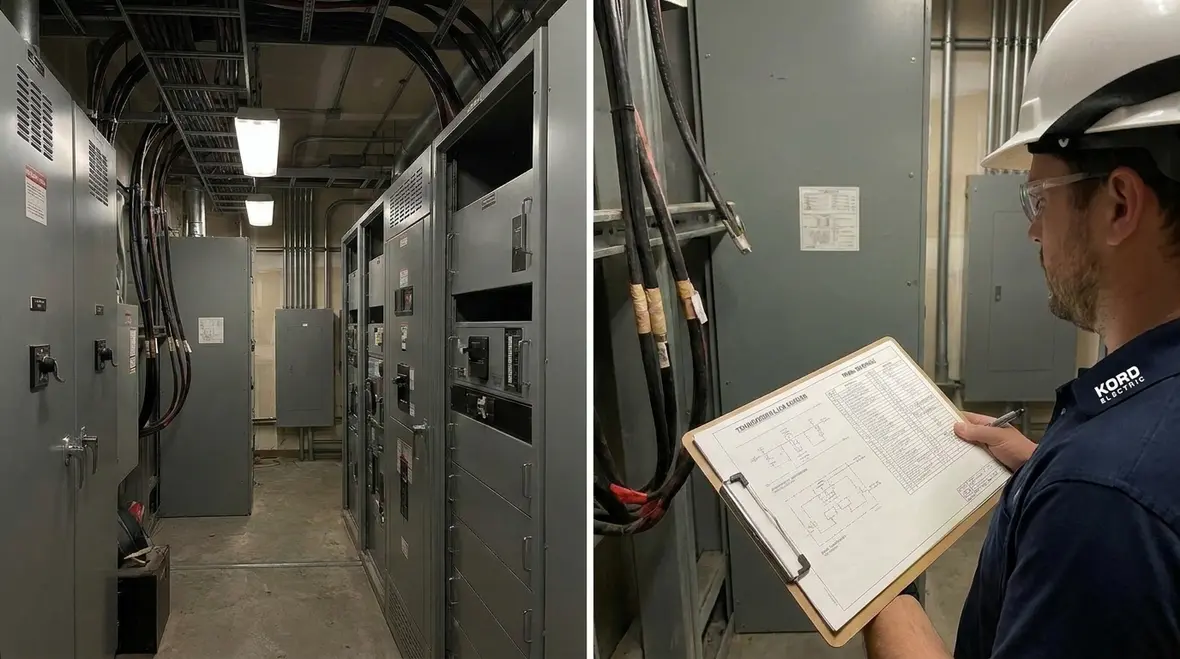
When a facility owner asks for EV Charging Stations for Commercial Parking Lots: Electrical Planning Guide style support, we start by looking at the parking layout, electrical room constraints, and how people will use the spaces. Then we align the charger plan with your real foot traffic and vehicle mix. In other words, we avoid the “install a few and hope” strategy that turns into a rework headache later. After all, nobody wants to chase a power problem across the parking field like it is a runaway shopping cart.
Our expert service staff evaluates the following, and we document it clearly for the project team:
- Where drivers will park and how often spaces will turn over
- Distance from the electrical service to each charging area
- Existing panel capacity, available space, and feeder routes
- Site lighting, conduit, and paving schedules that affect installation time
- Future growth expectations, including new tenants or expanded vehicle fleets
Next, we translate that information into an electrical concept that supports safe charging now and room for more later. We also help the owner pick a design that fits a major property building or commercial and industrial site, because those projects require more than simple “plug and go” thinking.
If you want to see how that approach scales across multiple facilities, you can explore Kord Electric’s Commercial EV Charging Planning Guide: Scaling Infrastructure With Confidence, which connects demand modeling, power planning, and long term operations into one strategy.
How we size electrical service and distribution for real demand
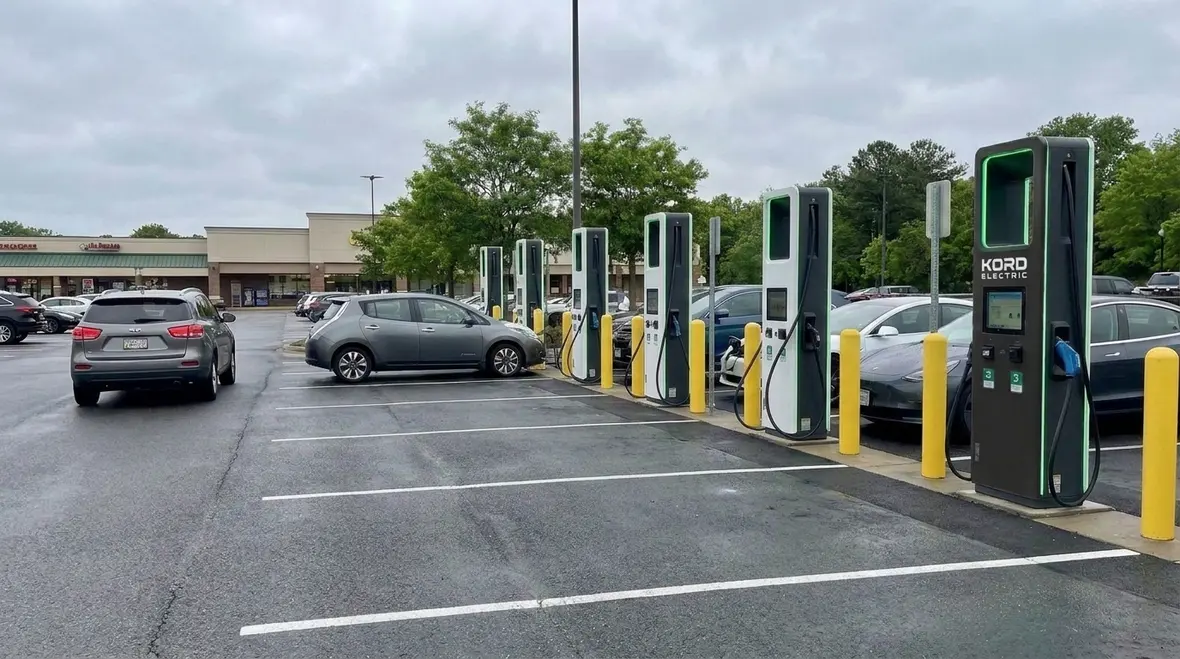
Most charging plans fail at the same point: power planning. A parking lot can look straightforward, but the electrical system is the heart of the project. So we focus on the service size, transformer limits, and how distribution devices handle continuous load. In addition, we consider that charging behavior changes throughout the day. For example, morning arrivals and lunch peaks can create demand spikes that your original plan did not expect.
Our technicians follow a clear method. First, we estimate load based on the number of charging ports and the expected use profile. Then we verify how the existing electrical system can support that load. Afterward, we design the circuit paths and protection so each charger operates safely, while the overall system stays within limits. At this stage, we often run load calculations and coordinate with utility requirements, because we do not build on guesses.
We also think about efficiency, since smart operation can lower stress on the electrical system. If the facility wants managed charging, we help configure it so the system balances power across active stations. That keeps operations stable and prevents the “everyone plugs in at once” scenario from turning into a business interruption.
For property teams thinking ahead to multi-phase rollouts, Kord Electric’s EV Charging Infrastructure Planning for Commercial Growth walks through how to connect today’s load decisions with tomorrow’s expansion plans.
Where to place chargers for access, safety, and smoother traffic flow

Good electrical design matters, but placement matters too. Drivers do not want to hunt for chargers, and facilities do not want chargers blocking access routes. Therefore, we plan charger locations based on vehicle patterns, ADA related needs where applicable, and safe maneuvering. We also coordinate signage and wayfinding so drivers understand how to use the stations without a scavenger hunt worthy of a sitcom.
For commercial and industrial buildings, we also consider:
- Ingress and egress patterns, including buses, fleets, or delivery schedules
- Clearances for parking, turning radius, and pedestrian routes
- Vandal resistant placement and protective bollards where needed
- Weather exposure and drainage around equipment
- Conduit routing that matches paving and site work sequences
As we finalize placement, our team explains the “why” behind each decision. One of our expert service staff members might tell the property manager, “If you move this conduit run six feet now, you avoid major demolition later.” And they are usually right, because future repairs always cost more than planning.
For a broader view of layout decisions beyond a single lot, our Commercial EV Charging Stations for Real Demand guide shows how site assessment and power mapping turn into real world charger locations that stay practical under busy conditions.
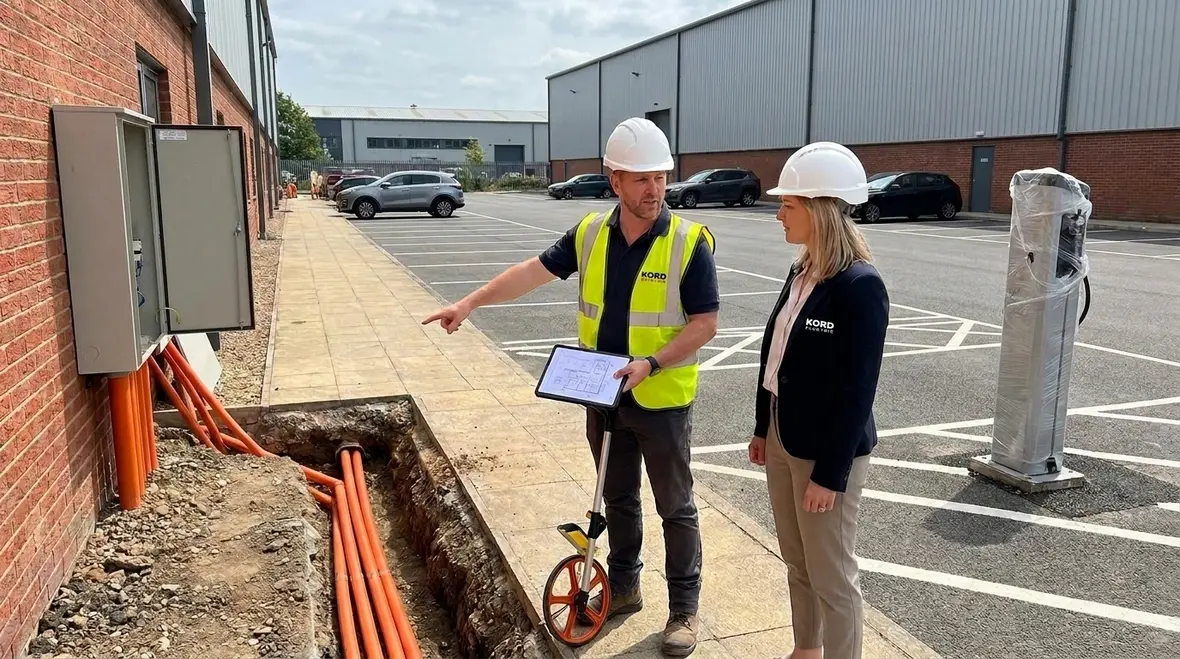
Conduit, trenching, and wiring decisions that reduce future headaches

After we confirm power availability and charger locations, we move into the physical installation plan. This is where projects either stay on schedule or drift into change orders. We build a conduit and trench plan that fits the site, the equipment, and long term maintenance needs. Because when the wiring path is clear and protected, troubleshooting becomes faster and cheaper.
We coordinate the electrical routing with civil work and we plan for:
- Proper burial depth and conduit specifications for outdoor conditions
- Penetrations and sealing methods that protect equipment integrity
- Routing that avoids avoidable conflicts with storm lines, gas lines, or utilities
- Spare pathways or space planning for future upgrades
- Labeling and as built documentation that helps service teams later
Then we address connector and cabinet layout so cable management stays neat. To be blunt, messy wiring looks bad and it makes service harder. Nobody wants to open a cabinet and feel like they are staring into the “before” photo from a home improvement show. Our technicians keep it organized so a later inspection or repair stays routine.
On projects where owners want a deeper breakdown of civil and electrical costs, pairing this article with the commercial EV charging installation cost insights in Kord Electric’s blog can help your team see how trenching, conduit, and expansion readiness all affect the budget.
Safety, code compliance, and commissioning for dependable performance
Charging stations must operate safely and reliably. That means we follow applicable electrical codes, use correct components, and confirm the system performs as designed. In addition, we verify grounding, bonding, and protection settings before we consider the work complete.
During commissioning, we do more than a quick power on. We test the system so it meets performance targets under expected load and we verify the installation details that impact user safety. We also review monitoring and control settings when the facility uses managed charging, because a well tuned system protects the electrical system while improving uptime.
Our expert service staff also takes time to explain the operation to the facility team. This matters because owners and managers need to understand how charging behavior works, what alerts to watch for, and how to handle routine questions. We keep it clear and practical, so people can run the system confidently, not like they just installed a smart device that came with a user manual written in riddles.
When you are ready to move from planning into build out, Kord Electric’s dedicated Los Angeles County electrical services for commercial and industrial facilities connect commissioning, safety, and long term support into one coordinated path.
Implementation timeline, utility coordination, and budget clarity
Commercial and industrial projects often face scheduling pressure. Therefore, we help owners plan the sequence so the charging system does not slow down the site work. We align procurement, construction, and inspections with the property schedule. We also communicate early about utility coordination, service upgrades, or meter changes when required, because surprises in the electrical scope never feel fun. They feel like when you pull up to a drive through and realize they changed the menu again.
From our experience, clear planning also improves budget confidence. We set expectations around electrical scope, trenching work, equipment placement, and future readiness. Then we explain options in business terms: what changes if you add more ports now, what changes if you plan for staged expansion, and how managed charging can support capacity goals.
Most importantly, our process centers on major property buildings and commercial and industrial facilities. That means we design for reliability at scale, and we handle the coordination needed for facilities with strict operational requirements.
If your team is mapping a multi-phase rollout strategy, Kord Electric’s EV Charging Infrastructure Scalability for Commercial Sites article pairs well with this readiness guide, showing how to keep budgets, timelines, and infrastructure aligned as demand grows.
FAQ for commercial charging projects
FAQ (featured snippet style)
What should we consider before installing chargers in a commercial lot?
Electrical capacity, charger placement, conduit routing, and safety testing all come first, because those factors control reliability.
Can we add more charging ports later?
Yes. We design future readiness by planning pathways, spare capacity, and expansion options from the start.
Do you handle utility coordination?
We coordinate utility requirements as part of the plan, especially when service upgrades or meter changes are needed.
Will EV chargers work during peak business hours?
They can, when the electrical system is sized correctly and settings support managed or balanced power during demand spikes.
Do your technicians explain how the system operates?
Yes. Our expert service staff walks clients through operation, alerts, and routine service expectations.
Final word from Kord Electric: build it right, then scale it
At Kord Electric, we design and install EV charging systems for commercial and industrial facilities and major property buildings with a focus on power planning, safe installation, and reliable commissioning. Because when you build with our EV Charging Stations for Commercial Parking Lots: Electrical Planning Guide approach, you gain capacity clarity today and expansion flexibility tomorrow. If you are planning a new installation or upgrading an existing network, reach out to Kord Electric. We will map the best path, then help you move forward with confidence.
To go deeper into EV Charging Stations for Commercial Parking Lots: Electrical Planning Guide style strategy, you can also review Kord Electric’s EV Charging Infrastructure Planning Guide, which connects planning, construction sequencing, and long term operations into one framework.
When you are ready to move from planning into action, Kord Electric’s commercial Los Angeles County electrical services team can help you scope, design, and build EV charging infrastructure that fits your operations today and scales for tomorrow.