Commercial Electrical Subpanel Load Balancing
Electrical subpanel load balancing that protects commercial power systems
At Kord Electric, we start with a simple goal: electrical subpanel load balancing that keeps commercial circuits steady, safe, and predictable under real building conditions. When a business adds new equipment, new tenants, or even just seasonal demand, the load on a subpanel can drift. As that drift grows, the panel can overheat, breakers can wear out early, and power quality can slip. Our technicians and expert service staff explain the “why” as they work, because this is not the kind of fix you want to guess about.
And yes, this is boring only until you remember that overheated breakers do not care about anyone’s weekend plans. They will trip, fail, or damage connections, and then the bill shows up. So we treat load balancing like a calm, well planned process, not a last minute fire drill.
Why load gets uneven in commercial and industrial spaces
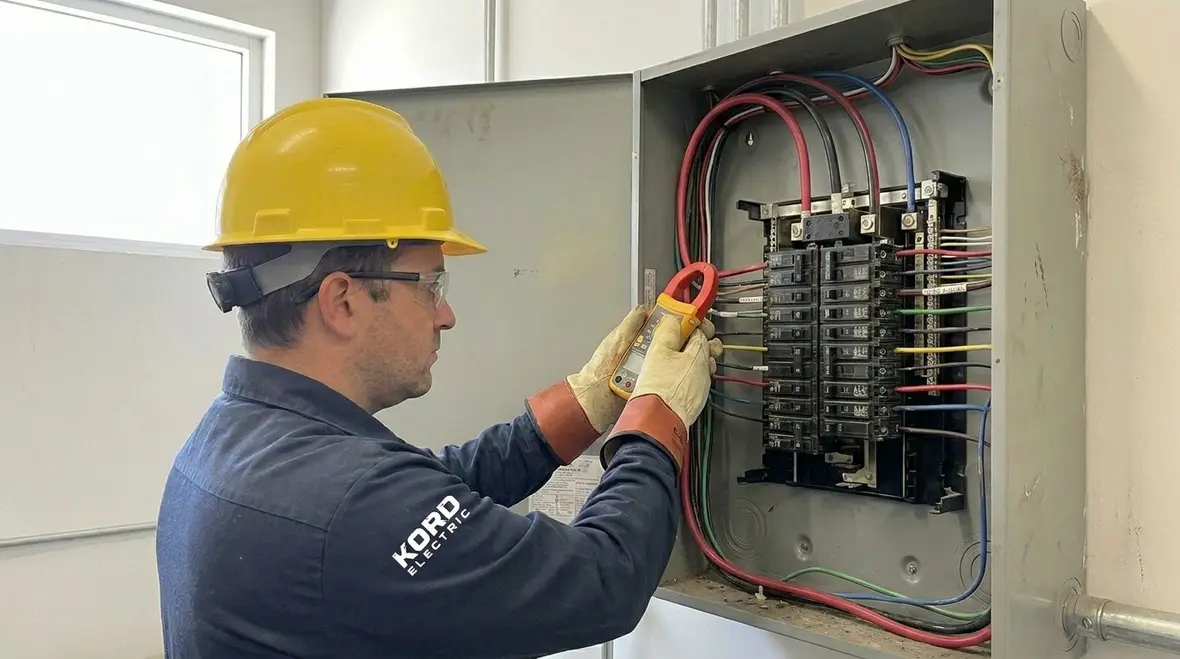
Commercial electrical panels rarely stay “even” for long. First, many spaces run on schedules that shift throughout the day. A warehouse might surge in the morning. A restaurant tenant might spike at lunch. Office floors may load computers and HVAC differently after hours. Because people move, schedules change, and equipment gets updated, the distribution of current across subpanel circuits becomes uneven.
Second, contractors may rewire future additions fast, using whatever circuit seems available. However, that shortcut often ignores how the subpanel bus and feeders share load. Over time, certain legs carry far more current than others, even if the total load still seems within nameplate limits.
Third, aging components also play a role. A loose terminal from years back, or a failing breaker, can shift behavior. It may not show up right away, but it can increase resistance and heat. As resistance rises, the subpanel starts behaving like it is telling a story in a language only electricians understand.
Our expert staff at Kord Electric reviews the actual operating pattern, not just the one line diagram. Then we map that pattern to the subpanel configuration. That is where electrical subpanel load balancing becomes practical and measurable.
Hidden electrical risks in commercial buildings start at the subpanel
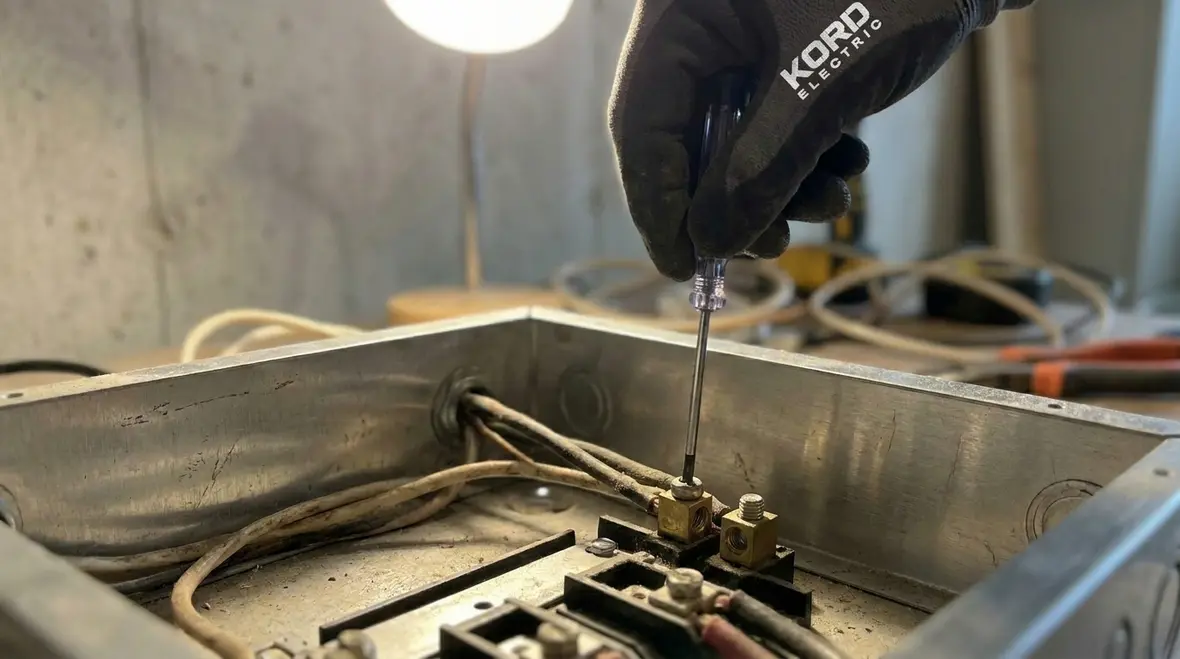
Kord Electric points clients back to the common risks we often see in commercial structures, and many of them tie directly to how subpanels handle current. In our blog on hidden electrical risks in commercial buildings, we explain how overheating, loose connections, and poor protection can lead to problems that cost more than people expect.
When subpanel legs carry uneven load, several risks grow together. First, hot spots can form at bus connections, breaker clips, or terminal lugs. These points can heat even if the breaker rating looks fine on paper. Heat also dries insulation, which shortens life. So the panel may work today and fail sooner than it should.
Second, nuisance tripping can spread. When one leg runs hotter or draws more current, the system may trip selectively or behave inconsistently. That frustration leads teams to reset breakers without fixing the imbalance, and that is a habit we help clients break.
Third, power quality can worsen. Unbalanced currents can cause more neutral current than expected. In real life, that means sensitive equipment sees conditions outside what it prefers. Computers, variable speed drives, refrigeration controls, and critical loads do not need drama.
Our technicians explain these links in plain terms. They show where heat forms, how to verify it, and how to correct the root cause, which is usually not “mystery failure.” It is imbalance that grew over time.
How technicians perform load balancing in the field
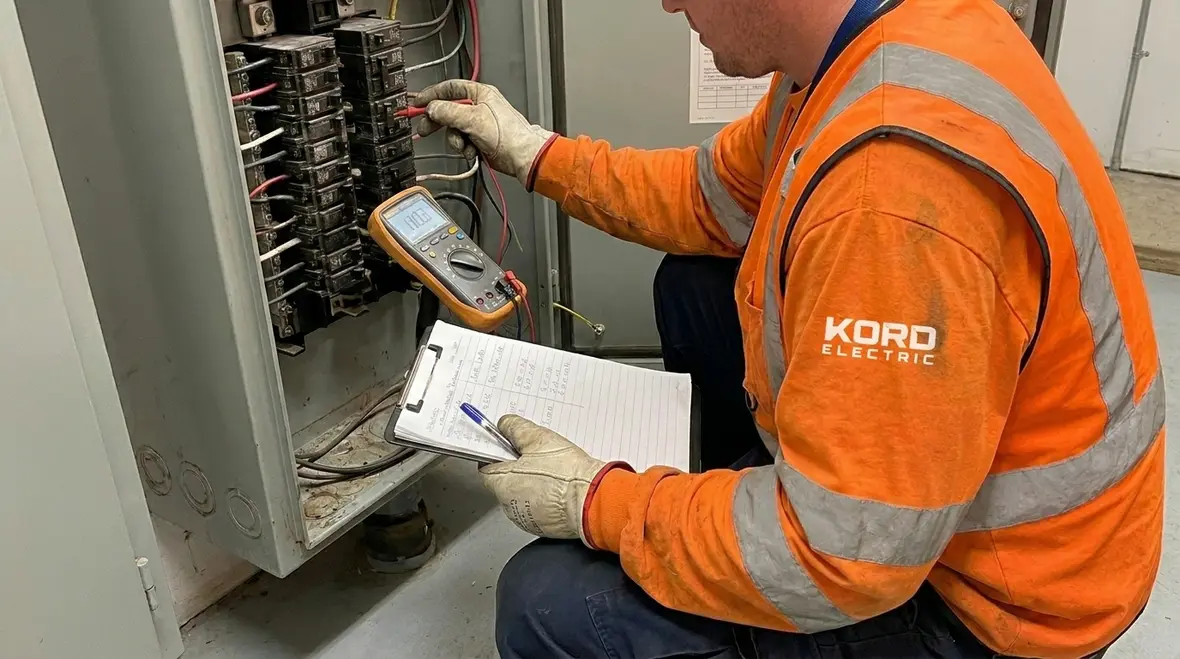
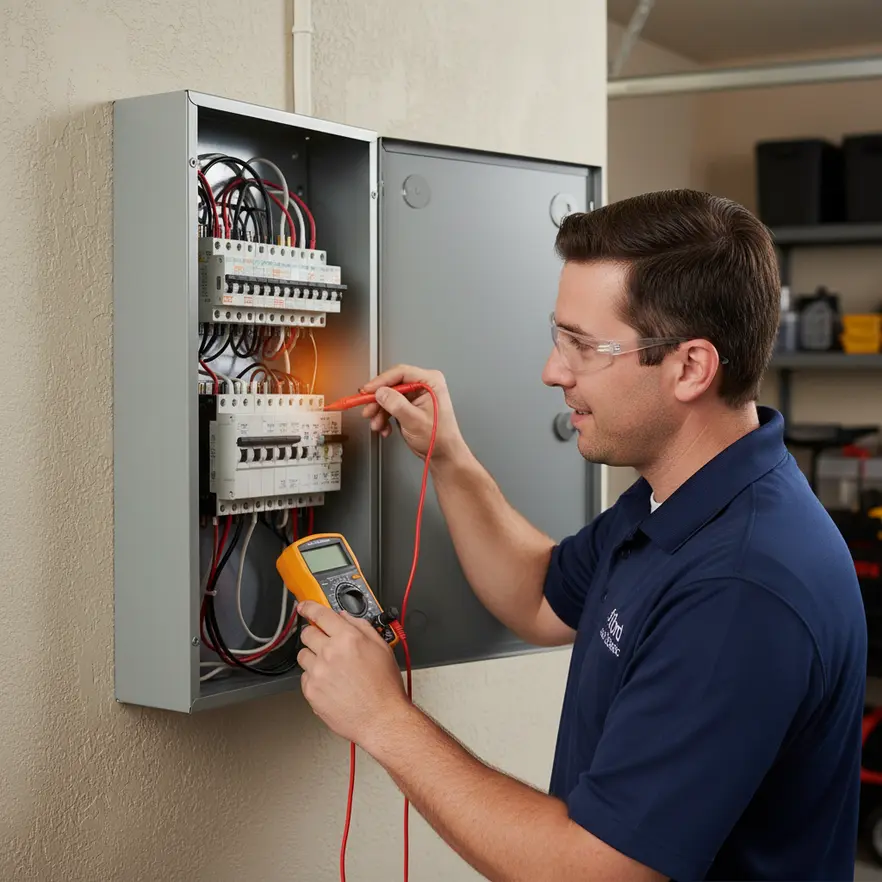
Proper load balancing starts with listening, then measuring. At Kord Electric, our technicians follow a method that keeps the work clear, safe, and documented.
First, we gather the panel schedule, one line diagram, and any recent changes. Then we confirm circuit assignments on site. If a circuit label no longer matches reality, we fix that understanding before we touch anything else. Otherwise, we would be balancing the wrong loads. That is like putting a seatbelt on the wrong person and calling it safety.
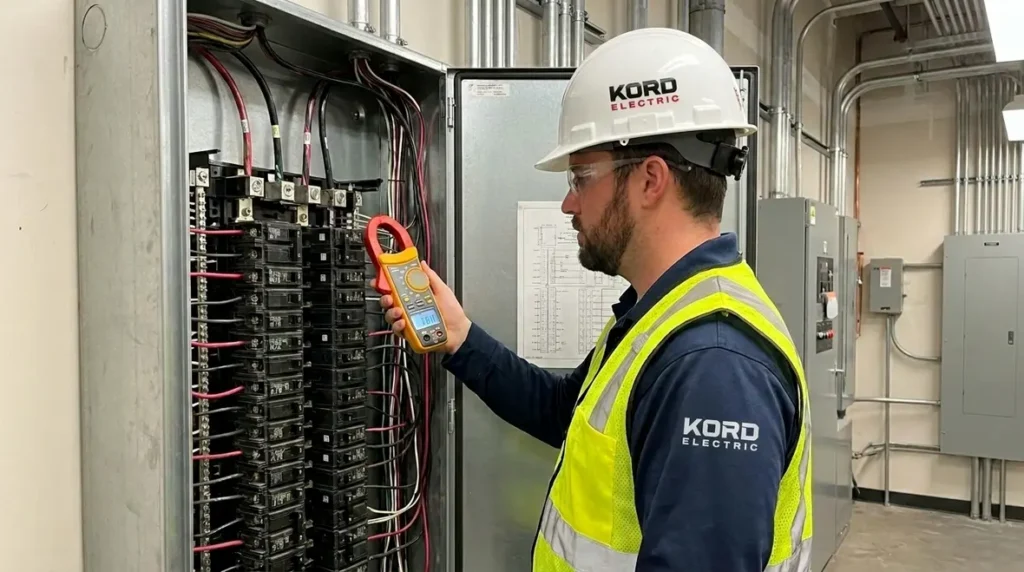
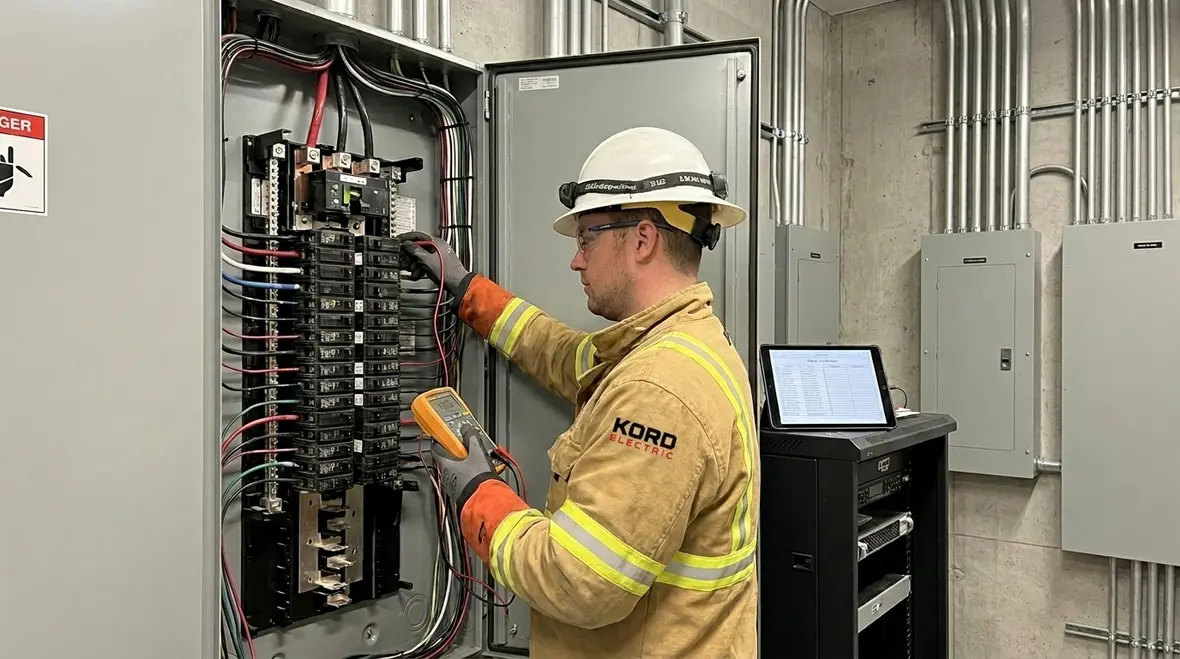
Next, we measure actual current. We use safe testing and monitoring practices to see how each phase and leg behaves during typical and peak operation. We also review historical utility data when it is available. This step matters because “rated capacity” does not tell the full story of real current swings.
Then we plan redistribution. We shift loads to even out current across phases and legs. We consider equipment startup inrush, motor loads, and time based controls. We also check that the circuits remain properly protected and that the conductors can handle the intended duty.
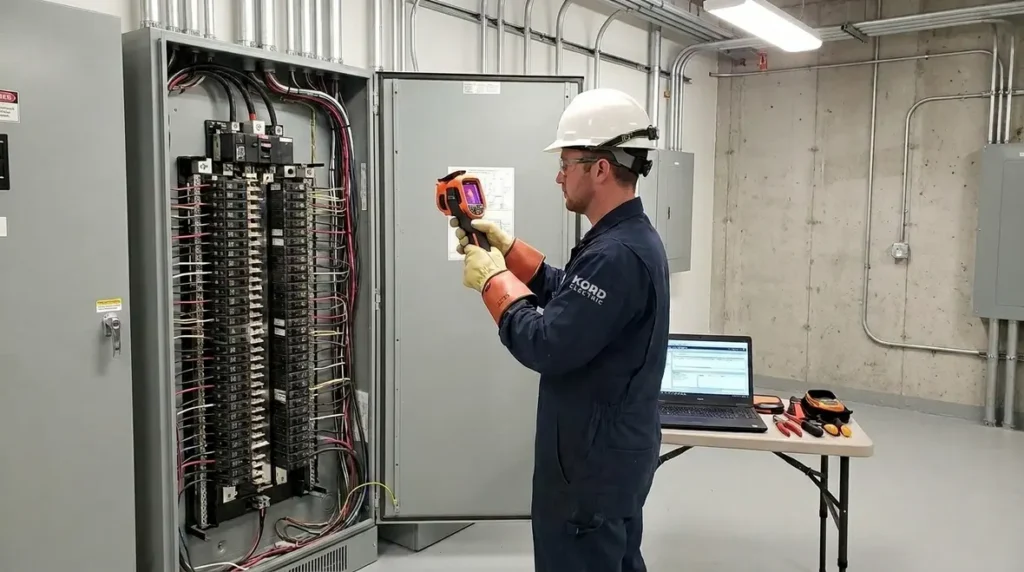
Finally, we verify. We confirm temperatures, breaker behavior, and power readings after adjustments. We also update the panel schedule so the next team does not undo our work. Our expert service staff then walks the building manager through what changed and how to maintain the balance when new loads come in.
In short, we balance what the building actually does, not what the paperwork hopes it does.
Step by step: balancing phases without creating new problems
Many people think load balancing means simply swapping breakers until numbers look even. In commercial and industrial facilities, that approach creates new risks. The goal is to balance electrical subpanel load balancing while keeping protection, wiring, and operational needs aligned.
Here is how we do it, with care and a bit of common sense:
- Identify the heaviest circuits. We list loads by phase impact and look for obvious imbalance drivers like HVAC, lighting controls, large receptacle circuits, and kitchen or process equipment.
- Check protection and conductor limits. We confirm breaker ratings, conductor size, and any existing derating needs. If a circuit should never have been there, we do not “make it work.” We correct the plan.
- Account for motor startup and inrush. Then we balance not only steady load but also startup behavior. Motor inrush can briefly spike current and affect sensitive loads.
- Redistribute with operational continuity. We schedule work to reduce downtime. Where shutdown is not acceptable, we use phased plans and safe isolation steps.
- Confirm neutral and grounding performance. Uneven load often increases neutral current. We verify that the system remains aligned with safe grounding and bonding practices.
- Document and label. After corrections, we update panel schedules and circuit labels so future additions do not break the balance.
And look, if someone tells you that load balancing is “just a math problem,” they have never met a real subpanel. Real buildings add variables. That is why Kord Electric treats the work as an engineering and field service task, not a quick DIY spreadsheet.
Common commercial scenarios where balancing saves money
Load issues show up in predictable ways in major property buildings and industrial sites. Our clients often call when they notice symptoms, and then we trace the root cause back to distribution.
For example, a tenant buildout can add computers, lab equipment, or new refrigeration. Even if the total facility load stays “under control,” phase and leg imbalance can rise. Then breakers trip more often and connections run warmer.
Another common scenario involves phased renovations. One contractor may add circuits to “open spaces,” while another later does the same. As these work waves stack up, the subpanel distribution stops matching the original plan.
HVAC control upgrades can also shift load patterns. Variable speed drives, staging controls, and different fan cycling profiles can rebalance demand in ways that were never accounted for.
In multi level buildings, shared electrical rooms may feed mixed occupancy. So one floor can become a consistent imbalance driver. Then the subpanel acts like it is carrying the whole building on its back, even though other areas look balanced.
When we perform electrical subpanel load balancing in these situations, we do not just reduce trips. We improve long term reliability, reduce heat stress, and support stable power for business critical systems. That is value you can feel, not just see.
FAQ about commercial subpanel load balancing
Trust Kord Electric for reliable commercial power distribution
When a commercial electrical system drifts out of balance, the risks build quietly, then hit hard. Kord Electric sends experienced technicians who measure real operating loads, rebalance phases safely, and document every change so reliability lasts. If your facility has nuisance trips, warm breakers, uneven tenant loads, or repeated service calls, we can help you stop guessing and start correcting. Contact Kord Electric today to schedule a commercial subpanel load balancing assessment and keep your power steady for the work that matters.
For facilities planning broader upgrades — from panel changes to factory troubleshooting — coordinating subpanel work with Los Angeles County electrical services helps align reliability, capacity, and code compliance under one practical plan instead of scattered projects.
If you are reviewing other risks in your distribution system, you can also explore how issues begin and grow in our related guide on hidden electrical risks in commercial buildings, then pair those insights with targeted electrical subpanel load balancing to keep those problems from returning.