Commercial Wiring Infrastructure Assessment Guide
Commercial Facility Checkup: Start With a Commercial Wiring Infrastructure Assessment
At Kord Electric, we begin with a commercial wiring infrastructure assessment because aging wiring does not announce itself with a polite little note. Instead, it shows up as hot spots, nuisance breakers, flickering lights, and performance that feels like it is getting worse every week. In the first part of our process, we look at the age and condition of conductors, panels, grounding, and protective devices, and then we map what is working versus what is quietly failing. From there, our technicians explain what we found in plain business terms, so your team can plan upgrades without guessing. And yes, we promise not to talk like a manual. Manuals are fine, but they do not run your building.
Spot the Clues Before They Become Outages
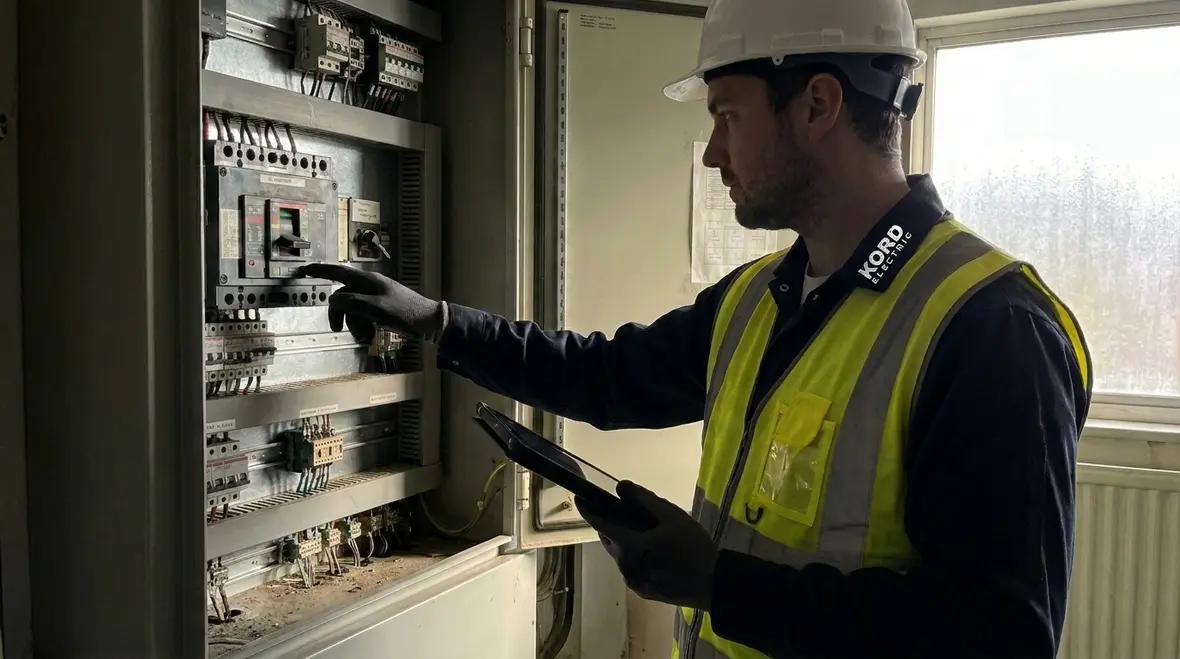
When commercial systems age, the problems often start small. Then they grow, like a pop culture plot twist you did not want, but you still saw coming. We see patterns in older buildings that signal the wiring is struggling. First, you may notice frequent breaker trips that never used to happen. Second, you might see uneven power across floors or suites, where one area feels stable while another area acts like it cannot make up its mind. Third, you can find signs at junction boxes, conduit runs, and panel interiors where insulation has hardened, discoloration shows up, or connections look worn.
Additionally, we hear the same story from property managers and facility leads: “We replaced a few parts, and it improved for a while.” That short window often points to localized repairs while the broader system keeps aging. Therefore, we advise teams to treat wiring like a living system. It can run for years, but it needs attention before it reaches the point where downtime becomes a budget problem and a safety problem.
Because many commercial and industrial properties in the region have already gone through upgrades, retrofits, and tenant improvements, we also encourage managers to look at the big picture, not just the last repair ticket. Pairing a structured commercial wiring infrastructure assessment with broader reliability planning, such as documented preventive maintenance and clear electrical records, keeps those “mystery” outages from becoming a recurring character in your operations story.
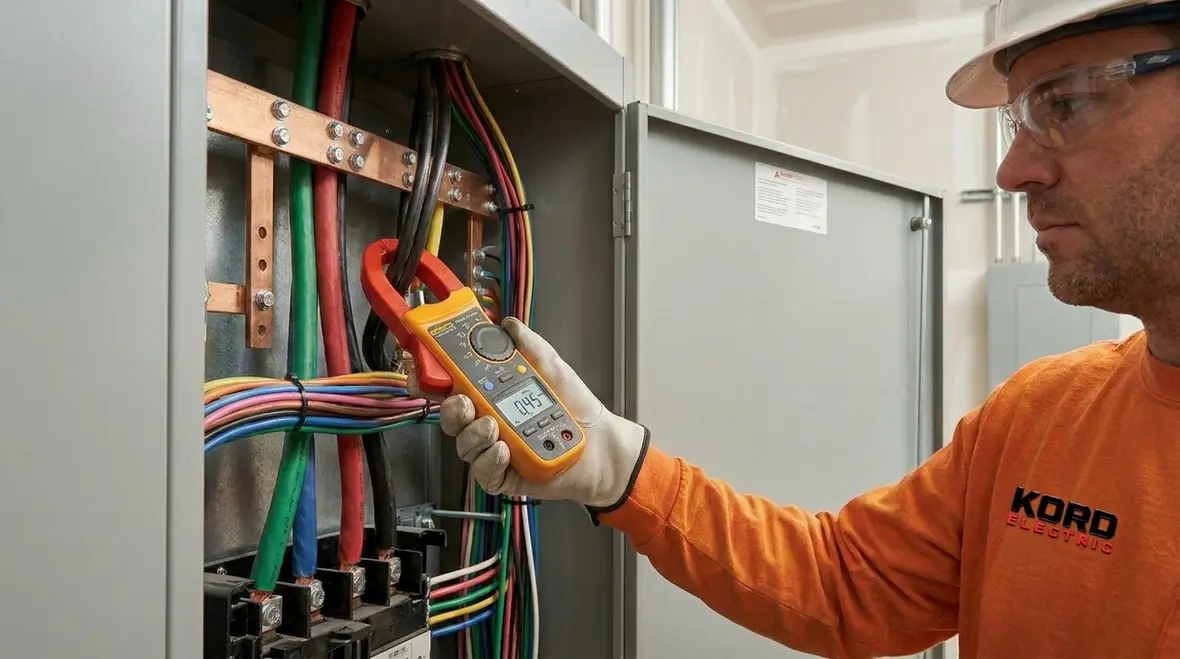
How We Inspect Panels, Grounding, and Conductors
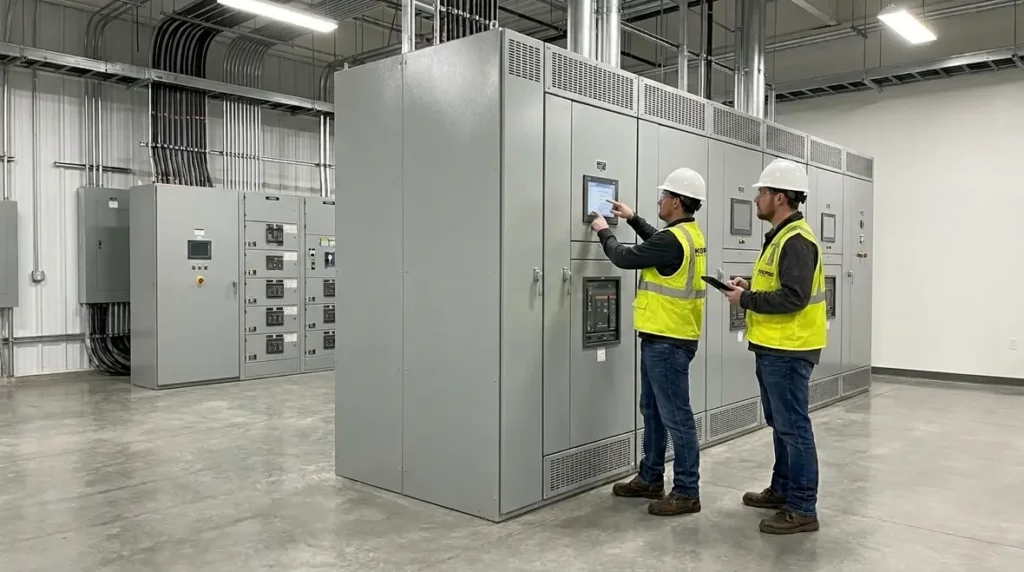
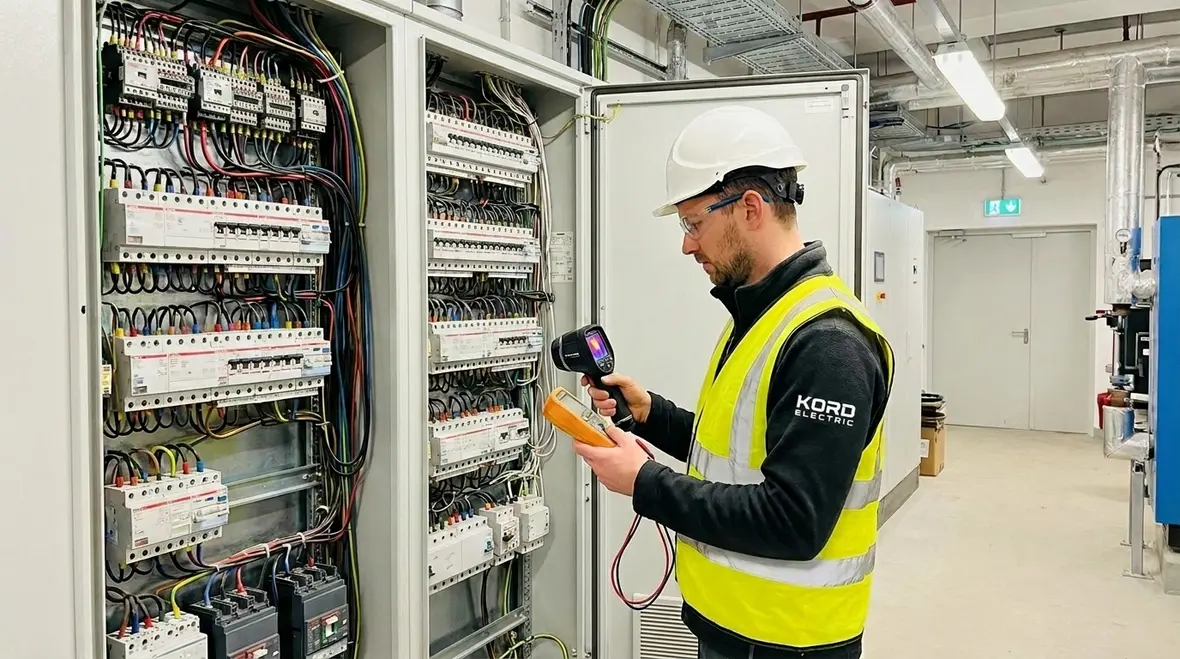
Our technicians approach the assessment like a slow, careful audit. They do not rush, because rushing leads to missed details. Instead, we verify the condition of distribution equipment, check conductor integrity, and evaluate how protective paths handle fault conditions. We also examine the grounding system, because poor grounding can create weird behavior like shocks, unstable equipment, or repeated surge issues. And if your facility has sensitive loads, such as refrigeration controls, security systems, HVAC controls, or manufacturing equipment, grounding matters even more.
Next, we look at terminations. Loose or corroded terminations generate heat. Heat degrades insulation. Then insulation failure can turn into arcing, and arcing can escalate into major damage. Furthermore, older wiring may contain materials that do not perform the way modern systems expect, especially where humidity, temperature swings, or water intrusion exists. So, our team documents what we see and we connect each observation to what it means for reliability.
To keep your operation moving, we coordinate with building staff so the inspection fits around your schedule. We know commercial and industrial facilities cannot simply “shut everything down” because someone has questions. That is why we plan, we communicate, and we sequence the work. For many teams, it also makes sense to align these inspections with larger reliability efforts like panel evaluations and upgrades, so you are not revisiting the same rooms twice for separate projects.
What Aging Wiring Really Does to Power Quality
Many people think wiring problems only cause outages. However, aging wiring often shows up as poor power quality long before a full failure. Voltage drop can increase when conductors weaken or connections loosen. That can make motors work harder, shorten compressor life, and trigger error codes on control systems. Meanwhile, intermittent faults can cause equipment to reset at the worst time, like during peak production or business hours. Honestly, nobody wants their line to restart because a cable decided it had “one more week” left.
We also help teams understand how older electrical systems respond to modern loads. Today, commercial buildings carry more electronics, variable speed drives, data equipment, and charging systems. As a result, systems that were built for simpler loads may struggle with current balance and stability. If you add renovations, new tenants, or expansions, the wiring plan may not reflect the new reality. Therefore, our assessment looks at wiring pathways, system capacity, and how the electrical design supports today’s operating demands.
For facilities across Los Angeles County and the surrounding region, those demands often include higher density technology spaces, more EV charging, and expanded backup power plans. Connecting your commercial wiring infrastructure assessment to broader planning conversations about Los Angeles County electrical services for major properties helps keep power quality, capacity, and future projects aligned instead of scattered.
Common Failure Points We Identify in Major Properties
In commercial and industrial facilities, we often find the same high risk locations. First, we check panel interiors for signs of overheating and aging connections. Second, we evaluate feeder circuits that carry power to multiple loads, because feeders experience stress and load changes. Third, we inspect conduit runs and junction boxes, especially where moisture, vibration, or temperature swings exist. Vibration matters in factories and warehouses, because movement wears down terminations over time.
We also pay attention to modifications made over the years. Many large properties gain additions that were handled by different teams, sometimes with different standards. That can create mismatches in conduit fills, conductor sizing, and protective device coordination. So, our technicians compare what the building has today against what a safe, reliable system should do. Then we explain our findings so your stakeholders understand the risks without needing a degree in electrical engineering.
And to be clear, we only focus on commercial and industrial work. This is not a one size fits all hobby. It is about keeping major property buildings safe, stable, and ready for the next day of business. That same focus also shows up in related resources, such as checklists for electrical system troubleshooting for factories, where many of the same failure patterns appear under different lighting and louder equipment.
From Findings to a Practical Upgrade Plan
Once our technicians finish the site evaluation, we turn the data into a plan that fits how your facility runs. We prioritize issues based on risk and impact, not just convenience. For example, we address conditions that affect safety first, then we focus on reliability and power quality, then we plan capacity improvements for future expansion. In other words, we help you avoid the “band aid, then repeat” cycle that costs more over time.
We also provide clear explanations. Our expert service staff walks your team through what needs attention, what can be monitored, and what is a good upgrade path. Because when you know the why, approvals feel easier. When you guess, approvals feel like a mystery show where the host never answers the question.
To make planning easier, we can lay out options in a structured way so your decision makers can compare schedules, impacts, and outcomes. Below, you can see a simple view of how we commonly align findings with next steps.
| What We Find | What We Recommend |
| Overheating at terminations and worn connections | Targeted replacement and tightening, then verification tests |
| Issues with grounding and protective paths | Grounding corrections and protective device checks |
| Signs of insulation aging or moisture exposure | Conductor and pathway remediation, plus moisture control guidance |
| Power quality problems from load changes | Balance and capacity adjustments, coordination review |
In many cases, this planning work ties into longer term strategies for reliability and modernization. For example, a facility that discovers aging feeders and stressed panels during a commercial wiring infrastructure assessment may also be planning lighting retrofits, EV charging, or other upgrades. By coordinating those projects under one roadmap rather than separate efforts, you reduce disruption and give your electrical system a clear direction instead of a patchwork of reactions.
How Often Should a Facility Get Reassessed?
There is no single magic date on the calendar, but facilities can follow a sensible cadence. We often advise reassessment when equipment ages, when renovations happen, when new tenants add loads, or when nuisance trips and electrical complaints begin to increase. Additionally, major properties should reassess after events like water intrusion, roof leaks, or repeated storms that may affect conduit and junction areas. If your building looks fine but your systems act tired, that is a strong sign to evaluate the wiring infrastructure assessment findings again.
From a practical standpoint, we help property teams set a schedule aligned with their risk profile. Some facilities benefit from a focused inspection plus verification tests. Others need a broader review because multiple distribution areas show aging patterns. Either way, we keep your operation in mind, and we design the inspection plan to reduce disruption.
For organizations managing factories, logistics hubs, or multi building campuses, that schedule often works best when it is integrated with structured programs like electrical preventive maintenance and periodic troubleshooting reviews. That way, the commercial wiring infrastructure assessment is not a one time event, but a recurring checkpoint in a larger reliability playbook.
FAQ: Commercial Wiring and Infrastructure Assessment
Take Action Now With Kord Electric
If your commercial or industrial facility feels like it is running on borrowed time, do not wait for a full failure to prove the point. Kord Electric helps property teams complete a commercial wiring infrastructure assessment, identify aging risk, and build an upgrade plan that fits real-world operations. Our technicians explain results clearly, so decisions move forward instead of stalling. Contact us today to schedule an evaluation and protect safety, uptime, and equipment performance. Because downtime is expensive, and surprises should stay in movies.
Whether you oversee a single major building or a portfolio across the region, connecting this assessment to broader Los Angeles County electrical services for commercial and industrial facilities gives you one coordinated strategy instead of scattered projects. From panels and feeders to troubleshooting, upgrades, and future capacity planning, the first step is simple: understand the wiring you have today and what it needs to keep tomorrow’s operations running.