Commercial Electrical Subpanel Sizing and Safety
At Kord Electric, we take commercial electrical subpanel sizing and safety seriously, because a subpanel that fits on paper but fails in the field can turn a stable operation into a costly outage. In our experience with commercial and industrial facilities, we see the same pattern again and again: crews install too fast, skip key data, and then wonder why breakers trip like they are auditioning for a dramatic TV finale. Our goal is simple and practical. We size correctly, we install cleanly, and we test so the power system keeps doing its job. And yes, we do explain the “why” to facility teams, because the best time to learn electrical details is before something smokes, not after it.
Why commercial electrical subpanel sizing and safety starts with load planning
We begin with load planning, because the subpanel is not a random box. It is the nerve center for a group of circuits that serve HVAC, lighting, receptacles, pumps, and process loads. Our technicians review the full electrical scope for major property buildings and industrial spaces, and we ask for real operating information, not guesses. That includes existing loads, expected growth, and the way equipment cycles during start up.
Next, we map the loads by phase, voltage, and circuit function. Then we apply demand factors that reflect how businesses actually run. For example, refrigeration and motors do not draw power the same way at 2 a.m. as they do during a shift change. Therefore, we calculate with the right assumptions so the panel can handle peaks without constant nuisance tripping.
At this stage, we also help others avoid common mistakes we see in the field. One big one is oversizing the subpanel bus without matching it to the conductor protection strategy. Another is treating every load like it is continuous power. That is like putting all your gym workouts on one schedule and then acting shocked you are tired every day. We keep the design grounded in real duty cycles.
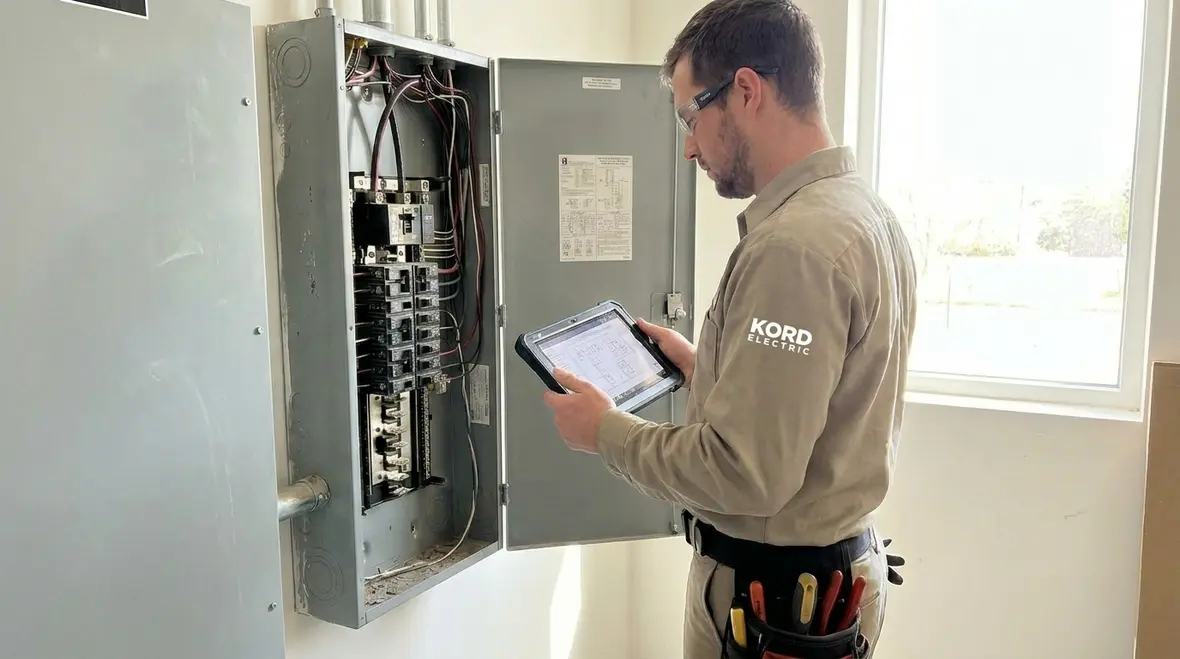
How to choose the right subpanel size for real business loads
Commercial electrical subpanel sizing and safety depends on how much current the subpanel must carry, and how many breakers it must support. We size in a way that allows for service access, future capacity, and safe heat dissipation. To do that, we start by determining the subpanel rating based on the upstream service capacity and the feeder constraints.
Then we count circuits and classify them. Branch circuits that feed lighting and receptacles often use different design rules than circuits that feed motors or variable speed drives. Also, life safety circuits demand special attention in certain building types, so we coordinate with the project electrical engineer or electrical designer whenever required.
After that, we check available breaker positions. If a building team expects new tenant buildouts later, we leave room for them. We also confirm that the panel and bus rating match the intended conductor sizes. If the conductor is larger, the breaker must still provide proper protection. If the breaker is larger, the conductor still must meet ampacity rules. We make sure the whole system plays together, not like mismatched band members trying to perform the same song.
Finally, we validate the subpanel layout with a conductor routing plan. We consider conduit fill, bends, and route length because voltage drop affects performance. When we catch voltage drop early, we avoid later complaints like “our equipment runs weird.” Equipment rarely “runs weird” without a reason; it usually has a power story to tell.
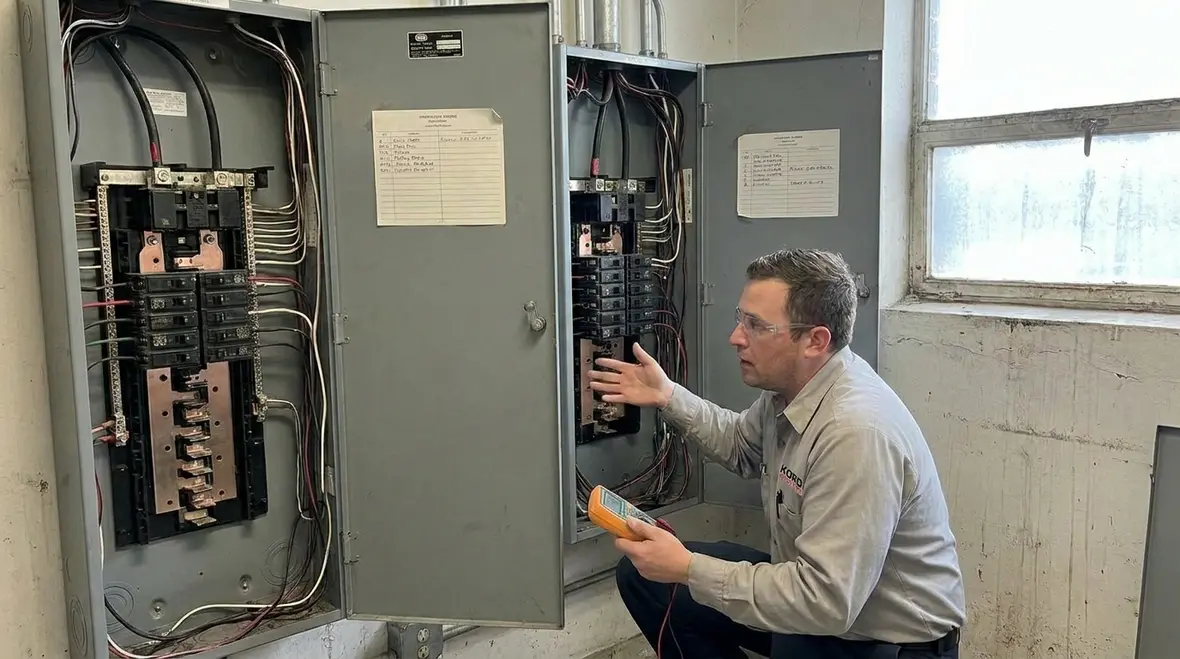
Install the feeder and ground system the way it should be installed
Once sizing is set, we move into installation details. At Kord Electric, our expert service staff does not treat installation like a box check. We treat it like a system with cause and effect. A correct subpanel can still fail if feeder terminations or grounding details are wrong.
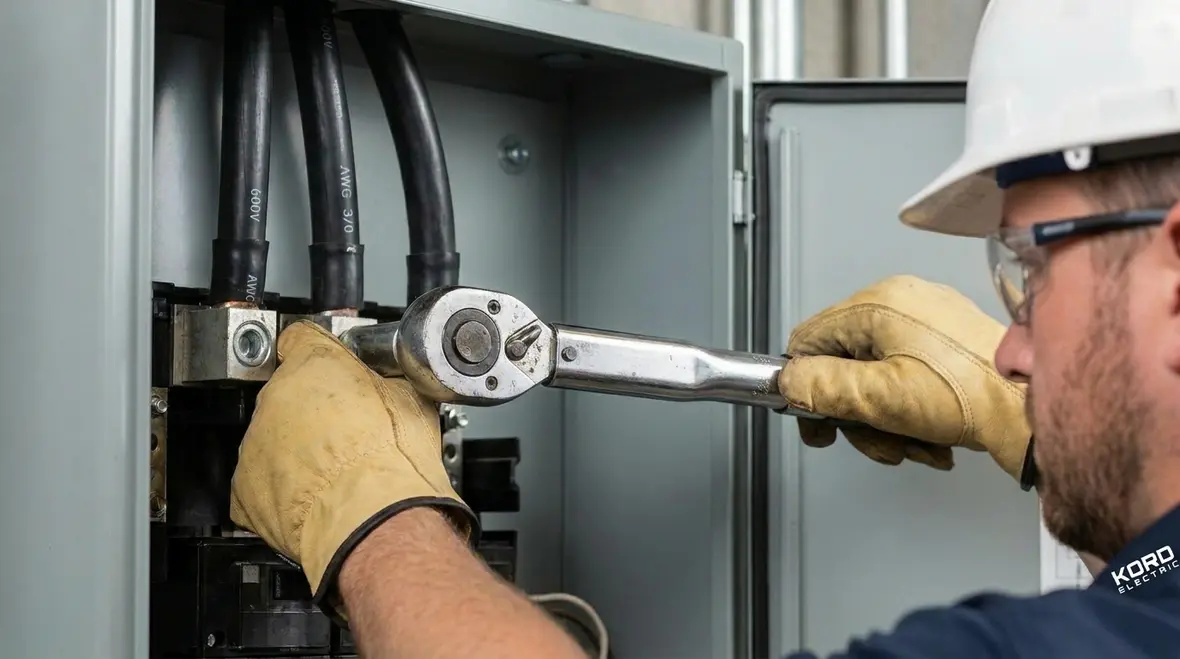
First, we install feeders with proper conductor sizing, insulation rating, and torque specifications. We verify terminations are tight and properly prepared. Loose connections create heat. Heat creates damage. Then the breaker trips or the insulation breaks down, and now everyone is searching through the building like it is a haunted house. We keep it simple: clean terminations, correct torque, and measured verification.
Second, we handle grounding and bonding carefully. We confirm the grounding electrode system remains correct for the facility, and we configure equipment grounding and bonding conductors properly for the subpanel configuration. We also check how the neutral is handled and where separation is required. This is one of those areas where small setup differences matter a lot in commercial and industrial settings.
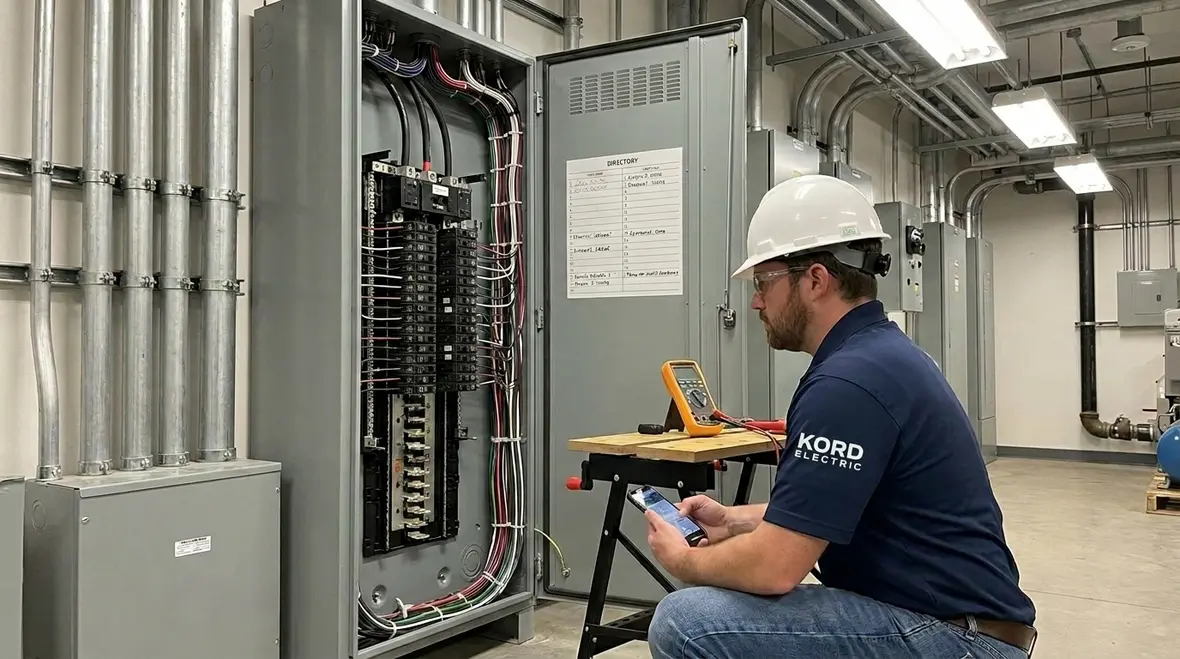
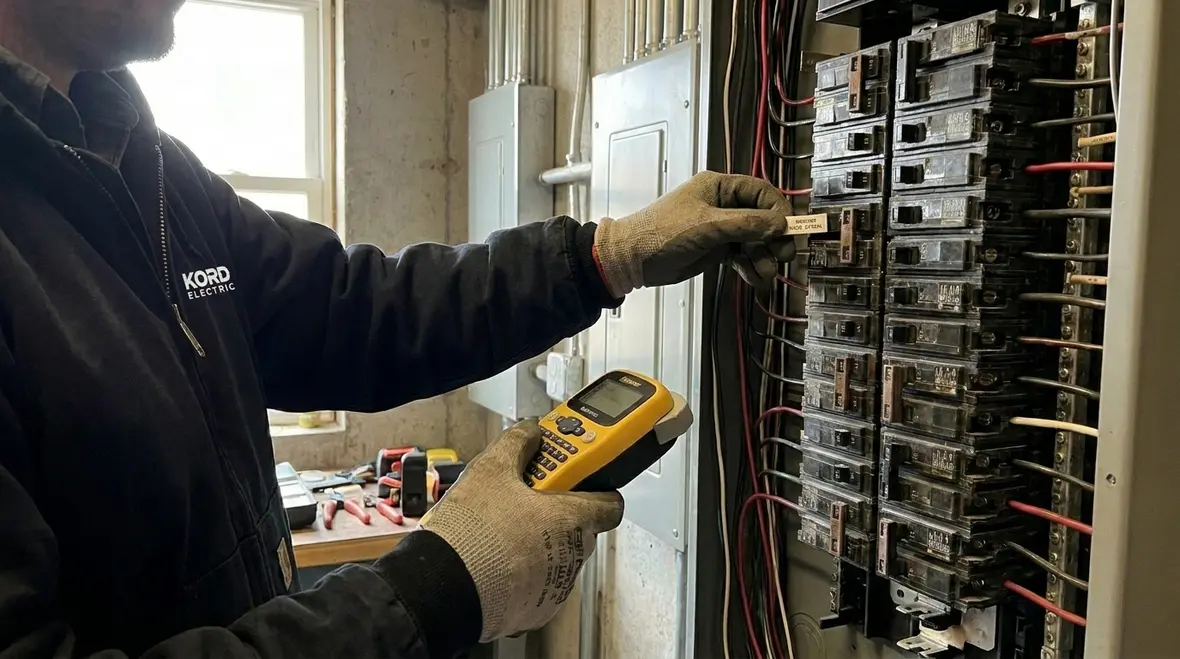
Third, we label everything clearly at install time. Our technicians label breakers, circuits, and panel directories so operations staff can trace loads quickly. That reduces troubleshooting time when maintenance has a question. It also supports safe work practices for future electricians and contractors.
Choose breakers, conductors, and labeling for safer operation
Commercial electrical subpanel sizing and safety does not stop at the panel size. It depends on the breaker types, conductor selection, and how the panel is organized for daily use. Therefore, we recommend breaker and conductor pairing that matches the load type and the installation conditions.
For lighting and general receptacle circuits, we select appropriate amp ratings and ensure the conductor insulation and temperature ratings fit the environment. For motors and other inductive loads, we plan for inrush current and starting behavior. For variable speed equipment, we coordinate how the system handles harmonics and grounding requirements. We know industrial facilities rarely run on “perfect conditions,” so we plan for the real world.
Next, we plan surge protection when it makes sense for the equipment and the building’s power quality needs. Then we implement proper phase balance where it applies. Balanced phases can reduce strain on neutral conductors and improve performance.
Finally, we label in a way that helps. We include circuit function, area served, and downstream device identification when the project calls for it. If someone needs to turn off power for maintenance, labels must be accurate. Otherwise, you get the classic scenario: a breaker labeled “office outlets” that actually serves a server rack. That is not funny for long, unless you enjoy downtime.
Meet code checks and testing before the system goes live
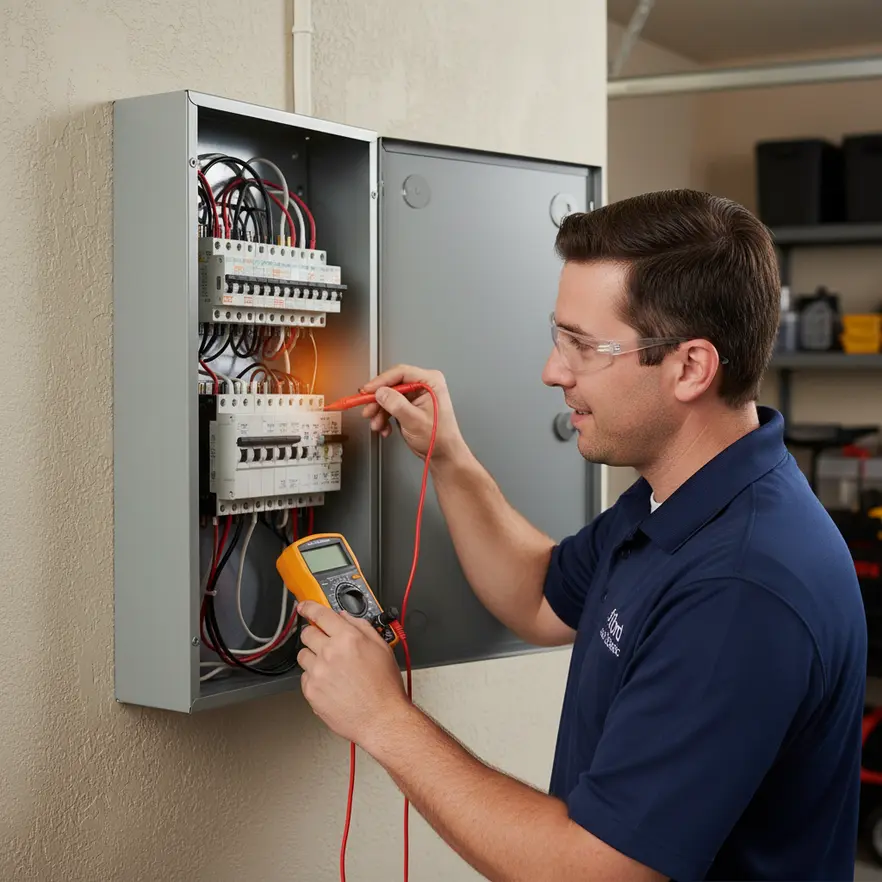
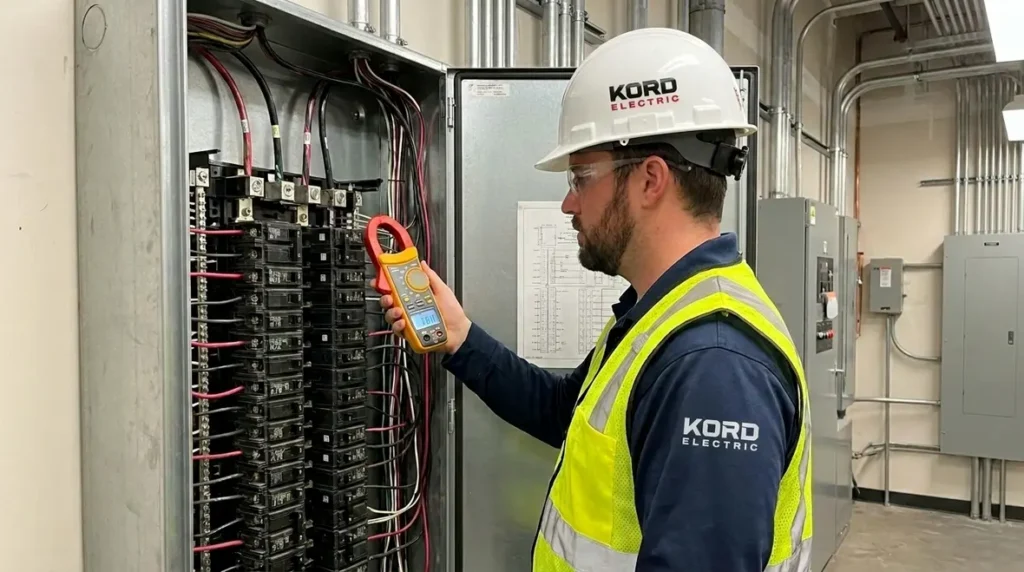
We do not hand over a subpanel like it is a shiny new toy and then disappear. We verify. Our technicians follow a disciplined checklist: visual inspections, torque checks, conductor continuity checks, insulation resistance testing where required, and functional verification before energizing. We also confirm that the breaker trip settings and system coordination match the design intent.
During commissioning, we check panel bus connections and inspect workmanship around conduit entry points. We confirm that barriers, covers, and deadfront components are installed correctly. Then we perform operational tests with the facility team, so the building understands how the system should behave.
In commercial and industrial facilities, we also coordinate the schedule and access requirements. Some sites cannot shut down during peak production hours, so we plan energization in steps. That keeps operations stable and reduces disruption. In other words, we treat safety like a business requirement, not like paperwork.
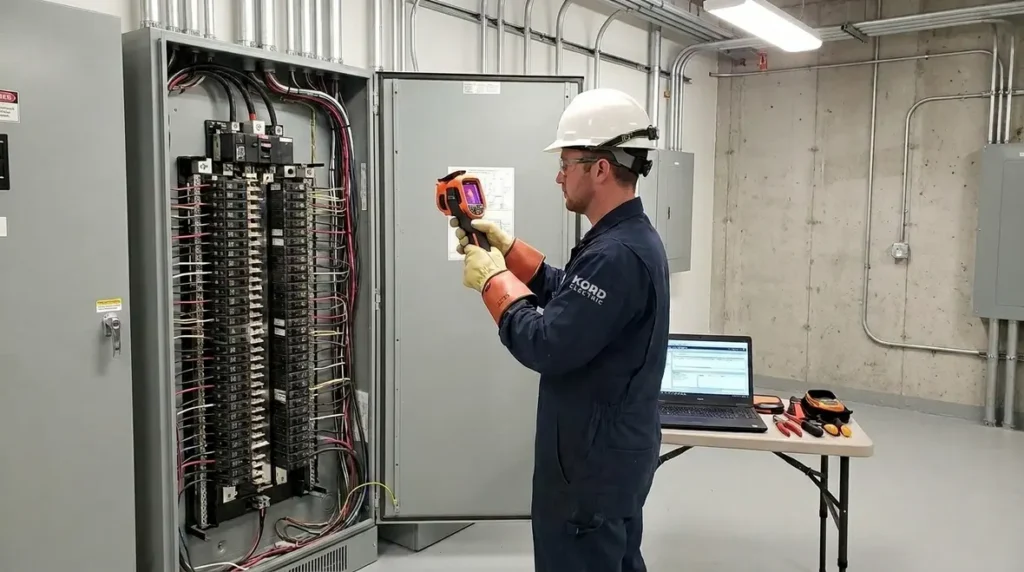
We also help teams understand what to monitor after startup. That includes thermal checks after initial load stabilization when appropriate, breaker performance trends, and any early signs of nuisance trips. If issues show up, we want them to show up during controlled testing, not during a business critical moment.
FAQ: commercial subpanel sizing, installation, and safety
Get it right the first time with Kord Electric
If your facility needs a new subpanel, an upgrade, or a planned tenant buildout, do not guess your way into risk. We at Kord Electric plan commercial electrical subpanel sizing and safety with real loads, correct installation details, and documented testing. Our technicians and expert service staff explain the results in plain language, so your team feels confident, not confused. Reach out to us to review your scope, confirm feeder and grounding strategy, and schedule a safe, on time installation that supports your operations.
For facilities that rely on server rooms or data centers, smart subpanel planning also ties directly into your larger power distribution strategy. If you are looking at future-proofing your infrastructure, you may also find our article on Data Center Electrical Infrastructure Essentials helpful as a companion resource when you map out upgrades and expansions.
Whether you are coordinating with a design team for a new major property, upgrading aging gear, or solving recurring breaker issues, Kord Electric can help align commercial electrical subpanel sizing and safety with your overall commercial electrical service and distribution strategy so the power system supports business, not the other way around.
When you are ready to move from planning to action, our commercial electrical services team can review your existing panels, feeders, and grounding, then recommend subpanel upgrades, targeted corrections, or new installations that keep your building code-compliant, reliable, and easier to maintain over the long term.