
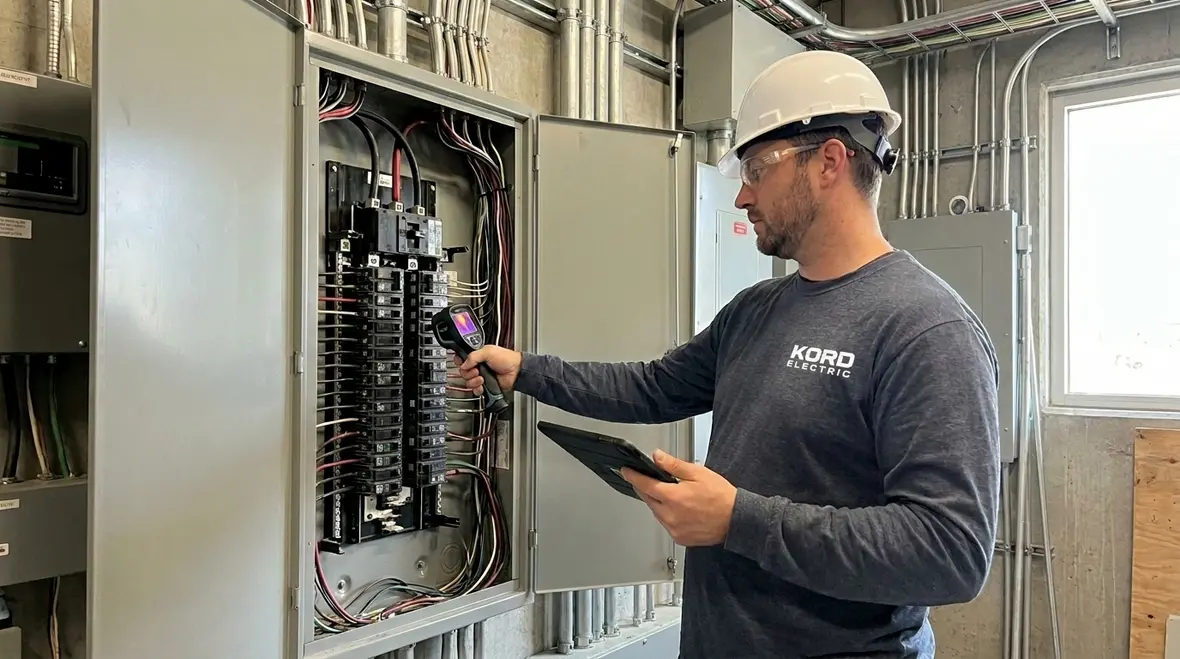
Commercial Electrical System Audits for Reliability
Commercial buildings do not fail loudly most of the time. They fail quietly, one loose connection, one overloaded circuit, one missed sign at a time. That is why Kord Electric focuses on commercial electrical system audits for commercial and industrial facilities and major property buildings. In the early stages, an audit can help the facility team see risk they cannot easily spot from the control room. Then, with a clear report in hand, others can plan repairs in the right order, with the right materials, and at the right time. In other words, we help you avoid the kind of surprises that make people stare at a breaker panel like it is the villain in a superhero movie.
Why commercial electrical system audits prevent “mystery” downtime
When others think about electrical systems, they often picture power simply flowing through a building. However, in real facilities, power systems age. Connections heat and cool, conductors settle, and moisture finds its way into places it should not be. Consequently, small issues can grow into larger failures. commercial electrical system audits help Kord Electric verify the system condition, not just assume it. As a result, facility leaders get a grounded view of what works, what is stressed, and what needs action.
We run audits with experienced technicians who understand how commercial equipment behaves under load. Then, our team explains findings in plain language. So when we point out a recurring overheating pattern, others do not just receive a scary word on a PDF; they receive a practical explanation and next steps. And yes, we also admit when a concern is not urgent. That transparency saves time, money, and staff stress.
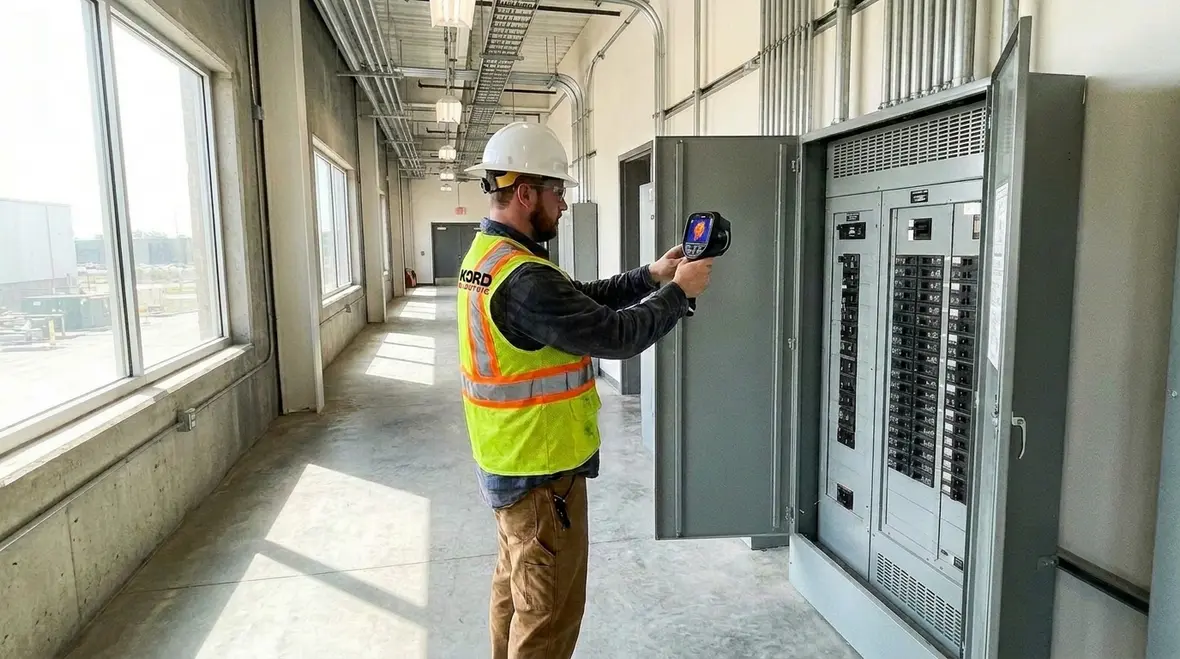
What benefits show up first after an audit
Many teams expect major changes right away. Yet, the first benefits usually appear as clarity. First, we identify where risk concentrates across panels, distribution gear, grounding systems, and critical circuits. Next, we compare current conditions to what the facility requires for normal operations and peak demand. Finally, we document issues in a way that supports scheduling and budgeting.
Because commercial and industrial buildings often run on tight schedules, we aim to reduce disruption. We recommend actions that align with business hours, shutdown windows, and tenant needs. Moreover, we help teams avoid the cycle of “fixing what breaks.” Instead, others can fix what is likely to break, before it does. That approach keeps operations steady and protects both people and assets.
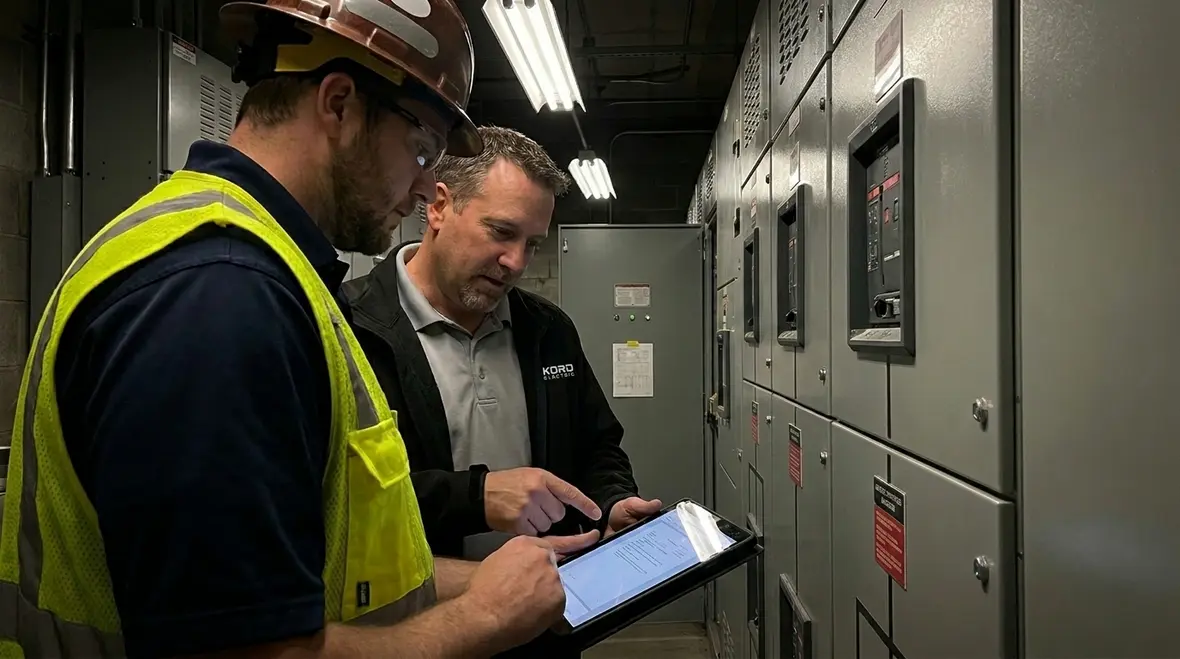
Connecting audits to broader electrical strategies
A single audit is powerful, but it becomes even more valuable when it connects to a long-term strategy. For some facilities, that strategy may include phased rewiring or targeted upgrades in older areas of the building. In others, it might involve planning ahead for new equipment, expansion projects, or future code changes. When our team completes an audit, we often point facility leaders toward resources that help them think beyond the immediate punch list. For example, if the assessment reveals that certain areas are operating near electrical capacity, we may recommend planning conversations about future upgrades similar to those outlined in Kord Electric’s rewiring cost guide for commercial electrical systems. That way, today’s audit supports tomorrow’s capital planning instead of becoming another forgotten file buried in a shared drive.
We also align audit findings with planned electrical maintenance programs wherever possible. Many commercial and industrial facilities already follow preventive maintenance schedules for mechanical equipment, life safety systems, or production assets. A well-structured audit gives those teams a stronger electrical starting point, helping them prioritize which panels, feeders, or critical circuits deserve closer attention in upcoming maintenance windows. When the same organization that performs electrical preventive maintenance also understands your audit results in detail, it becomes far easier to turn observations into reliable, repeatable action.
How audits improve safety for workers and tenants
Safety does not happen by accident. It happens when a facility follows proper electrical standards and maintains equipment that can handle its real workload. During an audit, our technicians review components that can create shock hazards and fire risk. For example, they check terminations, busbar connections, insulation condition, and protective device behavior.
In addition, we examine grounding and bonding paths, because correct grounding helps systems clear faults safely. If grounding is weak or missing, fault conditions can remain active longer than they should. As a result, workers can face increased danger, and equipment can suffer damage that costs far more than a planned repair.
We also walk others through what the risk means and what the repair accomplishes. So if someone hears “selectivity problem” and starts imagining a legal drama, our service staff quickly translates it into how protection devices will behave during faults.
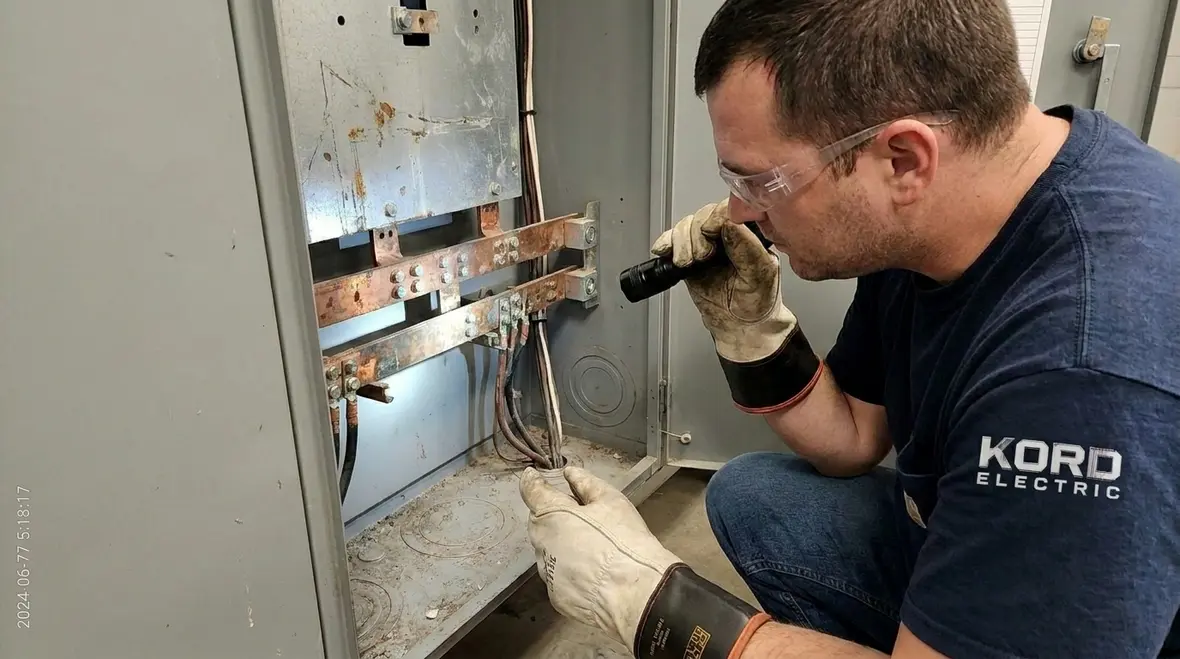
Audits, codes, and real-world compliance
Behind every safe facility is a mix of technical skill, good documentation, and a healthy respect for electrical codes. An audit is not a code book on its own, but it absolutely helps you understand where your systems stand against modern expectations. When we review panels, distribution equipment, and protective devices, we keep current standards in mind so that building owners can see where they may need to modernize or reinforce their infrastructure.
For example, when we encounter aging switchgear or panels that have not been maintained in years, we may reference strategies similar to those discussed in Kord Electric’s resources on NFPA-guided maintenance and commercial electrical systems for modern buildings. These materials give facility leaders helpful context on why certain upgrades matter for both safety and compliance, not just convenience. When your audit findings connect with that broader picture, it becomes easier to explain recommendations to stakeholders who care about liability, insurance, and long-term building value as much as they care about day-to-day operations.
Audits reduce energy waste and protect operating costs
Electrical issues often show up as wasted energy before they show up as system failure. A connection that runs hotter than it should can increase loss. Panels that drift from expected operating conditions can add inefficiency. Therefore, when Kord Electric performs commercial electrical system audits, we do not stop at safety. We look for the signals of energy loss and equipment stress.
Once our technicians identify these patterns, others can prioritize upgrades that reduce heat, stabilize performance, and improve reliability. This approach supports cost control, especially for large properties where small inefficiencies compound across multiple floors, tenants, and operating schedules.
We also help facility teams connect the electrical picture to the bigger operational goal: stable power for HVAC, lighting, process loads, elevators, and life safety systems. When power stays steady, equipment runs within expected ranges. Then, maintenance events spread out rather than clustering into emergency repairs that disrupt schedules.
From waste reduction to strategic upgrades
When an audit highlights areas of energy waste, it is more than a note about “hot spots” on a report. Those findings can point directly to opportunities for targeted upgrades that lower long-term operating costs. Sometimes that looks like rebalancing loads or tightening connections. In other cases, it may involve planning for more efficient distribution equipment, better lighting systems, or smarter controls that coordinate how power flows throughout the building.
Facility leaders who view their audit as an energy roadmap often pair it with services like recessed lighting installation or broader electrical improvements. When you understand exactly where your electrical system is working too hard, you can focus investment on the areas that give the greatest return instead of chasing one-off fixes. Over time, that mindset turns commercial electrical system audits into a core part of financial planning, not just a line item under “maintenance.”
Audits strengthen compliance and simplify documentation
Commercial and industrial facilities live under expectations. Those expectations come from codes, insurance requirements, and internal policies. Yet, audits provide more than a list of repairs. They create a record that helps others show due diligence.
During an audit, our team captures key observations and supports a repair plan with clear references to affected equipment. Then, our technicians explain how the findings connect to operational needs. This matters when managers need to submit documentation to stakeholders or coordinate work with contractors.
As a bonus, audits help facility leaders schedule work in the correct sequence. When others know the state of major systems, they can plan tasks so repairs do not conflict with each other. That reduces rework, shortens downtime, and keeps vendor coordination from turning into a never ending sitcom.
Making documentation useful, not just mandatory
A well-documented audit turns into a practical reference tool. When your electrical drawings, inspection records, and maintenance logs all point back to a clear baseline, it becomes much simpler to explain your decisions during budget meetings, inspections, or insurance reviews. Instead of scrambling for scattered notes, teams can rely on a structured record that shows where issues were found, how they were prioritized, and what has already been addressed.
Over time, this structured documentation supports smoother interactions with regulators, auditors, and safety professionals. When a building can point to an established history of commercial electrical system audits—and the actions that followed—it demonstrates that leaders treat electrical reliability as a core operating requirement, not an optional upgrade. That confidence shows up during tenant discussions, lease negotiations, and even in how prospective buyers evaluate a property’s long-term resilience.
Audits improve reliability for critical systems and business continuity
Major property buildings often depend on electrical reliability for day-to-day operations and emergency readiness. Critical loads require dependable power delivery and correct protective device behavior. Consequently, if a system shows signs of instability, the building can lose functionality or fail to protect equipment during faults.
Kord Electric helps commercial and industrial sites reduce that risk by focusing on the parts that matter most. We evaluate distribution paths, protective devices, and how the system responds under expected conditions. Then, we highlight where preventive action can support business continuity.
Our technicians also consider practical impacts. For instance, they take into account which loads are essential, which circuits support operations, and where outages create the biggest disruption. After that, we suggest a plan that supports phased work. In other words, you do not always need a full shutdown to improve safety and reliability.
Linking audits to maintenance programs and emergency planning
Critical systems do not live in isolation. They sit inside a larger network that includes generators, UPS systems, lighting, building automation, and life safety equipment. When an audit uncovers vulnerabilities in those paths, the findings can feed directly into broader electrical maintenance plans. Many facilities choose to connect their audit results with structured programs like electrical preventive maintenance, ensuring that the most important recommendations receive ongoing attention instead of being treated as a one-time project.
Those same findings can also support emergency planning. Knowing which panels feed life safety systems, which feeders support critical production lines, and where redundancies exist helps teams respond more effectively during unexpected events. When commercial electrical system audits are updated regularly, they become a living resource for continuity planning—not just a snapshot of what the building looked like on the day of inspection.
What to expect during an audit with Kord Electric
Clients often ask what the process looks like, and we keep it straightforward. First, our service staff reviews facility details and operational requirements for the commercial or industrial site. Next, technicians inspect and assess key electrical components, focusing on the condition of equipment and the way protective systems function. Then, we document findings clearly.
After the inspection, others receive a report that supports decisions. We prioritize items based on risk and operational impact. Moreover, we explain each recommendation in a way that works for facility managers, maintenance leaders, and stakeholders. So when someone asks, “Is this urgent?” we do not dodge the question. We give a direct answer and show why.
Also, we coordinate with the site team on timing. If work must happen during a planned shutdown window, we plan accordingly. If a fix can safely wait, we say so. Finally, we follow up with clear next steps so others can move from audit findings to action without guesswork.
From commercial electrical system audits to ongoing support
An audit with Kord Electric is designed to be the beginning of clarity, not the end of a checklist. Once you understand the true condition of your electrical infrastructure, you can decide how to pair those insights with ongoing maintenance, targeted upgrades, or larger system improvements. Some facilities choose to move straight into structured maintenance contracts or project planning for high-priority items. Others use the audit as a way to benchmark their current state before launching broader initiatives like energy efficiency programs or modernization of older areas of the building.
In every case, our goal is the same: turn technical findings into practical steps that align with your budget, schedule, and risk profile. When commercial electrical system audits are part of a long-term relationship with a trusted electrical partner, facilities get more than a report—they gain a guide who understands their equipment, their constraints, and their long-term goals.
Frequently asked questions
Conclusion: let us audit before the next “electrical surprise”
Electrical problems rarely announce themselves with a dramatic soundtrack. They build quietly, then they hit at the worst time. Kord Electric helps commercial and industrial facilities reduce that risk through commercial electrical system audits that improve safety, protect critical operations, and support cost control. If you want a clear plan instead of guesswork, contact us today. Our technicians and experienced service staff will explain the findings, prioritize the work, and help you move confidently from audit to action.
If your facility is also reviewing broader maintenance strategies, consider how these audits align with services like electrical preventive maintenance. Together, they create a framework that keeps your commercial electrical system healthy, documented, and ready for what comes next—whether that is a new tenant, a production upgrade, or a surprise inspection that arrives right before a long weekend.


