Commercial Lighting Control Integration ROI Guide
At Kord Electric, we see commercial spaces like living systems. Light is one of the easiest levers to pull, and intelligent commercial lighting control integration helps owners pull it with precision. When controls coordinate schedules, occupancy, daylight, and zoning, we reduce waste while keeping the work environment steady and safe. And because our team treats every building like it has a budget breathing down its neck, we design solutions that aim for real payback, not just shiny dashboards.
ROI starts with understanding how lighting wastes money
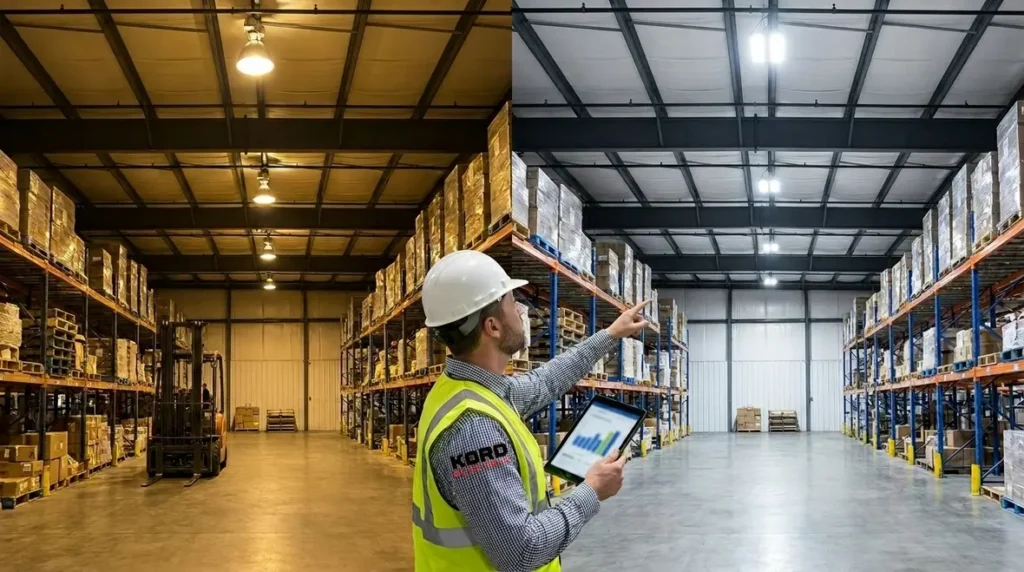
Most facilities do not lose money because the fixtures are bad. Instead, they lose money because the lighting runs the same way all day, even when conditions change. For example, if a room stays lit during nights, weekends, or low activity periods, energy use climbs quietly. Then, demand charges and HVAC load can follow, because extra heat from lighting adds strain.
Furthermore, we often find controls installed years ago that no longer match how the building operates today. Maybe tenant schedules shifted. Maybe there is new manufacturing uptime or a remodeled floor plan. As a result, older systems still behave like they are in a past version of reality. Our technicians review these patterns and explain what they mean for your bills, your comfort goals, and your maintenance costs.
To be clear, we do not sell controls like they are magic. We treat them like a smart layer that sits on top of your electrical system. It senses, decides, and dims at the right moments. That is where ROI shows up. Like a good plot twist, it happens when you stop paying for lights to do nothing.
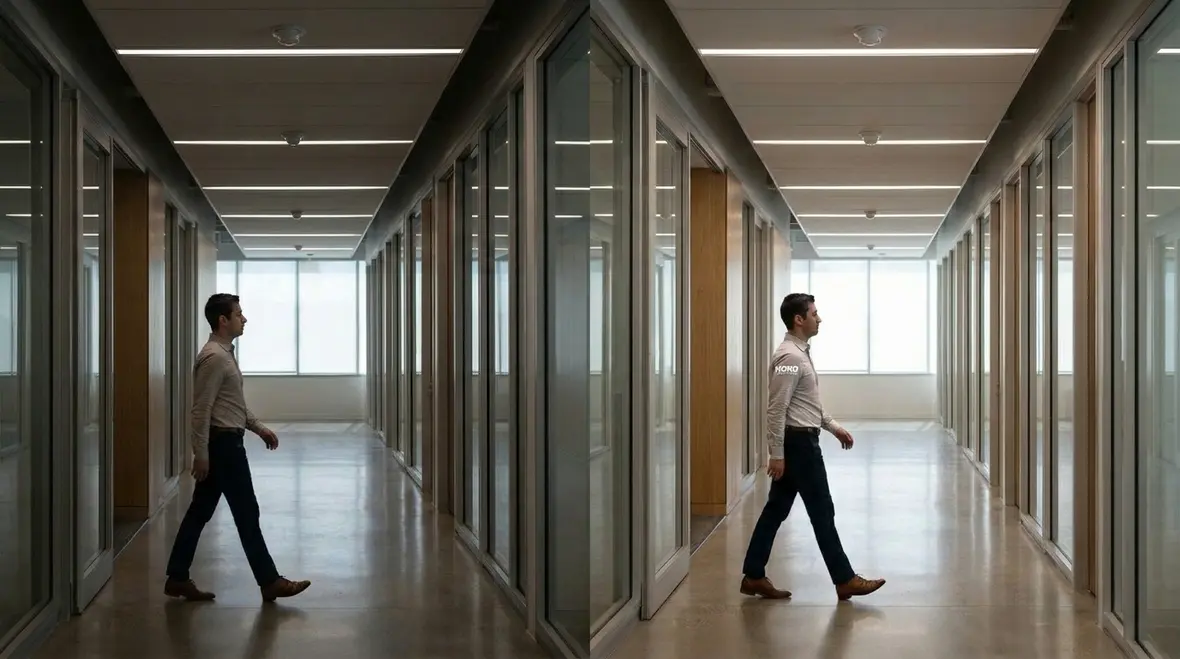
How intelligent control systems cut energy without cutting performance
When Kord Electric designs commercial lighting control integration, we map out how light needs to behave. Then we build a control strategy that supports both people and energy targets. Typically, that means:
- Occupancy sensing so lights respond to real use, not guesses
- Time scheduling aligned to operating hours and after hours policies
- Daylight harvesting to reduce output when sunlight already does the job
- Layering and zoning so the whole building does not act like one big room
- Scene control so spaces stay consistent for tasks, safety, and visibility
Next, we focus on performance. Dimming and scheduling must support your task needs. Otherwise, you get complaints, rework, or disabled controls. That is not savings. It is expensive chaos. Our expert service staff tests and tunes settings so the lighting levels feel right to the people who use them every day.
And yes, we do notice the humor in it. Facility managers sometimes say, “We installed controls, and now the lights act like they are moody.” That usually means the settings were not tuned for the building. We fix it, patiently. We also document it, so the next person who touches the panel does not feel like they are defusing a mystery box from a TV show.
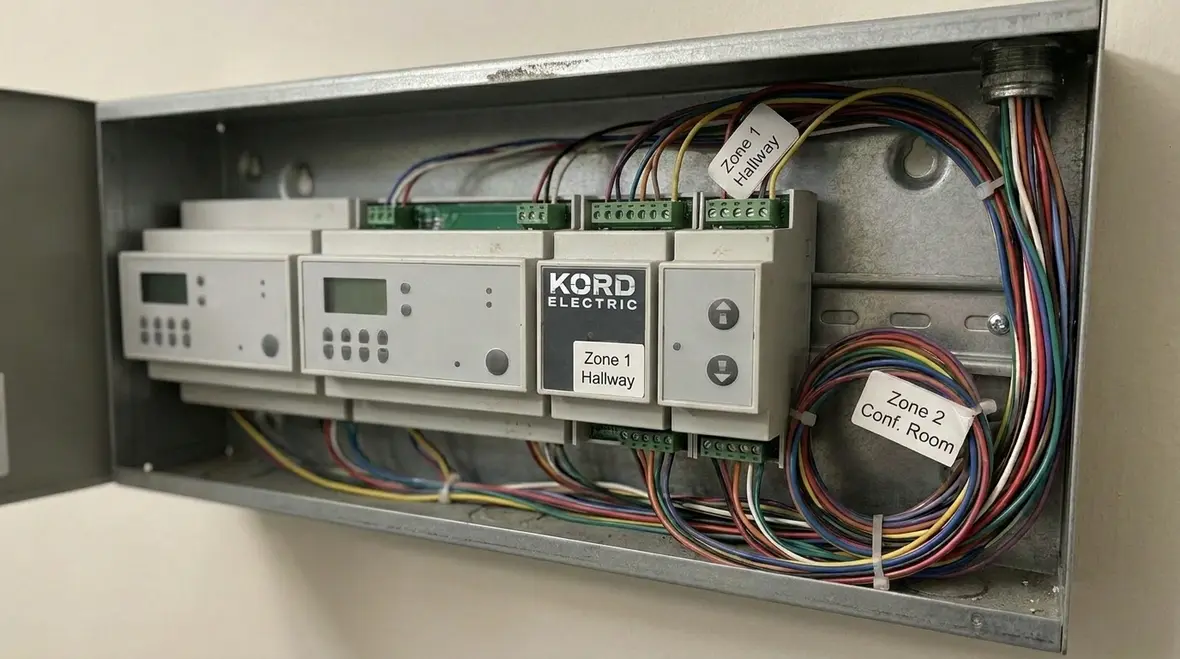
Panel, wiring, and retrofits: where costs really live
ROI often depends on what you must change in the electrical system, not only on the controls themselves. When owners estimate retrofit costs, they may focus on fixtures and overlook the supporting electrical work that makes controls reliable. That is why we talk about rewiring and system adjustments early.
As described in our rewiring cost guide for commercial electrical systems, rewiring expenses can vary based on building size, existing wiring condition, and the amount of new conductor work needed for control pathways. We reference that approach because it sets expectations: sometimes the work is straightforward, and sometimes it requires careful planning to avoid downtime.
To keep the process calm and predictable, our team typically evaluates:
- Existing wiring type, condition, and routing paths
- Panel capacity and available circuits
- Whether control signals run through power pathways or require separate routing
- Fixture inventory and driver compatibility
- Access needs, especially in live production areas
Then we coordinate the scope with the reality of commercial and industrial sites. We plan for safe work, minimize disruption, and sequence tasks so your operation stays steady. In other words, we build a retrofit plan that fits your calendar, not just our drawing stack.
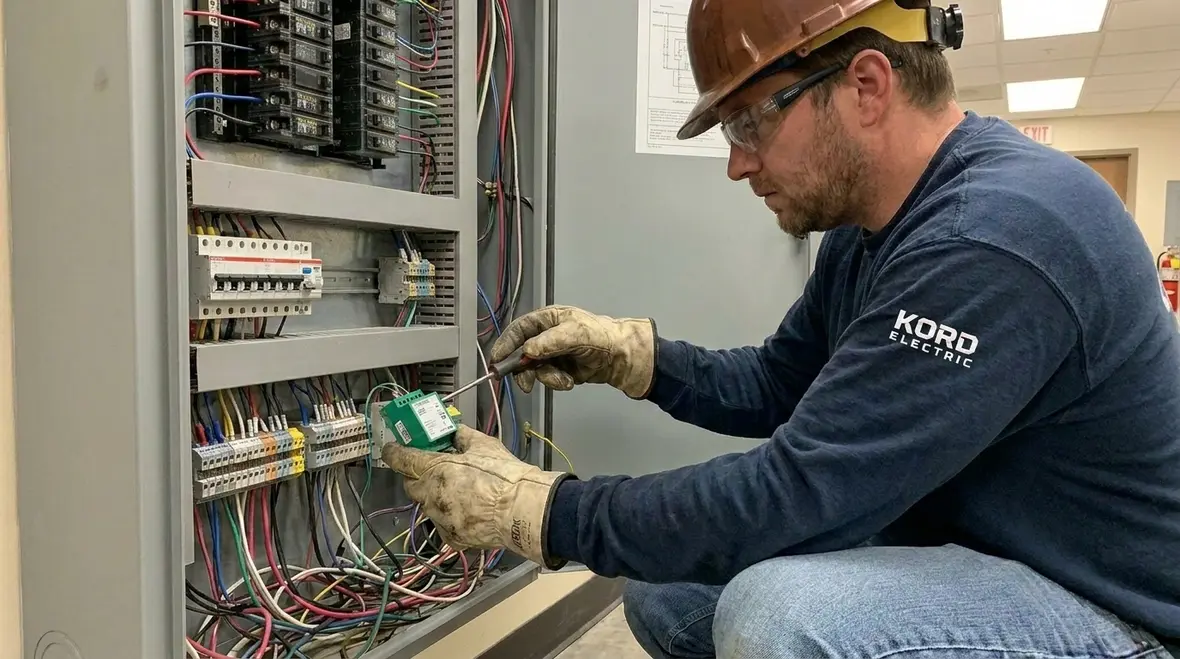
Design integration that protects safety, uptime, and compliance
A building can save energy and still fail if the system creates reliability issues. Therefore, we design commercial lighting control integration with safety and durability in mind. We pay attention to how controls interact with electrical components, how zones are grouped, and how the system behaves during power events.
For major property buildings, the goal is simple: lights should come on when they must, and they should respond reliably to normal use. At the same time, we avoid overcomplicated logic that becomes hard to troubleshoot. Our technicians explain each step, in plain terms, so your teams know what to expect after installation.
We also look at how lighting controls support broader facility goals. For instance, consistent illumination supports safer routes and work areas. Additionally, smarter controls reduce surprise maintenance by matching driver behavior and reducing unnecessary cycling. And because commercial and industrial environments often run with strict downtime windows, we build the integration plan to support staged commissioning. That means less downtime, fewer interruptions, and smoother sign off.
If you ever hear someone say, “We’ll just wire it and hope it works,” we gently remind them that hope is not a commissioning method. We prefer test results, verified coverage, and settings that match your building operation.
Commissioning and tuning: where savings become real
After installation, many systems lose their advantage because no one tunes them. Then, lights stay at levels that cost too much, or sensors do not cover the spaces as intended. As a result, the building never achieves its expected ROI.
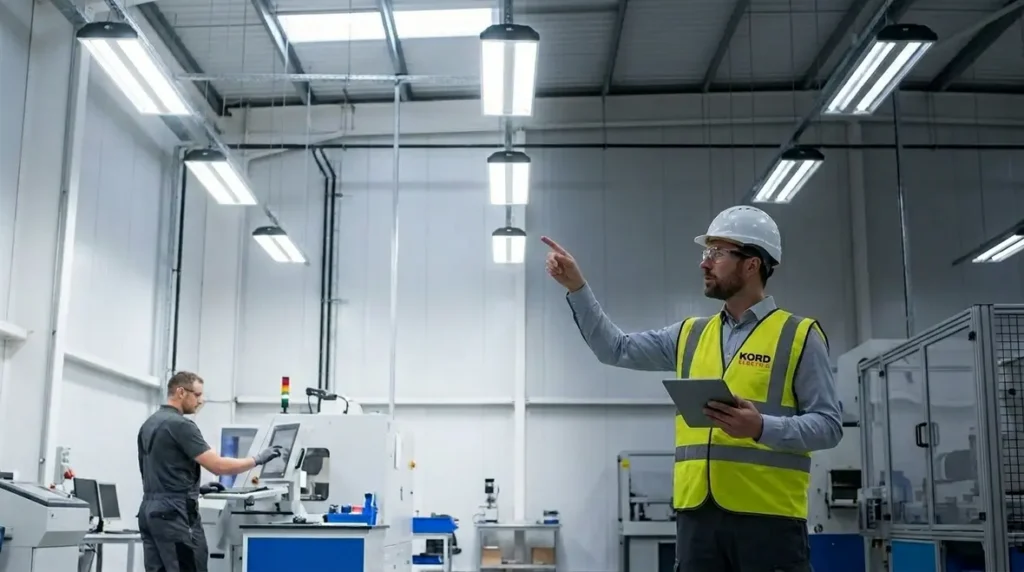
Kord Electric does commissioning and tuning with a practical mindset. We verify sensor coverage, check zoning logic, confirm schedules, and test daylight response where applicable. Next, we fine tune dimming curves and response time. This step matters because comfort and energy sit in the same room. You cannot optimize one without protecting the other.
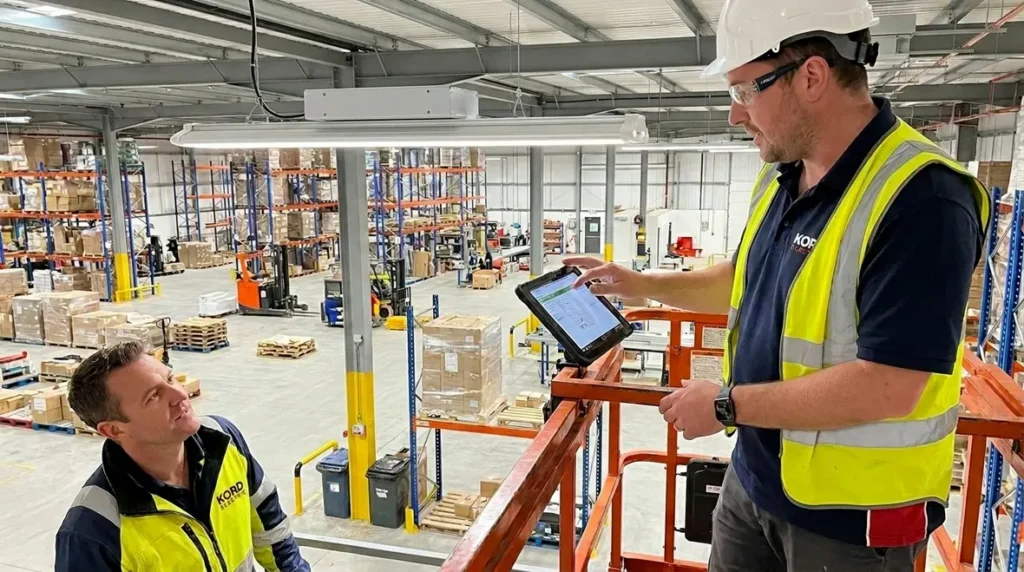
Additionally, we train the people who manage the building. Our expert service staff explains how to adjust schedules, update setpoints, and interpret alerts. We make sure your team can operate the system without calling us every time a tenant changes their hours. Think of it as teaching someone to drive a car, not just handing them the keys and walking away.
When the system runs the way it was designed, the ROI shows up in utility bills, maintenance schedules, and tenant satisfaction. That is when intelligent control integration stops being a project and starts being an asset.
Choosing the right rollout plan for commercial and industrial buildings
Not every facility needs a full building swap on day one. Often, owners get the best ROI by rolling out controls where the payback will land fastest. That usually means we start with:
- Areas with high operating hours
- Spaces with inconsistent occupancy patterns
- Zones with large daylight exposure
- Buildings with recurring complaint calls about lighting levels
Then we scale. We can phase the work to match production schedules, tenant moves, or seasonal operations. Furthermore, a phased rollout lets you verify savings assumptions early. It also helps your teams build confidence in the new control behavior before you expand to more areas.
We also help owners avoid hidden traps. For example, mismatched driver types and incorrect compatibility choices can cause flicker, unexpected dimming, or sensor misbehavior. When those problems appear after installation, they cost time. Therefore, we validate compatibility and plan for what is already in the field.
We treat the rollout like a business decision, not a guessing game. And yes, sometimes a phased plan feels slower at first. But when you compare “slow but correct” to “fast but broken,” the numbers usually pick the calm option.
FAQ
How do we estimate rewiring and retrofit needs?
We review existing wiring paths, panel capacity, fixture and driver compatibility, and control signal requirements. Then we outline a scope that matches your operational constraints. Our team also looks for opportunities to align lighting control work with broader system improvements, so investments in wiring, panels, and controls support each other instead of happening in isolation.
Can controls work during ongoing operations?
Yes. We plan staging, temporary measures if needed, and sequencing that reduces downtime for commercial and industrial facilities. In many cases, we coordinate work with your existing electrical preventive maintenance windows or production breaks so the building moves forward on upgrades without sacrificing uptime.
Do tenants or staff need training?
Yes. We train your teams on schedules, setpoints, basic adjustments, and what to do if alerts appear. Our technicians explain things so it feels manageable, not mysterious. That way, new tenants, new floor plans, or seasonal changes can be handled confidently by your staff without undermining the ROI of the system.
Will daylight harvesting reduce comfort or visibility?
No when tuned correctly. We set target light levels and dimming behavior so tasks remain visible while energy use drops. During commissioning, we collect feedback from the people who actually use the spaces so the final settings feel natural, not distracting.
Related services that support long-term ROI
Lighting controls perform best when they sit on top of a stable, well-maintained electrical system. Many property owners pair commercial lighting control integration with structured electrical preventive maintenance so panel conditions, connections, and breakers stay in step with how the building really operates. This approach reduces unplanned outages, supports safer operation, and helps your control investment deliver consistent results over time.
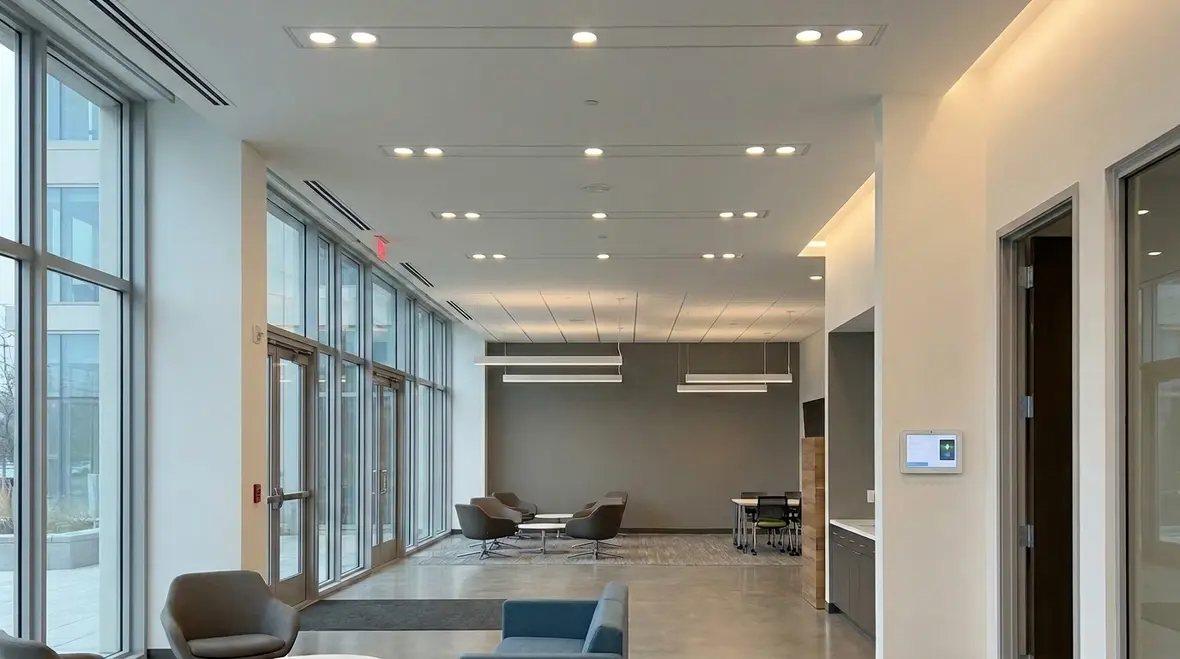
When facilities are also planning fixture changes or new layouts, it can make sense to connect control projects with dedicated lighting upgrades. Kord Electric’s recessed and general lighting installation services help align fixtures, wiring, and controls so the whole system works as one, instead of forcing new controls to manage outdated hardware.
Conclusion: let Kord Electric map your ROI plan
If you want energy savings that hold up under real-world schedules, you need a controls plan built for your building, your electrical system, and your operating team. Kord Electric helps commercial and industrial property owners design commercial lighting control integration that protects performance and creates measurable ROI. Reach out to us for a site-focused assessment, clear scope, and commissioning steps that lead to stable savings. Let’s turn lighting from a cost center into a controlled advantage, and do it without guesswork.
For facilities that want controls to stay reliable year after year, we can align your project with ongoing electrical preventive maintenance services and targeted lighting installation work. This combination builds a foundation where your controls, fixtures, and power distribution support each other, not compete, so your ROI story keeps improving instead of fading out.