Proactive Load Center Maintenance for Commercial Facilities
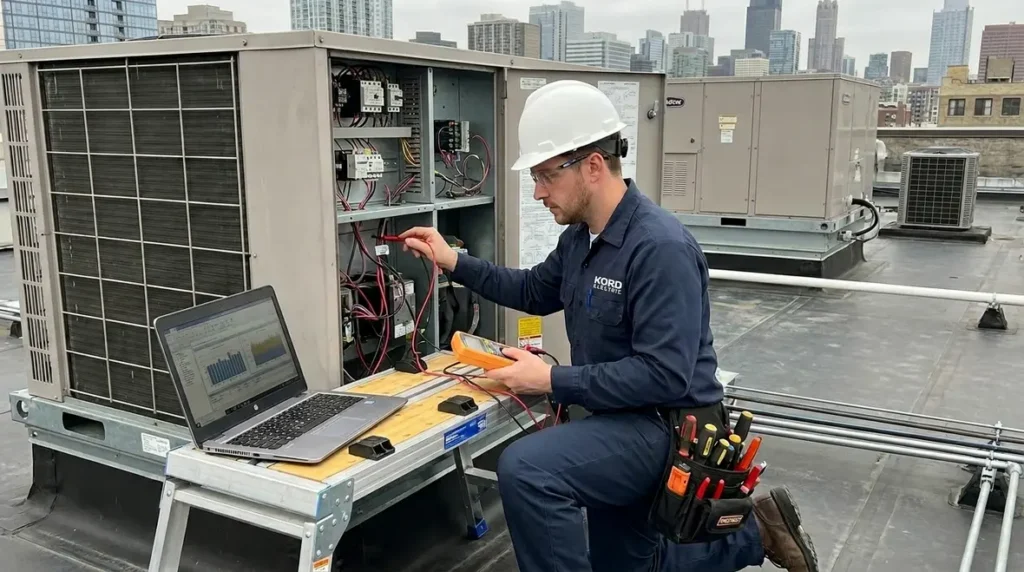
We start every proactive load center maintenance plan with a simple idea: catch trouble before it becomes a headline. Our team follows structured checks like tightening lugs, scanning for heat, cleaning clearances, and verifying protective device performance. Then, we document everything so your facility does not rely on “someone said it was fine.” In the first 100 to 150 words, that is the baseline: inspect, test, correct, and log. After all, a load center is not a vending machine. You do not shake it and hope for the best.
In this guide, we explain how Kord Electric helps commercial and industrial facilities and major property buildings keep power systems steady, safe, and ready for real business hours.
Proactive Load Center Maintenance Tips for Commercial Facilities
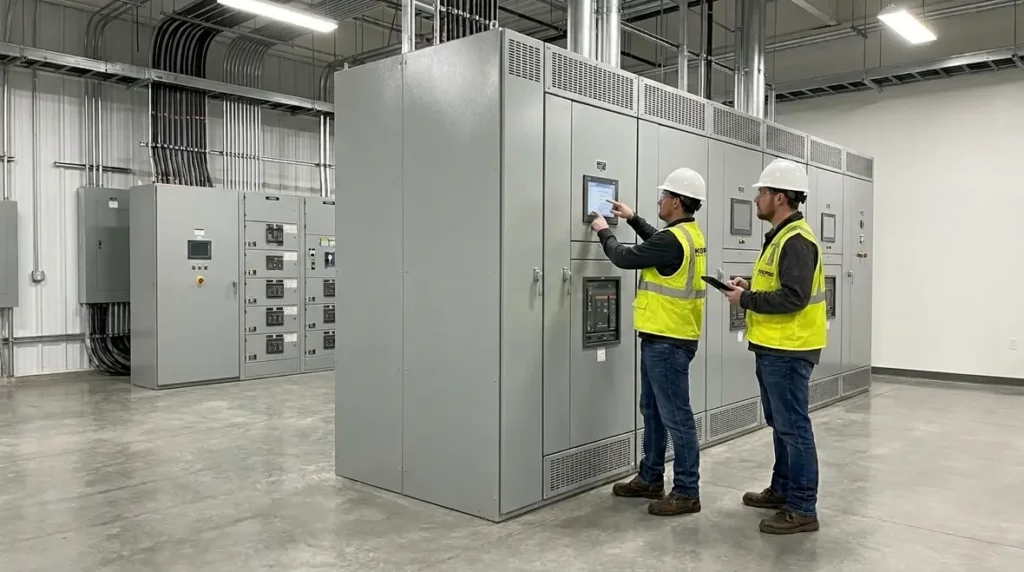
For many building teams, the most practical load center maintenance tips start with habits, not hardware. Build a routine that treats your electrical room like essential equipment, not storage space. Keep clear working space around panels, verify access to directories, and make sure someone actually understands what each major breaker does. Pair that with scheduled inspections, and you transform the load center from a mystery box into a predictable, well-behaved asset. That predictability is where uptime, safety, and budget control start to line up.
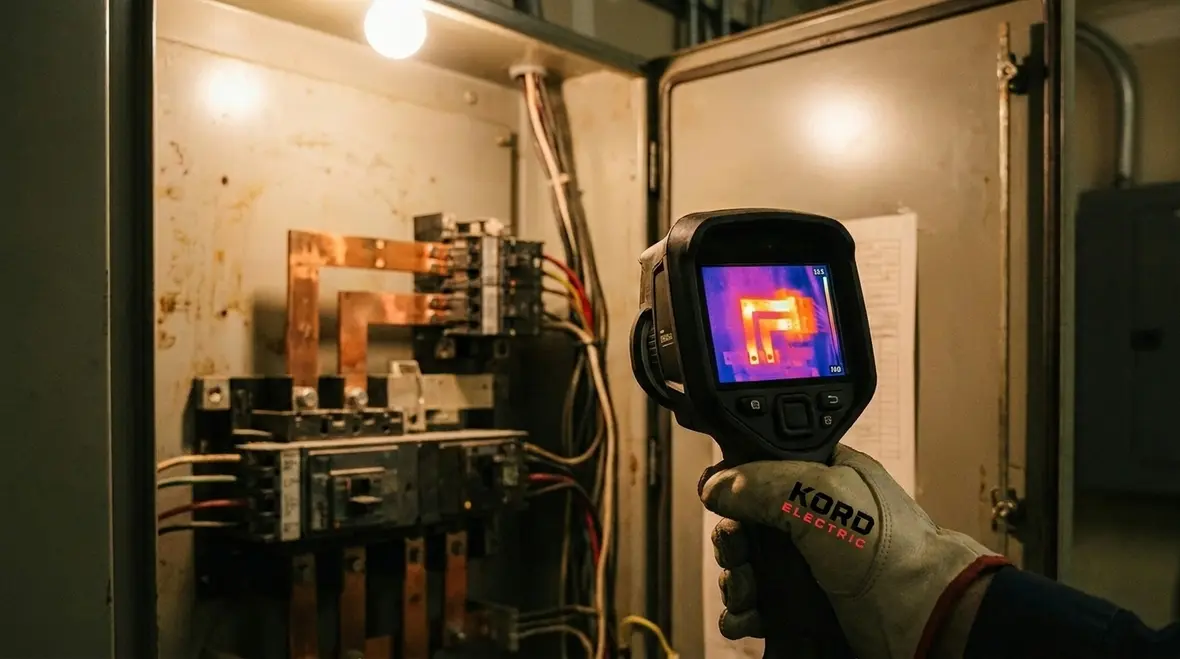
We also align proactive load center work with broader preventive strategies. When a facility already follows a structured electrical preventive maintenance program, load center inspections become a backbone task that supports everything else connected to those panels. That includes lighting retrofits, solar integration, EV charging projects, and high-demand process equipment that all depend on a stable, well-documented distribution point.
Why load center maintenance matters in the real world
Third person teams do the work, but the business feels the risk. When a load center drifts out of spec, failures rarely show up as dramatic sparks right away. Instead, they show up as nuisance trips, rising temperatures, unstable loads, and shortened component life. Eventually, a problem can spread into feeders, breakers, or bus connections. That is when “electrical maintenance” stops being a line item and starts being a disruption.
Meanwhile, other schedules still move forward. The warehouse still needs lights, the office still needs elevators, and the retail wing still needs security systems. So, we plan maintenance with the facility’s operating rhythm in mind. We tell owners and facility managers exactly what we check, what we find, and what we recommend next.

In the real world, this also includes coordinating with other infrastructure projects. If a facility is planning a lighting upgrade, adding solar, or deploying EV charging, the load center becomes even more critical. A stable, well-maintained panel makes it easier for projects like a commercial lighting upgrade or a commercial EV charger installation to plug into the existing system without pushing weak points past their limits.
What we include in a preventive load center inspection
Our expert service staff uses a repeatable process. First, we review the facility’s load profile and the equipment history. Then, we inspect the load center itself, focusing on areas that usually betray performance before full failure. We avoid guessing, because guessing wastes time and money.
During inspection, we typically cover these key points:
- Visual checks for dust, moisture signs, corrosion, and loose hardware around enclosures and doors
- Verification of breaker condition and correct labeling, because “mystery circuits” create expensive troubleshooting
- Torque verification of main and feeder connections where safe and appropriate
- Inspection of bus bars and phases for discoloration and uneven wear patterns
- Verification of grounding and bonding integrity at the load center
And yes, we keep it practical. If a building manager wants the cleanest answer, we provide it in clear language. If the engineering lead wants deeper detail, we also provide that, because good reporting helps future planning.
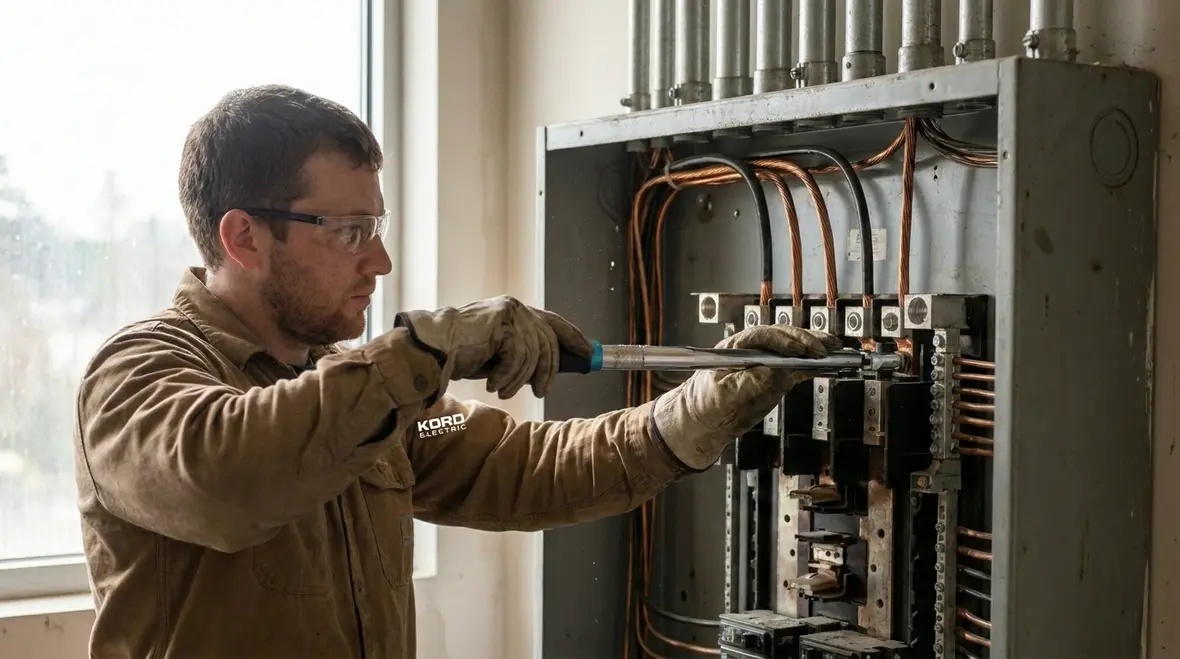
We also sync this inspection work with larger reliability goals. For facilities running critical operations or high-traffic campuses, a preventive load center inspection may tie directly into a broader electrical preventive maintenance schedule. That connection keeps data consistent over time, so patterns in temperature, breaker activity, or load growth become clear instead of surprising.
How our technicians test for heat, imbalance, and hidden wear
Even when the load center looks fine, it can run hot internally. So, our technicians use tools and checks that reveal what the eye can miss. Over time, loosened connections, aging terminations, and degraded components create small resistance changes. Those changes can turn into heat. Heat then speeds aging. Finally, aging turns into failure.
To prevent that chain reaction, we use methods that support decisive action:
- Infrared scanning during relevant operating loads to spot hot spots and abnormal temperature patterns
- Verification of breaker operation and contact condition based on manufacturer guidance
- Checks for potential phase imbalance indicators where applicable to the facility’s electrical distribution
- Assessment of airflow and obstruction risk around panels and adjacent spaces
At this stage, we often explain findings in plain business terms. For example, we may say a connection shows early signs of increased temperature, and we will recommend corrective action before it turns into a “call us at 2 AM” situation. That is not a scare tactic. It is just the reality of how commercial power systems behave.
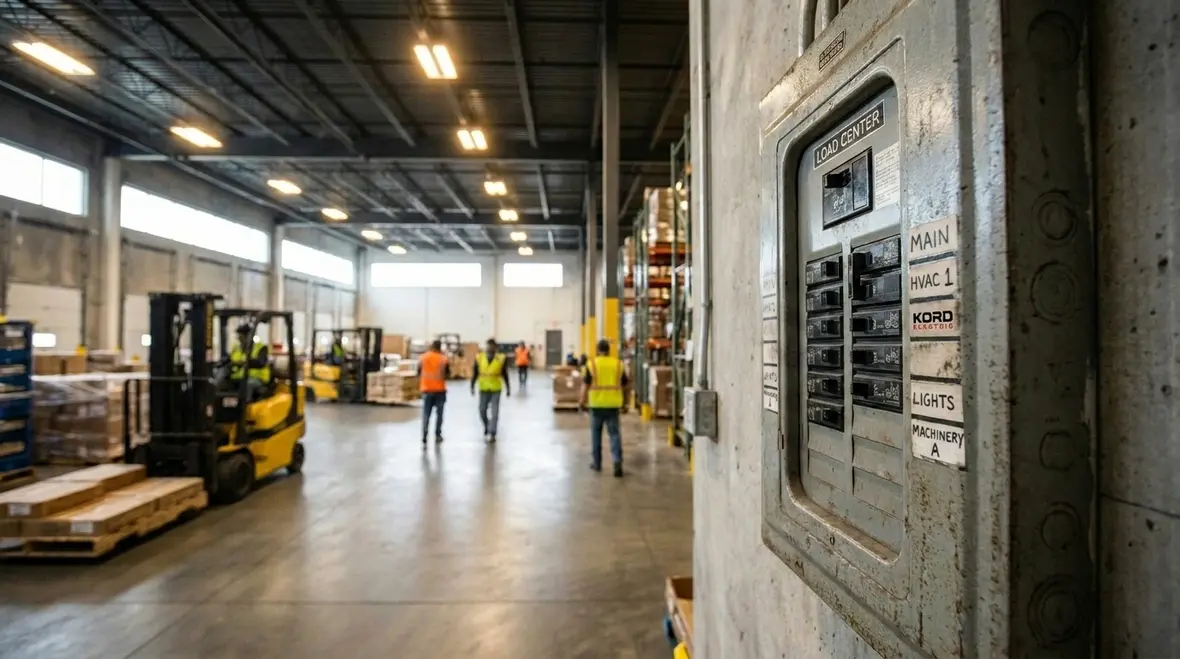
These same thermal and diagnostic habits show up across the facility. Whether we are supporting panel work tied into solar integration, evaluating the impact of new EV charging loads, or checking feeder behavior for lighting upgrades, heat patterns and imbalances often tell the story before breakers or equipment fail. That is why structured infrared checks are a staple inside robust electrical preventive maintenance programs.
Maintenance schedules that fit commercial and industrial uptime
Every facility has its own clock. Some run 24 hours. Others shut down at night, but still need stable service during business hours. So, we help building teams choose a schedule that matches their risk level and operating conditions.
For many commercial and industrial settings, a consistent cadence beats random “fix it when it breaks” work. Therefore, we build plans around seasonality, load changes, and equipment age. Then, we align service windows to reduce downtime and keep critical circuits protected.
When we discuss timing, we cover practical triggers that require attention sooner than planned:
- Facility renovations that add new equipment or change load behavior
- Repeated nuisance trips or alerts from power monitoring systems
- Events that introduce moisture, dust, or vibration beyond typical levels
- High cycling loads like frequent motor starts and process changes
- Any history of overheating or discoloration found during prior visits
And if you are thinking, “We will handle it next quarter,” we understand. Next quarter often becomes a theme. Still, our team helps you set a schedule that keeps the building stable now, not later. Think of it like changing the oil before the engine starts auditioning for a disaster movie.
For multi-building portfolios or high-stakes facilities, coordinating load center maintenance with a formal electrical preventive maintenance plan gives everyone a clear roadmap. That roadmap ties together panels, switchgear, generators, emergency lighting, and other critical systems so inspections feel intentional, not random.
Common load center issues we catch before they escalate
There are a few troublemakers we see again and again in major property buildings and industrial facilities. Because we work across these environments, we know the patterns. Then, we plan repairs that keep the whole distribution system healthier, not just the visible part of the problem.
Here are issues our expert staff commonly identifies during load center maintenance checks:
- Loose or aging terminations that create resistance and hot spots over time
- Contamination from dust, construction debris, or moisture that can reduce insulation quality
- Grounding and bonding gaps that can impact fault protection performance
- Breaker wear from frequent cycling or long-term stress
- Inadequate labeling that slows troubleshooting and increases risk during emergencies
Once we find these items, we do not stop at “noted.” We recommend corrections with clear next steps. Moreover, we explain why the issue matters, because a facility team cannot manage risk if it cannot understand it.
Some of these corrections may also support other upgrades you are planning. For example, if we see weak terminations and labeling in a panel that will eventually serve an EV charging project, we will address those issues before additional load arrives. That way, when infrastructure like a new charging layout or lighting system connects, the underlying load center is already in strong shape.
Documentation, reporting, and safer decisions for owners
When a facility owner asks, “What did we get for the service cost?” we answer with real documentation. Our process emphasizes records because they help you plan future work, budget correctly, and reduce surprise downtime. Also, strong documentation supports compliance needs and internal audits.
Our reports typically include:
- Equipment identification and inspection scope
- Observations with severity levels where appropriate
- Photos or thermal details when we capture them
- Recommended corrective actions with priority and timing guidance
- Maintenance notes for follow up in the next cycle
We also help teams connect the dots. For example, if we see a recurring temperature pattern near a specific breaker or feeder, we explain how that connects to load behavior and termination condition. In plain terms, we show you where to focus so you do not pay to chase ghosts. And in case you are wondering, no, ghosts do not meet code requirements.
Because documentation from load center maintenance often feeds back into a wider electrical strategy, we make sure it plays nicely with other records. If you are already tracking data from an electrical preventive maintenance program, solar integration work, or lighting and EV charger projects, we align reporting so your team can see the whole story, not a stack of unrelated PDFs.
FAQ about proactive load center maintenance
Ready for a calmer electrical operation? Kord Electric can help
If you run a commercial or industrial facility, you deserve power systems that stay steady, not systems that gamble. Kord Electric helps you build a proactive load center maintenance plan with clear inspection steps, expert technician support, and reporting you can trust. We work with major property buildings to schedule service around uptime and operational needs. Reach out to us today, and let’s map your next maintenance cycle before the next unexpected outage tries to steal your week.
If you would like to connect this work to a full reliability strategy, you can explore Kord Electric’s dedicated electrical preventive maintenance services. For facilities planning additional projects—such as new EV charging infrastructure or lighting improvements—our EV charger installation services and commercial lighting solutions can be designed to fit the same load center strategy, so growth remains stable instead of chaotic.
When you are ready to turn “we should really get that checked” into a clear, documented plan, Kord Electric is ready to help you schedule inspections, coordinate access, and keep your load centers ready for real-world business hours.