Commercial Lighting Control System Benefits
Smart lighting control does more than cut bills: it upgrades how facilities operate
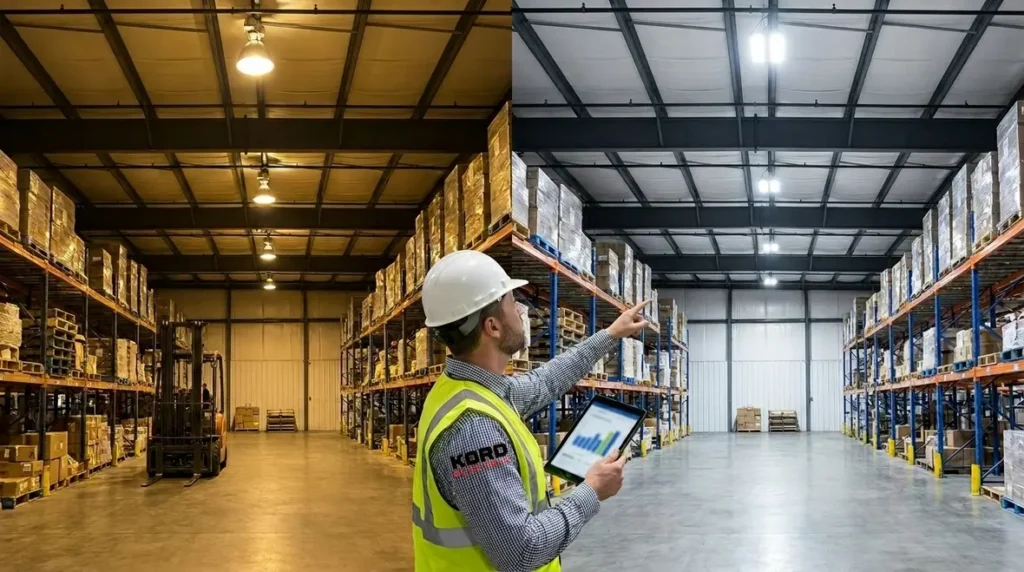
At Kord Electric, we see lighting as an operating system, not just a row of fixtures. Our commercial lighting control system benefits go beyond energy savings, because the right controls improve comfort, simplify maintenance, and give building teams clearer insight into how space performs. And yes, while most people still think lighting only matters when something turns on, ours helps ensure the right lights come on at the right time, for the right reason.
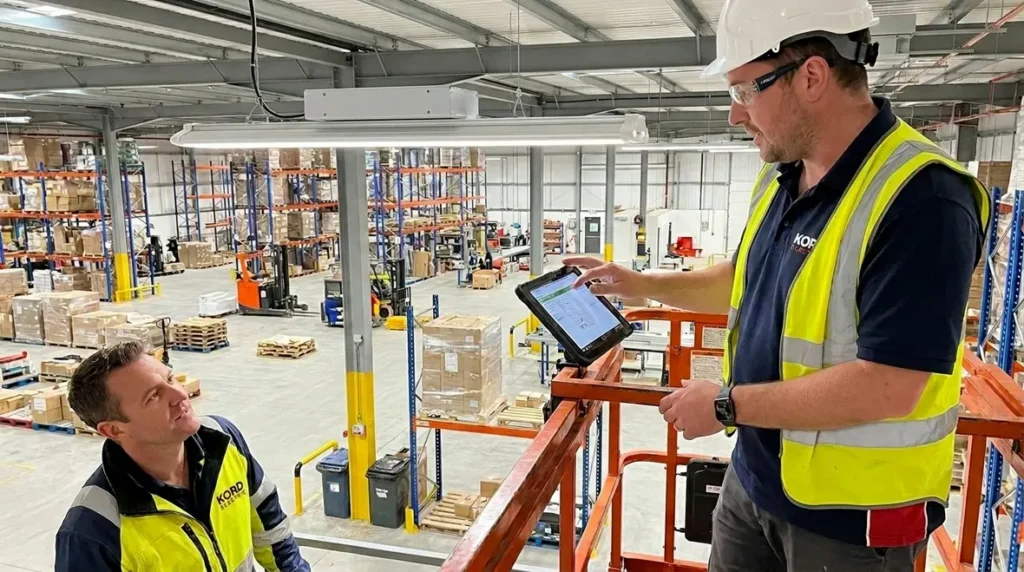
We also explain everything in plain language. Our technicians and expert service staff walk people through what they can expect, how sensors behave, and how zoning prevents those “why is this area so bright?” moments that make everyone look like they just lost a bet.
Where smart control changes the daily workflow
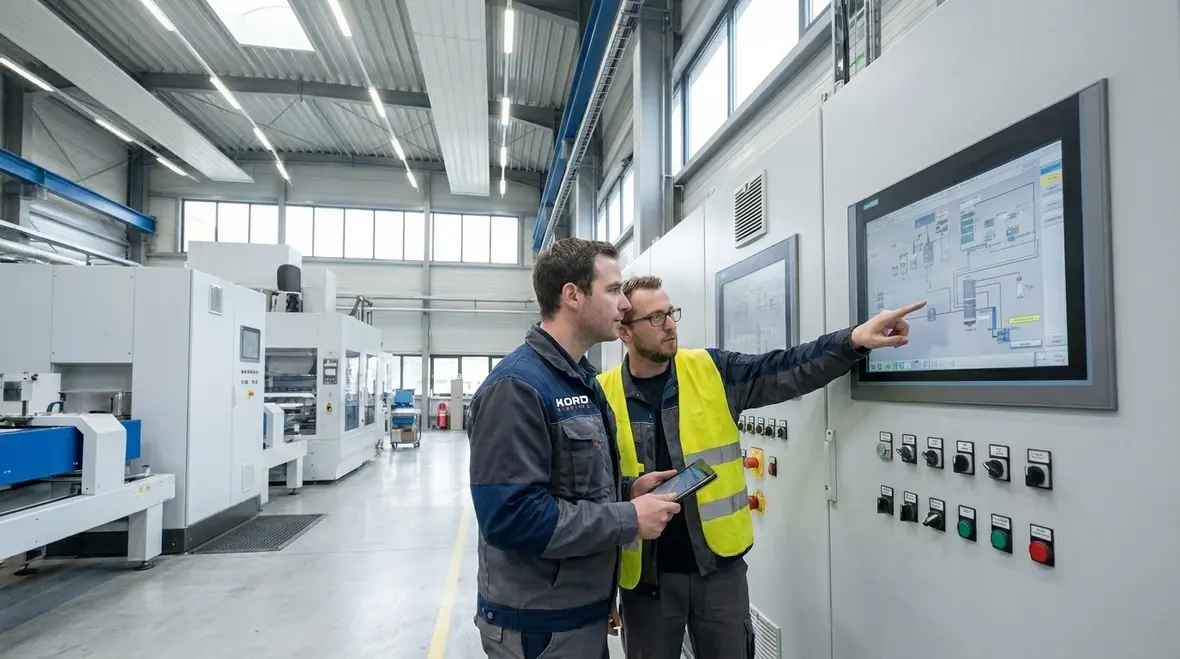
Lighting schedules sound simple, yet they shape how a facility runs. When our team installs a smart control system, operations stop guessing. Instead, they rely on settings that match how spaces actually get used, from shift-based patterns to event schedules.
Additionally, we design zones that align with work areas, corridors, parking, and loading zones, so lighting responds to real occupancy and task needs. As a result, the building team spends less time manually adjusting timers, and more time handling the work that actually pays the bills.
Also, it reduces interruptions. For example, a tenant in a shared facility may want lighting to feel brighter for inspections but softer during standard runs. With smart control, others do not get stuck with an outdated “set it and forget it” plan.

Better comfort, fewer complaints, steadier productivity
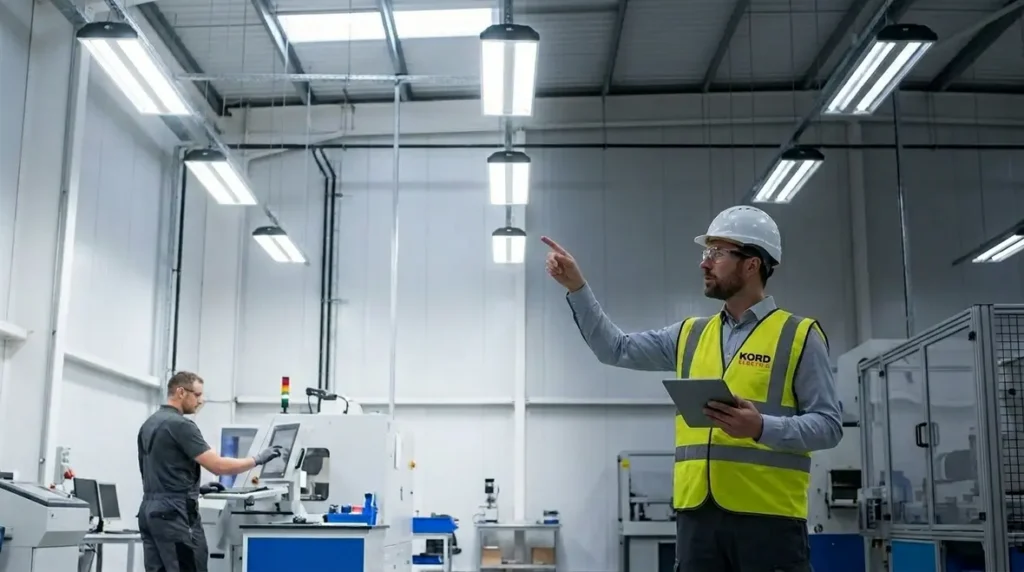
Commercial and industrial spaces rely on visual clarity. When lighting levels match the activity, people move more confidently and work faster. That is why we emphasize scene control and dimming strategies during design. We tune lighting to tasks, not just wattage targets.
Furthermore, consistent illumination supports safer workflows. Loading docks, stairways, and production lines need reliable light without sudden shifts. Our technicians confirm tuning during commissioning, so the system performs smoothly on day one, not “someday” after the first complaint.
And let’s be honest: nobody wants the lights flickering like a poorly synced band at a streaming concert. Smart systems help avoid that by coordinating controls properly, which keeps the facility feeling stable and professional.
Predictive maintenance: stop fixing lights after they fail
Most facilities manage lighting like it is a fire drill. Something goes out, someone reports it, then the team responds. Smart control flips that approach. When we deploy a commercial lighting automation solution, it can support monitoring patterns that help identify issues earlier.
For example, our expert service staff can help map device health and usage trends across zones. Then, rather than chasing failures, the facility can schedule maintenance based on real conditions. This supports fewer emergency visits, better labor planning, and fewer disruptions to operations.
Meanwhile, better data helps procurement. If parts or drivers show trends, teams can stock what they need and avoid last minute procurement runs. That keeps downtime down and keeps stakeholders calm, which in many buildings is the real currency.

How zoning and sensors improve control without annoying overrides
One size fits all plans fail in real facilities. People, forklifts, racks, aisles, offices, and storage areas all behave differently. So we focus on zoning logic and sensor placement that fits the building layout.
When occupancy sensors work with daylight harvesting and scheduling, lights can dim when areas are naturally bright and rise when people enter and start tasks. Then, instead of aggressive changes, the system transitions in a smooth, controlled way.
However, smart control only helps if overrides behave well. Our technicians configure local behavior so authorized staff can adjust settings without causing the system to fight them. As a result, building teams avoid confusion, and tenants do not feel like the lights are controlled by a mysterious fourth party who has never been on-site.
In short, good zoning protects comfort, supports safety, and keeps operations predictable.
Integration that supports energy strategy and building goals
Many facilities already invest in energy dashboards, HVAC upgrades, and controls platforms. Our job at Kord Electric is to make lighting fit into the bigger strategy, not sit beside it like an unrelated appliance. We align lighting control with broader building priorities, including operational schedules, utility goals, and space management.
Because commercial and industrial facilities vary, we help teams choose the right approach for their architecture and workflow. Then, we document the control logic in clear terms so facility managers can operate it confidently.
Additionally, we help reduce wasted effort. If a building uses scheduled occupancy, lighting automation should reflect those patterns. If the building uses daylight sensors, lighting should respond to real conditions. This coordination prevents the common scenario where lights run longer than they need to, simply because the schedule was created for an old layout or an older staffing pattern.
And for those who worry about complexity, we keep it practical. Our expert service staff explains what the system does, how it decides, and what staff should do when they need a change. That way, the facility does not just get equipment. It gets a controlled outcome.
Security, reliability, and governance for major properties
Large properties and multi-tenant buildings need consistent governance. Lighting systems should not become a “wild west” where every user changes settings and no one can undo the results. We design controls with role-based operation in mind and provide clear procedures for who can adjust scenes, schedules, and zones.
Reliability matters too. We help facilities select components that match duty cycles and environmental conditions common in industrial corridors, warehouses, exterior areas, and shared common spaces. Then, during commissioning, our technicians validate that the system responds correctly under real conditions.
Finally, we support continuity. When a team changes or a tenant moves, the control strategy must remain stable. Our service team works with customers to ensure documentation stays current and that future adjustments follow a consistent plan.
FAQ
Ready for control that feels calm, not complicated?
If a facility team wants lighting that supports comfort, safety, and smarter operations, Kord Electric can help. We design, install, and commission systems for commercial and industrial facilities and major property buildings, then we explain everything clearly through our technicians and expert service staff. Contact us to review your zones, schedules, and control goals, and to build a plan that improves the way your building runs. We will make sure the lights work like they should, every day.
To explore how a tailored control strategy could look in your building, talk with our team about upgrading to a modern lighting automation approach that supports your broader electrical and energy goals.
Whether you are planning a renovation, expanding your facility, or simply ready to move beyond basic switches and timers, our experts can help you evaluate options and outline a practical path forward that aligns with safety, comfort, and long-term performance.