
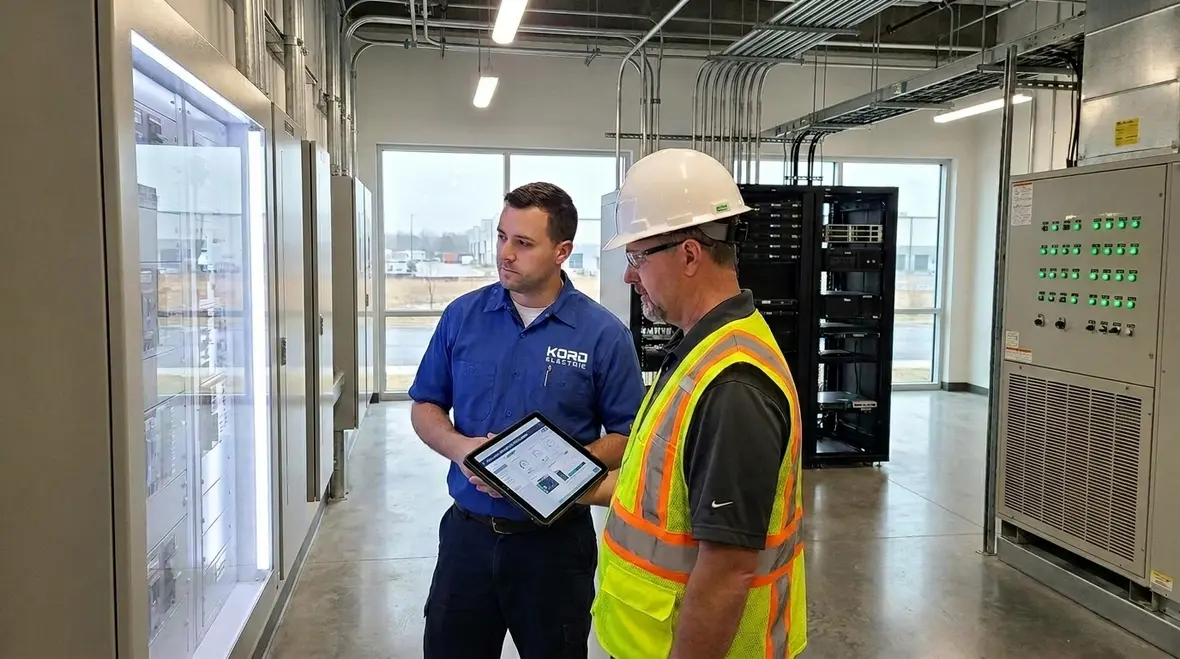
Commercial Smart Building Automation Integration
Commercial Smart Building Automation Integration Sets the Baseline for Efficiency
Kord Electric helps commercial and industrial facilities move from reactive electrical work to planned, automated control. In the first place, our commercial smart building automation integration supports smart scheduling, better load control, and smoother operations across the building. Then, technicians from Kord Electric map how power, lighting, HVAC, and safety systems interact, so automation improves efficiency without creating new headaches. And yes, businesses sometimes treat building systems like they are invincible, until the day the lights flicker and everyone pretends they are calm. We do not do that. We build stable, monitored environments where the equipment can do its job and the property team can sleep at night.
Why Smart Automation Reduces Waste in High Load Buildings
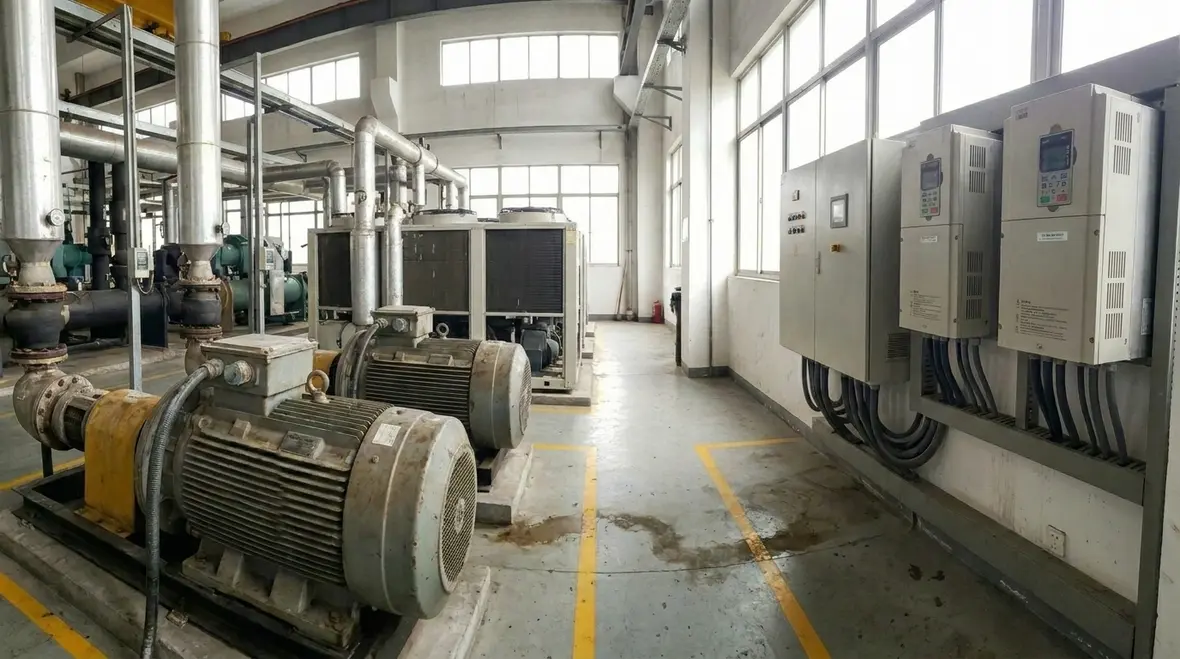
In commercial and industrial spaces, energy waste hides in plain sight. Equipment runs longer than needed, systems respond slowly, and controls repeat the same habits day after day. However, smart automation changes the sequence of decisions. Instead of fixed schedules, the building learns usage patterns. As a result, the system reduces start up surges, avoids unnecessary cycling, and keeps critical loads within a tighter operating range.
Furthermore, Kord Electric designs automation so it coordinates with real electrical behavior. When facilities run motors, drives, chillers, and variable speed equipment, the building needs control that respects power quality and load changes. This approach supports comfort and protects assets, which is the kind of efficiency that pays back over time.
- Better control timing based on occupancy and process demand
- Reduced unnecessary equipment start ups and shutdowns
- Stabilized electrical conditions for sensitive systems
- Fewer manual interventions for facility teams
Integrating Controls Without Breaking Reliability
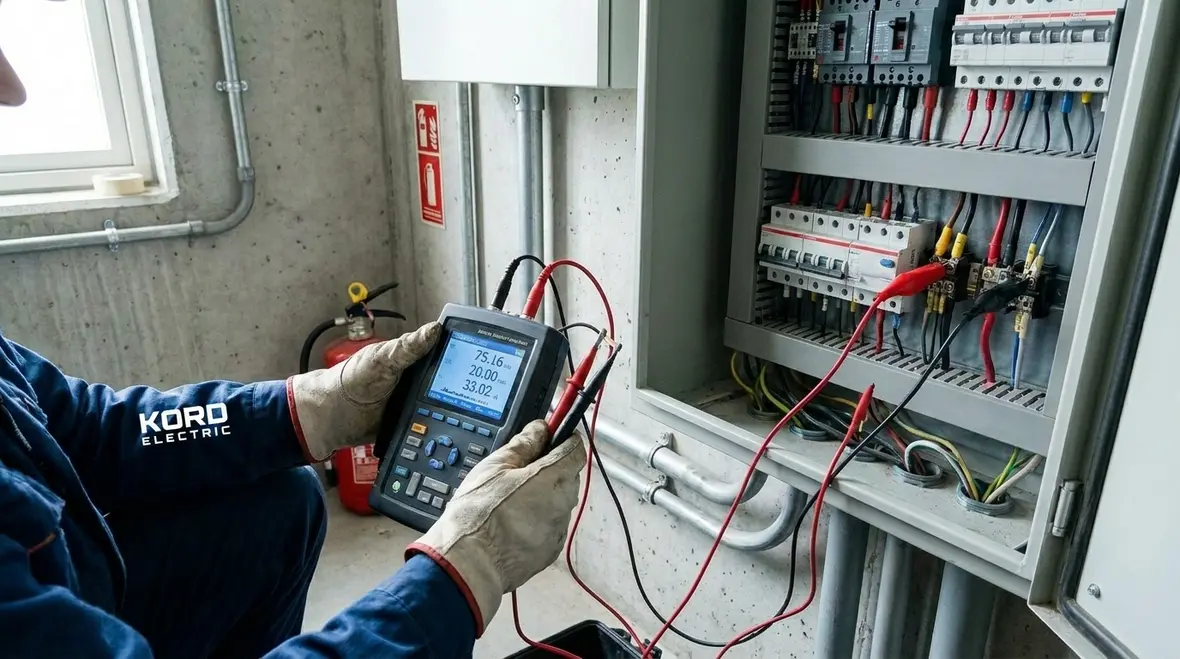
Automation sounds simple until someone asks what happens during a real outage, a maintenance window, or a sudden production shift. Then complexity shows up. For that reason, our expert service staff at Kord Electric explains the plan in plain language and keeps it practical. They tell property managers what gets monitored, what gets controlled, and where the safe limits sit. And if a control idea depends on ideal conditions, we do not pretend. We design for the conditions the facility actually has.
To integrate smart automation the right way, we align three layers. First, we review existing electrical distribution and system capacity. Next, we verify how loads change throughout the day. Finally, we coordinate automation logic with power quality so devices receive clean, stable supply. This careful approach helps facilities avoid “works in the demo” problems, which are about as useful as a screen door on a submarine.
Voltage Fluctuations and Their Impact on Building Automation
Smart systems rely on steady electrical performance. When voltage fluctuates, sensitive electronics and control devices can behave unpredictably. In the field, that can show up as nuisance alarms, shortened equipment life, or controls that drift out of normal operation. Kord Electric references our detailed guidance on the topic of voltage fluctuations in commercial and industrial environments, because the electrical side matters just as much as the software side.
According to our resources on voltage fluctuations in commercial and industrial settings, factors like load changes, loose connections, aging equipment, and utility supply variation can all contribute. Even small swings can stress drives, control panels, and communication equipment, especially when the building has large motor loads or frequent process changes. Meanwhile, automation keeps making decisions based on what it senses. If sensors receive unstable power, the “smart” choices can become less accurate.
Therefore, Kord Electric focuses on both monitoring and corrective strategy. We help facilities identify when fluctuations occur, link them to load events, and recommend system improvements that reduce risk. Then, automation logic gains a stronger foundation, so the building can perform as intended instead of chasing electrical instability.
Monitoring Power Quality So Automation Can Act Confidently
Once the control system gets power it can trust, monitoring becomes the quiet superpower. Our technicians set up the right measurement points and collect data during normal operations and peak events. As the data builds, trends become visible. For example, facility teams can see how voltage behaves during equipment start ups, how harmonics affect sensitive loads, and whether a feeder shows signs of stress over time.
From there, automation can act with confidence. Instead of reacting after faults, the system can schedule operations more smoothly, prioritize critical loads during brief disturbances, and trigger maintenance only when conditions actually require it. And when someone in operations asks, “Why did it do that,” our expert service staff explains the reasoning clearly, without hiding behind technical jargon.
In addition, this strategy helps major property buildings maintain long term performance. It also supports faster troubleshooting, because the data answers questions that a “guess and check” approach would waste. That is how we keep efficiency steady, not swinging like a pendulum with a coffee in hand.
Automation Workflow That Fits Real Commercial and Industrial Operations
Different facilities run different plays. Warehouses, manufacturing lines, office complexes, and mixed use properties all have unique electrical and automation demands. However, the goal stays the same: reduce waste while protecting assets. Kord Electric approaches integration as a workflow, not a one time install.
First, we audit the systems. We review electrical distribution, load types, communication needs, and the points where automation will influence equipment. Next, we design control sequences that match operational reality. Then, we test under load conditions so the system responds correctly when the building actually gets busy. Finally, we document everything in a way facility teams can use quickly.
- Discovery and electrical readiness checks before programming
- Control design that respects process schedules and safety limits
- Commissioning that validates performance under real peak demand
- Training so staff understands actions and alerts
Throughout the process, our technicians and expert service staff keep explanations clear. They help property teams understand what the automation changes, why it changes it, and how they can fine tune it without fear.
How Commercial Smart Building Automation Integration Supports Long-Term Strategy
Commercial smart building automation integration is not just a technology upgrade. It is a long-term strategy move for facilities that want predictable operations instead of firefighting. When automation ties directly into verified electrical behavior, property leaders gain the ability to plan around real numbers instead of guesswork.
Over time, the system becomes a live feedback loop. Schedules tighten as you learn when spaces are truly occupied. Demand profiles get clearer as motors, drives, and chillers report their real usage patterns. Maintenance windows align with actual stress on equipment instead of arbitrary calendar dates. The result is a building that feels calmer to operate, even when production or occupancy ramps up.
For asset managers and operations leaders, this data-backed stability supports better budgeting and clearer capital planning. Instead of being surprised by failures, they can prioritize upgrades, replacements, and expansion with a clear understanding of how each decision affects power quality, uptime, and long-term reliability.
Connecting Automation with Preventive Maintenance Programs
One of the most practical advantages of commercial smart building automation integration is how naturally it pairs with preventive maintenance. When monitoring points are built into the electrical system, the same data that informs automation can also flag emerging issues before they become unplanned outages.
Kord Electric’s team uses this connection to support structured programs similar to those outlined in their electrical preventive maintenance services for commercial and industrial facilities. Automation trends highlight feeders that run hotter than expected, motors that draw unusual current during start up, or circuits that see more disturbances than peers. Those clues help maintenance teams focus effort where it actually matters.
Instead of walking the building with a clipboard hoping to notice something unusual, facility staff can review dashboards, reports, and targeted alerts shaped by real operating data. The result is a tighter loop between what the system sees and what technicians do, which keeps critical infrastructure steadier over the long haul.
Using Automation Data to Guide Electrical Upgrades
Smart automation also shines when it is time to plan electrical upgrades. When property leaders consider panel replacements, new feeders, or expanded capacity for future equipment, they want more than rough estimates. They want to see how the system behaves today, under real load, across seasons and production cycles.
Because automation already tracks runtime, demand peaks, and voltage behavior, it becomes a living data set for upgrade planning. That same perspective is reflected in Kord Electric’s broader guidance on capital improvements, such as their rewiring cost guide for commercial electrical systems. When you understand how power flows through the building, you can decide where to invest for the most impact.
In many facilities, this leads to phased projects. Automation helps stabilize what you already have, while targeted electrical work removes bottlenecks, cleans up aging circuits, and prepares the infrastructure for new technology. Instead of disruptive, all-or-nothing overhauls, leadership gains a controlled path forward.
Aligning Automation with Lighting and Specialized Electrical Systems
Automation becomes even more valuable when it reaches into specialized systems like high-bay lighting, exterior security lighting, or production-area task lighting. These loads are often predictable, repetitive, and perfect candidates for smarter control. Yet if they are not coordinated with power quality and demand, they can still create unwanted stress on the system.
By combining automation with disciplined installation practices similar to those used in Kord Electric’s commercial and industrial lighting installation services, facilities gain both visual performance and electrical stability. Lighting sequences respect occupancy, daily schedules, and seasonal changes, while the underlying circuits remain balanced and properly protected.
For example, a warehouse may dim or shut down certain aisles during off-peak hours while keeping dock areas fully lit. An office complex may link conference room lighting to occupancy sensors and calendar usage. In each case, automation reduces waste without creating surprises for people who simply need to do their jobs.
Frequently Asked Questions
Call Kord Electric for Smart Automation That Holds Up
Kord Electric builds commercial and industrial automation that works in the real world, not just in presentations. We integrate controls with electrical performance so your facility gains efficient scheduling, steadier operation, and smarter power behavior. Then our technicians and expert service staff explain what is happening and why, so your team can manage the system with confidence.
If you are ready to upgrade reliability and cut wasted energy, reach out to Kord Electric today and let us map a plan for your building. For facilities that want to extend the benefits of automation into broader reliability and uptime, you can also explore our dedicated electrical preventive maintenance services for commercial and industrial properties and plan a roadmap that keeps your system strong year after year.
When your strategy includes electrified fleets, smart lighting, and expanded equipment, pairing automation with projects like commercial and industrial EV charger installation helps keep all of those new loads running smoothly on a stable, well-managed electrical backbone.


