Commercial Smart Lighting Cost Analysis: Installation, Savings & ROI
At Kord Electric, we regularly help commercial and industrial facilities make smarter lighting decisions, and we do it with a calm, practical approach. In this guide, we share a Commercial Smart Lighting Cost Analysis: Installation, Savings & ROI that looks beyond the sticker price. We explain what drives installation costs, how controls reduce waste, and why payback often improves when upgrades align with your building schedule. Next, we walk through the real math: energy use, maintenance, rebates, and how sensor placement changes outcomes. Then, our technicians explain the “why” in plain language, because nobody should feel like they need a decoder ring to run a lighting system. Yes, even when the building tech vendor talks like it is describing a spaceship.
What makes commercial smart lighting upgrades cost more at first?
When a building owner hears “smart lighting,” they often picture a bigger bill upfront. However, the initial cost does not come from smartness alone. It comes from the work needed to make the lighting system behave intelligently. First, we evaluate the current wiring, fixture types, and control infrastructure. Then, we confirm whether you need new dimming drivers, additional sensors, or updated panel labeling and switching.
In many facilities, the biggest early costs show up in three places. The first is controls and hardware, including occupancy sensors, daylight sensors, gateways, and sometimes room level controllers. The second is electrical integration, where we ensure the existing circuits support dimming and scheduling. The third is layout and commissioning, which means we tune settings based on actual usage patterns, not generic factory defaults.
Now, here is the part that saves you later. If we design the system correctly the first time, you avoid paying for constant “tweaks” in the middle of the year. Others may install fast, but we install with long term performance in mind, because a lighting system is not a microwave. You do not just hit start and walk away.
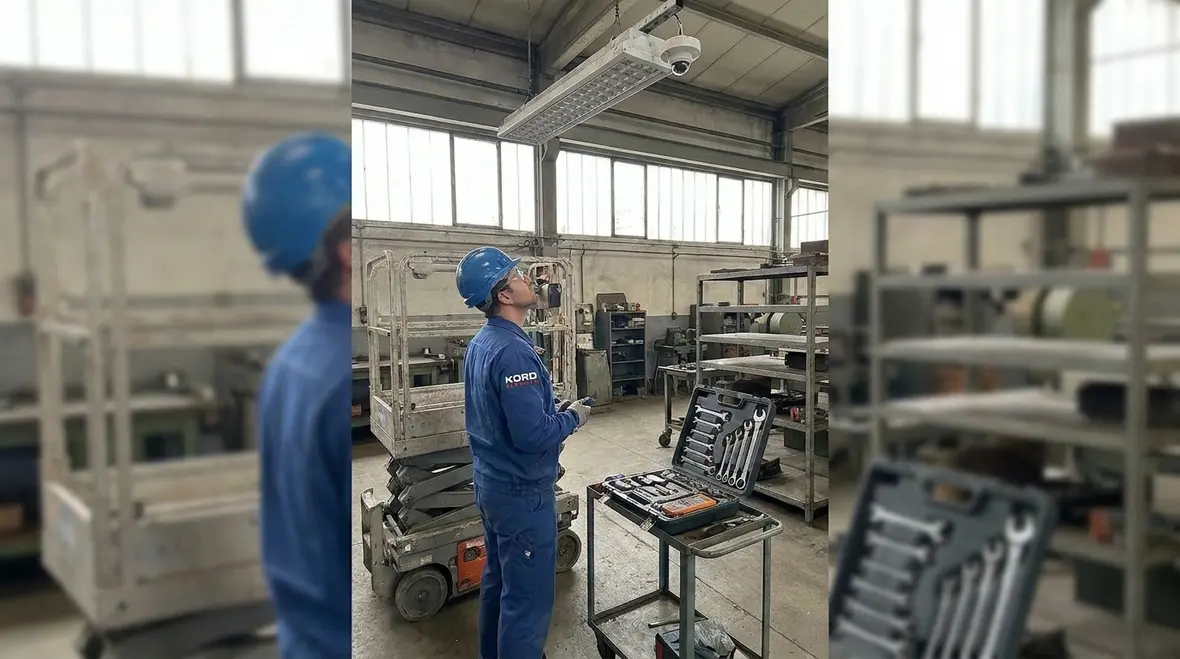
Commercial Smart Lighting Cost Analysis: Installation, wiring, and commissioning details
Our team at Kord Electric breaks the Commercial Smart Lighting Cost Analysis: Installation, Savings & ROI into clear buckets so your stakeholders can understand it. We typically look at the following cost drivers during planning.
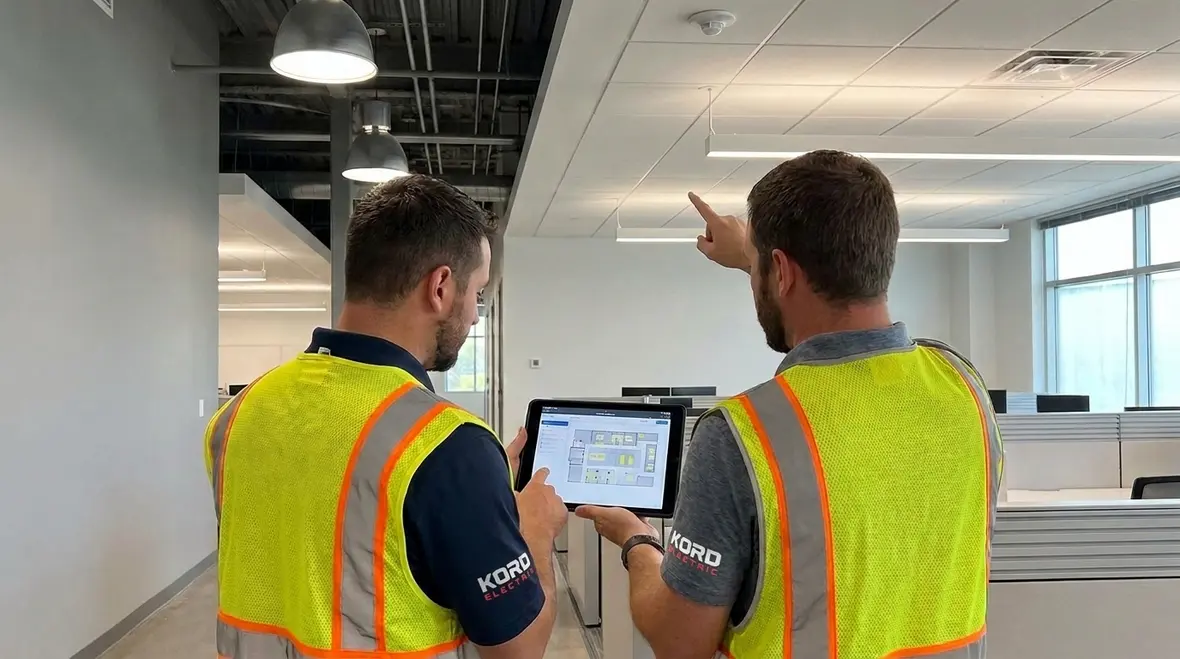
- Site survey and controls mapping: We measure zones, door traffic patterns, skylight impacts, and where glare or shadows often appear.
- Fixture compatibility: Some existing fixtures can dim cleanly. Others require driver swaps to avoid flicker or uneven output.
- Wiring and panel work: Smart systems may need line voltage control, low voltage communication, or updated switching logic.
- Network and gateway setup: Many upgrades include local control plus optional monitoring features.
- Commissioning and testing: Our technicians confirm occupancy response, time schedules, daylight behavior, and override functions.
To be direct, commissioning is where performance is proven. After installation, we test how sensors respond when spaces sit empty, when employees pass through quickly, and when daylight changes during morning and afternoon shifts. Then, we fine tune sensitivity and dimming levels to match your building. Because if motion sensors act like they are scared of their own shadow, the savings will fade fast.
Also, we coordinate installation sequencing. For commercial and industrial facilities, downtime matters. Therefore, we plan work around operating hours, access routes, and material delivery so production and safety timelines stay intact.
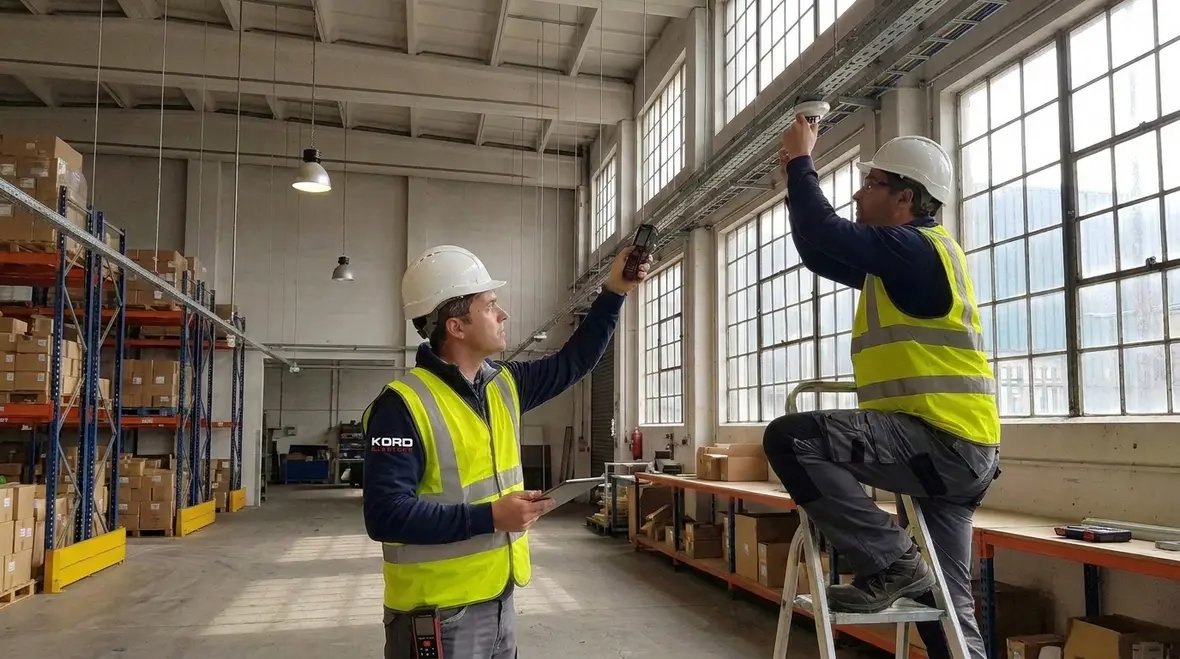
How do smart lighting systems reduce energy use in real buildings?
Many people think smart lighting saves energy only by switching lights off. That is part of it, but it is not the full story. In practice, commercial smart lighting reduces waste by controlling when lights are on, how bright they are, and how long they stay at a given output.
First, occupancy control prevents lights from staying at full output in spaces that sit idle. Second, daylight harvesting uses sensor data to dim electric lighting when natural light already covers the task area. Third, scheduling reduces unnecessary runtime by matching lighting behavior to business hours and shift changes.
Next, we design zoning so controls reflect how your facility actually works. A warehouse, an office wing, and a loading area do not behave the same. When zoning matches usage, you avoid the all or nothing effect that frustrates staff and wastes power. In other words, we avoid controlling lights like every room is a hallway and every hallway is a meeting room. That approach looks neat on paper. It does not work on site.
Our technicians also pay attention to comfort and visibility. When controls dim too aggressively, occupants compensate by overriding them. Therefore, we recommend target light levels by space type and confirm the system meets those targets while still cutting consumption.
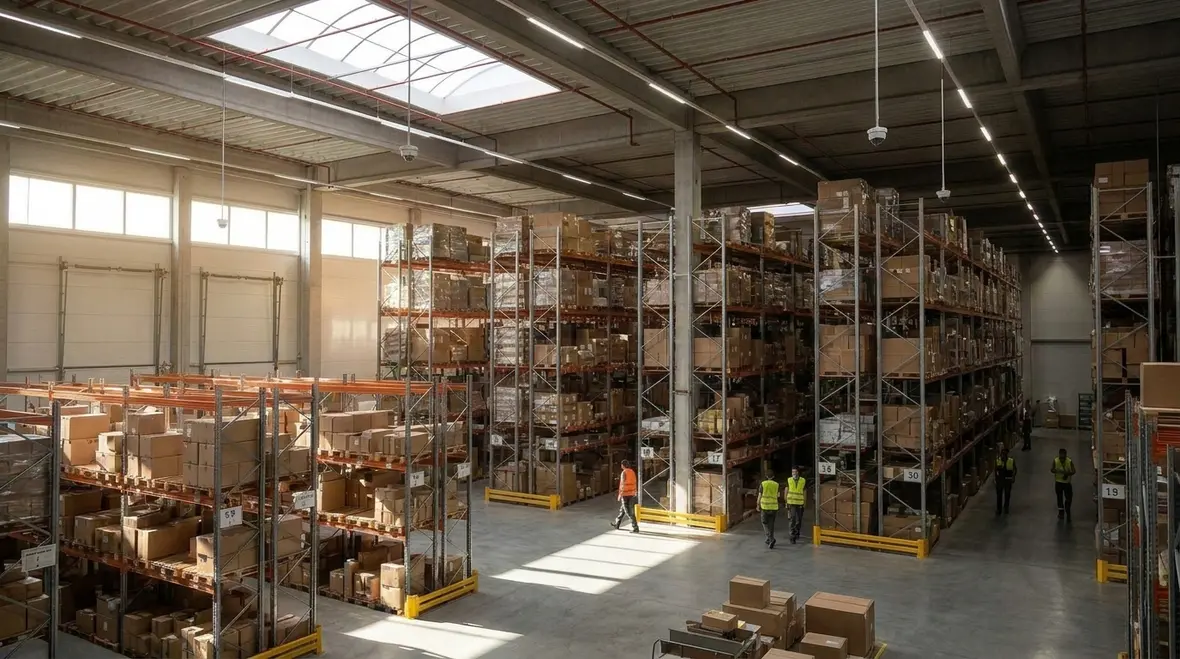
Maintenance savings and uptime: the hidden part of ROI
Energy savings matter, but ROI improves further when you reduce maintenance costs. Lighting upgrades often include LED fixtures and longer life components. Smart controls add another layer: they help you spot issues sooner, and they reduce the stress of overuse in rarely occupied zones.
For commercial and industrial facilities, reduced downtime can be a major value driver. When you avoid frequent relamping, you protect operations and labor schedules. Meanwhile, smart monitoring can reveal patterns like persistent fault states, sensor failures, or communication issues that would otherwise show up later as complaints.
However, monitoring only helps if the system is set up correctly. So we verify device health, ensure sensor placement suits airflow and sight lines, and confirm that alerts route to the right service pathway. Our expert service staff explains what the alerts mean and what action to take, because “red light” alone does not fix a building. It just makes everyone stare at their ceiling and wonder what went wrong.
We also help plan maintenance during the normal facility cycle. Then, you gain a cleaner transition from the old system to the new one, without forcing your team to learn everything overnight.

Return on investment: how we help you build the numbers
ROI depends on your starting point, and we do not treat every facility like a copy paste template. Therefore, we evaluate existing lighting, typical usage hours, and the way occupants move through your spaces. We also consider tariff rates, utility incentives, and whether daylight exists in high impact areas.
To build a realistic Commercial Smart Lighting Cost Analysis: Installation, Savings & ROI, we look at these factors together.
- Baseline energy use: wattage, fixture counts, and control limitations in the current setup.
- Control strategy: occupancy zones, daylight targets, and scheduling rules by area.
- Operating hours: days per week, shift times, and seasonal occupancy changes.
- Maintenance change: relamping frequency, labor impacts, and downtime risk.
- Incentives and rebates: when applicable, we align the design to typical program requirements.
Then we estimate how much energy drops and how quickly that reduction offsets your project cost. At Kord Electric, we explain assumptions in plain language. If a forecast depends on long evening occupancy, we say so. If the ROI improves when a warehouse runs fewer empty hours, we point it out. Because an ROI story should feel like a business conversation, not a magic trick with spreadsheets.
And yes, sometimes the best decision is not to automate everything. In certain spaces, a targeted upgrade provides strong savings without extra controls complexity. We guide that call based on your facility’s layout and operational behavior.
If you are still comparing options, it can help to review our broader Commercial Lighting Upgrade Cost Guide, which walks through how fixture types, ceilings, and control strategies shape overall project budgets and long term savings potential.
Common mistakes to avoid before you approve a lighting plan
Upgrades go smoother when you avoid the usual traps. First, some projects add smart hardware but skip proper zoning. Then, sensors trigger too late, and lights dim when they should not. This drives overrides and reduces savings.
Second, facilities underestimate commissioning. If you accept default settings, you might get inconsistent comfort. After that, your team reports flicker, dimming that feels random, or lights that refuse to follow schedules.
Third, some upgrades ignore compatibility. If the fixtures and drivers do not support dimming the way the controls expect, the system can behave poorly. Finally, some owners choose monitoring features without deciding who responds to alarms. If nobody acts on the data, the “smart” part becomes just another dashboard.
Our expert service staff helps prevent these issues by walking the plan through real facility conditions. We explain the sequence, the testing steps, and how staff overrides work. So when the system goes live, people do not feel like they just joined a prank show called “Guess Why the Lights Changed.”
For multi site owners, aligning your smart lighting strategy with broader building upgrades, such as electrical infrastructure improvements or Title 24 driven retrofits, can also prevent rework later. That way, every controls decision supports both day to day operations and long range capital planning.
FAQ: Commercial smart lighting costs, savings, and ROI
Plan your next step: from cost analysis to installation
A clear Commercial Smart Lighting Cost Analysis: Installation, Savings & ROI is most powerful when it turns into a practical project plan. That plan should connect design, installation, commissioning, and long term service so your team is never left guessing who owns which piece.
For portfolio managers and facility leaders balancing multiple sites, it can also help to review how smart lighting fits into your broader electrical strategy. Coordinating controls upgrades with scheduled Los Angeles County electrical services work keeps downtime consolidated and protects your investment across panels, feeders, and critical equipment.
If you want more context on how lighting retrofits behave in offices, warehouses, and mixed use commercial properties, you can also explore related Kord Electric resources like office lighting energy upgrade guides, automation payback breakdowns, and warehouse retrofit ROI examples. Together, they give your finance and operations teams a shared language for deciding which projects move first.
Our CTA: get a smart lighting plan built for your facility
If you are looking at a lighting upgrade and you want the numbers to make sense, we should talk. Kord Electric provides a practical Commercial Smart Lighting Cost Analysis: Installation, Savings & ROI tailored to commercial and industrial facilities and major property buildings. Our technicians and expert service staff explain what drives cost, what changes energy use, and how we tune the system for real operations. Schedule a consultation with us, and we will map the best path from today’s setup to a calmer, more efficient building.
Whether you are focused on one flagship site or an entire portfolio across the region, our team can connect smart lighting design with the rest of your electrical roadmap so upgrades stay aligned with safety, reliability, and long term capital planning.