Commercial Subpanel Capacity Planning Guide
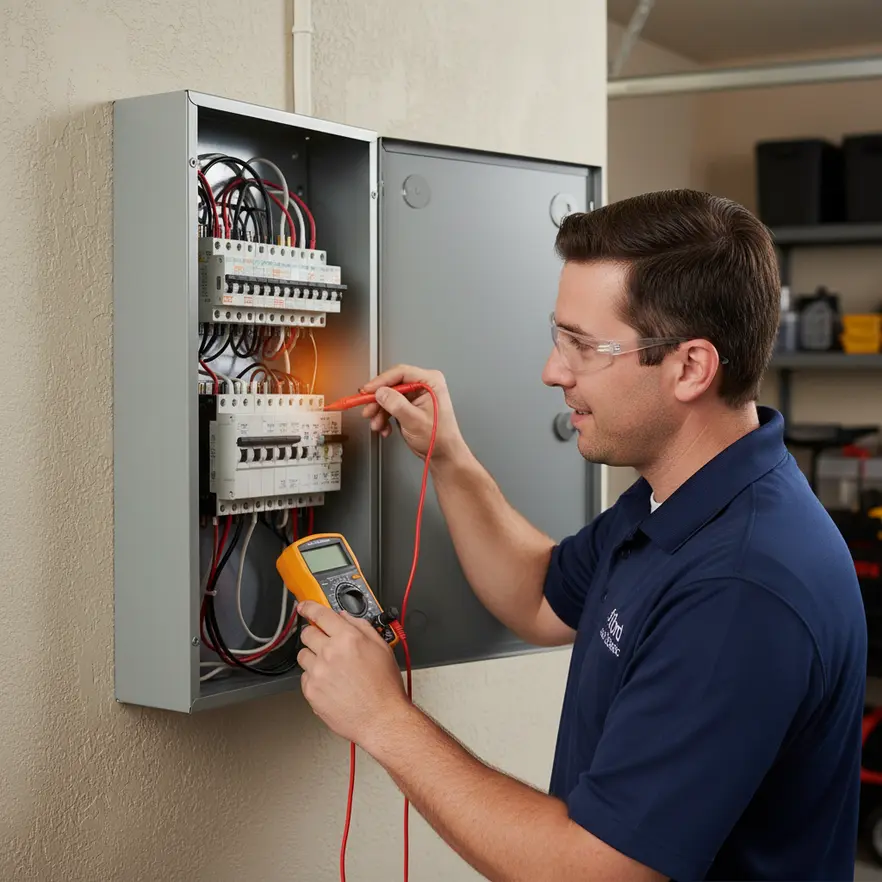
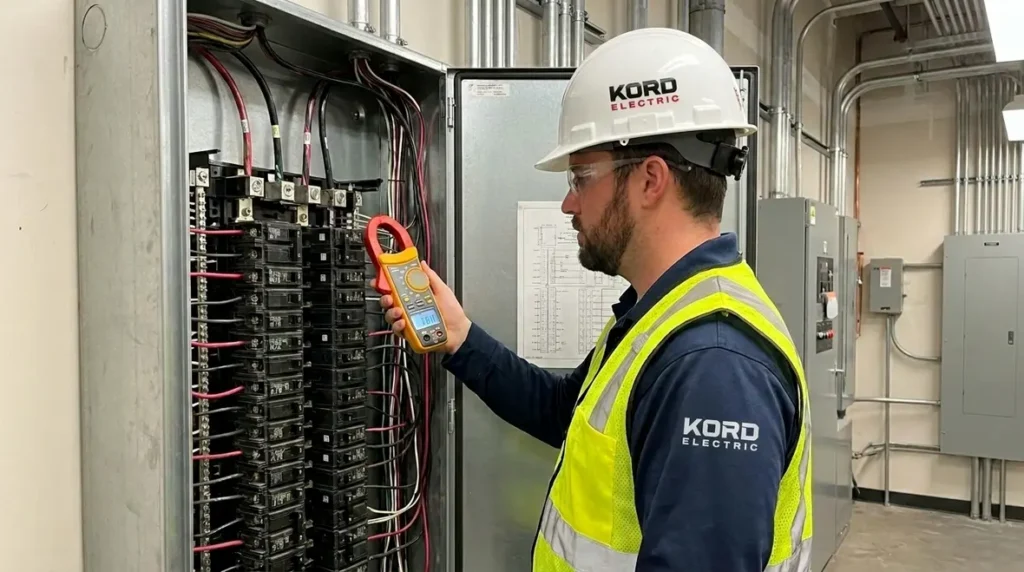
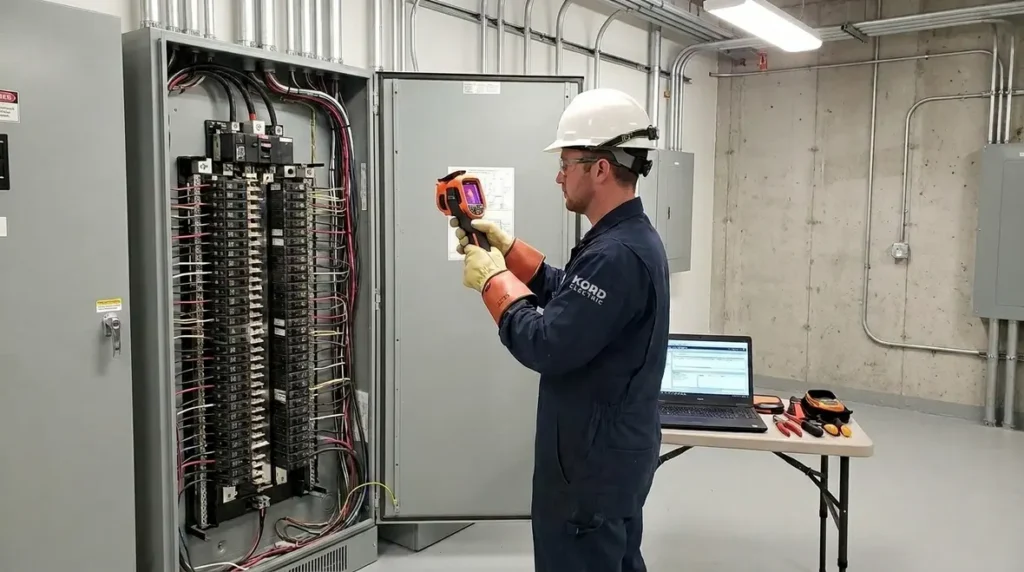
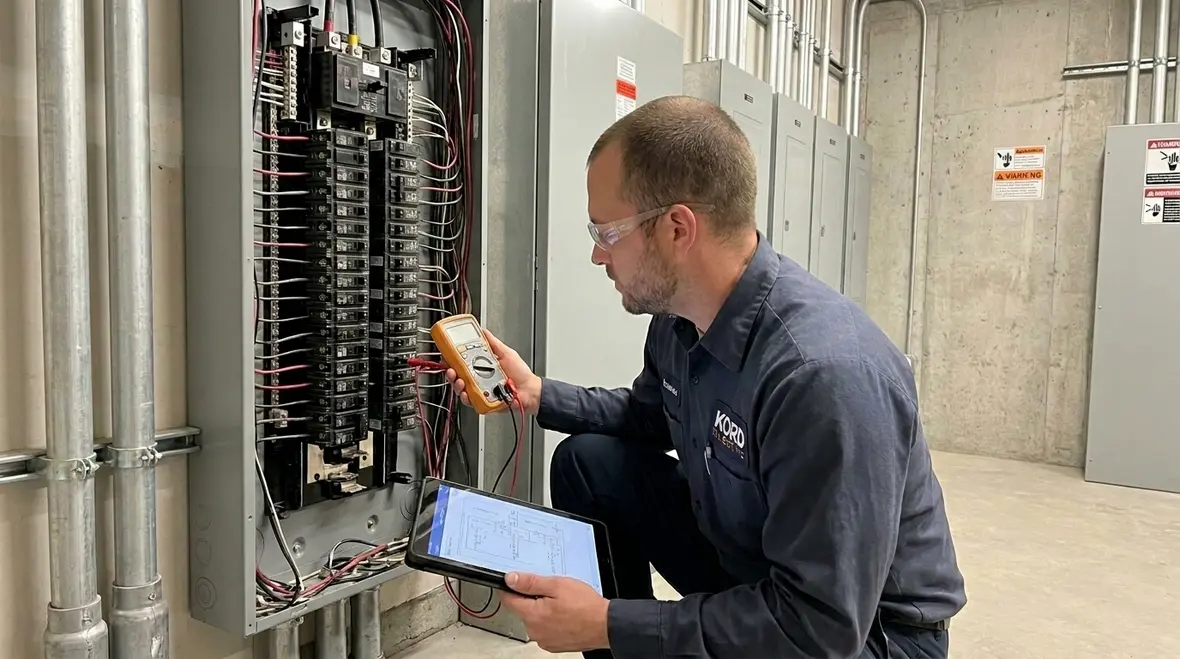
Kord Electric starts with commercial subpanel capacity planning when a business grows, because the electrical system has to keep up before the breakers start telling jokes you do not want to hear. In the early planning stage, we assess the existing loads, forecast future demand, and confirm that each subpanel can handle added circuits without getting hot, noisy, or unreliable. Our goal is simple: we help commercial and industrial facilities, plus major property buildings, expand with power that stays stable and safe. And yes, we explain the process in plain language, because our technicians have seen enough “mystery tripping” to last a lifetime.
How commercial subpanel capacity planning prevents future overloads
When an operation adds equipment, upgrades lighting, or expands tenant spaces, power demand rarely rises in a neat straight line. It tends to jump at the worst time, like a pop quiz during lunch. Therefore, we approach the problem like engineers, not guessers. Kord Electric looks at what the subpanel currently supplies, how it behaves under load, and what new loads will likely arrive within the next growth cycle.
First, we map the existing circuits and identify which loads are continuous, which are intermittent, and which are starting surges. Then we compare that picture to nameplate ratings, typical duty cycles, and demand factors used in commercial settings. After that, we check whether the subpanel bus rating, breaker frame sizes, feeder capacity, and grounding and bonding all remain appropriate. If anything feels tight, we do not “hope” it works. Instead, we plan upgrades that fit the real usage profile of the facility.
To keep the process calm and clear, our expert service staff walks the decision-makers through the math and the practical outcomes, step by step. We also explain why overload issues often show up as thermal stress first, then nuisance trips, and only later as real failures. In other words, we help you catch the problem before it becomes a headline.
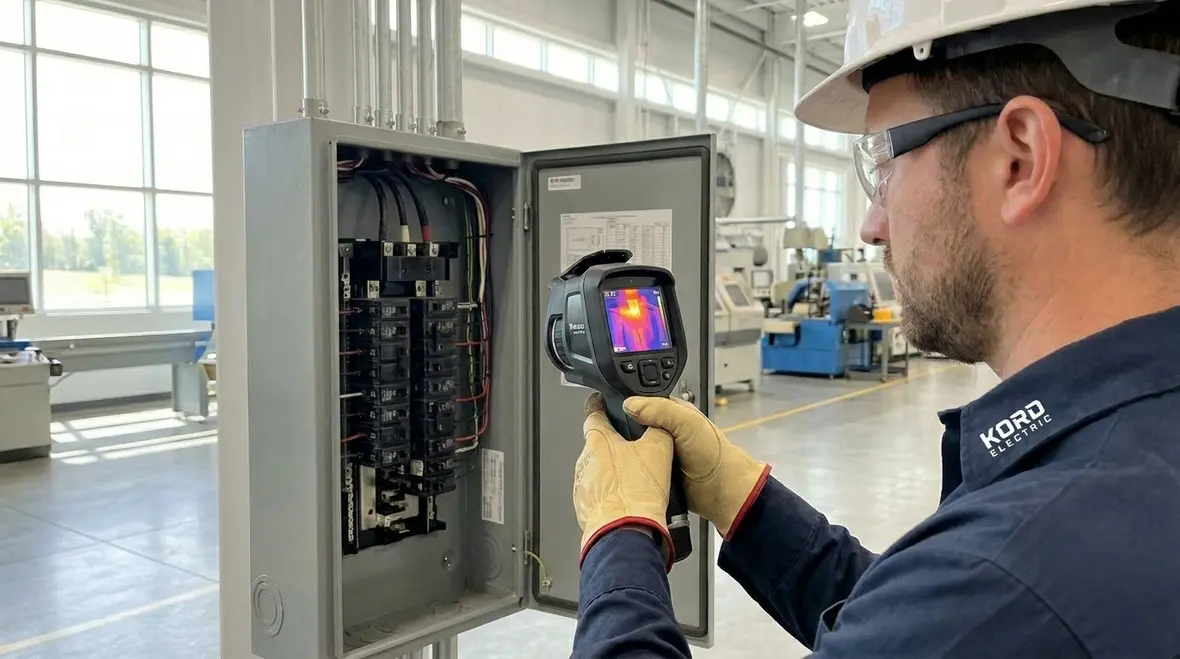
Thoughtful commercial subpanel capacity planning also supports larger infrastructure decisions. When Kord Electric builds a roadmap for a growing facility, we connect subpanel analysis to broader commercial electrical system reliability, code compliance, and long-term uptime goals. That way, each panel decision fits into a bigger strategy instead of feeling like a random one-off fix.
What to evaluate in an existing subpanel before adding circuits
Before Kord Electric proposes any change, we evaluate the subpanel as a system, not a box. So we focus on the details that usually decide whether expansion goes smoothly.
- Busbar and enclosure capacity, including how much space is actually available for additional breakers and how heat is managed.
- Breaker sizing and trip characteristics, since load types and short term inrush currents can change the behavior.
- Feeder and service interface, because a subpanel can look fine while the upstream path becomes the bottleneck.
- Voltage drop and cable ampacity, which matter more than people think once a facility adds longer runs or heavier loads.
- Neutral loading and harmonic impact, especially in modern commercial buildings with drives, LED systems, and power supplies.
- Grounding and bonding, because safety and fault clearing depend on it.
Next, we validate the load profile. For example, a manufacturing space behaves differently than an office tower. Likewise, a multi-tenant building has different demand patterns than a single-tenant facility. Therefore, our technicians document the types of equipment, typical operating hours, and planned expansions. Then we translate that into a capacity plan that works in the real world, not just on paper.
Because subpanel changes often happen alongside broader facility upgrades, we regularly connect this evaluation process with structured commercial and industrial electrical maintenance strategies. When a client is already thinking about long-term reliability, pairing commercial subpanel capacity planning with a dedicated electrical preventive maintenance program keeps panels, feeders, and switchgear aligned instead of drifting apart over time.
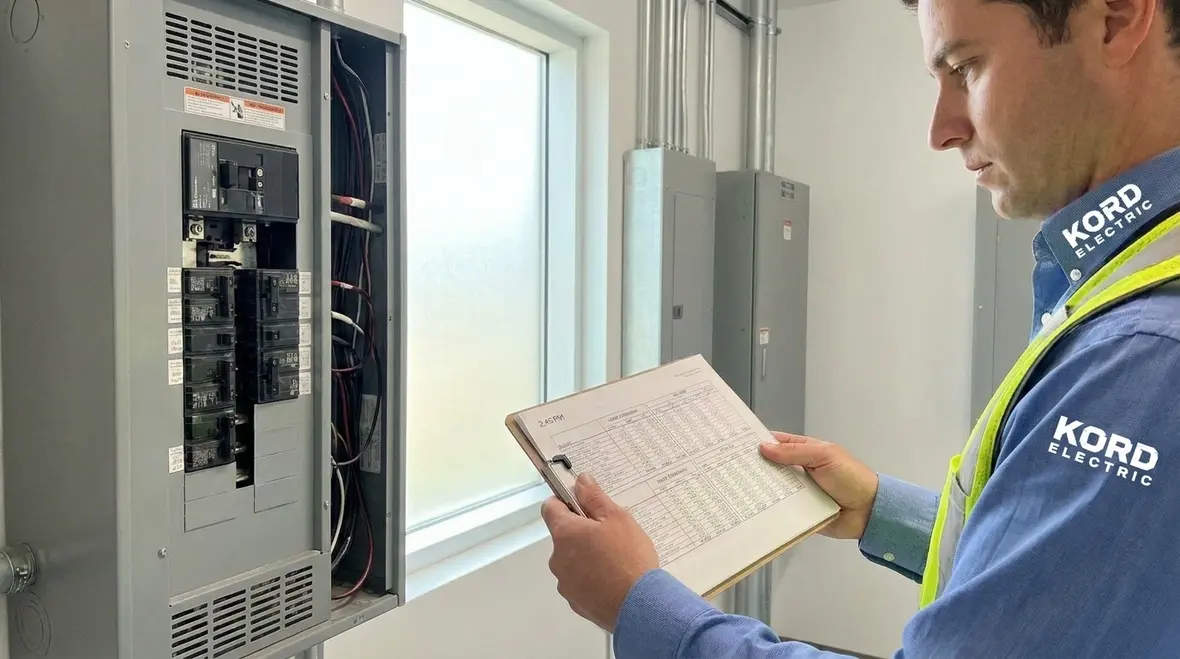
For many facilities, this is also the stage where hidden electrical risks show up. Crowded gutter space, improvised modifications, or outdated device combinations can quietly build risk behind closed covers. A careful subpanel review, backed by a broader look at hidden electrical problems in commercial buildings, brings those issues into the open so your team can address them before they turn into downtime or damage.
Dual column load forecasting that teams can actually use
Kord Electric builds load forecasts in a format leaders and maintenance teams can understand quickly. We keep it actionable, because “educated estimates” still need to survive an audit.
| Current Load Snapshot | Planned Growth Projection |
|
|
Then we translate those columns into a practical capacity plan. We show which breakers add what load, how the totals change, and where the risk points appear. If a team wants to delay an upgrade, we help them do it safely with staged work. And if the plan requires changes, we lay out an upgrade path that supports the timeline. As our expert service staff likes to say, “Power upgrades should not feel like a mystery box from a vending machine.”
This dual column approach also helps align commercial subpanel capacity planning with other major projects, such as commercial solar panel electrical integration or large-scale rewiring. When you can see current and future loads side by side, it becomes much easier to coordinate panel upgrades with other capital improvements instead of treating each initiative like a separate universe.
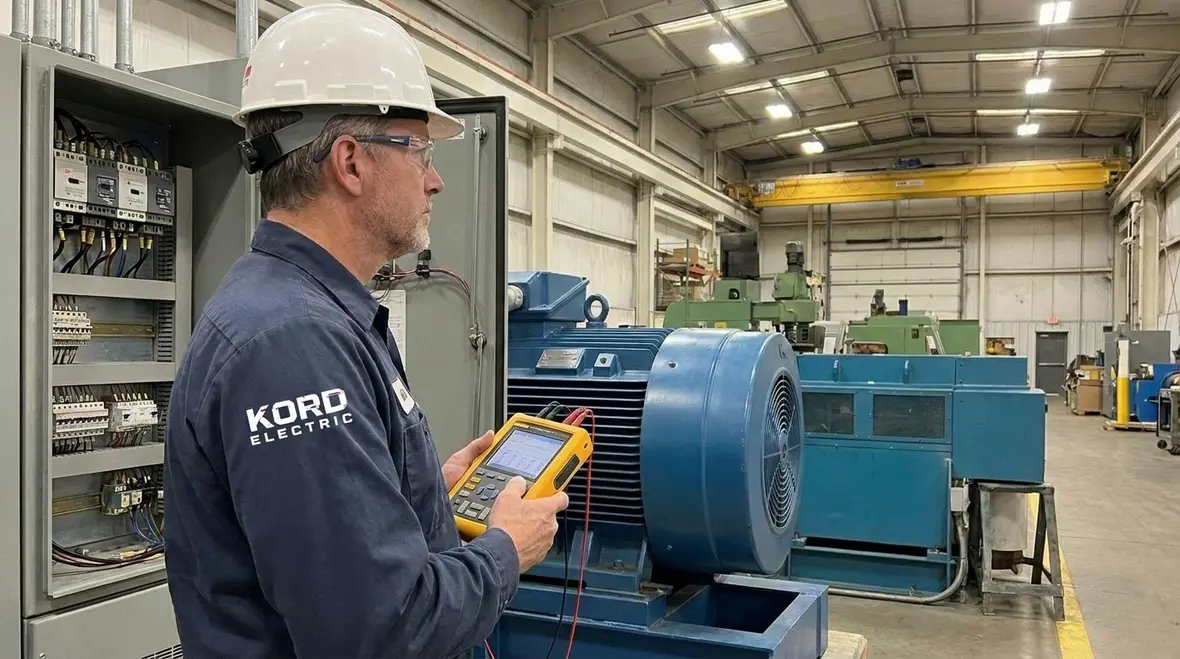
Facility leaders appreciate that this style of forecasting links engineering detail to boardroom decisions. It is much easier to justify budget for a subpanel upgrade, commercial solar tie-in, or a commercial and industrial electrical maintenance plan when the forecast clearly shows when and where the current system will hit its limits.
How we handle peak demand, harmonics, and starting surges
Even when total energy looks “reasonable,” peak demand can still cause trouble. Start-up surges from motors, compressors, and pumps can briefly push current far above normal running levels. Meanwhile, harmonics can overheat neutrals and equipment even if the average load looks fine. For commercial and industrial facilities, these factors often determine whether a subpanel stays reliable during real operations.
Therefore, Kord Electric evaluates:
- Motor and motor drive loads, including inrush characteristics and acceleration times.
- Lighting and power electronics, which can introduce harmonic content.
- Simultaneous start scenarios, such as HVAC cycles, manufacturing shifts, or centralized equipment schedules.
- Neutral and grounding performance, so fault and return paths remain safe.
- Thermal margins, since heat is the quiet killer of insulation and terminations.
Next, we align the design with the actual operating rhythm. For example, some buildings peak in the morning, others peak during shift changes, and some spike during seasonal HVAC changes. We help teams understand when loads align and when they do not. That insight prevents the common mistake of assuming everything will run evenly, like a sitcom where every scene happens at the same volume.
Our technicians then coordinate the plan with practical installation constraints. We do not just calculate; we schedule work around operations so that your facility does not run like a paused video. For major property buildings, we also account for tenant impacts, coordination requirements, and service continuity needs.
These steps also tie directly into overall electrical risk management. Facilities already working through hidden electrical problems or planning emergency power failure mitigation benefit when commercial subpanel capacity planning explicitly addresses peak demand behavior and harmonic stress instead of treating them as afterthoughts.
By treating peak demand, harmonic distortion, and starting surges as part of the core design conversation, Kord Electric helps facilities avoid situations where a system looks fine on average but misbehaves whenever real-world operations stack loads in inconvenient ways.
Deciding when to expand, replace, or reconfigure a subpanel
Once Kord Electric completes the capacity planning work, we help the client choose the best path. Sometimes the fix is a breaker addition and panel reorganization. Other times, the system needs more space, upgraded components, or a different layout that reduces risk.
We recommend one of three directions based on safety, code alignment, and practical cost.
- Expand, when there is breaker space, bus capacity, and upstream capacity to support the new circuits.
- Replace, when the subpanel cannot reliably host future loads or when components show stress that makes continued use risky.
- Reconfigure, when load grouping and circuit routing can lower heat, reduce nuisance trips, and improve fault clearing behavior.
Next comes the “how” during installation. We plan labeling, circuit identification, and documentation so maintenance teams can troubleshoot without guesswork. We also ensure the work supports future expansions. That is where good subpanel capacity planning earns its keep, because it reduces stop-and-start upgrades that waste downtime and budget.
Our expert service staff explains the decision in business terms, not just technical terms. If we need an upgrade, we explain why the facility cannot “manage around it” indefinitely. And yes, we use plain language, because the only surprise that should happen in a facility is the end of a shift, not the failure of a breaker.
These decisions also intersect with broader standards like NFPA 70 and NFPA 70B electrical equipment maintenance guidance. When commercial subpanel capacity planning leads to expansion, replacement, or reconfiguration, Kord Electric helps ensure the work aligns with current code requirements and panel maintenance best practices, not just yesterday’s habits.
Installation coordination and safety steps that reduce downtime
For commercial and industrial facilities, the electrical plan must translate into a job that works on site. Kord Electric coordinates installation with the realities of production schedules, tenant operations, and safety requirements.
We focus on safety first, then reliability.
- Pre job review, including existing circuit labeling, shutdown scope, and access routes.
- Load management, so critical equipment stays protected during switching and component changes.
- Quality checks, including torque verification where applicable and component compatibility.
- Testing and verification, so the system performs under expected conditions.
- Documentation handoff, so facility teams have accurate circuit mapping after the work.
Also, we keep communication steady. Our technicians provide updates so the team on site knows what is happening and when. That reduces surprises and helps operations managers protect uptime. In major property buildings, we coordinate with stakeholders so tenant impacts stay minimal. We treat the electrical upgrade like a business project, not a construction afterthought.
For many organizations, this is also the perfect time to formalize or upgrade their commercial and industrial electrical maintenance plans. When new subpanel work dovetails with a structured electrical preventive maintenance program, the result is a system that not only starts strong but stays strong through documented inspections, testing, and corrective actions over time.
FAQ
Bottom line: get a capacity plan before growth forces the issue
When a business grows, the electrical system must keep pace, and commercial subpanel capacity planning should start early. Kord Electric assesses your current circuits, forecasts future demand, and recommends the safest option to expand, replace, or reconfigure without guesswork. Our technicians and expert service staff explain the results clearly, then coordinate the installation so your facility stays operational. If you are planning new equipment, lighting upgrades, or tenant changes, contact Kord Electric now and get a plan you can trust.
If you want that plan to live inside a broader strategy, Kord Electric can connect your commercial subpanel capacity planning to structured electrical preventive maintenance services that protect panels, switchgear, and distribution equipment across your entire property. That way, today’s upgrades become the foundation for tomorrow’s reliability instead of just another line item on a project list.
For facilities that need help right away, exploring dedicated electrical preventive maintenance for commercial and industrial facilities ensures that each subpanel, feeder, and breaker also fits into a tested inspection, testing, and documentation routine. When capacity planning and preventive maintenance work together, growth stops feeling like a risk and starts feeling like a well-orchestrated upgrade.
Ready to align your commercial subpanel capacity planning with a full-service commercial electrical partner? Kord Electric’s licensed team can evaluate your panels, map your loads, and design safe, code-aligned upgrades while also coordinating ongoing electrical preventive maintenance for long-term performance.
To see how a structured maintenance approach supports everything from panel health to uptime and documentation, explore Kord Electric’s dedicated electrical preventive maintenance services for commercial and industrial facilities. Then schedule a walkthrough to connect that strategy directly to your current subpanel capacity and future expansion plans.
When commercial subpanel capacity planning, preventive maintenance, and real-world installation coordination operate under one roof, your facility gains a stable electrical backbone that grows with you instead of holding you back.