
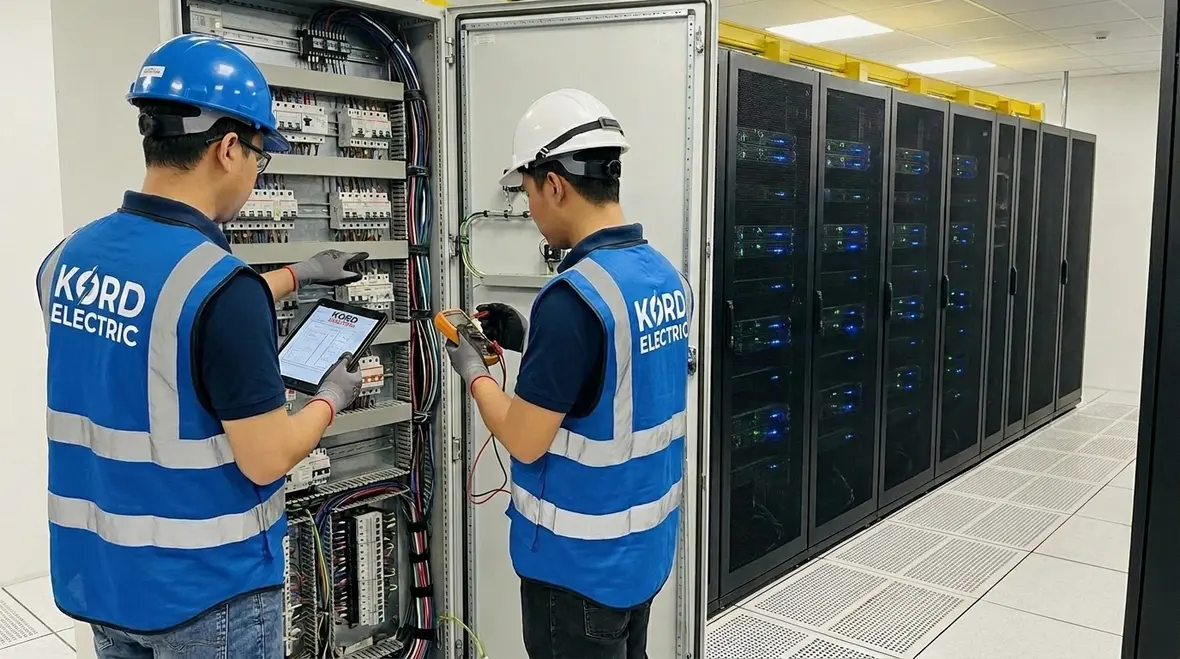
Data Center Uptime Strategy and Electrical Upgrades
At Kord Electric, we measure progress by one thing: data center uptime strategy that keeps mission critical power stable through every shift, storm, and surprise maintenance window. We start with a simple principle, then we build from it. First, we protect the electrical path that matters most, from utility entry to critical loads. Next, we reduce the chance that a single fault can take out the whole room. Finally, we plan upgrades so downtime stays scheduled and controlled, not random and expensive. And yes, we still find ways to keep it calm in the field, because even the best electricians do not want to sound like they are explaining RAID levels to a coffee machine.
Critical Electrical Upgrades That Stabilize Mission Power
In commercial and industrial facilities, power problems rarely announce themselves. They creep in through heat, aging parts, loose terminations, and poor coordination. However, when we follow a clear upgrade plan, the electrical system becomes predictable, and predictability becomes uptime. That is where critical upgrades do the heavy lifting.
We prioritize four upgrade areas, and our technicians explain each one in plain language before we touch a panel. First, we improve incoming utility reliability through better distribution and tighter monitoring. Second, we strengthen the transfer path that routes power during switchover events. Third, we upgrade standby and distribution components so they handle load without stress. And fourth, we add protection and control systems that isolate faults quickly.
Then, we verify results with testing. We do not guess. We measure. And when we do show you a reading, we explain what it means, why it matters, and what risk it lowers. Others may rush. We slow down, because your downtime budget cannot afford shortcuts.
Power Backup: What We Upgrade First for Continuity
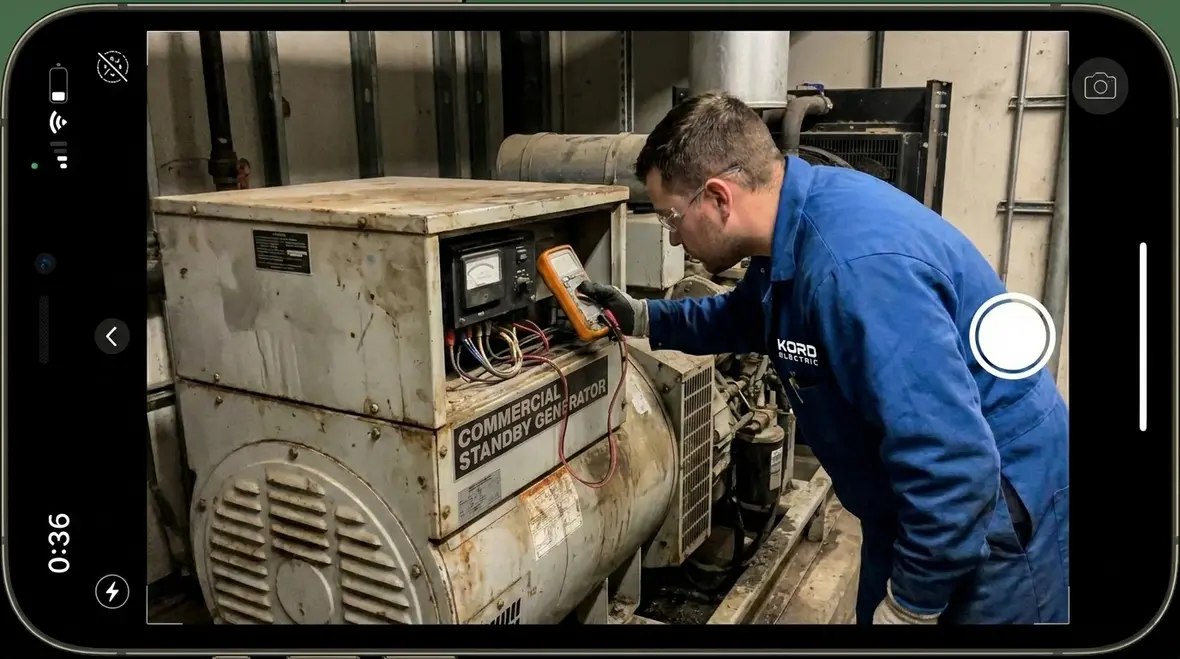
When backup power fails, people notice. When backup power performs smoothly, people rarely think about it. That is the point. We typically focus first on the system elements that govern continuity during a utility event. In practice, that means standby generators, UPS systems, switchgear, and the distribution that feeds them.
Our expert service staff often starts with a practical question: what happens in the first seconds? Utilities can dip, start failures can occur, and loads can spike. Therefore, we review the entire chain, including wiring integrity, load transfer timing, and protection settings.
We upgrade in layers. For example, we may improve power distribution with busbar and breaker maintenance, then we test transfer logic and coordination. We also look at charging systems for UPS units, because weak charging leads to battery stress and early replacement. And if we find corrosion or uneven contact pressure in terminations, we address it immediately. That repair sounds simple, yet it often prevents a failure that would otherwise surface during a real outage.
As a small joke to keep the mood right, we tell clients that batteries do not get “tired.” They get neglected. Our job is to remove neglect from the schedule.
Switchgear and Transfer Systems: Where Faults Get Trapped
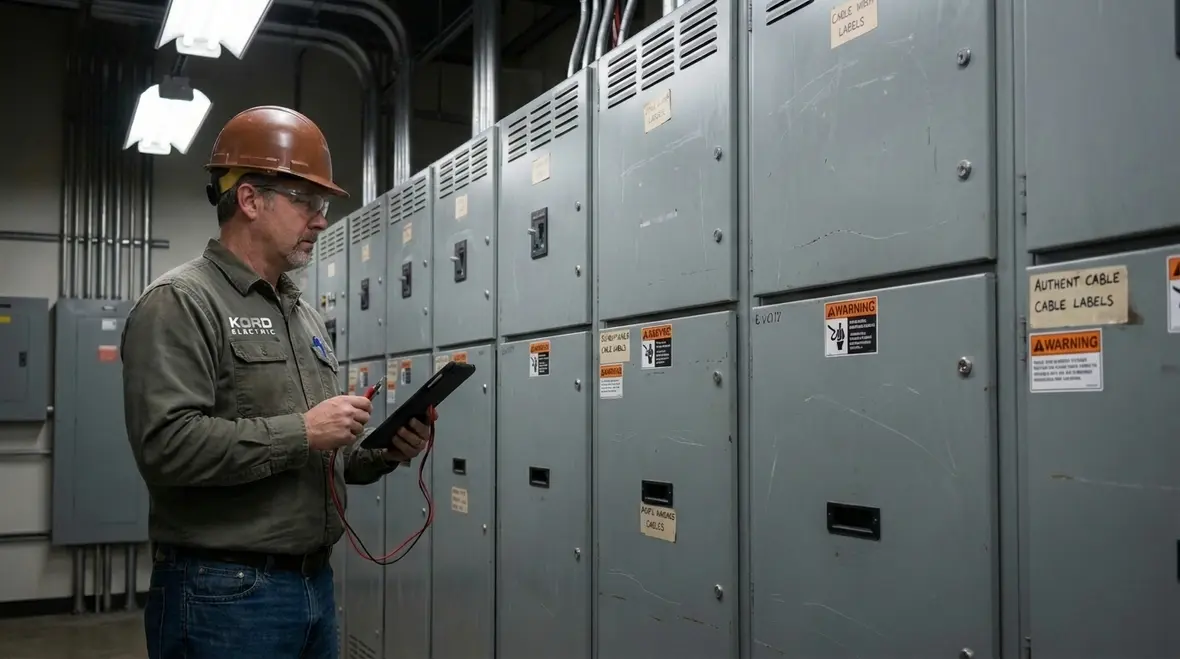
Switchgear and transfer systems decide who gets hurt when something goes wrong. If the design and maintenance are weak, one issue can spread. If the design and coordination are strong, the system isolates the fault and keeps critical loads alive.
We pay close attention to selective coordination, breaker clearing time, and proper relay settings. Moreover, we review the physical setup: bus connections, cable routing, labeling accuracy, and the condition of contacts. If something looks worn, we do not assume it will be fine “until next year.” We treat wear like a warning light, not a suggestion.
Our technicians explain the upgrade path in a structured way. First, they identify which devices protect which loads. Then they confirm the tripping and fault clearing behavior. After that, they recommend changes that reduce nuisance trips and improve fault isolation. That means fewer unexpected interruptions and a cleaner path to stable data center uptime.
In many commercial deployments, the biggest gains come from improving how the system responds during abnormal events. In other words, we do not just keep power available. We keep it available in the right way, to the right equipment, at the right time.
Rewiring and Modernization Without Blowing the Budget
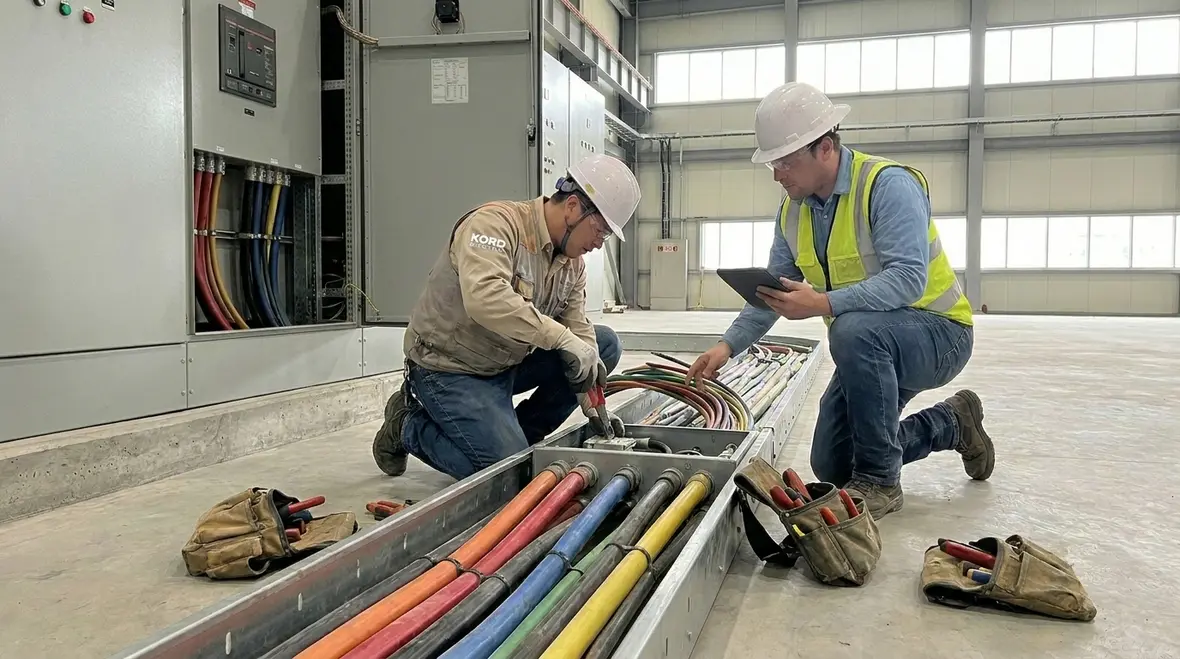
Rewiring can feel like a scary word, like “root canal” but with more paperwork. Yet in many cases, rewiring becomes the most direct path to safer operation and steadier power delivery. The key is how we scope it and how we stage it.
In our planning, we borrow a core idea from our Rewiring Cost Guide for Commercial Electrical Systems. We look at the system size, the route complexity, the scope of demolition, and the level of interruption. We also factor in the condition of existing conductors and termination points. Then we build a schedule that supports commercial and industrial uptime needs, not a generic calendar that ignores real operations.
We often stage rewiring in phases. For instance, we may rework critical feeders during planned maintenance windows, then we expand outward. We also coordinate with facility leaders so we can keep high priority circuits powered as we shift loads and verify stability. If a facility needs minimal disruption, we plan changeovers carefully and we test thoroughly before we hand control back.
Our technicians also pay attention to details that rarely make headlines: label accuracy, conductor sizing for current conditions, and insulation health. When we modernize, we do not chase trends. We chase reliability. That is how we avoid “replacement without improvement,” which is like buying a new chair without fixing the broken floor.
Protection, Monitoring, and Testing That Prevent Surprise Outages
Preventing downtime means knowing problems early, not learning about them after the alarms. So we install and tune protection and monitoring, and we test with discipline.
We start with the protection scheme. Then we confirm the settings work as designed under real load conditions. Next, we add monitoring where it helps: key switchboards, UPS input and output paths, generator controls, and distribution branches that feed mission critical systems. Monitoring does not remove risk, but it shrinks uncertainty. And when uncertainty shrinks, maintenance becomes smarter.
We test with a calm method. We verify insulation resistance, check breaker operation, and review thermal performance indicators. We also test transfer behavior and coordination outcomes. Importantly, we document results in a way that facility teams can use. That documentation supports smarter decisions later, including future upgrade phases.
Our expert service staff often tells teams that testing is not a “one and done” activity. Instead, it becomes a cycle that supports a data center uptime strategy, because systems drift over time. A well maintained system stays predictable.
And yes, even if the job looks serious, we keep our delivery steady and human. If someone needs an explanation, we give it. If someone needs a plan, we present it. We do not talk down to people. We respect the operators who keep the building running.
Scheduling Upgrades Around Operations and Risk
Even the right upgrade can fail if timing is wrong. Facility teams need work that supports business continuity. That means sequencing tasks, coordinating with critical operations, and planning verification steps so there is no guesswork during handoff.
We help commercial and industrial property managers and data center teams reduce risk by building a staged work plan. First, we confirm which loads can shift, which loads cannot, and how long each phase can run. Then we set up testing points so we can verify performance after each change. Finally, we align commissioning and documentation so maintenance crews get clear guidance.
Transition planning matters. For example, we may reroute feeders in a controlled way, then we confirm stability under expected operating conditions. We also coordinate with controls teams so relay settings and monitoring signals match the updated equipment. That reduces “system meets reality” issues that sometimes cause avoidable interruptions.
When people ask us how we keep downtime low, we say it plainly. We plan like the building matters. Because it does. For a data center, downtime is not a hiccup. It is a chain reaction.
Data Center Uptime Strategy in Real Upgrade Paths
Here is how we connect the dots into a complete data center uptime strategy that teams can actually execute. We start with a reliability map of the electrical system, then we rank risks based on likelihood and impact. After that, we select upgrades that reduce failure points and improve fault isolation.
Our upgrade paths usually include improvements across incoming distribution, standby continuity, switchgear coordination, and selective protection. Then we reinforce the system with monitoring and testing so issues surface early. Finally, we document everything so the facility can sustain performance long after the project closes.
We also make sure the upgrade plan fits major property buildings and commercial or industrial operations. That means clear communication, safe work practices, and realistic schedules. We keep the focus on critical loads, because those loads drive every decision.
If you want the short version, it is this: we keep power stable, we isolate failures fast, and we confirm performance with testing. Everything else is just noise, like background TV during a power event.
FAQ
Choosing Kord Electric for Uptime-First Electrical Work
If your facility runs mission critical systems, you deserve upgrades built for continuity, not guesswork. Kord Electric provides expert electrical service and calm, clear explanations from our technicians, so your team understands what we do and why it matters. We plan upgrades in phases, tune protection, improve transfer reliability, and verify results with testing. If you are ready to lower risk and strengthen performance, contact us today. We will review your electrical setup and help you build a practical path to steadier power and stronger uptime.
For facilities that need rapid support when something unexpected happens, you can also explore our dedicated Emergency Electrical Services, which align naturally with a data center uptime strategy by restoring power safely and then helping you plan the next round of preventative upgrades.
Whether you are mapping your next electrical upgrade, reviewing options in our uptime-focused resources, or comparing paths in our Rewiring Cost Guide for Commercial Electrical Systems, we are here to help you move from reactive fixes to a deliberate, long term plan for resilient power.


