Industrial Lighting Control Solutions for Facilities
Kord Electric helps commercial and industrial facilities cut wasted energy and improve daily comfort with our industrial lighting control solutions. We install smarter control systems that manage when lights turn on, how bright they run, and how zones respond to people and daylight. In other words, we make lighting behave like it has a job to do, not like it is idling in the parking lot all night. Our experienced technicians explain each step in plain language, so facility managers feel in control, even when the building feels like it is doing its best impression of a maze.
At the core, we focus on real-world performance: steady light levels, fewer call backs, and a plan that supports your operations. And yes, we will also help you avoid the classic “it works until it doesn’t” scenario. You get controls that match how your building runs, not how a factory floor runs in somebody else’s brochure.
Why industrial lighting controls boost efficiency and reduce waste
We see the same pattern across many major property buildings. Lights stay on longer than they should, sensors miss real usage, and schedules do not match shifts. Then energy costs climb, maintenance grows, and occupants start complaining. While that sounds like a normal office drama, it is still a problem you can solve.
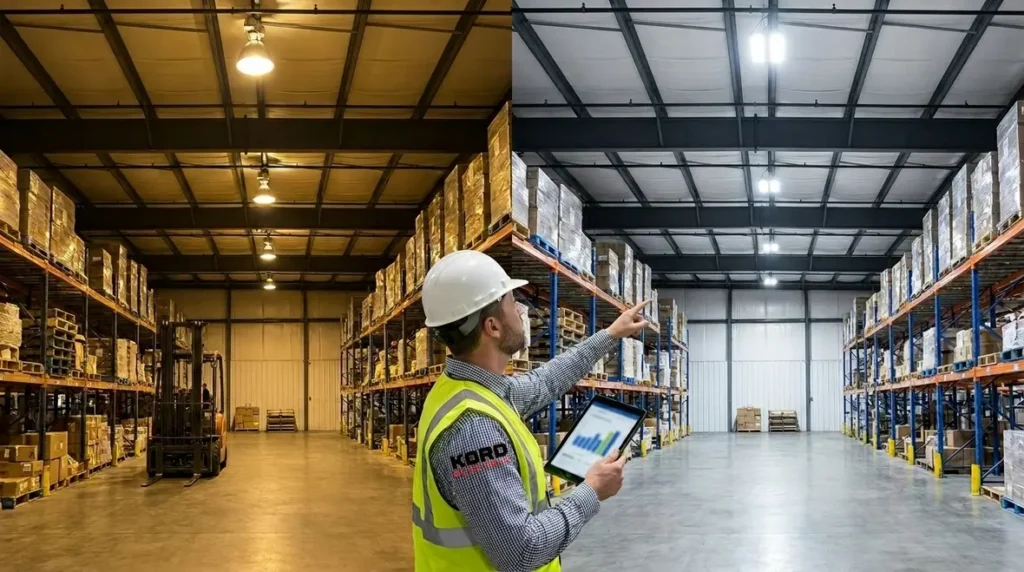
First, industrial lighting control solutions improve efficiency by using real occupancy and daylight feedback. In place of fixed timers, the system responds to conditions. If a zone stays empty, the lights dim or shut down. If a skylight day brings bright ambient light, the system reduces output. This reduces waste without making spaces feel dark or unsafe.
Second, these systems support consistent quality. When lighting levels remain stable, people can see clearly and tasks run smoother. For warehouses, production areas, and retail back-of-house zones, stable visibility matters for speed and accuracy. And for offices, it protects comfort during long shifts.
Finally, control systems help reduce lamp and fixture stress. When lights run at the right intensity and stay on for the right duration, you extend equipment life. That is how you trade reactive spending for planned budgets.
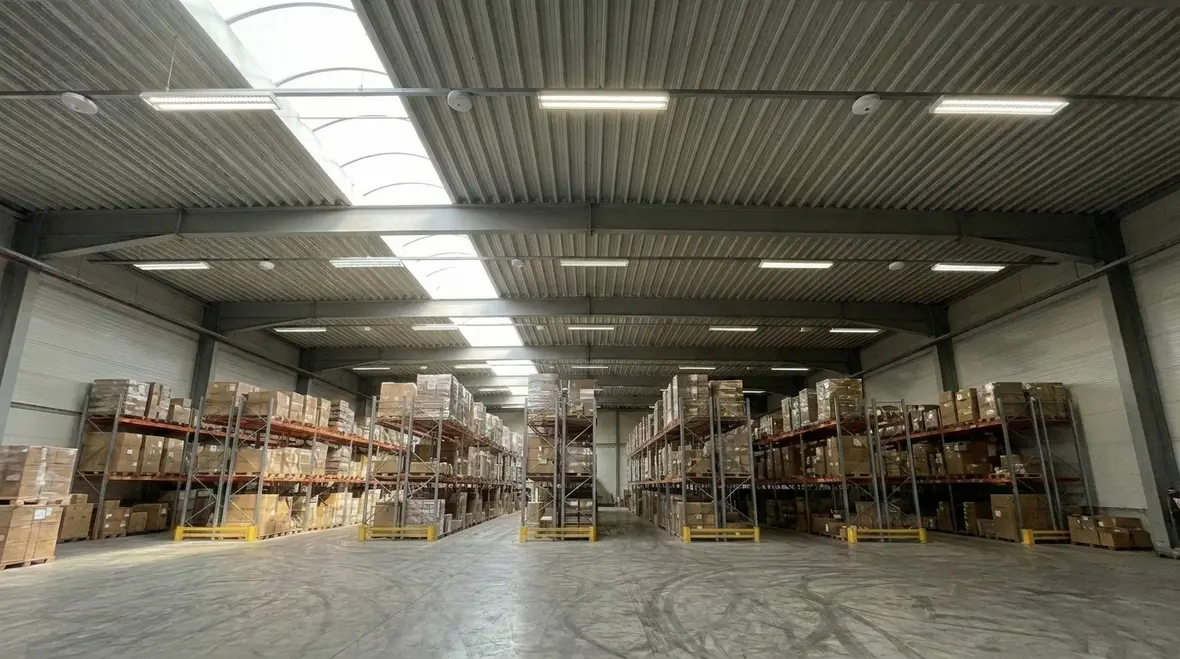
For facility managers who want more structured electrical care beyond lighting, pairing these control upgrades with a broader maintenance framework keeps performance consistent. Kord Electric’s Commercial and Industrial Electrical Maintenance Plans resource walks through how preventative strategies stabilize critical systems across large properties, which naturally includes the lighting infrastructure that keeps work moving.
How our technicians plan lighting zones for real facility use
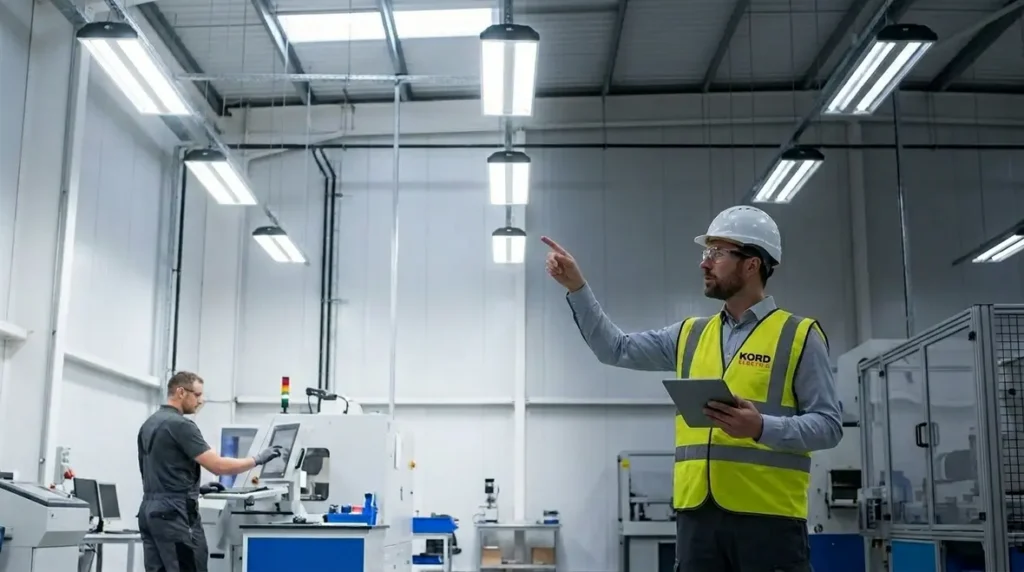
Our technicians do not treat zoning like a box-checking exercise. They walk the space, watch traffic flow, and ask how your staff works throughout the day. Then we map zones to match that rhythm. A zoning plan that ignores forklift lanes, loading bay doors, or shift changes ends up wasting energy. It also annoys the people who just want the lights to act normal.
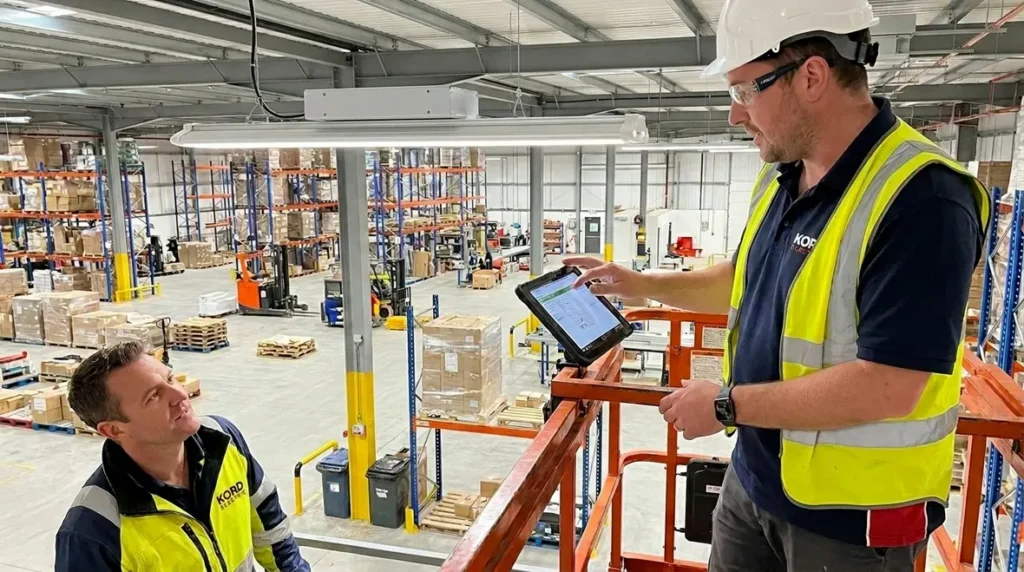
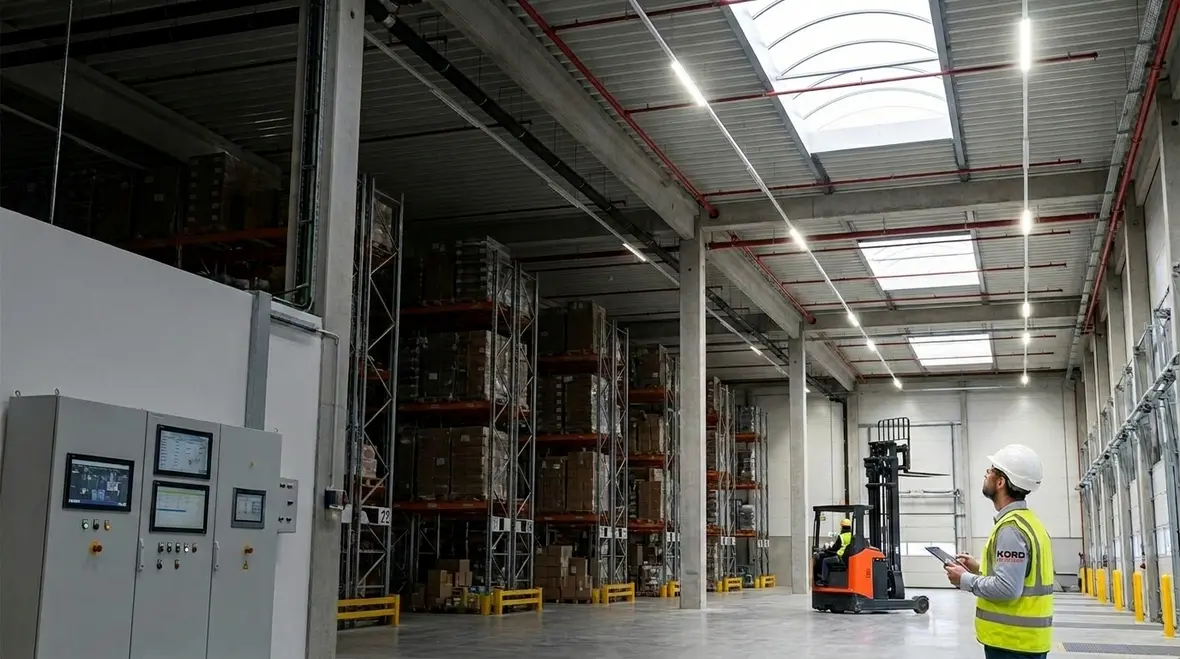
We take a careful approach to placement. We verify mounting heights, sensor angles, and coverage patterns, because small changes can cause big results. If your sensors are aimed wrong, you get false readings and unnecessary illumination. If they are blocked by tall racks or equipment, the system may think nobody is there when someone is. We prevent that by designing with the actual layout in mind.
Also, we coordinate controls with building needs. Some areas require constant light for safety or inspection. Others need dimming control for comfort and power savings. We help you choose the right behavior for each zone, so the system supports your operations instead of fighting them.
If you want a simple way to think about it, we build your control plan around how your building breathes. Daylight comes and goes. People move. Doors open. Motion changes. Then the system follows, calmly and on purpose.
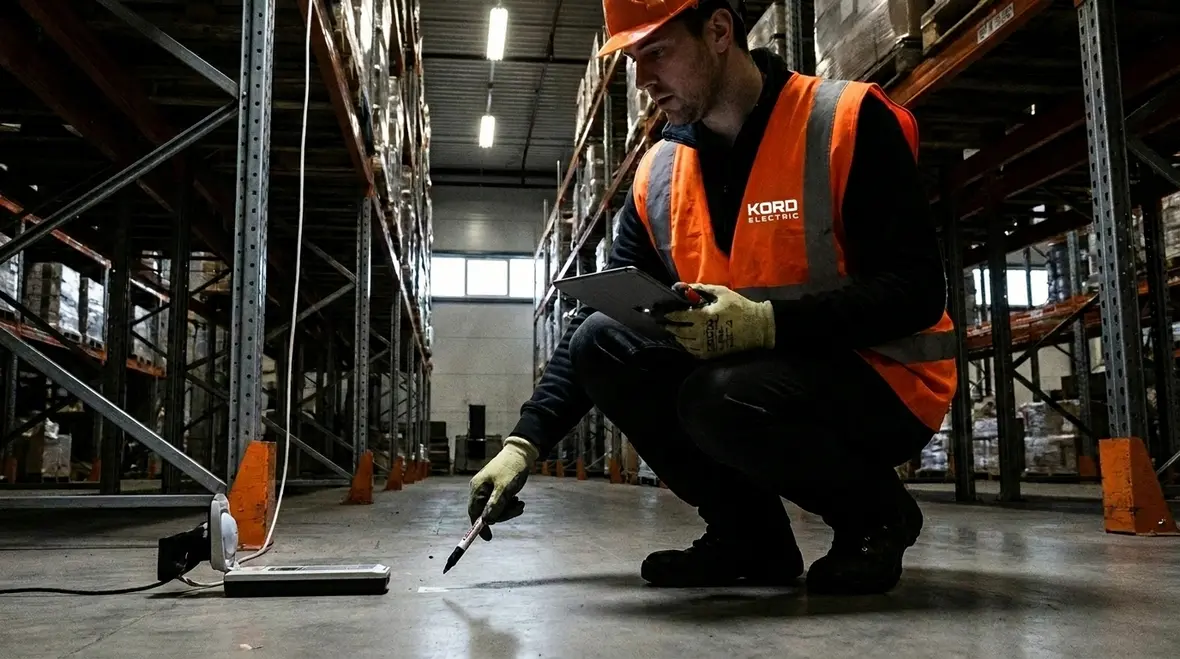
For facilities upgrading fixtures and layouts at the same time, it can be smart to align zoning decisions with new fixture placement. Services like Kord Electric’s recessed lighting and industrial lighting installation support tighter control over beam angles, uniformity, and sensor integration so that every zone behaves the way your teams expect during a real shift.
Commercial and industrial lighting maintenance plans that keep controls reliable
You can install the best system in the world, and it still needs upkeep. That is why we rely on structured maintenance planning. If you manage multiple buildings or a major property portfolio, reliability cannot be a lucky event.
For commercial and industrial sites, we recommend maintenance plans that cover both lighting hardware and the control components that govern them. During service visits, we check sensor performance, verify schedules, and test how zones respond under real operating conditions. We also inspect connections and update settings when usage patterns shift, such as new shift times or workflow changes.
When we do this well, you avoid two common failures. First, sensors drift over time and settings can become outdated. Second, teams make temporary changes during repairs, then nobody documents them. Over months, the building ends up with “mystery behavior,” and energy use becomes a guessing game. Our service structure fights that.
In fact, if you want the same framework we use, you can refer to our Commercial and Industrial Electrical Maintenance Plans resource on the Kord Electric blog, which outlines how planned service supports consistent performance. We keep the focus on commercial and industrial facilities and major property buildings, because that is where uptime and predictability matter most.
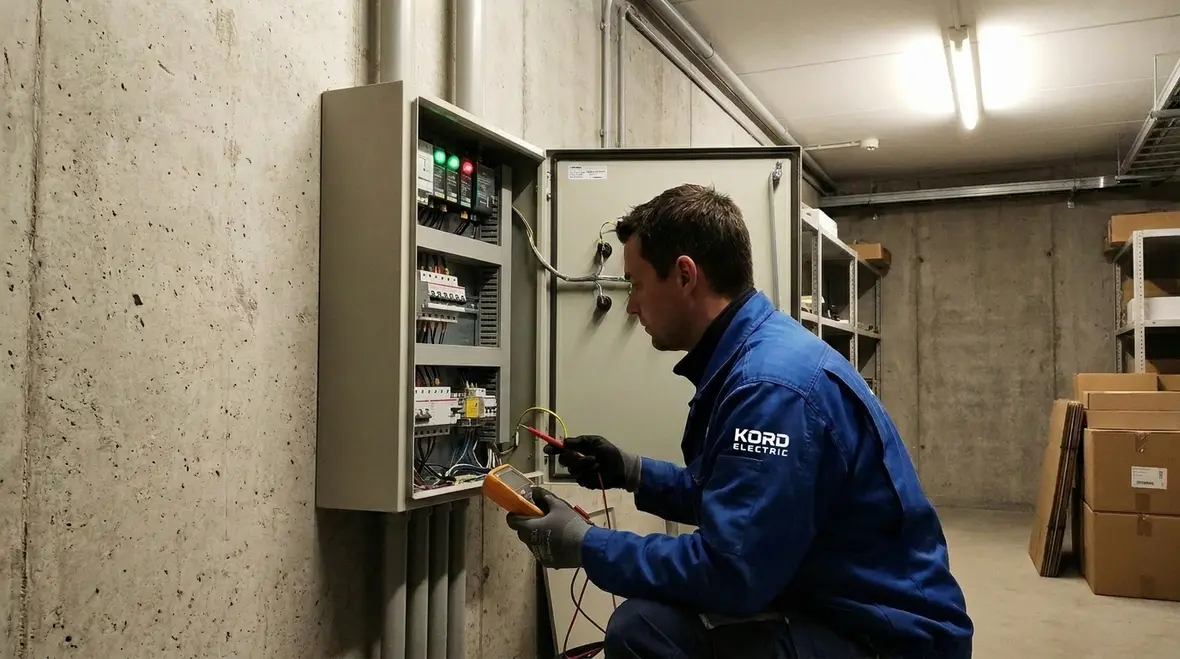
When those maintenance plans align with broader electrical preventive maintenance across panels, switchgear, and distribution equipment, you reduce the odds that a hidden electrical issue will undermine even the smartest control system. That means fewer surprises, fewer urgent calls, and a lighting environment that behaves the same way on a Tuesday afternoon as it does during your peak production run.
What industrial lighting control solutions should do in a modern facility
Good systems do more than flip lights on and off. They help you manage daily lighting with a clear logic that fits your use case. So when we review requirements, we aim for control that is measurable, stable, and easy to maintain.
Here is what we typically build toward for commercial and industrial properties.
- Zone based control so different areas follow their own needs, not one schedule for everything
- Daylight harvesting to reduce output when natural light carries the load
- Occupancy sensing that supports real traffic patterns during shifts and breaks
- Dimming strategies that maintain visibility while cutting energy use
- Time scheduling that matches your operating hours and special events
- Monitoring and alerts when something drifts, fails, or needs attention
Now let’s be honest. Some facilities want controls that “just work.” That is fair. However, we still design with your staff in mind. We explain how zones behave, what triggers changes, and how maintenance checks confirm the system stays on track.
And yes, if anyone ever says they want lights that act “random,” we gently remind them that chaos belongs in pop culture, not in a manufacturing floor. Lighting should not feel like a horror movie. It should feel like a well run building.
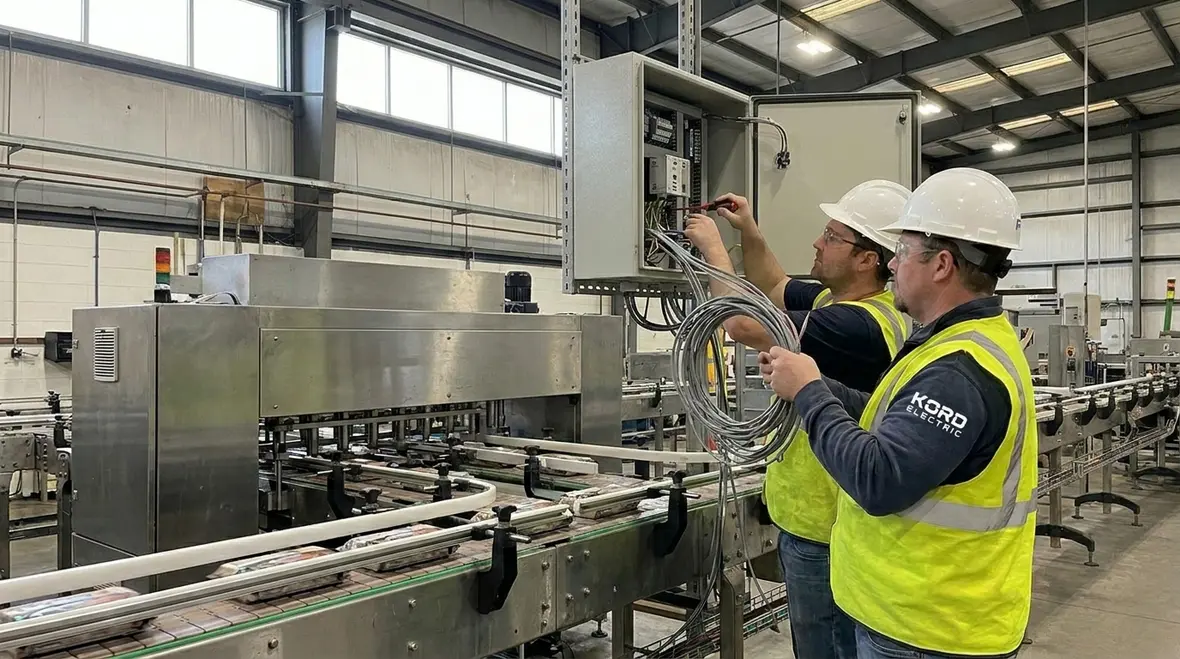
In many cases, industrial lighting control solutions work best when they sit alongside other reliability-focused upgrades such as voltage stability improvements and NFPA-driven maintenance. When your power quality is steady and your distribution equipment is well cared for, the control system gets to focus on comfort, efficiency, and safety instead of constantly adjusting for unstable supply.
Steps to upgrade lighting controls without slowing operations
Upgrading control systems can sound disruptive, but we manage it like a project, not a surprise visit. First, we plan around your production windows and access needs. Then we coordinate installation so you keep your critical spaces running.
Next, we review existing wiring and lighting layouts. If a retrofit requires adjustments, we handle them with care and we keep changes limited to what the plan demands. Because even minor electrical issues can create larger control problems later.
Then we configure the system for how the building operates. We set initial schedules, verify sensor coverage, and confirm dimming response. After that, we test how each zone behaves under typical conditions. We also train your staff on what to expect so you do not get unnecessary calls. When people understand the system, it stops feeling mysterious.
Finally, we document settings and provide service paths. That helps maintenance stay consistent and supports future adjustments. We also align upgrade work with a planned service rhythm so your controls remain reliable long after installation day.
Here is a smooth way to remember the process: plan, verify, configure, test, document. And if that sounds like “boring,” good. Boring is what you want when your goal is predictable performance.
For many facilities, the most efficient approach is to coordinate lighting control projects with broader electrical preventive maintenance or upgrade efforts. Combining work with services like Electrical Preventive Maintenance allows Kord Electric to address underlying electrical issues, verify panel capacity, and confirm that your distribution system will actually support the new controls for the long term.
FAQ
Getting consistent results with Kord Electric
Industrial spaces do not need more guesswork. They need lighting that responds with discipline, and controls that stay reliable through daily use. At Kord Electric, we build industrial lighting control solutions that match your facility rhythms, then we support them with expert service and clear explanations from our technicians. So if you want lower energy use, steadier visibility, and fewer maintenance surprises, reach out. We will review your building, map practical zoning, and chart the upgrade path. Call Kord Electric today and let’s make your lighting finally act like it cares about the numbers.
When you are ready to connect lighting upgrades with a broader reliability strategy, our team can also coordinate with services like Voltage Fluctuation Repair for Commercial & Industrial Facilities and Recessed Lighting Installation. That way, your lighting controls, fixtures, and electrical backbone all move in the same direction—toward stable, efficient, and predictable operation.
If your facility needs a structured path to long-term performance, pairing industrial lighting control solutions with a tailored electrical preventive maintenance program is often the most resilient choice. Kord Electric can help you connect those pieces into one practical plan that keeps your building ready for the next shift, the next season, and the next set of production targets.