Industrial Electrical System Troubleshooting Guide
Introduction: What Kord Electric does when power acts up
When commercial and industrial facilities face sudden shutdowns, flickering loads, or tripping breakers, industrial electrical system troubleshooting becomes more than a buzz phrase at Kord Electric. Our technicians follow a calm, proven path: we confirm the symptoms, we inspect the equipment, and we test the circuits in a safe order so the real cause shows up fast. In this guide, we share how our expert service staff walks through faults step by step. You will see the same thinking we use on real sites, from major property buildings to manufacturing plants. And yes, we treat each failure like it is trying to get away, because it usually is. After all, electricity does not care if your deadline is tomorrow.
How we start industrial electrical system troubleshooting on site
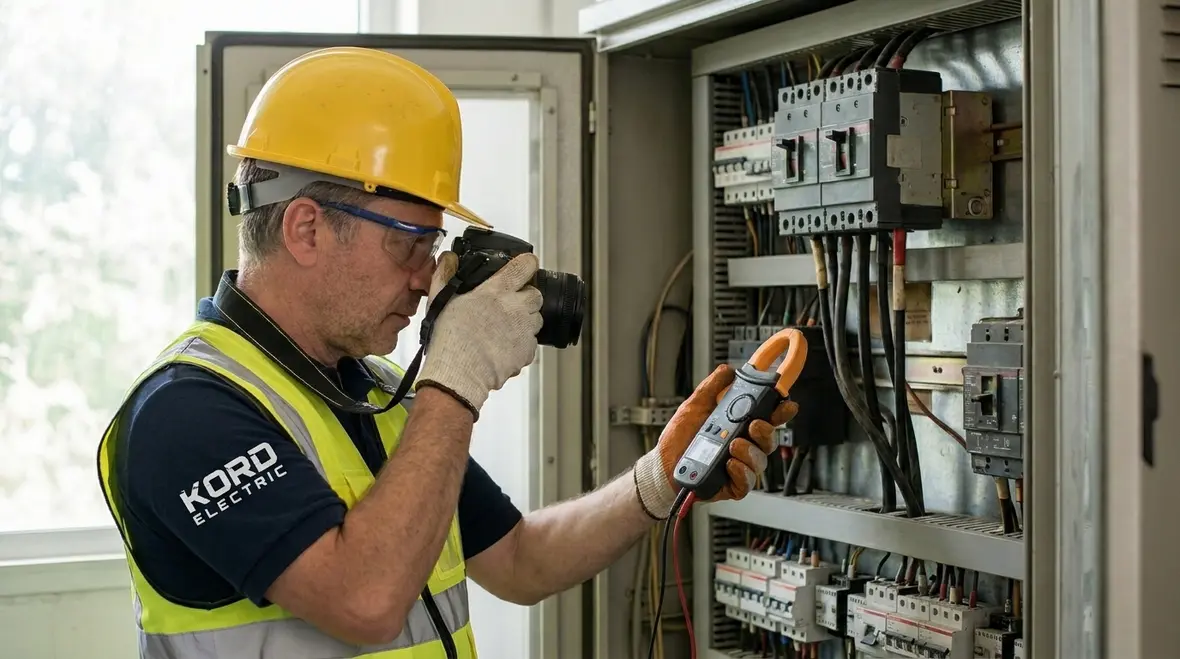
First, our team treats every issue like a story with missing pages. Therefore, we ask facility staff for details such as when the problem began, which panels and loads were affected, and whether anything changed beforehand. Then we compare that input with equipment history like breaker maintenance, prior faults, and recent repairs. Next, we perform a quick visual check that looks for obvious signs: heat marks, loose lugs, moisture intrusion, or damaged cable jackets. Even when everything “looks fine,” we continue, because appearances can lie. A loose connection can look perfect right up until it turns into a tiny heater with an attitude.
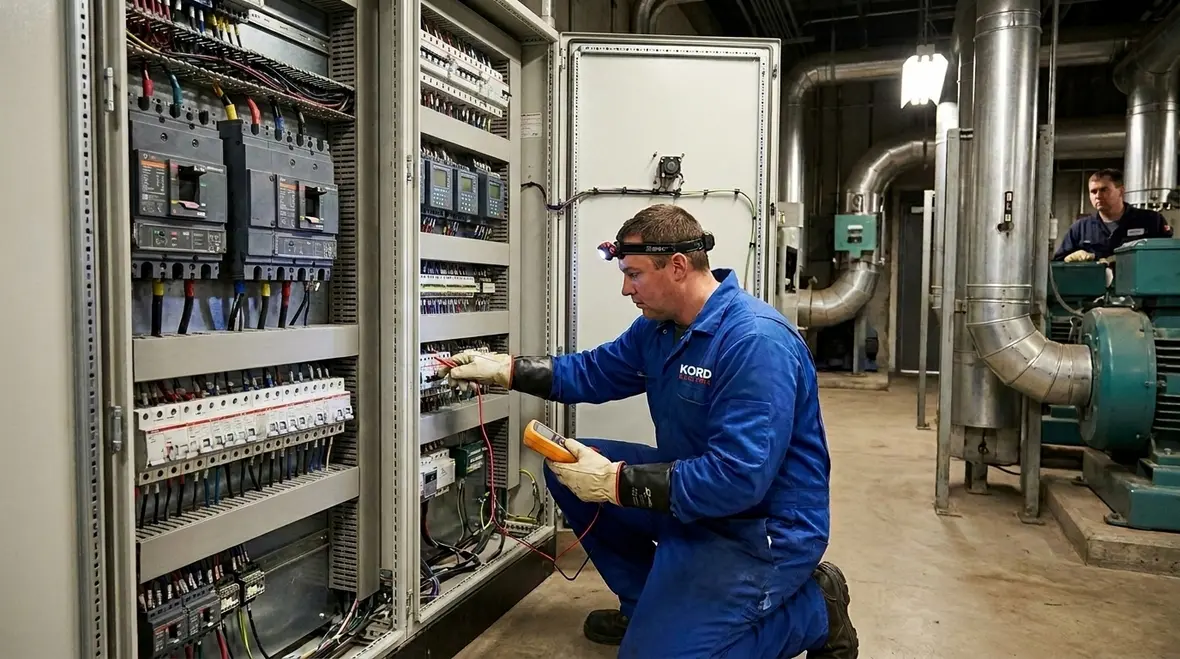
After that, we move into safe verification. We confirm lockout and test boundaries, then we measure key values like voltage balance, current draw, and insulation condition where appropriate. At this stage, we also check for common system patterns such as recurring nuisance tripping, voltage sag, or abnormal harmonics that can trigger protection devices. From there, we narrow the field and select the right tests instead of guessing. Guessing is fine for sports, not for switchgear.
For facilities that want a deeper dive into how unstable power shows up in real buildings, our team also shares guidance in our dedicated article on voltage fluctuations in commercial and industrial facilities, where diagnostics and corrective strategies are mapped out in detail.
Power distribution faults: what to inspect in panels and feeders
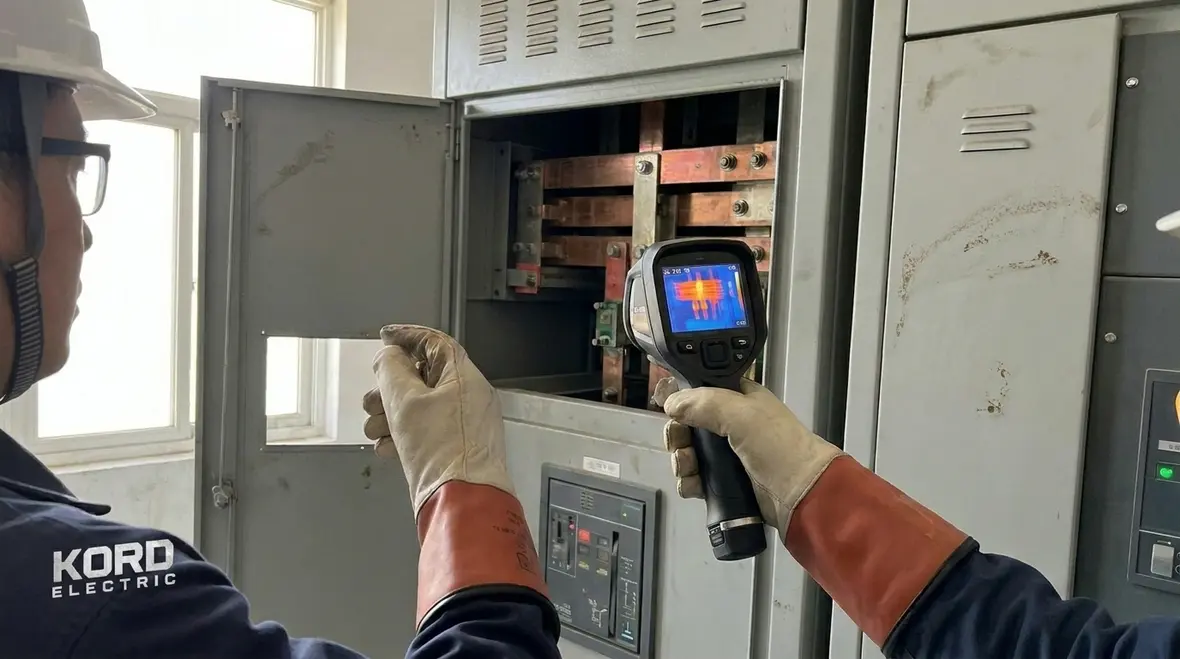
In commercial and industrial settings, most trouble starts in distribution equipment. Consequently, our technicians inspect busbars, breakers, and terminations with a methodical approach. If a breaker trips, we do not just reset it and hope. Instead, we confirm the trip reason, then we review the conditions that existed when it opened. We also inspect for indicators of arc damage, corrosion, and uneven wear patterns on contacts. If the fault shows up in feeders, we check conductor condition and inspect routing for physical stress points.
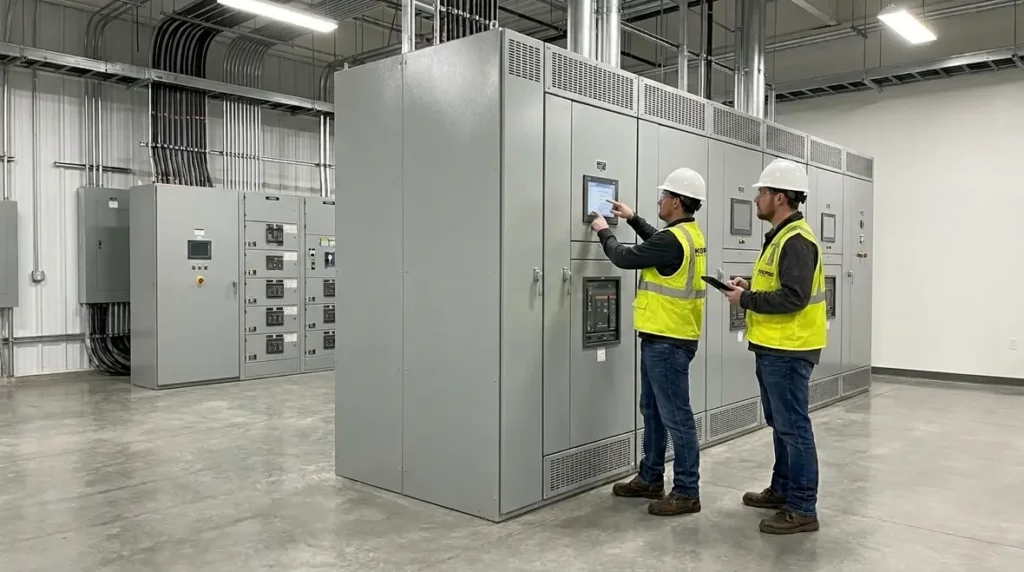
Then we test the circuit logic. If protective devices keep opening, it can come from a real short, but it can also come from improper settings or wiring issues. For example, a ground fault sensor can “see” current due to wiring leakage, insulation breakdown, or moisture. Therefore, we verify wiring integrity and sensor calibration. When voltage is unbalanced, we examine phase loading, connections, and incoming supply stability. And when loads cause repeated issues, we trace which equipment starts first and which one fails next. That order of events often points directly to the culprit.
Because distribution equipment quietly carries the weight of entire facilities, we often pair corrective work with structured programs such as our electrical preventive maintenance services, which help panels, feeders, and switchgear stay reliable under real-world conditions.
Motor and drive issues: the quiet failures that get loud
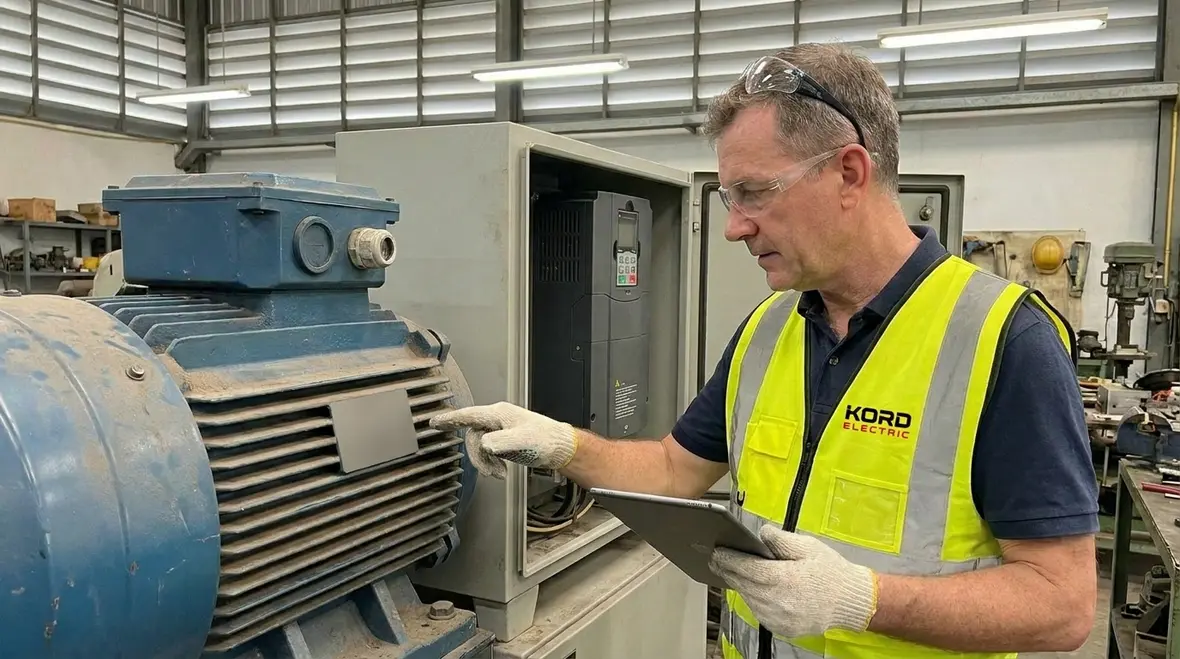
Motor systems in factories and large buildings can develop problems that look minor at first. However, the symptoms usually grow. A motor can draw too much current, run hotter than expected, or start with long delays. In many cases, the root cause comes from insulation aging, mechanical binding, or electrical stress on the starter or drive. So our expert service staff checks motor nameplate data, compares it to measured values, and reviews thermal history. Then we inspect mechanical conditions such as alignment, bearing condition, and coupling wear, because electrical problems often arrive wearing a mechanical costume.
Next, we examine the starter, contactor, and overload settings. We look for contact welding, uneven contact wear, and coil problems. In variable frequency drive systems, we check output waveforms, alarms, and parameter settings that can change with maintenance. Also, we inspect motor cable routing and grounding quality, since poor grounding can create erratic behavior. If the facility reports nuisance trips during start, we investigate acceleration profiles, ramp rates, and load changes. By the time a drive fails hard, it usually sent warnings earlier, like a coworker who always “forgets” to close their ticket.
Ground faults, shorts, and insulation breakdown: finding the real path
Ground fault events can be difficult because they do not always announce themselves with dramatic flames. Instead, they may show up as tripping, alarms, or intermittent faults. Therefore, our troubleshooting focuses on tracing leakage paths and insulation integrity. We start with environment checks: humidity, condensation, water ingress near cable trays, and corrosion inside enclosures. Then we test insulation where needed and evaluate the system for weak points. If the facility uses long feeder runs or has older wiring, insulation aging can contribute quickly during temperature swings.
When shorts occur, we identify whether they are phase to phase, phase to ground, or intermittent due to vibration or insulation cracks. We also inspect end terminations, because failure often concentrates at connection points. Then we look at protective device performance. A fault can go undetected if protective coordination is off, and that can allow equipment to degrade more than it should. So we verify settings and ensure that protective devices respond at the correct thresholds. In short, we do not just “find the fault,” we also confirm the protection strategy works as designed.
Control circuits and automation: when the lights stay on but the process stalls
Sometimes power stays stable, yet equipment does not respond. That is where control circuits and automation become the main stage. Accordingly, our technicians examine the control power supply, relays, contactors, and interlock wiring. We check for dropped signals, bad contact states, and faulty pilot devices. Then we trace the ladder logic or control sequence, especially when the reported issue relates to interlocks, permissives, or safety shutdowns.
We also look for external causes that create control disturbances. For instance, a sensor can drift out of spec, or a wiring run can pick up noise from nearby power conductors. When that happens, the system may interpret false conditions and stop the process. Therefore, we review sensor calibration, verify signal type, and inspect shielding and grounding. If the facility uses SCADA or networked controllers, we confirm communication health and check for intermittent link losses. As a result, control failures get solved at the root, not by restarting the system like it is a stubborn app on a phone.
Testing tools and safe methods our technicians rely on
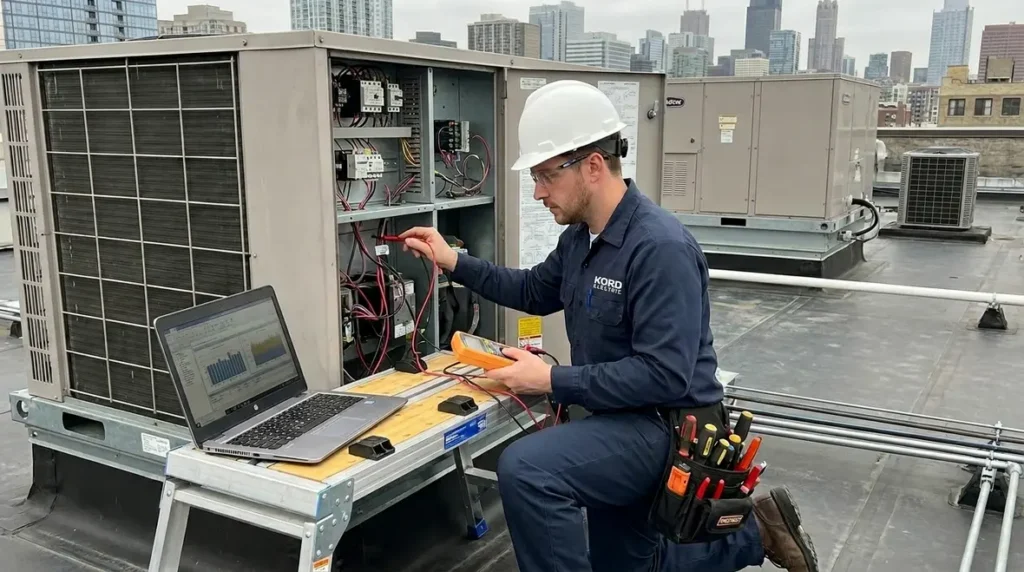
Safety matters first, always. So our approach begins with proper lockout and verification, then careful test planning that matches the risk level. From there, our team uses measurement tools that help us separate electrical issues from non electrical ones. We measure power quality and inspect voltage stability, then we evaluate loads under real operating conditions whenever the site can support it. We also use thermal inspection methods to detect hot spots on terminations and connections. That step often catches problems that standard visual checks miss.
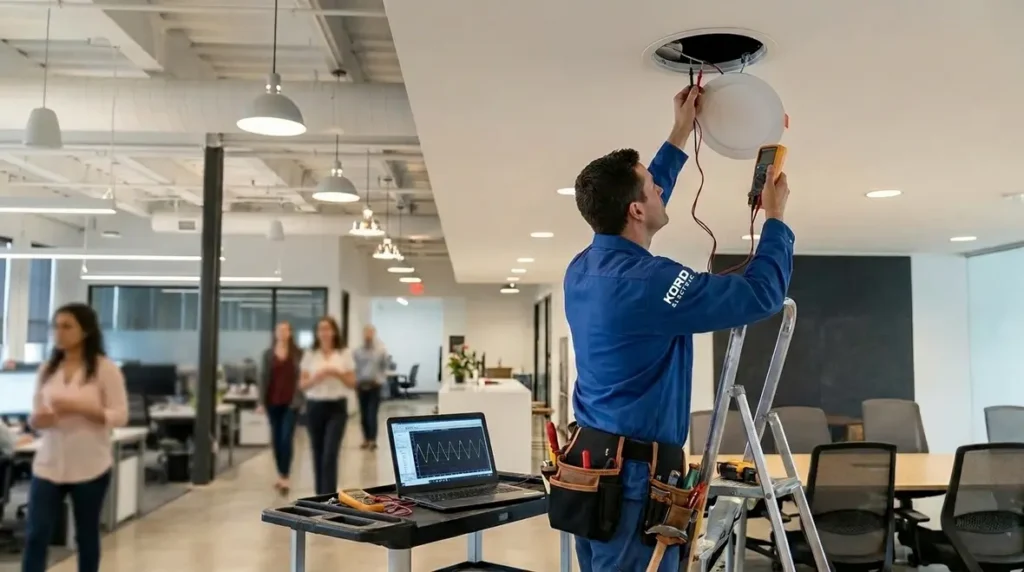
When needed, we apply insulation testing techniques and verify protective device operation. We also validate wiring continuity and check for miswired components. For harmonics and power factor problems, we review system behavior during peak operation and correlate it with equipment load cycles. Then we document findings clearly so the facility team understands what we measured, what we found, and what we recommend. Meanwhile, our expert service staff explains each step in plain language, because the goal is not to make industrial electrical system troubleshooting sound like a mystery novel. The goal is to get your facility running again, on schedule.
Maintenance steps to reduce repeat failures at commercial and industrial facilities
After we restore operation, we help prevent the next “surprise.” We recommend maintenance actions that match the equipment and the environment. For switchgear and panelboards, that can include torque verification on terminations, inspection of breaker mechanisms, and cleanliness checks for moisture and dust buildup. For motor systems, we suggest routine thermal monitoring and inspection of starters, contactors, and overload devices. For drives and control circuits, we recommend periodic verification of parameters, inspection of cable integrity, and confirmation that grounding remains solid.
Furthermore, we encourage facilities to track fault history and operational events in a structured way. When a team logs which load started before a trip, it becomes much easier to spot patterns. Also, training matters. Our technicians share best practices with facility staff so they know what changes to report early, like unusual vibration, repeated alarms, or smell of overheated insulation. In business, prevention costs less than downtime, and that is not a slogan, it is math.
For organizations ready to formalize their maintenance strategy, this approach connects directly to Kord Electric’s dedicated electrical preventive maintenance programs for commercial and industrial facilities, which turn good intentions into a clear, repeatable plan.
FAQ about industrial electrical system troubleshooting
Contact Kord Electric for industrial electrical troubleshooting
If your facility faces nuisance tripping, motor faults, or control problems, Kord Electric can help you restore reliable operation without guesswork. We bring expert technicians, clear testing methods, and step by step explanations that facility teams can trust. Call us to schedule an on site assessment for commercial and industrial equipment, including major property buildings. Let us locate the real cause, fix it safely, and recommend maintenance that reduces repeat failures. Electricity will keep doing what it does, so we will handle the hard part.
When an electrical fault escalates into an urgent outage, our dedicated emergency electrical services team is available to stabilize systems, troubleshoot the root cause, and bring power back online with a structured, safety-first process tailored to commercial and industrial facilities.