Commercial Subpanel Installation Best Practices
Commercial Growth Planning Starts with the Right Panel Layout
When a commercial site grows, power demand grows with it, and that is where commercial subpanel installation best practices matter most. At Kord Electric, we plan the expansion like we are building a future, not just wiring a building. So we start by mapping loads, sizing feeders, and accounting for available space before we touch a single conductor. Then we add room for later growth, label everything clearly, and verify performance with safe, documented testing. That way, expansion does not turn into a scavenger hunt for spare breakers, because nobody wants to play “Where is that one slot?” in year two.
Our technicians and expert service staff walk the facility team through each step, in plain language, and we keep the process orderly so operations stay stable. After all, the goal is steady power, cleaner design, and fewer surprises.
Power Load Mapping for Real Expansion
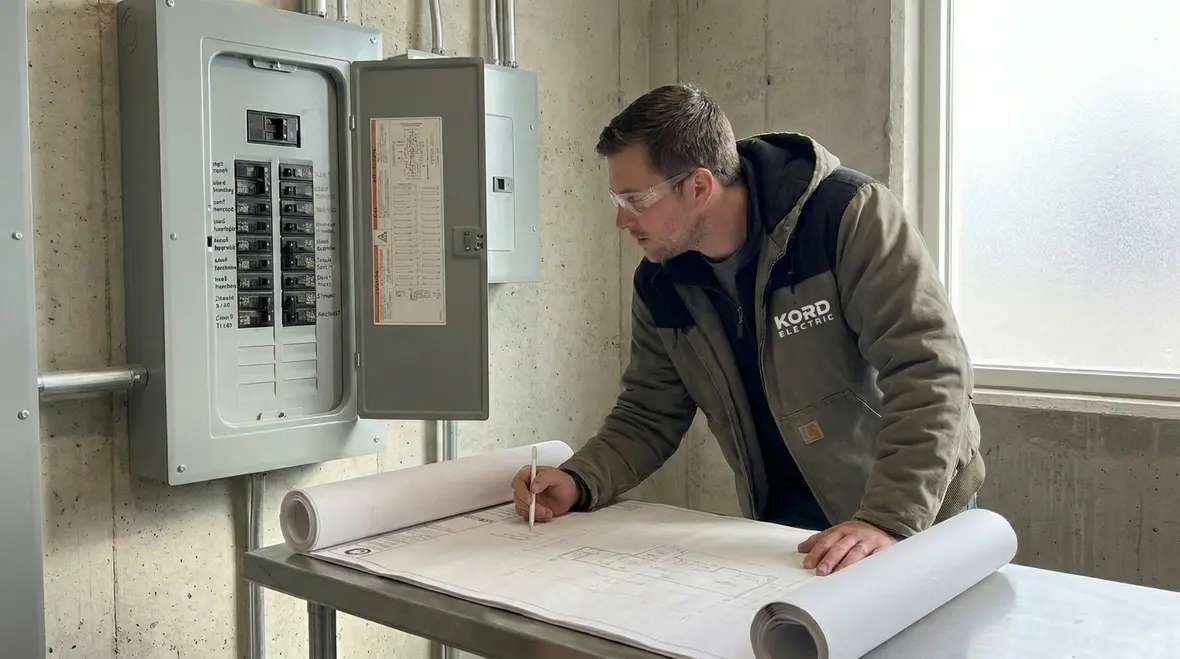
In commercial and industrial facilities, the best designs come from careful load mapping, not guesses. First, we inventory the current equipment and the planned additions. That includes HVAC units, production equipment, electric vehicle charging, kitchen loads, pumps, and tenant buildouts inside major property buildings. Then we group loads by voltage, phase, and operating pattern, because a load that cycles every five minutes behaves very differently than a steady process load.
Next, our service team confirms actual use when possible, rather than relying only on nameplate ratings. We ask for historical bills, panel schedules, and operating hours. As a result, the subpanel plan matches real demand, and the system runs closer to its intended design point.
Finally, we document the load map so future expansion stays simple. This also supports permits, inspections, and internal planning. If you think paperwork is boring, remember: boring paperwork is how we prevent dramatic failures.
Design Choices That Avoid Future Breaker Headaches
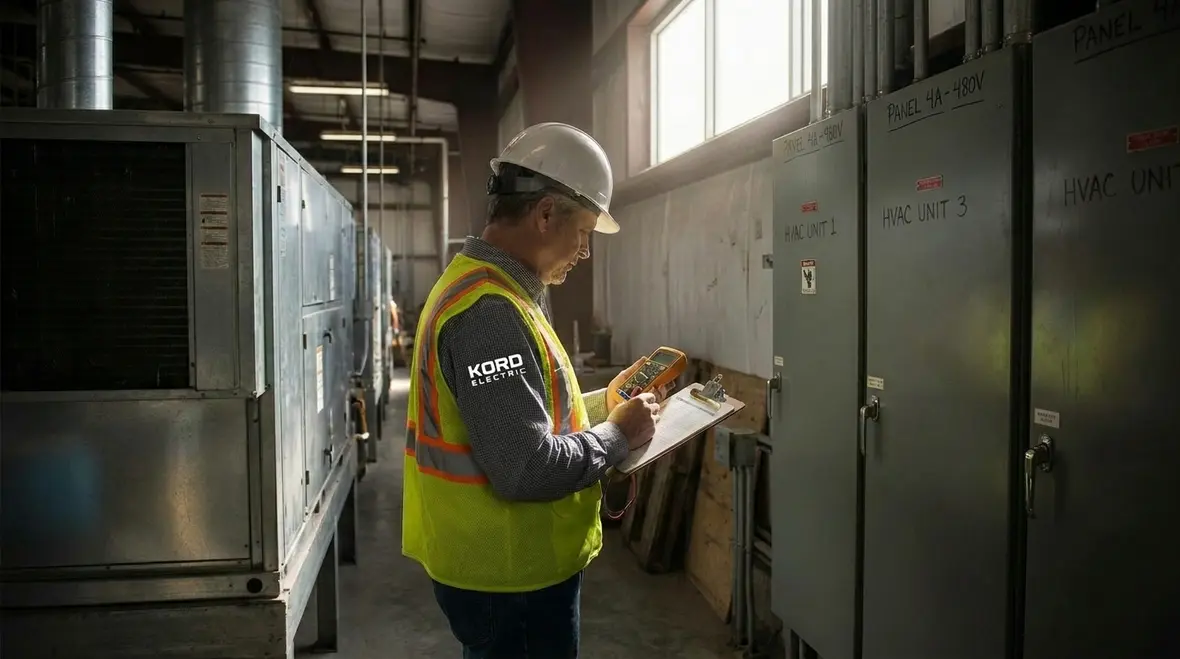
As facilities expand, subpanels often get added quickly, and later the design limits show up. To avoid that, we help owners make design choices that reduce rework. We size feeders properly, choose conductors based on load, temperature rating, and installation conditions, and we maintain correct phase balance where it applies.
We also plan for spare capacity. That means we select enclosures with enough physical space, we allocate breaker positions for likely future circuits, and we consider the growth path of the site. This includes business changes like new tenants, new equipment, or upgrades to compliance driven by local rules.
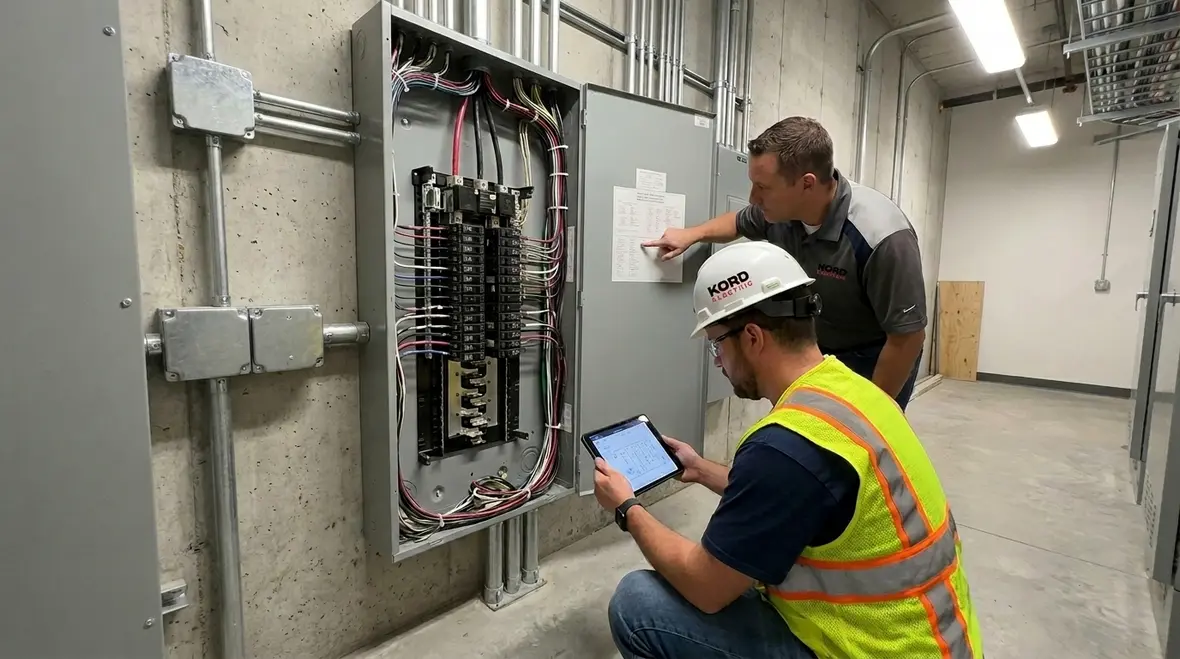
Then we set up a clear circuit layout with good labeling. When a team can find a circuit in seconds instead of minutes, you avoid downtime and you keep maintenance safer. Our technicians explain labeling standards and naming logic during installation so facilities teams can use the system confidently.
Feeder Sizing, Protection, and Coordination Work
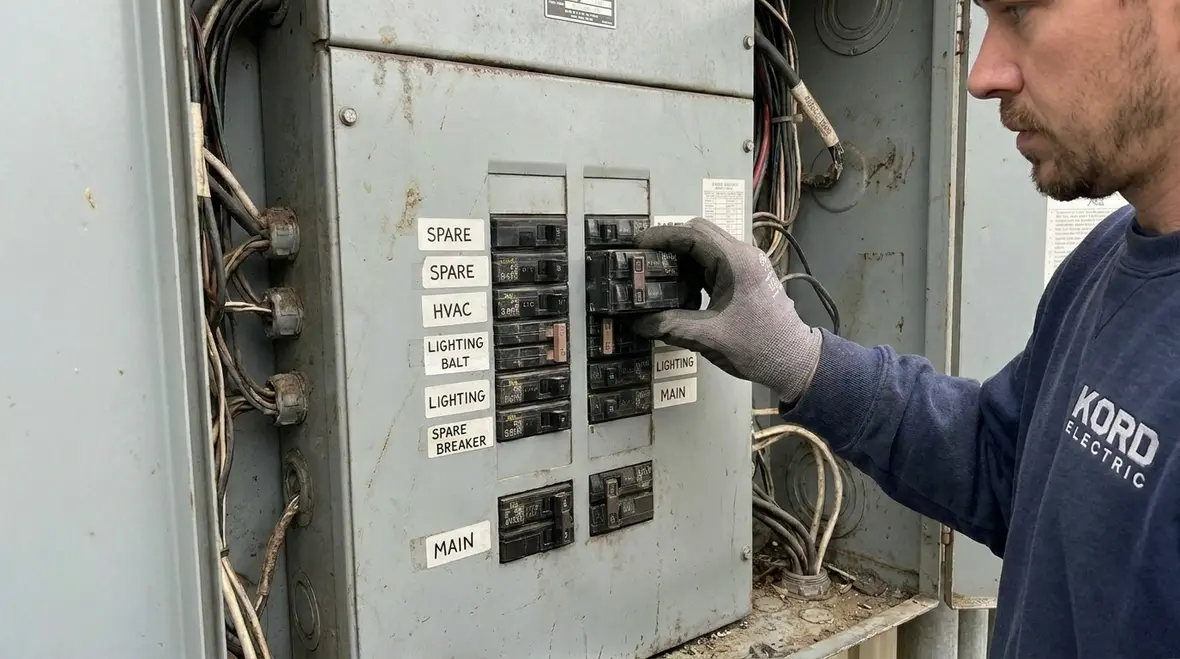
Correct protection is not optional. It is the difference between a system that trips cleanly and one that hunts for problems like a bad TV detective. We build the subpanel expansion around feeder sizing, protective device selection, and coordination between the service equipment and downstream breakers.
First, we evaluate the upstream panel and determine whether the existing service has headroom. If it does not, we recommend upgrades early, before the new loads arrive. That timing helps the facility keep schedules and budgets under control.
Next, we coordinate protective devices so faults clear at the right level. We aim for fast isolation of the fault circuit, while preventing unnecessary shutdown of other areas. We also verify grounding and bonding to match commercial code needs and reduce risk to people and equipment.
Finally, we include proper surge protection where it fits the facility needs, especially for sensitive electronics. Our expert staff also shares why surge protection belongs in commercial environments, not just on paper.
Installation Standards Our Technicians Follow Every Time
Even a strong design can fail if installation quality slips. Kord Electric keeps the process controlled and consistent. Our technicians follow strict workmanship standards: correct torque on terminations, clean routing, proper wire support, and neat separation of conductors where required.
We also manage cable fill and bend radius so conductors stay within safe limits. In commercial and industrial settings, those details matter because vibration, heat, and long cable runs can amplify issues over time.
Then we verify that the subpanel is ready for inspections. We check labeling, breaker identification, cover installation, and accessibility. We do not hide problems in the walls. We surface them early, fix them fast, and move forward with confidence.
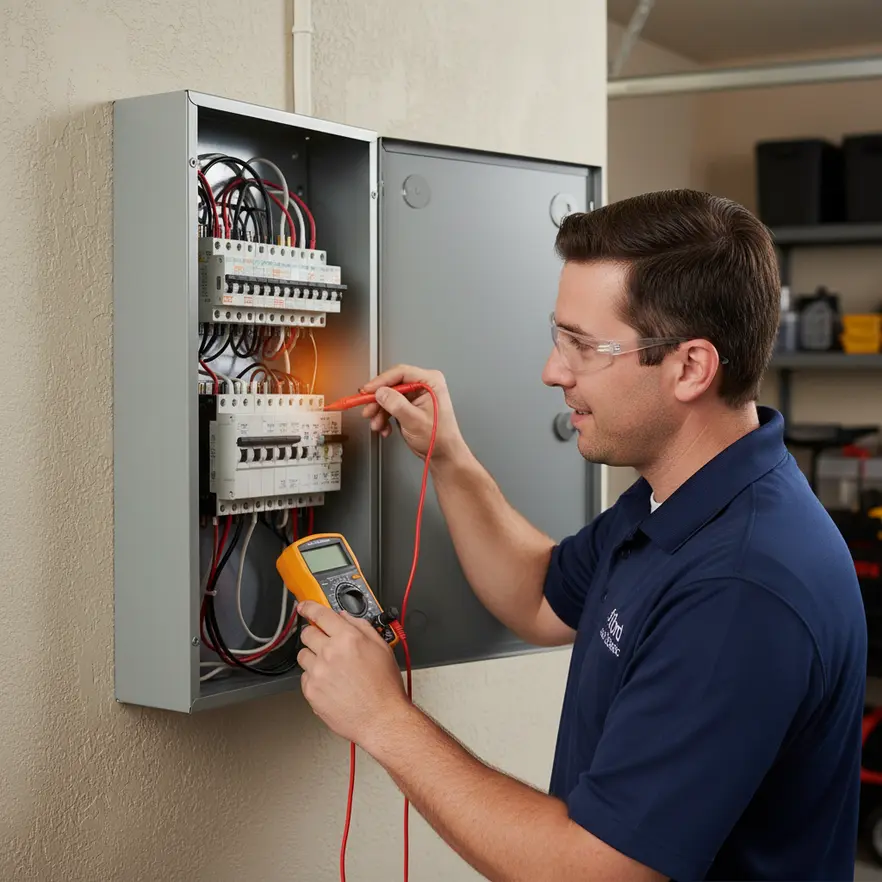
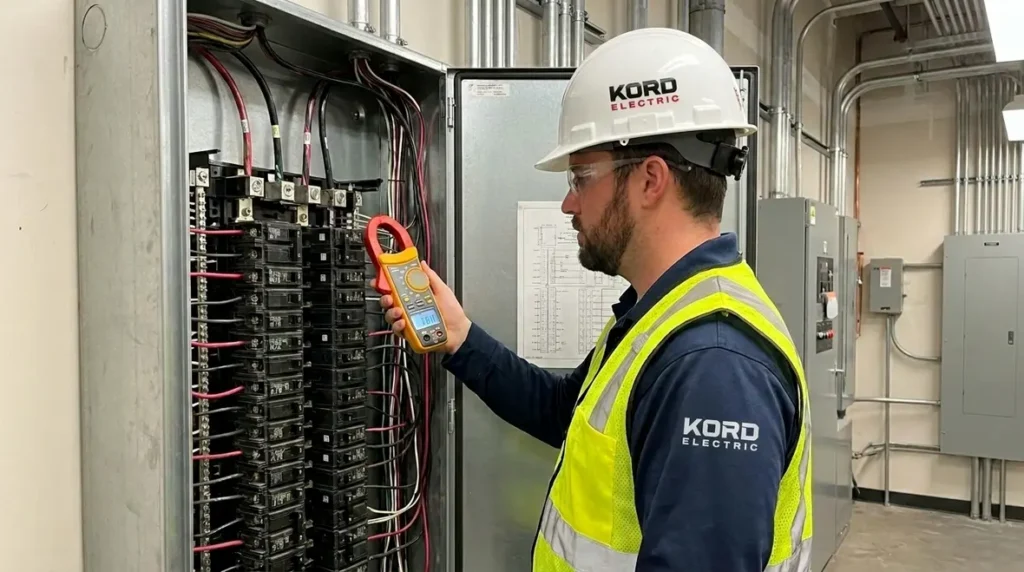
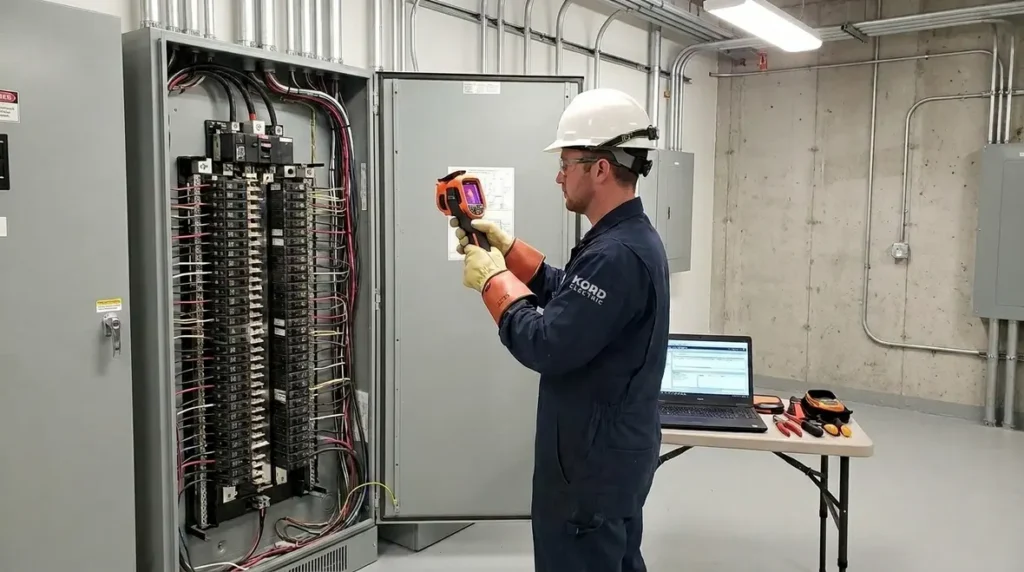
And yes, we test. Testing is not a “nice to have.” It is how we confirm performance. Our teams explain each test and what it means for operations, because a facility manager should never feel like they are watching an electrical magic trick with no instructions.
Inspection, Documentation, and Change Control
When a subpanel gets added during a busy commercial schedule, documentation tends to get postponed. We treat documentation as a core part of the work, because later audits, maintenance calls, and troubleshooting depend on it.
After installation, we update panel schedules, circuit maps, and as built records. Where the facility uses preventive programs, we align the documentation with their maintenance system so technicians can find the right circuits and planned service intervals. For many properties, that means tying the new subpanel into a broader plan such as electrical preventive maintenance so inspections, testing, and adjustments stay coordinated over time.
We also support change control. In major property buildings, the electrical scope may involve tenant upgrades, shared areas, and phased construction. We coordinate electrical changes with the project team so circuits do not get mislabeled, circuits do not get duplicated, and power handoffs stay clean.
This approach reduces confusion and keeps a facility from doing the electrical version of “rebuilding the plane in mid flight.” We prefer safer, calmer timelines.
Using Preventive Maintenance to Keep Subpanels Healthy
Once the new subpanel installation is complete, the real value shows up during operation. Kord Electric aligns with preventive maintenance principles to keep panels stable and reliable. If the facility already follows a preventive plan, our technicians integrate the subpanel into that schedule. If not, we help build a practical plan that matches the site’s risk level and workload.
We reference the same core ideas found in our preventive maintenance approach, including inspections of panel condition, checks for loose connections, monitoring for signs of overheating, and review of breaker and conductor performance. Our team focuses on what causes issues in commercial environments: vibration, frequent cycling, moisture exposure in certain areas, and long term wear.
To make this easy for facilities, we explain what we look for during service visits and what we recommend based on findings. In addition, we emphasize that preventive work often costs far less than emergency troubleshooting. For organizations that manage multiple properties or critical operations, pairing a well planned subpanel strategy with structured services like dedicated commercial and industrial electrical maintenance plans keeps reliability, compliance, and costs moving in the right direction.
To keep things moving, we also suggest a simple maintenance cadence based on how the facility uses the system. Some sites need more frequent checks, while others can follow a longer interval, but every site benefits from consistent verification.
Single Facility Upgrade Path: What It Looks Like in Practice
During a commercial buildout or expansion, we often guide the site through one clear path. First, we confirm load needs and available capacity. Then we select subpanel locations that support safe access and wiring runs. After that, we install the system, test it, and document it. Finally, we connect it to the facility’s maintenance routine so long term reliability stays high.
To make the process concrete, we sometimes review two paths for a major property building: one that prioritizes speed for near term power needs, and one that prioritizes a longer upgrade window with extra spare capacity. Both paths stay compliant and maintain safe power distribution, but the timeline and growth flexibility differ.
Dual column snapshot
| Near term expansion | Long term expansion |
|
We target current and immediate loads We add capacity without overbuilding We document for quick follow ups |
We reserve more breaker space We plan feeder and enclosure upgrades early We support a multi phase growth plan |
For facilities planning major upgrades or multiple phases of work, tying this approach into a broader regional strategy can also help. That might include leveraging comprehensive Los Angeles County electrical services so panel work, lighting, power quality, and future projects stay aligned under one commercial partner.
FAQ: Commercial Subpanel Installation Best Practices
Wrap Up and Call Kord Electric for Your Next Expansion
Growth is good, but electrical planning must keep pace. When you choose Kord Electric, we build commercial subpanel installation and expansion around load reality, safe protection, strong workmanship, and clear documentation. Our technicians explain what we do and why, so your team stays in control during construction and after handoff. If your facility has new equipment on the horizon or you are facing panel space limits, contact us now to plan the upgrade before it becomes an emergency.
For facilities that want a single partner from planning through long term care, we can connect subpanel work with broader service offerings such as panel upgrades, troubleshooting, and structured maintenance programs. That way your system upgrades, safety goals, and compliance needs stay aligned with a dedicated commercial and industrial provider, instead of being split across multiple vendors.
If you are mapping a new project or planning a future expansion, our team can also coordinate with related solutions like recessed and industrial lighting, Title 24 compliance strategies, and EV charging infrastructure so everything works together instead of fighting for capacity. We design and install with the entire distribution system in mind, not just the next breaker space.
When you are ready to move from ideas to scheduled work, our commercial and industrial electrical team can scope your subpanel needs, review your existing electric panels, and outline a clear path forward that fits your budget and construction timeline. From the first walkthrough to final testing, Kord Electric treats your power systems like the backbone of your operations.
If you need support beyond a single project, our broader commercial services across the region are built to handle multi-site portfolios, complex facilities, and fast-moving tenant improvements with the same disciplined approach.
To explore how subpanel upgrades, panel maintenance, and distribution improvements can support your next phase of growth, connect with our team and we will help you prioritize scope, timing, and risk reduction.
Explore commercial panel and subpanel services that can be tailored to your facility’s layout, load profile, and future project roadmap.