Industrial Control Panel Reliability Testing Reduce Downtime
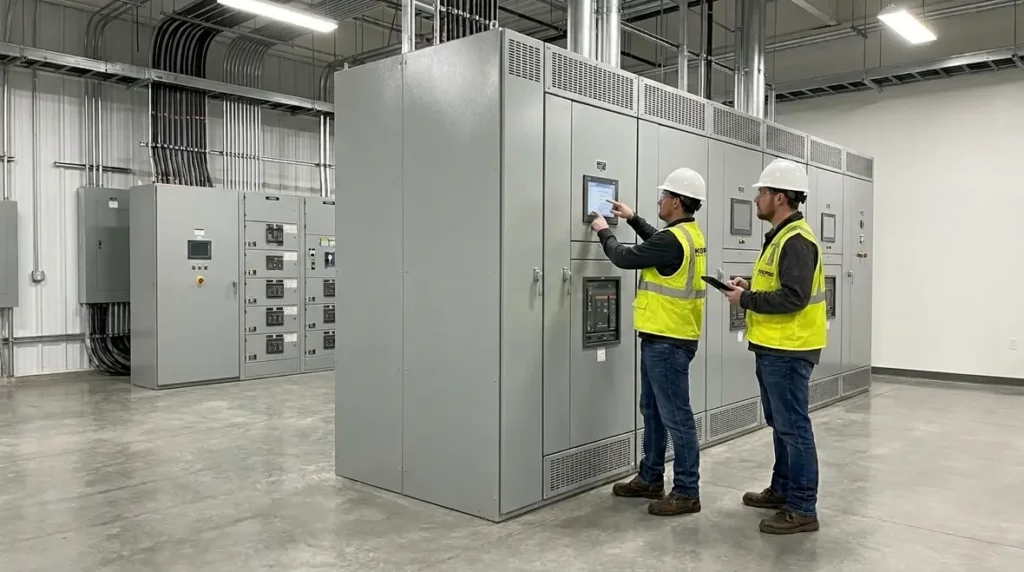
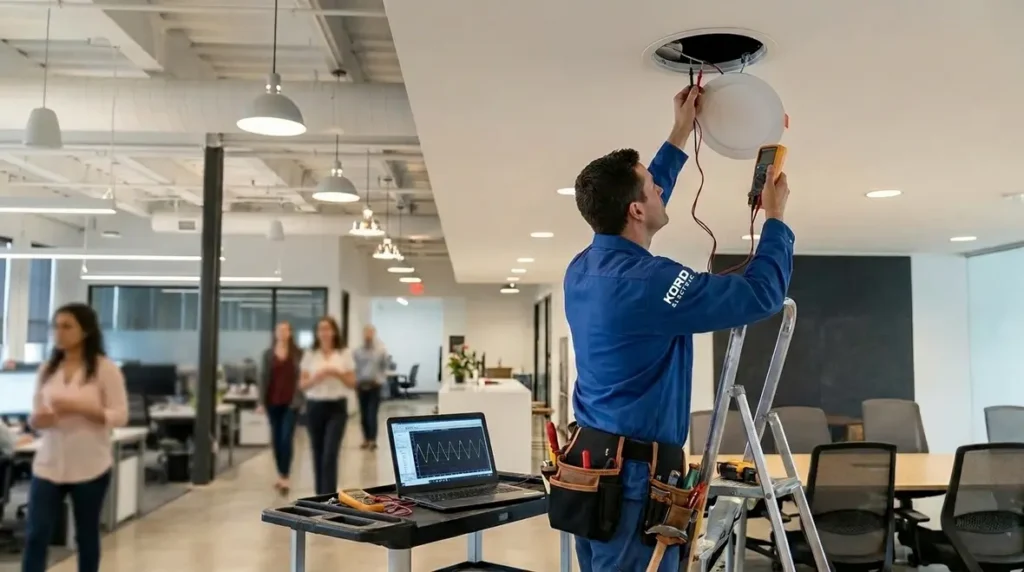
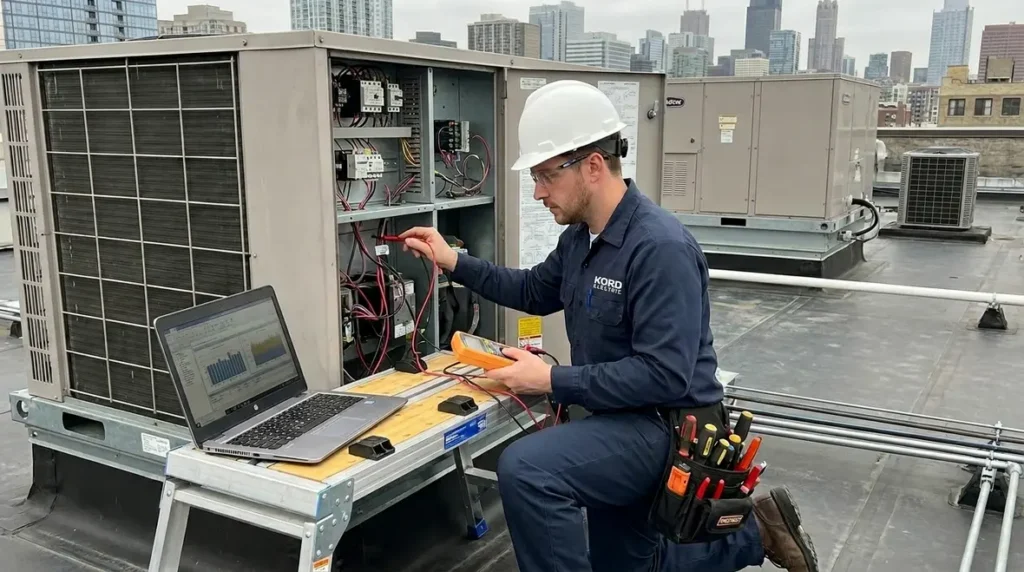
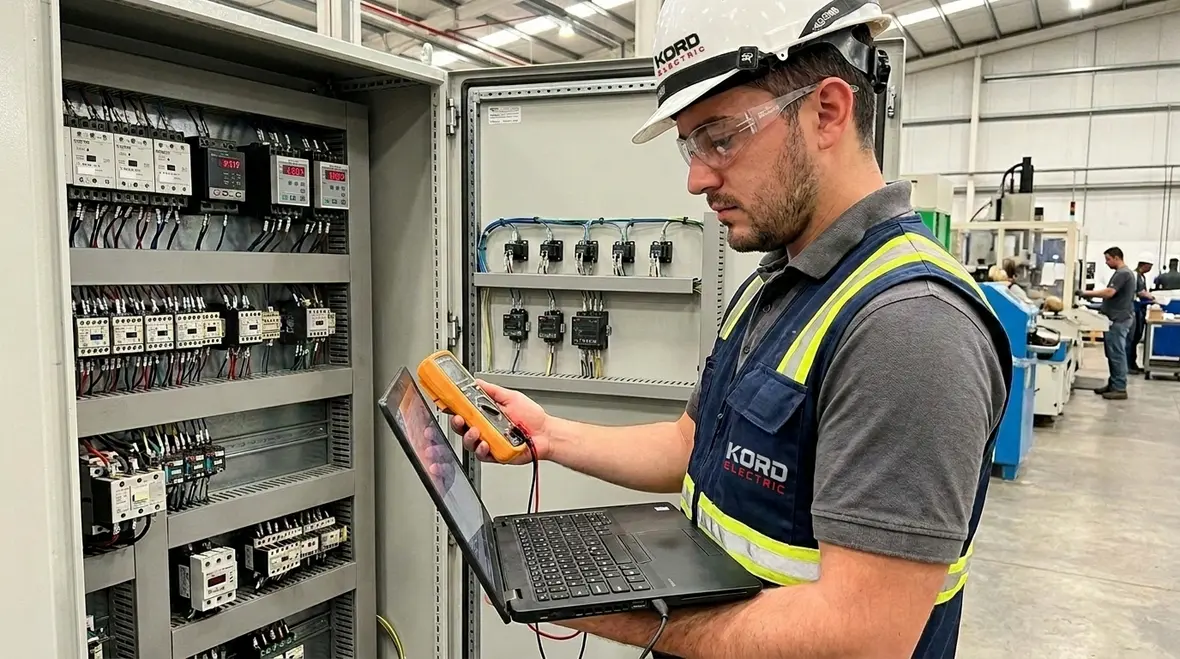
At Kord Electric, we build and maintain a safer way to run your processes by focusing on industrial control panel reliability testing before a problem turns into downtime. We know that in commercial and industrial facilities, a stalled line, a tripped circuit, or a misread signal can ripple across shifts, budgets, and credibility. That is why our technicians and expert service staff treat reliability testing like a calm, methodical health check for your control system. They do not guess. Instead, they measure, verify, and document what your panels do under real conditions. And yes, we have seen panels fail in ways that feel like a plot twist. Usually, the twist shows up after someone says, “It was fine yesterday.”
How reliability testing prevents downtime in industrial control panels
Third party contractors can run basic checks, but they often stop early. At Kord Electric, we push further because the goal is not just to find faults. The goal is to prevent downtime. Reliability testing helps confirm that protective devices, logic, wiring, and actuators respond correctly and consistently. Therefore, when a fault occurs, your panel should either handle it safely or alert operators quickly. In other words, we help your system behave like a disciplined team member, not like a freelancer working without a schedule.
We also map failure points. For example, a panel may pass a visual inspection yet struggle with heat cycles, contact wear, vibration, or input noise. Then, as operations continue, small issues compound. Eventually, they trigger nuisance trips or, worse, a system that operates but does so incorrectly. By planning industrial control panel reliability testing around your actual environment, we reduce the odds that your next outage comes from something “too small to matter.”
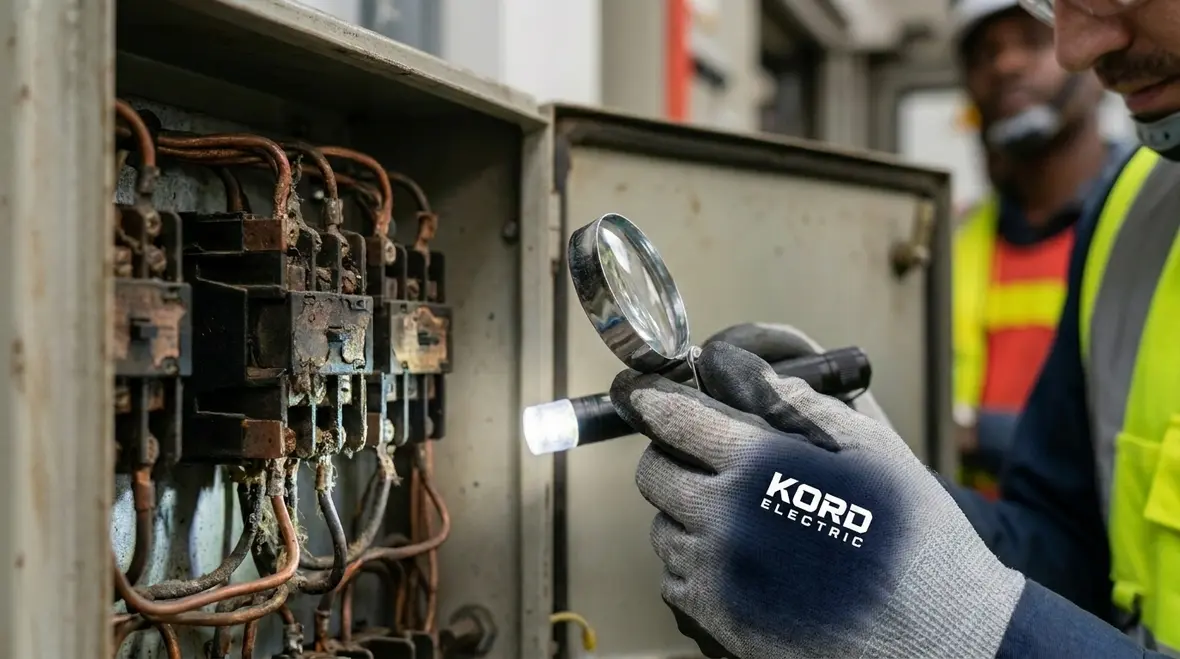
When facility managers already work to avoid hidden electrical risks in commercial buildings, adding structured reliability testing closes another gap. It gives your team clear evidence that panels are ready for the loads and duty cycles you actually run, not just the ones printed on older drawings.
What we test inside your control panel
Our expert service staff approaches every test sequence with clear goals and steady attention. First, we review the panel design, the control strategy, and the plant needs. Next, we verify the fundamentals, then we move into stress and performance checks. This flow helps us avoid random testing that wastes time and does not build confidence.
- Power integrity checks: We confirm stable voltage behavior, grounding quality, and protective device coordination so the panel does not react unpredictably.
- Input and output verification: We validate sensors and signals, and we confirm actuators and contactors respond with the right timing and logic.
- Logic and control validation: We test the control sequences so interlocks, alarms, and shutdown paths perform as designed.
- Communication reliability: Where systems use Ethernet, fieldbuses, or industrial protocols, we test data exchange and retry behavior.
- Thermal and endurance observation: We watch how components behave under load, because temperature and duty cycle often reveal hidden weakness.
Additionally, we record findings in plain language. Instead of burying your team in confusing reports, we translate what we see into actions. That is how reliability testing becomes a real business tool, not a line item that simply exists.
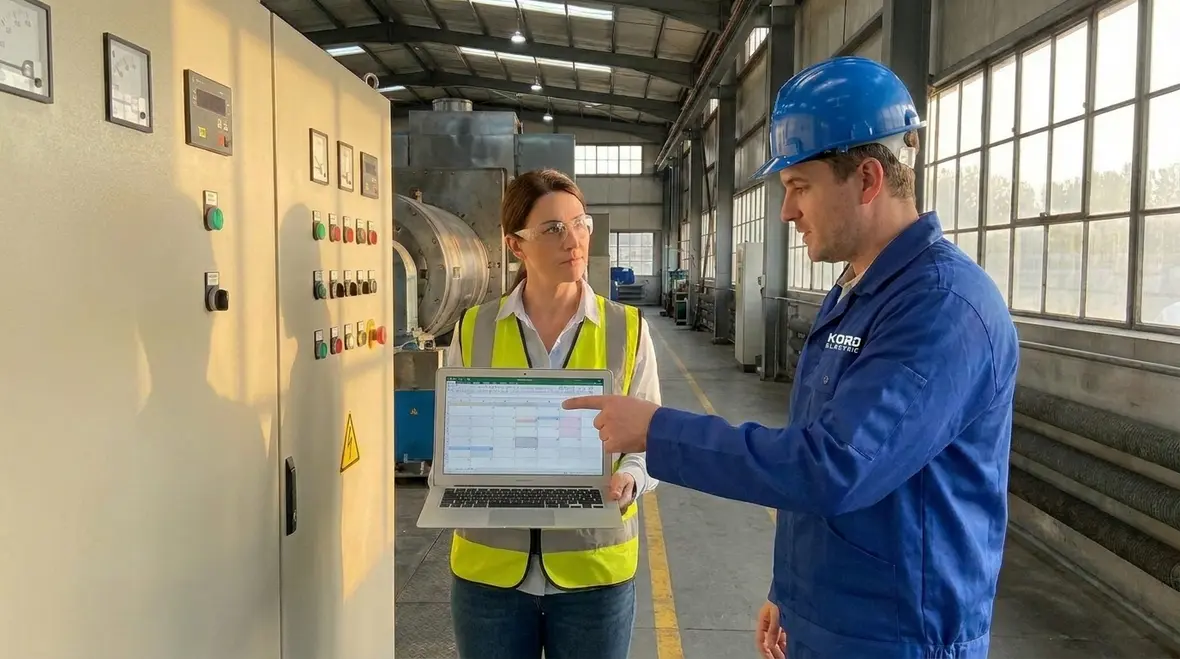
Because control panels often sit at the center of distribution equipment, we align our test plans with broader programs like electrical preventive maintenance. That way, infrared scans, torque checks, and reliability tests tell a consistent story about how your system is aging.
Which failures do reliability tests catch early
Industrial environments punish control panels. However, the best reliability testing does not just catch obvious failures. It also flags early warning signs while equipment still has time to be corrected. Our technicians look for patterns that often show up before a major trip or shutdown.
- Worn contacts and intermittent switching: These can cause sporadic faults that “come and go,” like a coworker who only answers emails on Fridays.
- Loose terminations and aging wiring: Small resistance changes can create heat, drift signals, and reduce repeatability.
- Incorrect settings or outdated logic: Sometimes the hardware is fine, yet the control program or parameter tuning makes the panel misread conditions.
- Noise and grounding problems: These issues can create false triggers or cause intermittent communication errors.
- Component stress and derating risks: Capacitors, relays, and power supplies can degrade faster than expected under heavy duty cycles.
Because we test systematically, we can connect symptoms to causes. Consequently, your maintenance team spends less time chasing ghosts and more time keeping production stable.
If your panels already support equipment exposed to voltage fluctuations in commercial and industrial facilities, reliability testing becomes an early warning system. It lets you spot stressed components before they turn a small fluctuation into a long outage.
How we schedule testing for commercial and industrial operations
Even the best test plan fails if it ignores your production reality. So, Kord Electric coordinates industrial control panel reliability testing around your building schedule. We focus on commercial and industrial facilities and major property buildings, where downtime is expensive and customer impact matters.
First, we review operating windows, staffing, and safety constraints. Then we define the test scope so your panel’s role in the process stays clear. After that, we build a plan for data capture and verification. Meanwhile, our technicians communicate what they need and when they need it, so your on site team does not feel like they are hosting a moving circus.
We also consider future work. Instead of treating each test as a standalone event, we aim for a cycle that keeps your system stable over time. That way, next month’s reliability work does not start from scratch.
For facilities that already plan structured shutdowns, reliability testing fits naturally alongside tasks like switchgear maintenance, electrical system troubleshooting, and panel labeling. Connecting these efforts keeps your entire electrical backbone from becoming a patchwork of one-off fixes.
Why documented results matter to operations leaders
Plant managers, facilities teams, and building owners need more than “it passed” or “we fixed it.” They need proof, traceability, and clarity. Therefore, our expert service staff documents results in a format that supports decision making. We show what we tested, what we observed, and what it means for reliability and risk.
When teams have a clean history, they can plan maintenance with confidence. Also, they can compare panel performance across seasons and operational changes. If we observe degradation, we recommend an action plan that fits your constraints. In addition, we help your stakeholders understand whether a fault is likely to worsen, whether it affects safety functions, and what downtime risk it carries.
And for the record, “documentation” does not have to feel like paperwork from the ancient era. We keep it practical, clear, and usable.
Those records also connect well with work like electrical panel labeling best practices. When panel names, circuits, and test data speak the same language, future crews can step in quickly instead of rebuilding the story from scratch.
How to choose a reliability testing partner
Not all service providers treat reliability testing the same way. Some rush through checks. Others focus only on what is easy to measure. Kord Electric selects a deeper approach, and we do it because our clients operate systems where reliability is not optional.
When others shop for testing, we recommend they ask how the provider:
- defines test scope based on actual panel function
- handles safety, lockout needs, and operational constraints
- verifies both control logic and field behavior
- captures data and produces decision ready reports
- supports follow up actions, not just findings
In short, you want a partner who tests with intention and communicates with clarity. If the conversation feels vague, the outcome usually is too. And nobody wants that, unless they are filming a reality show where the plot is “we found out after the lights went out.”
For facilities across Los Angeles County, Kord Electric already supports complex systems through services such as Los Angeles County electrical services for commercial and industrial facilities. Adding industrial control panel reliability testing to that toolkit keeps power, controls, and production moving in the same direction.
FAQ
Conclusion
If your facility depends on dependable control systems, Kord Electric helps you protect that uptime with disciplined industrial control panel reliability testing. We send expert service staff to verify your panel’s behavior under real conditions, document what we find, and recommend practical actions your team can execute. As a result, you spend less time reacting and more time running. Contact Kord Electric today to plan a testing approach built around your operation, your safety needs, and your risk profile.
When you pair that testing with broader programs like electrical preventive maintenance, voltage stability corrections, and structured troubleshooting for factories, you build a resilient electrical backbone instead of relying on luck. Over time, that backbone pays for itself in fewer outages, calmer nights, and a lot less drama every time someone says, “It was fine yesterday.”
Whether you manage a single production line or an entire campus, treating industrial control panel reliability testing as a core reliability tool keeps your operations closer to “steady and boring” than “headline-worthy failure.” And in real facilities, boring is a compliment.