Commercial Electrical Maintenance Plans Protect Revenue
Hidden Costs Don’t Knock First: How Our Commercial Building Electrical Maintenance Plans Guard Revenue

At Kord Electric, we build commercial building electrical maintenance plans for the places that never really get to “pause operations.” From office towers to industrial parks and major property buildings, we plan electrical maintenance like it matters, because it does. In the first 100 to 150 words, here is the plain truth: when a facility skips structured electrical care, revenue leaks in ways most teams never measure. Equipment fails quietly, safety margins shrink, and downtime shows up later as lost billing, delayed production, and unhappy tenants. And yes, we have heard the classic line, “It worked fine last time.” Last time is never a strategy. We help owners and facility managers protect cash flow before the next breaker drama.
If you want to see how this philosophy plays out across complex facilities, explore how our team approaches commercial and industrial electrical maintenance plans that keep critical operations steady year-round.
What Neglect Actually Costs a Commercial Facility
When electrical systems age without a plan, the damage rarely announces itself with fireworks. Instead, problems grow like slow mold behind a ceiling tile. First, insulation and connections wear down. Then, small heat spots appear at terminations. After that, arcs and faults start to happen more often. Consequently, the facility experiences more nuisance trips, longer reset times, and more maintenance calls that never seem to end.
From a revenue perspective, the biggest cost usually arrives in three forms. First, you lose output when critical loads go down. Second, you trigger labor expenses when technicians chase symptoms instead of preventing them. Third, you face compliance and insurance pressure that becomes expensive when documentation is missing. Others just call it “bad luck.” We call it avoidable risk.
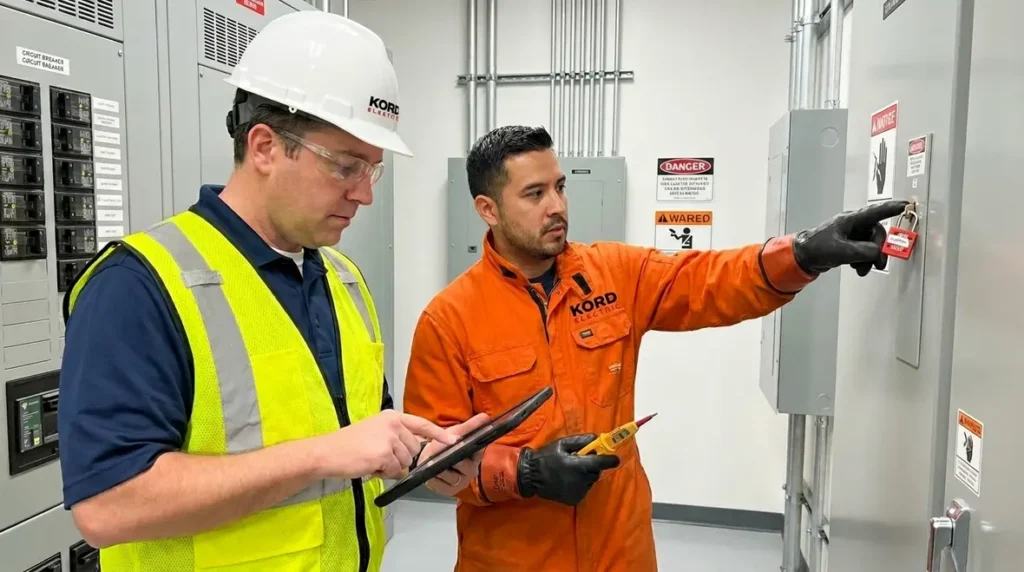
Our technicians and experienced service staff explain what they see in simple terms on site. They do not just hand over a report. They walk facility teams through the why, so decisions get made with confidence rather than guesswork. As one of our electricians likes to say, “If the panel is acting strange, we treat it like a customer who keeps calling. We listen before it storms.”
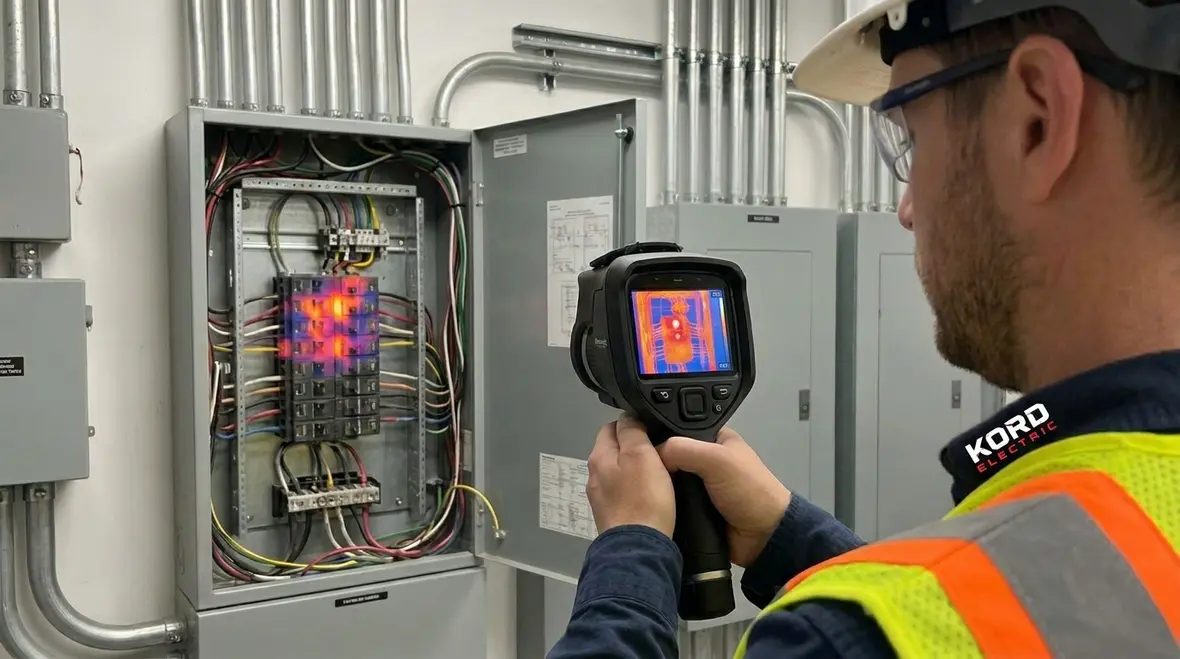
Invisible issues that quietly drain your budget
Behind every “mystery” outage or premature equipment failure, there is usually a pattern: loose terminations, aging insulation, overloaded panels, or neglected switchgear. These conditions build up slowly while everything still seems to “work.” The electrical room looks normal, the production floor stays busy, and tenants keep swiping their badges. Meanwhile, heat, wear, and imbalance are quietly writing invoices your revenue has to pay later.
For many commercial properties, this kind of neglect eventually shows up as surprise bids for panel replacement, switchgear repair, or emergency troubleshooting. That is the expensive way to maintain a facility. Structured care makes those surprises rare and gives leadership time to plan capital improvements instead of scrambling when the lights flicker.
Where Revenue Leak Shows Up in Real Time
Neglect creates delays long before a full outage. For example, a deteriorating busbar or loose connection can increase resistance. As a result, the system runs hotter. Over time, the heat shortens the life of switchgear components and drives up electrical losses. That means energy waste. It also means more urgent repairs.
Meanwhile, modern commercial and industrial operations rely on uptime. Property managers also rely on tenant trust. When lighting, HVAC controls, elevators, pumps, or process equipment suffer, leasing conversations shift fast. Tenants ask, “Why now?” Owners answer with “We are investigating.” And investigations cost time, even when they end well.
Furthermore, unplanned downtime hits different departments at once. Operations loses time. Procurement scrambles for parts. Finance absorbs labor and potential standby costs. Then, management deals with escalations. Nobody budgets for that. Still, neglect quietly bills you anyway.
How unplanned downtime ripples through your organization
When a breaker trips or a key piece of equipment fails, it is never just one team that feels it. Operations pauses production or closes off parts of the building. Tenants log tickets and start asking for updates. IT worries about sensitive systems that do not love sudden power drops. Leadership begins calculating lost revenue against repair costs.
In many cases, these same facilities are operating with aging electrical infrastructure that has already signaled risk. Warm panels, nuisance trips, unexplained dimming, buzzing equipment, or overloaded circuits are all warning signs that show up well before a real outage. Kord Electric’s perspective on hidden electrical risks in commercial buildings reinforces how easily these signals can be missed when maintenance is treated as a reaction instead of a strategy.
How Structured Maintenance Prevents Failures Before They Start
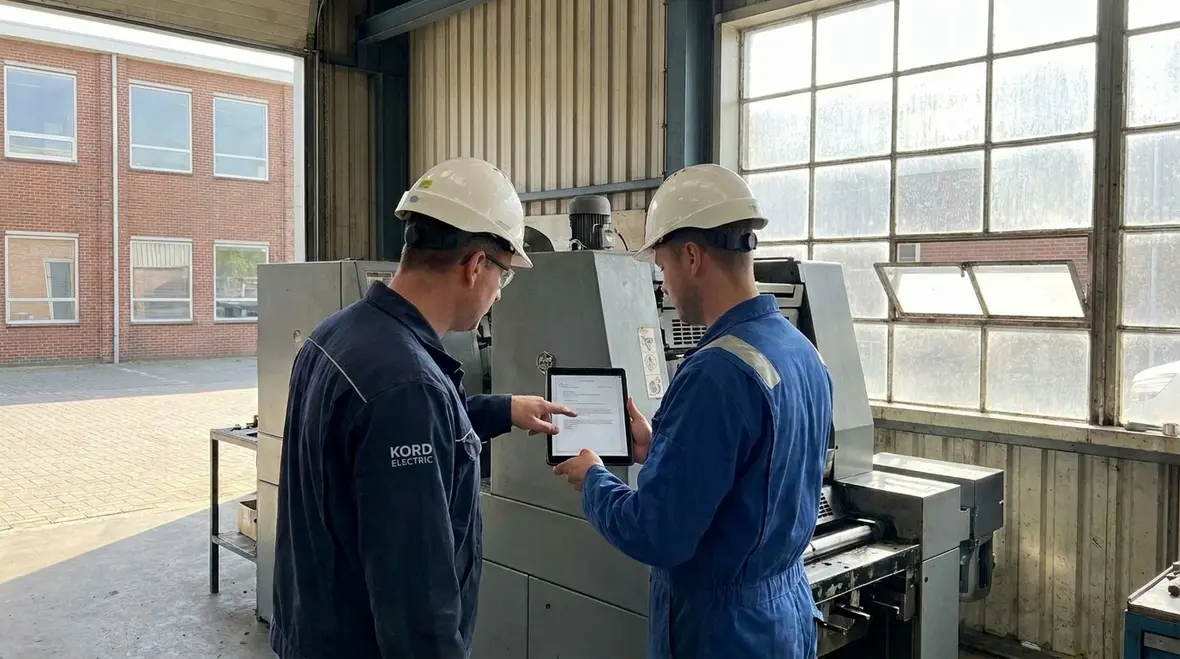
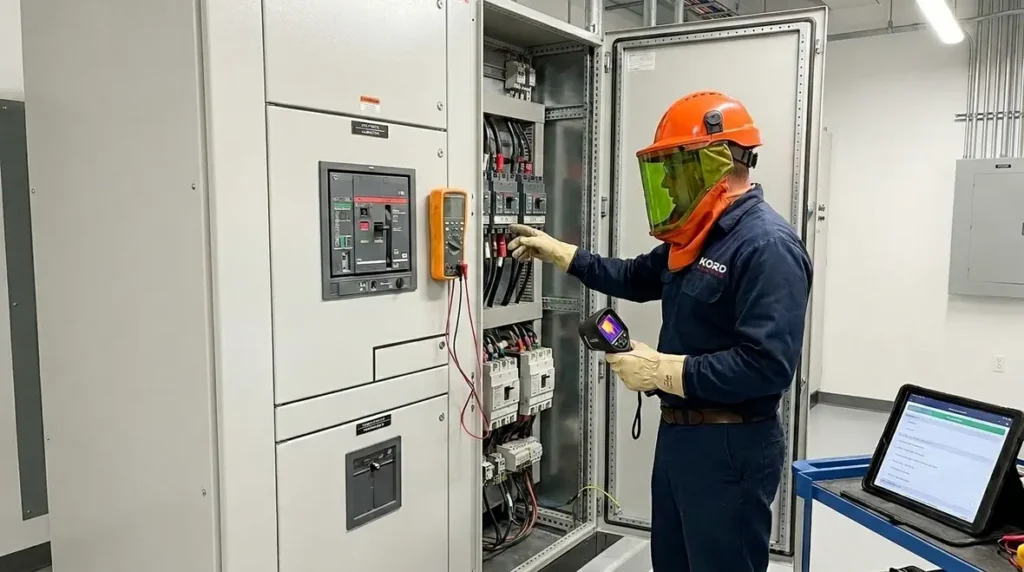
A structured plan does not mean random inspections. It means we treat electrical systems as living equipment with predictable wear patterns. Kord Electric uses scheduled tasks that fit commercial and industrial realities, so critical equipment stays within safe performance limits. Instead of waiting for failures to become visible, we create a rhythm of checks and actions.
To explain it clearly, our service staff often compares it to preventive care in medicine. If someone ignores symptoms, the illness grows. However, if someone checks early, the problem stays smaller. Electrical maintenance works the same way. We focus on the parts that usually cause trouble: switchgear, distribution panels, motor circuits, transformers, grounding, and protective devices.
And because every facility is different, the plan supports priorities. A major property building with tenant spaces needs careful coordination. A manufacturing site needs schedule discipline that reduces production impacts. Therefore, our approach adjusts to your load profile, staffing constraints, and critical system needs.
- Inspections that catch heat, wear, and loose connections before they escalate
- Testing and verification for protective devices that defend people and equipment
- Targeted corrective work so issues do not “migrate” to bigger failures
- Documentation that supports audits, insurance conversations, and internal planning
Connecting maintenance to standards and long-term reliability
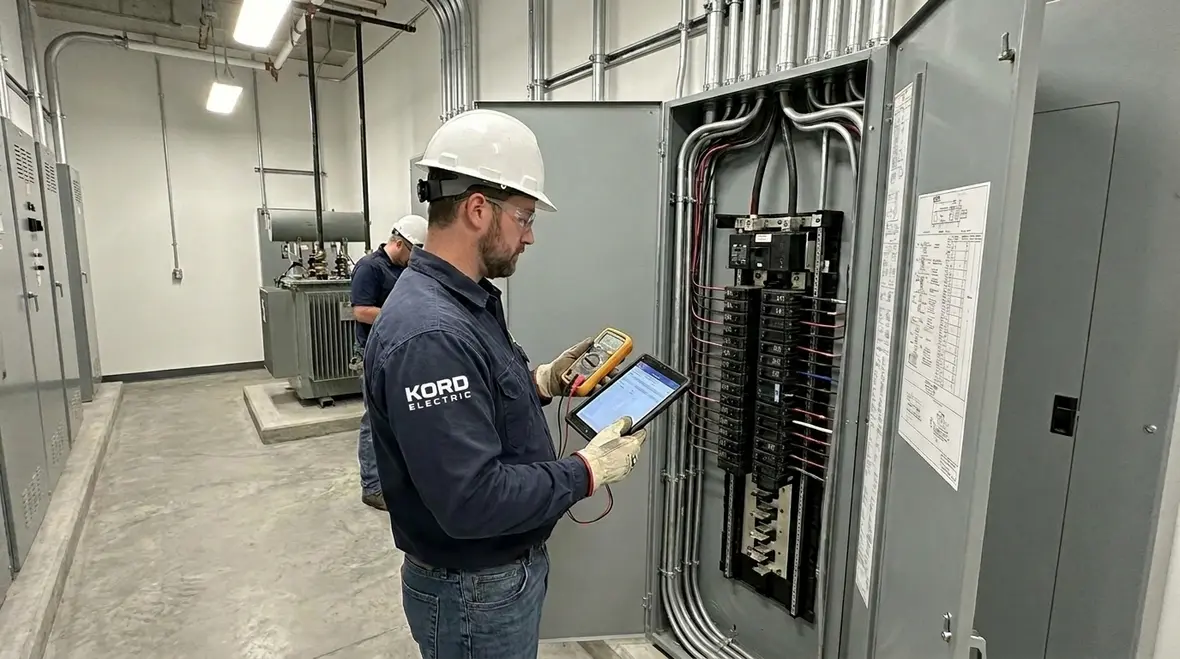
For many organizations, aligning maintenance practices with industry standards is just as important as preventing a single outage. Electrical equipment in large facilities increasingly falls under structured guidelines, including NFPA 70B maintenance expectations for panels and switchgear. Kord Electric’s team understands how to translate those ideas into field-ready tasks, inspections, and documentation that actually help your staff, instead of adding noise.
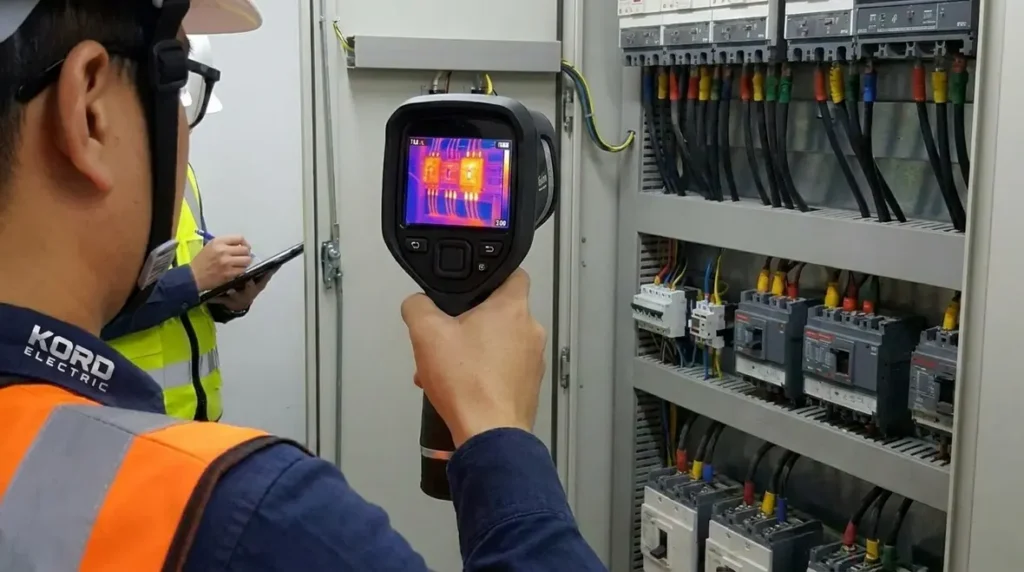
When you combine disciplined inspections, thermal imaging, testing, and reporting with thoughtful scheduling, commercial building electrical maintenance plans turn from a line item into an operational asset. They support insurance conversations, reduce emergency callouts, and give leadership the confidence to forecast future upgrades without guessing.
“But We Always Check When Something Breaks” Is Not a Plan
Some teams run on the “call us when it fails” model. That sounds efficient, until you understand the actual cost. When you wait for visible failure, you usually lose the chance to fix the issue at a low level. You also lose control over scheduling, pricing, and downtime impact. It is like waiting until your car fully dies before you change the oil. You can do it, sure. Just do not act surprised when the repair bill looks like a horror movie trailer.
In contrast, our commercial building electrical maintenance plans focus on trend detection. We do not just react to a single event. We track conditions over time. Consequently, we can spot patterns such as recurring nuisance trips, increasing temperatures, or component drift. Then we act before the day you need critical equipment most.
Our technicians explain findings in clear language so stakeholders can make fast decisions. And if a recommendation affects budget or downtime, we help map options. We aim for practical fixes, not dramatic ones.
From “break-fix” to proactive revenue protection
Reactive-only maintenance feels cheaper until you total up the secondary damage: overtime labor, rush-part markups, tenant concessions, missed production targets, or delayed project milestones. Structured maintenance flips that script. Instead of chasing problems under pressure, facility teams work through a prioritized list of findings when they have the time and resources to address them.
Because these programs focus on early detection, they also help prevent the kind of cascading events highlighted in emergency case studies—where one overlooked breaker or worn termination snowballs into a building-wide power loss. If you operate across Los Angeles County and want to tighten this risk even further, pairing maintenance plans with a partner experienced in Los Angeles County electrical services gives you coverage from day-to-day care through major repair and project work.
Choosing the Right Maintenance Scope for Industrial and Major Property Buildings
Not every maintenance program fits every facility. Therefore, Kord Electric builds scopes that match the electrical architecture, risk level, and operational needs of commercial and industrial sites. For example, a major property building has different priority areas than a manufacturing facility. High-traffic life safety loads matter. So do elevators, pumps, and emergency systems. In industrial settings, process uptime and motors drive priorities.
When we scope work, we also consider the real constraints of your operation. We coordinate access windows. We plan around critical operating cycles. We document what we do so your internal team does not need to chase details. Also, we align our approach with the goals your leadership actually cares about, like reduced downtime, predictable maintenance spend, and fewer emergency callouts.
Our team works with facility managers, owners, and operations leaders. We keep communication calm and direct. Our technicians explain what they check, what they find, and what it means. They do not use mystery terms. They keep the process steady, like a power supply should be.
Aligning scope with preventive maintenance services
For organizations that want their commercial building electrical maintenance plans to scale with growth, Kord Electric’s dedicated electrical preventive maintenance services provide the framework. These programs bundle inspections, testing, documentation, and optimization into a repeatable process, so major property buildings, campuses, and industrial facilities can track risk reduction over time instead of treating every year like a fresh guess.
Whether you manage a single high-rise or a multi-site portfolio, the right scope turns maintenance from “something we should probably do” into “one of the main ways we protect revenue, tenants, and equipment.”
FAQ: Commercial Electrical Maintenance and Revenue Protection
Ready to Stop Paying the “Unplanned” Tax?
Owners and facility leaders should not gamble with uptime. When electrical issues get ignored, revenue gets hit through downtime, energy waste, and emergency labor. Kord Electric provides structured commercial building electrical maintenance plans built for commercial and industrial facilities and major property buildings. Our technicians explain what they find, what it means, and what we recommend. If you want a calmer, more predictable operation, contact Kord Electric today and let us build a maintenance plan that protects your revenue.
If you are ready to formalize your approach and move from reactive fixes to a predictable, data-driven strategy, our team can connect your facility with ongoing preventive programs, targeted diagnostics, and project support across Los Angeles County and beyond.
Start where it matters most: stabilizing your electrical infrastructure so every other department can do its job without wondering when the next outage will arrive.