Electrical Load Balancing for Manufacturers
Electrical load balancing for manufacturers starts with calmer power
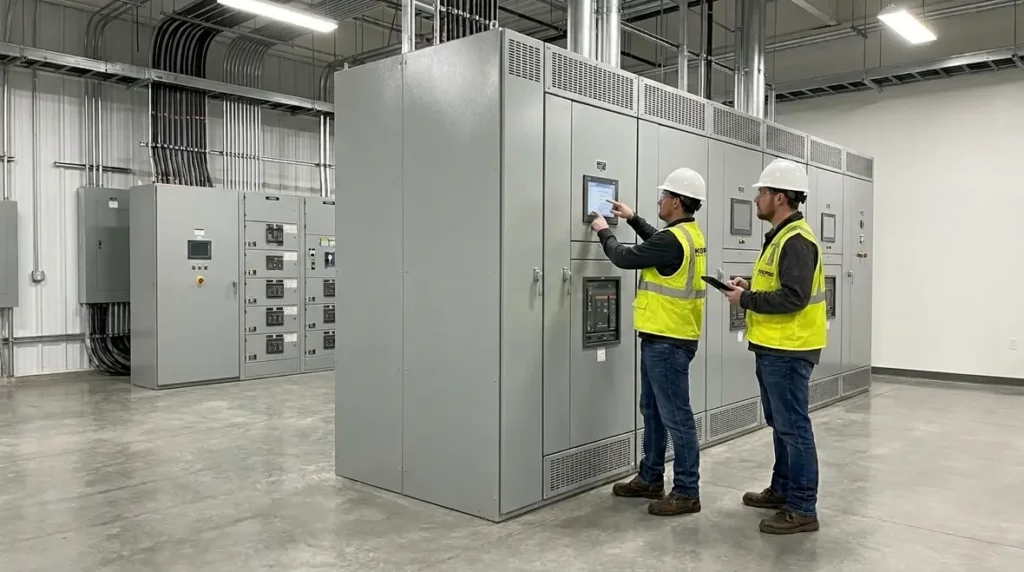
At Kord Electric, we help commercial and industrial facilities keep the lights steady, the drives happy, and production moving. When a plant loads up one circuit while another sits underused, voltage dips, overheating, nuisance trips, and repeat repairs show up like a late arriving customer who “swears they’re only five minutes away.” That is why we build solutions for electrical load balancing for manufacturers from day one, not as an afterthought. We send our technicians and expert service staff to listen first, review how equipment runs in real life, and then apply practical strategies to enhance power quality in manufacturing environments. And yes, we explain it in plain language, because nobody should need a degree in electricity to understand their own facility.
Why load imbalance ruins power quality in real plants
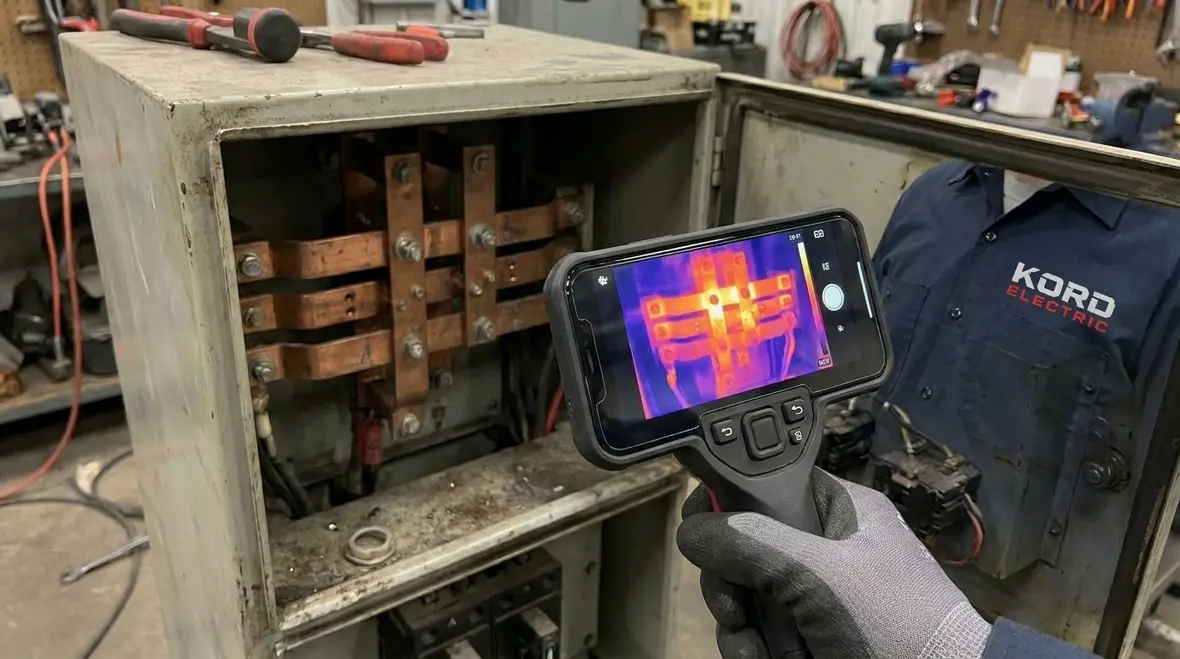
In manufacturing, machines do not behave politely. A press may draw a surge current for a short burst, a motor may ramp up in seconds, and a welding line can swing load quickly. When those swings land unevenly across phases, electrical load imbalance develops. As a result, one phase runs hotter, neutral currents rise, and the facility sees voltage unbalance. Meanwhile, sensitive equipment such as PLCs, drives, and control panels can experience nuisance faults. Even when the total demand looks “within limits,” the distribution can still be wrong.
Then the downtime begins. It starts small, maybe a reset here, a trip there, a complaint from maintenance. However, over time the system aging speeds up. Insulation stress rises, connections loosen from thermal cycling, and protective devices learn bad habits. In other words, the plant keeps paying the “interest” on imbalance, even if the “loan” looked affordable at first.
Dual phase planning: measuring first, then balancing
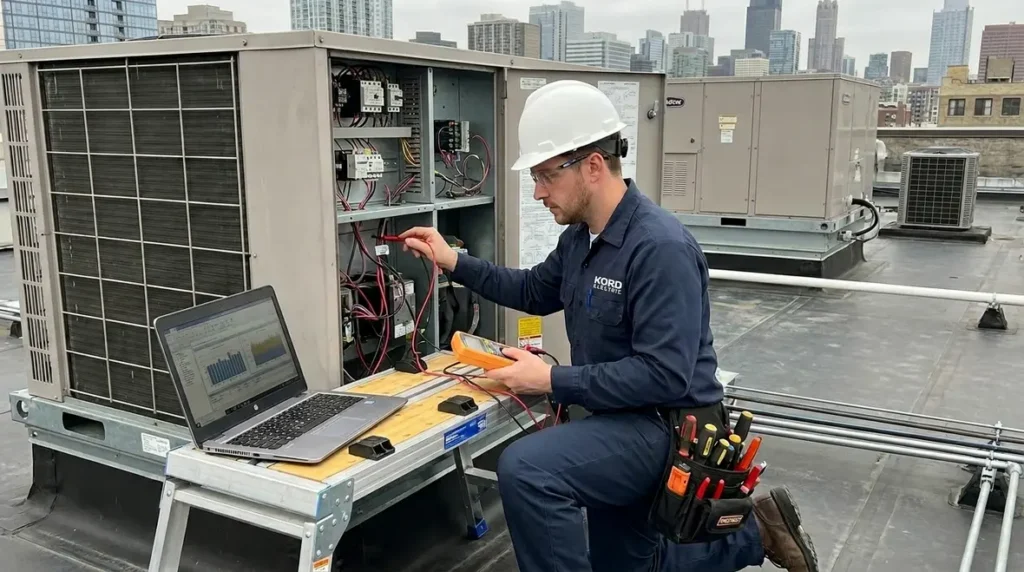
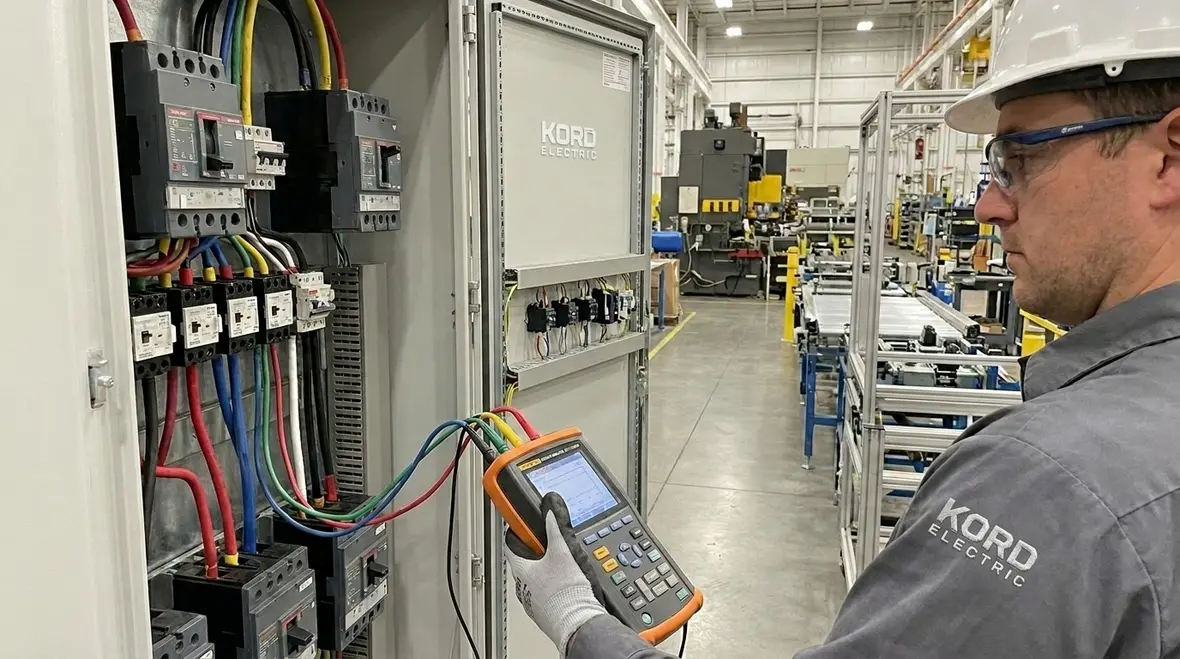
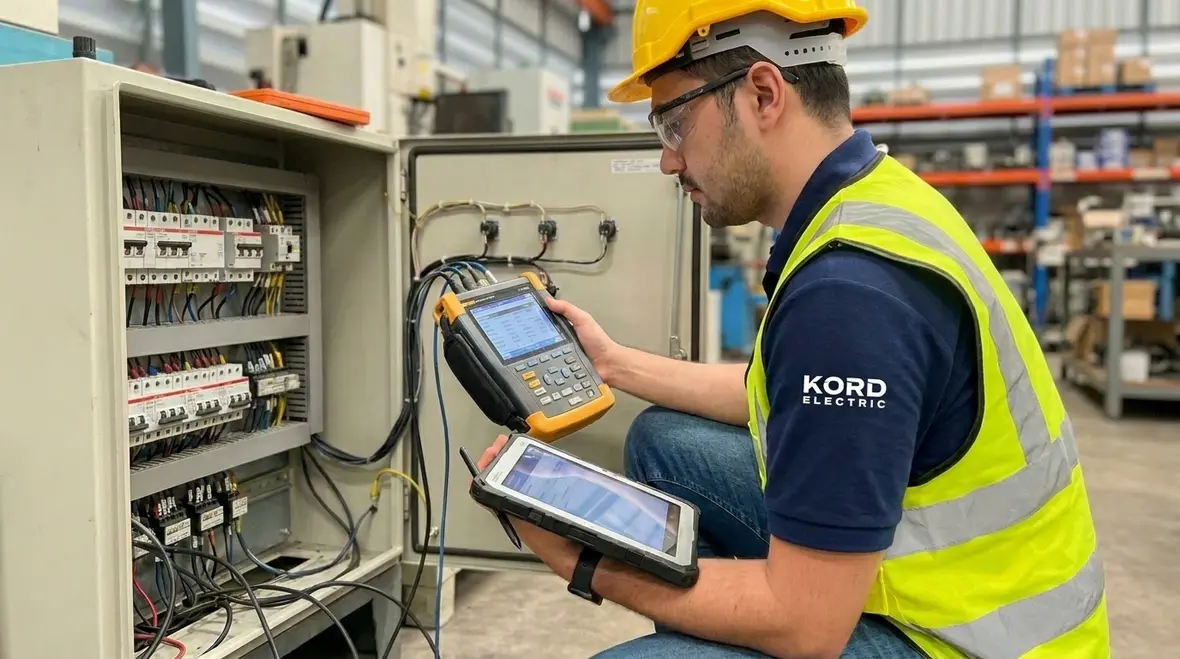
Kord Electric approaches balancing with evidence, not guesses. Our technicians measure load patterns using power quality tools and monitoring, and we compare results across time, lines, and shifts. Because load often changes by schedule, we watch not only peak demand but also the sequence of starting and stopping equipment. For example, one shift might run compressors at the same time as packaging motors, while another shift staggers production and behaves differently.
Once data is in hand, we create a balancing plan that matches how the facility truly operates. In many cases, we aim to reduce neutral loading, smooth phase current, and support stable voltage. We may adjust circuit assignments, rebalance feeders, and tune panel schedules so that equipment loads share the work more evenly. For facilities dealing with wider voltage swings alongside imbalance, this often connects naturally with targeted support for voltage fluctuations in commercial and industrial facilities, so diagnostics and corrective work stay aligned instead of scattered.
Dual column example
| What we monitor | What we do with the results |
| Phase current trends | Reassign circuits to reduce unbalance |
| Voltage deviation and dips | Identify starting surges and mitigate |
| Neutral current loading | Reduce overload risk on neutral paths |
| Harmonics from drives | Support cleaner waveforms with design choices |
Field-tested strategies for power quality in manufacturing
After measurements, our expert service staff usually focus on a few high impact moves that improve performance quickly and safely. First, we address how loads connect. When equipment uses three phase power, we verify the wiring scheme and phase assignment. A small change in how circuits land can reduce imbalance immediately. Next, we evaluate motor starting methods. If large motors start together, the resulting dips can ripple through the distribution system.
Then we look at reactive power needs. Motors and some process equipment draw current that does not always help useful work. If compensation is missing or outdated, voltage can sag under load. We help facilities consider corrective options based on system conditions and existing gear. Additionally, we evaluate harmonics, especially where variable frequency drives, rectifiers, and modern power supplies exist. Harmonics heat conductors, confuse protective devices, and can cause control issues. Therefore, we may recommend filters, design updates, or operating adjustments that align with the facility’s actual load profile.
Of course, every plant runs differently, so we prioritize solutions in a practical order. We do not sell complexity like it is a feature. We explain tradeoffs. And if someone tells us “it worked for years,” we politely remind them that years are not a test report.
Connecting balancing with broader reliability planning
In many commercial and industrial facilities, balancing work dovetails naturally with ongoing preventive maintenance and troubleshooting. When plants follow structured steps like those in an electrical system troubleshooting checklist for factories, they catch the early warning signs of imbalance, power quality issues, and aging gear before those issues turn into loud failures. Our team often combines these efforts into one coordinated plan so every shutdown window does more than one job.
How maintenance teams can keep improvements from fading
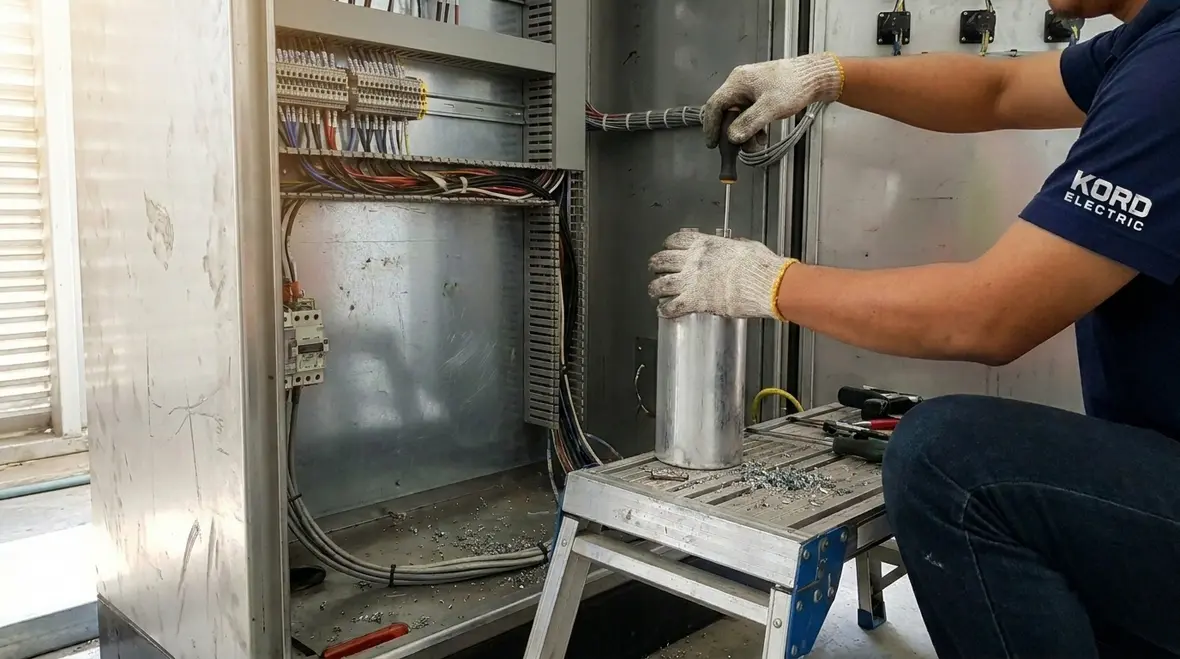
Balancing and power quality upgrades are not “set it and forget it” in a manufacturing environment. Equipment gets added, processes change, and shift schedules evolve. Over time, someone swaps a motor, extends a circuit, or updates a panel. If those changes happen without re-checking load distribution, the system can drift back toward imbalance.
To prevent that, we help maintenance teams build routines that protect the gains. We guide them to track key signals, such as recurring trips, unusual neutral heating, and repeated drive faults. We also encourage periodic reviews of panel loading and protective device settings, especially after major equipment moves. When new equipment installs, our technicians help validate that phase loading and power quality expectations still match the design.
Additionally, we support operational discipline. Even simple scheduling adjustments can reduce simultaneous surges that cause voltage dips. If a facility coordinates high load starters across shifts, it often improves stability with no extra hardware. Still, when hardware changes make sense, we help plan them carefully so the facility avoids disruptive “surprise downtime.”
Safety, compliance, and durability for commercial and industrial sites
Commercial and industrial facilities need solutions that protect people, assets, and uptime. Kord Electric designs and supports work with safety standards in mind, because an electrical system should not rely on luck. We verify connections, insulation health, conductor sizing, and protective coordination. We also consider how balancing affects fault conditions and how devices respond under abnormal events.
Then we focus on durability. Power quality issues often hide in thermal stress. When one phase runs hotter, it ages faster. Therefore, balancing helps not only performance but also lifespan. Clean, stable electrical conditions also reduce the load on sensitive components. As a result, control panels, drives, and communication gear can last longer and require fewer interventions.
Our expert service staff explains what they find and what they recommend, using clear language. We do not talk people into fear. We talk them into understanding. And if that sounds like a power pep talk, good. The plant deserves steady power, not mystery problems that show up like pop quizzes.
Common symptoms that point to imbalance and harmonics
Facilities often ask for help after symptoms become annoying or costly. Yet those symptoms can reveal the real root cause. For example, if one motor fails earlier than its matched counterparts, or if neutral conductors run warm, phase imbalance may be in play. If lights flicker when certain machines start, voltage dips likely occur. If protective devices trip without a clear load reason, harmonic effects could contribute, especially in systems with variable frequency drives.
Sometimes the complaint seems unrelated. A process might slow down, or an operator might report that controls feel “touchy.” In those cases, electrical noise and voltage instability can create intermittent behavior. Therefore, Kord Electric performs targeted checks that separate normal behavior from electrical causes. Then we translate what we see into actionable steps: wiring verification, panel rebalancing, starting strategy adjustments, reactive compensation review, and harmonic mitigation where needed.
We also help avoid “trial and error repairs” that waste time. Replacing equipment without fixing the power problem is like buying new shoes because your car alignment is off. It might feel productive, but it does not solve the real issue.
Regional support when manufacturing lives on tight schedules
For factories across the region, especially those operating in and around Los Angeles, balancing and power quality improvements land best when they are paired with on-the-ground support. That is why many plants connect this work with Los Angeles County electrical services that understand industrial timelines, shift work, and real-world load demands. Local response plus disciplined electrical load balancing for manufacturers is a combination that keeps production lines calmer, even when orders spike.
FAQ
Final word from Kord Electric
We know manufacturing teams do not need more “maybe” and “someday.” They need stable power that keeps lines running. At Kord Electric, we measure real load behavior, then apply electrical load balancing strategies that enhance power quality, reduce trips, and protect equipment. Our technicians and expert service staff explain every finding in plain terms and help plan solutions that fit commercial and industrial operations. If your facility shows signs of imbalance, voltage dips, or nuisance faults, contact us for a power quality review and a clear next step.
If you are also mapping out broader reliability or upgrade work beyond balancing alone, our team supports commercial and industrial facilities across the region with services that tie together troubleshooting, preventive maintenance, and targeted improvements. Pairing electrical load balancing for manufacturers with a structured service plan and regional coverage, including dedicated Los Angeles County electrical services when needed, helps your power system behave like the dependable asset it should be, shift after shift.
From addressing the subtle clues of imbalance to solving more visible issues like voltage fluctuations and repeat trips, Kord Electric builds strategies that respect production schedules, safety standards, and long-term budgets. Your equipment does the hard work every day. It deserves power that shows up just as reliably.