Commercial Subpanel Installation Requirements Guide
Commercial Subpanel Installation Requirements: what facilities must plan for first
When a commercial or industrial facility expands, the electrical system often runs out of breathing room before the rest of the building even notices. That is why commercial subpanel installation requirements must be planned early, not after production slows or offices start tripping breakers. Others can treat subpanels like simple boxes, but we at Kord Electric treat them like the backbone of stable power. Within the first steps, our team and your facilities team confirm load data, feeder sizing, grounding and bonding needs, enclosure rating, and the clear path for wiring runs. Then we verify safety rules, permit requirements, and how the new capacity will integrate with what already exists. In short, the job starts with thinking, not guessing. And yes, guessing is how people end up on late night TV for the wrong reasons.

Why capacity expansion matters in real commercial operations
Third person observers often think capacity expansion is only about “more power.” In practice, power quality and reliability decide whether operations stay smooth. At Kord Electric, our expert service staff explains it like this: when load grows, voltage dips and heat rise, and the electrical system stops behaving like a loyal employee and starts behaving like a dramatic actor who refuses to hit the mark on cue. For commercial and industrial sites, that shift can mean shutdowns, reduced equipment life, and added costs for emergency repairs.
Additionally, capacity planning affects space and workflow. If a facility adds HVAC units, EV charging, welding equipment, refrigeration, or a large tenant improvement, the demand pattern changes. Therefore, the expansion plan needs to match the load curve, not just the peak number on a spreadsheet. As a result, the right subpanel design supports steady distribution, keeps protective devices coordinated, and maintains safe clearances and conductor routing. We then guide the facility team through the sequencing so power remains stable during installation.

How we determine the right subpanel size without guesswork
To size a subpanel correctly, Kord Electric technicians start with real load information from the site. They do not rely on vague assumptions or “it worked last time” logic. Instead, they gather circuit lists, equipment nameplate data, operating schedules, and future growth notes. After that, they calculate demand, diversity, and continuous load impacts based on the actual use case for commercial buildings and major property buildings. Then we compare those results to the existing service capacity and distribution limitations.
Next, our technicians confirm the feeder path, because the subpanel cannot help if upstream components restrict current or if voltage drop becomes excessive. Then they evaluate protective device ratings and coordination so a fault isolates locally rather than taking out bigger sections. Furthermore, they check the physical environment. If the subpanel sits in a wet location or a dusty industrial room, the enclosure and mounting need to match that reality. In many facilities, the toughest part is not wiring. It is harmonizing the electrical plan with the building layout and the operating schedule. We manage that with deliberate planning and a calm process that avoids surprises.
Planning feeders, load circuits, and grounding with a steady hand
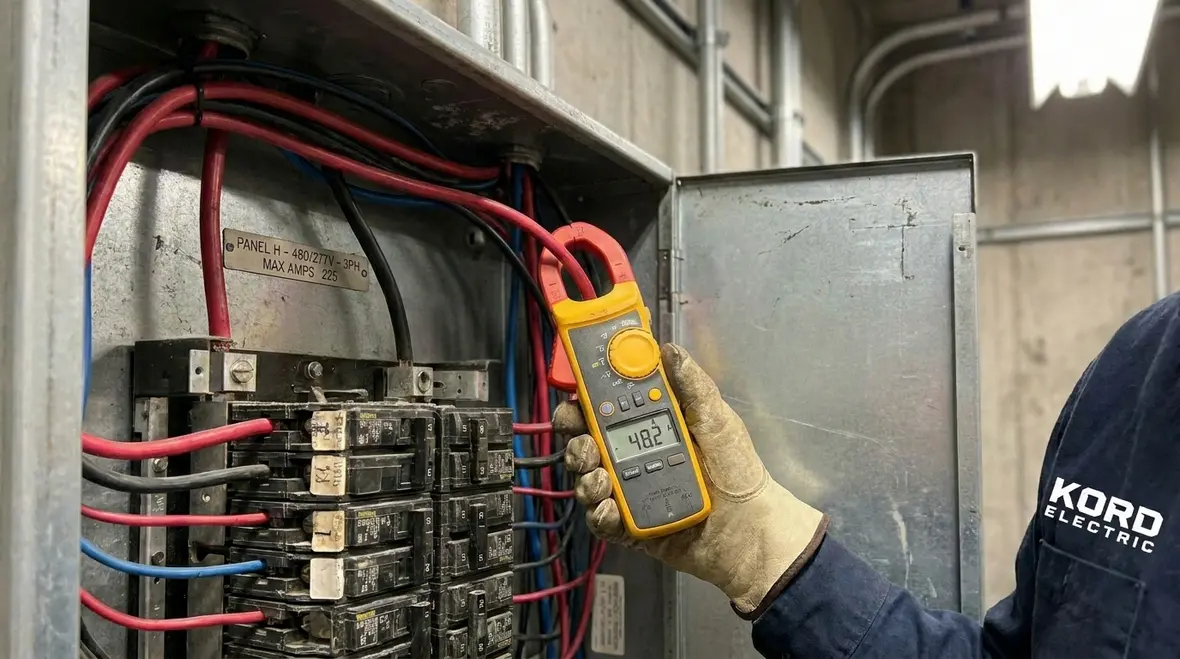
Subpanel installation is not a single step. It is a sequence of decisions that must align. First, we map how power flows from the main source to the new subpanel, including feeder conductor sizing and routing. At that stage, we also confirm terminations, lugs, and buss ratings so the connections handle the expected current safely. Then we plan the number and arrangement of branch circuit spaces based on equipment needs and control requirements.
Grounding and bonding deserve special focus. Commercial and industrial environments often include sensitive controls, variable speed drives, and large motor loads. Therefore, the grounding system must support safe fault clearing and reduce noise issues where applicable. Our expert service staff explains these steps in plain language. They also help the site team understand why a “close enough” grounding method can turn into a recurring problem later. If you have ever watched a superhero movie where the hero does everything right except the one minor detail, you get the idea. Electricity does not forgive the small mistakes.
Finally, we coordinate the installation with labeling and documentation. That may sound boring, but it prevents a future maintenance tech from playing electrical detective. We help facilities build a system they can operate, troubleshoot, and expand without guessing. And when expansions happen again, the system already has a foundation built for change.
Commercial and industrial electrical maintenance plans that protect the upgrade
After a subpanel is installed, the work should not end with a “lights are on” moment. We at Kord Electric support a longer view through maintenance planning. When a facility already invests in capacity expansion, it should also invest in how the system stays healthy. That is where our commercial and industrial electrical maintenance plans come in. These plans help manage inspections, identify early warning signs, and keep protective devices in good operating condition.
In practice, our technicians include checks that support long term performance. They review torque on terminations where needed, inspect for signs of overheating, verify correct operation of breakers and protective devices, and look for signs of moisture or damage around enclosures. They also document findings so facility managers can track trends. Over time, this approach helps avoid the classic situation where everything works until it does not, then the building scrambles like the last few people trying to board a flight.
Additionally, a maintenance plan supports smarter future expansions. If the facility adds new circuits later, the existing subpanel condition and measured loading data help size the next change with more confidence. Therefore, the upgrade becomes part of a system strategy rather than a one time patch.
Installation workflow: from site verification to final turnover
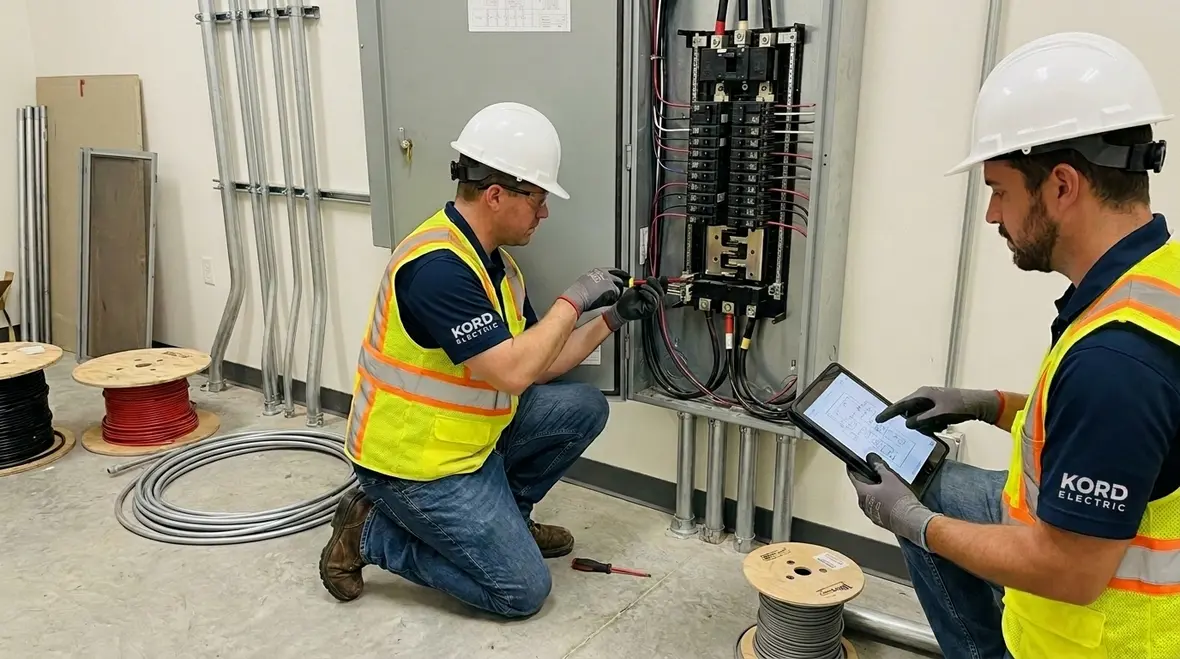
A reliable commercial subpanel installation depends on process. First, our technicians verify site conditions, including panel mounting location, clearances, ventilation needs, and the expected path for conduits and conductors. Then they confirm equipment delivery schedules so the job does not stall while a critical component sits somewhere it should not. Meanwhile, they plan for safety, including lockout procedures, proper signage, and safe work practices for occupied buildings.
Next, we coordinate power outage timing with the facility manager. Many major property buildings require careful scheduling so businesses can keep operating. We help set expectations clearly and we follow through. Then our team mounts the enclosure, installs bussing and breakers where applicable, pulls conductors, and terminates circuits with correct torque and labeling. After wiring, we test continuity, verify insulation resistance where appropriate, and confirm correct breaker operation. Finally, we review the installation with the facility team and deliver the documentation they need.
Throughout the workflow, our expert service staff explains what they are doing and why. They do this because education builds confidence. It also helps facility managers and other stakeholders understand what to monitor after the work. In short, the install becomes a shared event, not a black box. And yes, that is better than trusting the electrical system to vibes.
Dual column checklist for capacity expansion readiness
| Readiness item | What Kord Electric validates |
| Load forecast | We review planned equipment, operating schedules, and growth so the design supports real demand. |
| Feeder capacity and routing | We confirm conductor sizing and the path to the subpanel to reduce voltage drop and risk. |
| Protective device coordination | We align breaker and protection behavior so faults isolate properly and minimize downtime. |
| Enclosure and environment | We select ratings and mounting approaches for commercial and industrial conditions like dust or moisture. |
| Grounding and bonding | We ensure safe fault clearing and stable system behavior for the facility’s electrical needs. |
| Labeling and documentation | We help the facility track circuits clearly for faster troubleshooting later. |
FAQ: commercial subpanel installation and capacity expansion
Call Kord Electric for a calm, correct expansion
When your facility plans growth, the electrical system must keep pace with steady power, safe protection, and room to expand again. Kord Electric brings trained technicians, clear explanations, and a process that protects commercial and industrial operations. We verify loads, confirm feeder and grounding needs, and install subpanels with documentation your team can trust. Then we can support your system with maintenance planning so performance stays dependable. Reach out to us today, and let’s build the electrical upgrade your building can rely on, not dread.
If you are evaluating a broader upgrade strategy beyond a single subpanel, our commercial and industrial electrical maintenance plans can help align capacity expansion with long term reliability, inspections, and testing for major properties.
For facilities preparing for more extensive upgrades, including new distribution equipment, targeted power quality work, or additional branch circuits, coordinating your project with our specialized commercial electrical services ensures your subpanel installation fits into a larger, code compliant infrastructure plan.
When your building is ready to move from “we should really fix that panel” to “our system is ready for the next decade,” it is time to bring in a team that treats commercial subpanel installation requirements as part of a calm, deliberate roadmap, not a rushed reaction.