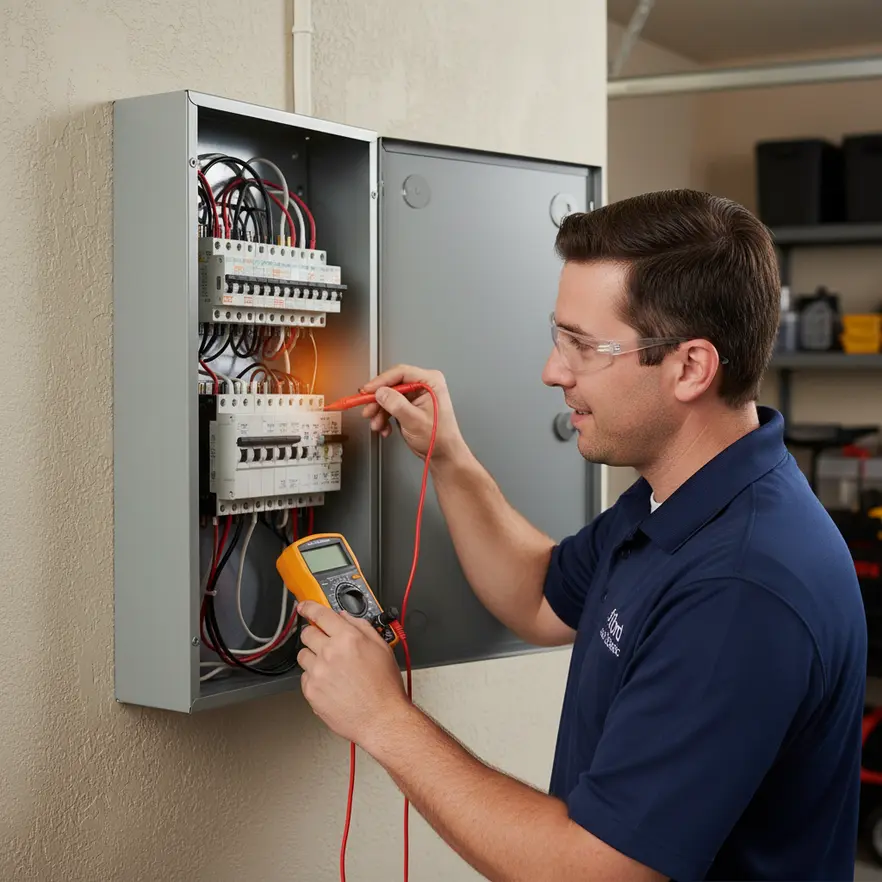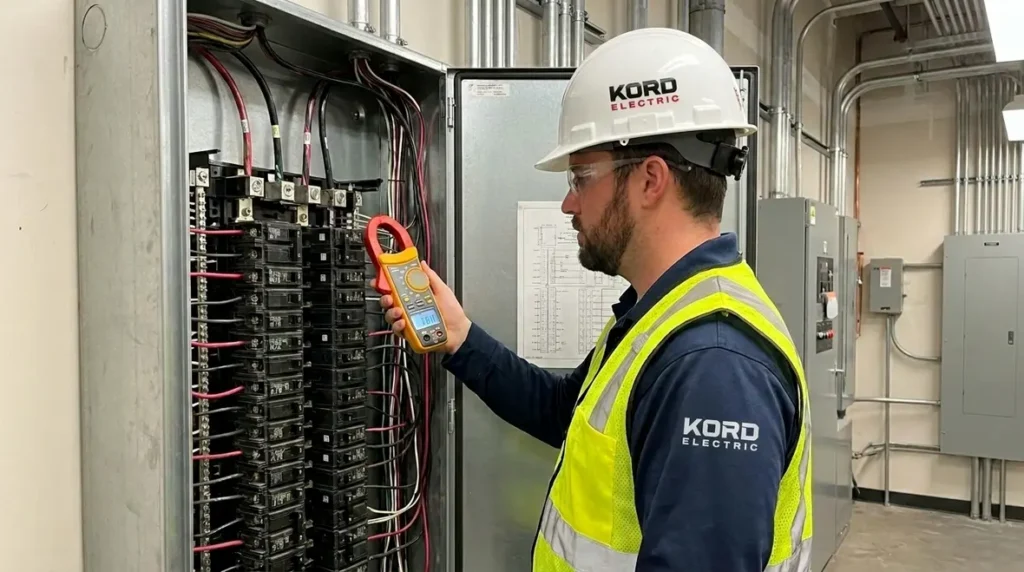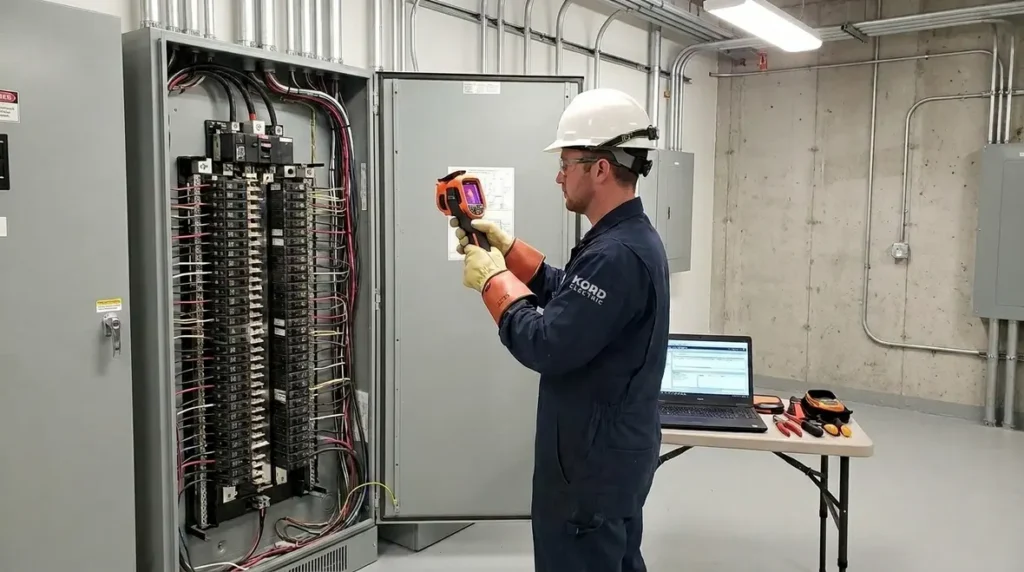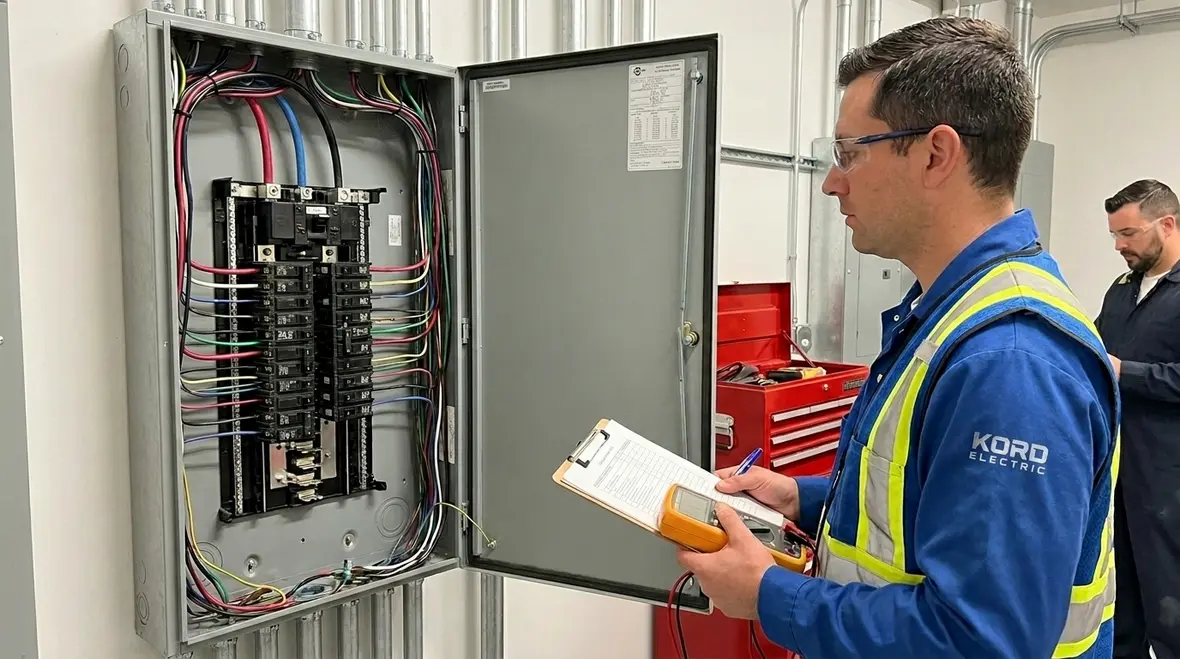
Commercial Subpanel Installation Success Checklist
Commercial Subpanel Installation Tips and the Success Checklist
At Kord Electric, we treat commercial subpanel installation success like a good playlist: it needs the right order, the right volume, and zero surprise tracks. In the first hour, we verify the load plan, confirm the equipment ratings, and map feeder routing before we ever tighten a lug. Next, we follow safe termination practices, label circuits clearly, and test functionality so the system behaves the way your building expects. And yes, we make sure the subpanel actually fits the building reality, not just the invoice fantasy. Others may rush. We don’t. Because when power distribution fails in a commercial facility, the problem does not stay small. It spreads, it delays, and it costs.
Why Commercial Distribution Needs a Calm, Detailed Approach
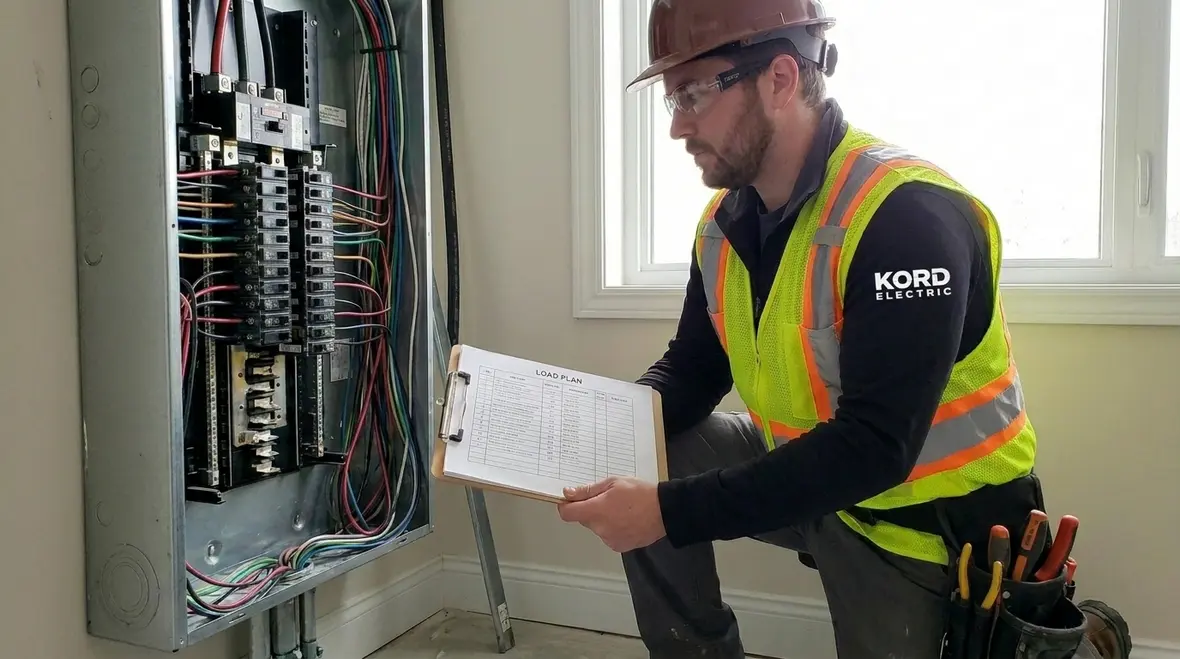
Third party observers sometimes see a subpanel as a simple box. In reality, it is a control center for how a facility uses electricity day after day. Therefore, commercial and industrial sites need a method that balances safety, code compliance, and long term reliability. When Kord Electric technicians plan the work, they look at the whole system: upstream protection, conductor sizing, voltage drop, and the way the building operates under peak demand. Then, we coordinate with property teams so downtime stays short and predictable.
Moreover, we explain what we see in plain language. Our expert service staff does not talk like a textbook. Instead, they walk clients through key decisions, like why an oversized breaker may not be better, and why a neat layout reduces troubleshooting time later. In other words, we do not just install equipment. We help teams understand it. That way, the facility does not feel like it is operating in the dark.
Site Readiness: Space, Loads, and Routing That Actually Works
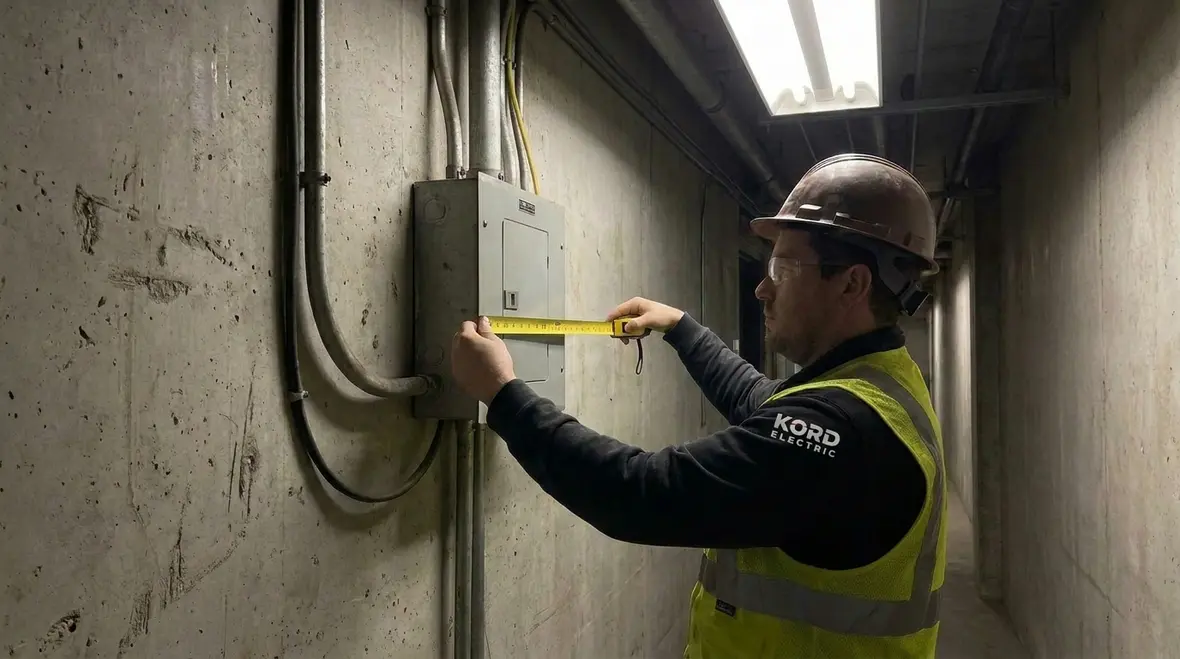
Before Kord Electric starts hardware work, we prepare the site and confirm the practical details that often derail projects. First, we verify physical space, clearances, and mounting conditions. If the subpanel location limits access, maintenance becomes a recurring pain, not a one time inconvenience.
Next, we review the load schedule with the facility team. We identify not only current loads, but also future growth where applicable to major property buildings. Then, we map how circuits will move from the main distribution area to the subpanel location. Routing matters because it affects installation difficulty, wire temperature, and long term durability.
As we plan, we also account for how people will use the building. For example, kitchens, warehouses, and HVAC systems do not behave like office copy rooms. Consequently, the load profile changes how we select and group circuits. Our technicians guide clients through these considerations so the subpanel installation does not end up like a movie plot that only makes sense in the final scene.
For facility teams who like to zoom out from a single project, this same calm planning mindset also supports bigger infrastructure decisions. When you align your subpanel, your main distribution, and your critical systems, you create the same kind of reliability backbone that shows up in broader electrical strategies across California’s commercial and industrial buildings.
Panel Sizing and Protection: Choose the Numbers That Keep You Covered
In commercial subpanel installation success, sizing and protection carry the weight of the whole project. Therefore, Kord Electric starts by confirming the subpanel rating and how it matches the service capacity and upstream devices. Then, we set protection strategies that align with expected loads and proper fault clearing.
When we select breakers and fuses, we do not do it by guesswork. Instead, we verify conductor ampacity and insulation type, then ensure protection devices match the design intent. Additionally, we consider whether circuits include motors, electronics, or other sensitive loads that behave differently during startup and cycling.
And yes, we have seen situations where someone tried to “solve” a problem by installing a bigger breaker. That approach usually creates a new problem with better lighting and a louder bill. Our expert service staff explains the difference between protecting equipment and protecting wiring, then we install protection that supports both.
As part of that, we keep commercial subpanel installation tips grounded in real operating conditions: peak loads, motor inrush, transformer behavior, and selective coordination between the main service and downstream devices. That way, a fault where it starts, not where it feels most expensive.
Wiring Quality and Termination Standards That Prevent Headaches
Even when the panel size and breakers look correct on paper, wiring quality determines whether the system performs well for years. Kord Electric technicians focus on termination standards that reduce loose connections, prevent overheating, and support safe operation.
First, we verify conductor routing, stripping length, and torque specifications. Then, we check that each wire lands where it should, with the correct polarity and phase identification where needed. We also confirm neutral and ground bonding practices for the system type, because a subtle mismatch can cause nuisance trips or worse.
After installation, we inspect circuit labeling and documentation. Clear labels matter in commercial environments because maintenance teams rotate, contractors change, and building operations keep moving. As a result, good labeling saves time when troubleshooting shows up at 2 a.m., because it always does. We also test functionality so circuits respond correctly to controls and expected loads.
These same habits show up in other projects as well, from critical switchgear maintenance to lighting installation services that support safe visibility in warehouses and production floors. Clean terminations and consistent identification are the opposite of a mystery panel that everyone avoids opening.
Testing, Commissioning, and Documentation for Real Life Operations
Kord Electric treats commissioning as a finishing step, not a formality. We perform checks that confirm correct operation across the subpanel and connected circuits. Then, we verify that protection devices clear faults as expected and that loads behave according to design.
In addition, we document the work so facility staff can manage the system without guesswork. We provide circuit schedules, panel layouts, and notes that support future modifications. For major property buildings, this also helps coordinate with other trades who may extend circuits, adjust equipment, or reconfigure spaces.
Our technicians also spend time walking through what was done and what it means for operations. They explain how to identify circuit functions, what to watch for, and how to report issues early. In short, we help keep the building running smoothly, not just installed.
For facilities across Los Angeles County, this structured approach to testing and documentation connects naturally with broader electrical strategies, from emergency electrical services that restore power safely to planned upgrades that keep distribution systems ahead of demand.
Common Failure Points We Help Clients Avoid
Commercial subpanels fail for reasons that often repeat across projects. To keep clients safe and avoid costly downtime, we address the typical problem areas before they become headlines.
One common failure point involves poor circuit grouping. If circuits mix incompatible loads or ignore starter behavior for motors, the system can trip unexpectedly. Another issue involves incorrect conductor sizing, especially when voltage drop is ignored. Over time, that can reduce performance and increase heat.
Also, inadequate labeling causes operational confusion. When a maintenance team pulls the wrong circuit, the building loses time and the repair cost grows. Therefore, Kord Electric maintains a strict labeling approach and builds documentation that matches reality.
Finally, rushed installation can lead to loose terminations or incomplete inspections. Our expert service staff does not “finish later.” They verify as they go and they validate at the end. That disciplined approach helps commercial and industrial facilities avoid the classic problem of turning one small electrical issue into a whole production.
FAQ: Commercial Subpanel Installation
Choose Kord Electric for a Subpanel Project That Stays Reliable
If your commercial or industrial facility needs a subpanel installation that truly holds up, Kord Electric is ready. Our technicians plan the load, verify protection, and install with termination standards that prevent overheating and confusion. Then we test, commission, label, and document so your operations team can run with confidence. Stop rolling the dice with random contractors and start with a service team that explains the work and stands behind it. Call us today to schedule an expert assessment and get a clear plan for your project.
For facilities across the region that need more than just panels, Kord Electric also provides structured Los Angeles County electrical services for commercial and industrial buildings. That way, your subpanels, main distribution, lighting, and specialty systems all work together instead of competing for attention when it matters most.
Whether you’re planning a new commercial subpanel, upgrading existing equipment, or coordinating a larger electrical project, the same checklist mindset applies: calm planning, clear documentation, disciplined field work, and honest communication. That is how a subpanel stops being a risk and becomes one more quiet part of a resilient facility.