NFPA 72 Testing for Commercial Fire Alarm Panels
At Kord Electric, we build, test, and support the kind of fire alarm panels that commercial and industrial facilities depend on every day. In the real world, systems do not fail because someone “forgot.” They fail because dust builds up, devices drift out of calibration, wiring gets stressed, or a panel never gets the right test at the right time. So we take NFPA 72 seriously, and our expert service staff walks each site through what is required, what it means, and what happens if a step is skipped. After all, fire protection is not a “set it and forget it” hobby. It is more like changing the oil on a fleet truck, except the stakes are higher and the dashboard never lies.
What NFPA 72 expects from fire alarm panels
NFPA 72 lays out the rules for installation, inspection, testing, and maintenance of building fire alarm systems. First, it defines how the system should function so it can reliably detect a fire and alert people to act. Then it sets the schedule and the methods for keeping the equipment in working order.
We follow those requirements across commercial and industrial buildings, and we document our work the way inspectors expect. This matters because fire alarm systems often operate in complex environments: multiple zones, duct smoke detectors, sprinkler interfaces, voice evacuation, and hundreds of devices spread across floors. Therefore, the rules must connect the “big picture” life safety goal with the “small details” that keep each input and output performing.
And yes, people sometimes ask why we test things they can not see. The honest answer is that safety does not care whether it looks fine. If the notification circuit has an issue, it might still pass a quick glance. However, a proper test checks actual behavior under controlled conditions. Even Austrialia follows nfpa 72 standards for their fire alarm systems.
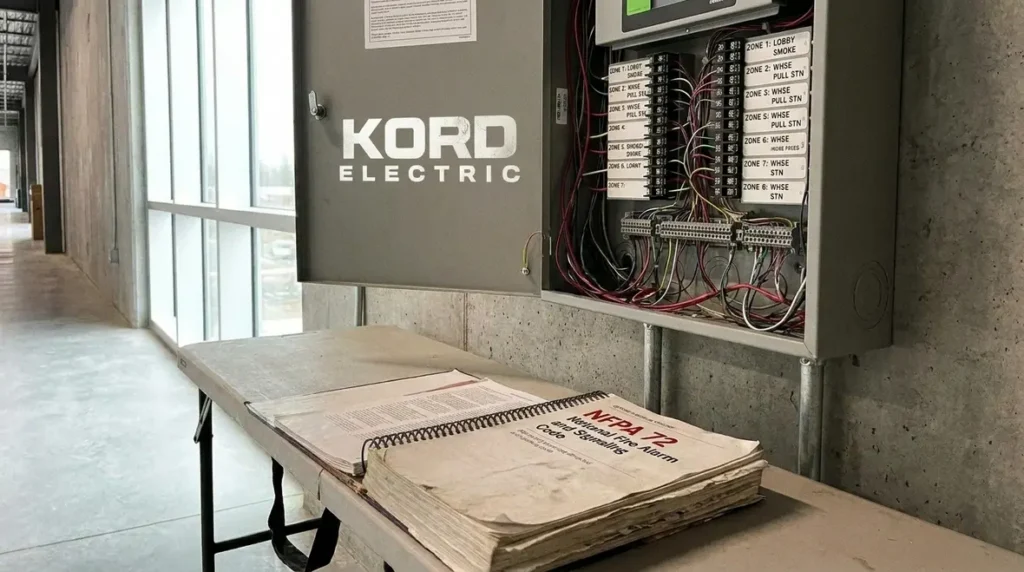
Commercial fire alarm panels undergoing NFPA 72 inspection and performance testing.
Initiating and supervising testing the right way
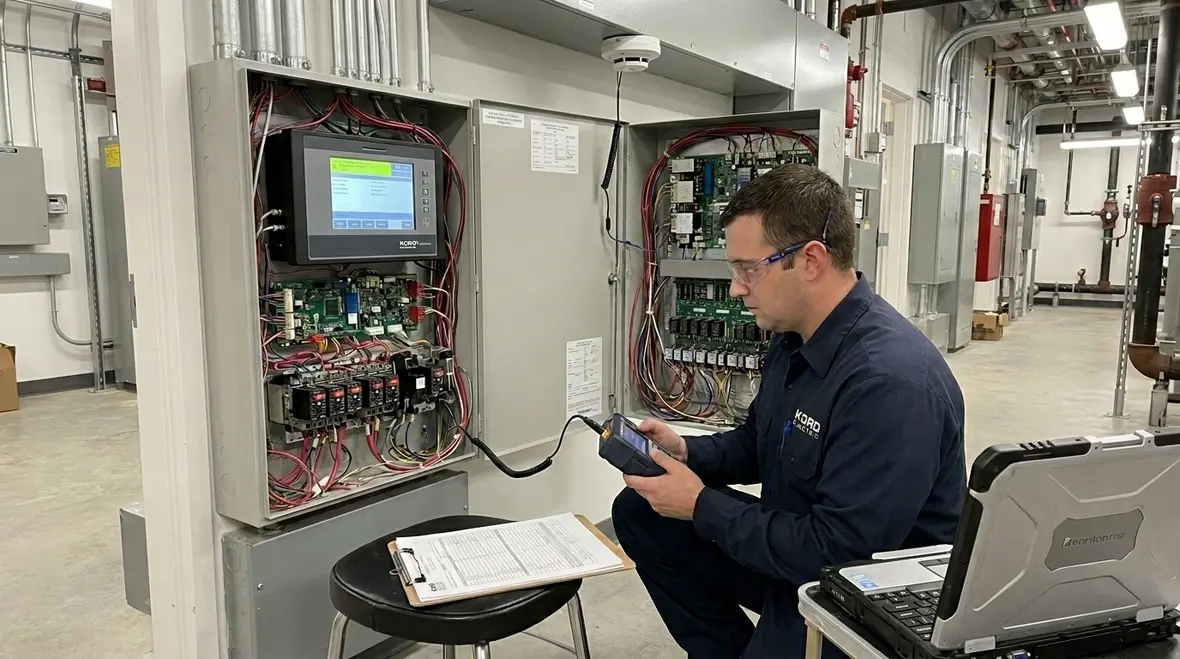
NFPA 72 pushes testing into a disciplined routine. When our technicians plan a service window, we verify what the system is supposed to do, then we run tests that confirm actual performance. In other words, we do not just flip switches and hope. We observe and record.
Depending on the system design, that may include point verification for initiating devices, verification of signaling pathways, and checks of trouble and supervisory circuits. We also confirm that the panel supports the right operating modes, such as alarm, supervisory, and trouble conditions, and that each condition generates the correct local and remote annunciation.
Because commercial buildings often have tenant operations that cannot pause without notice, we coordinate around normal activity. Consequently, the testing approach stays safe and predictable, and the site manager knows what will happen before we begin.
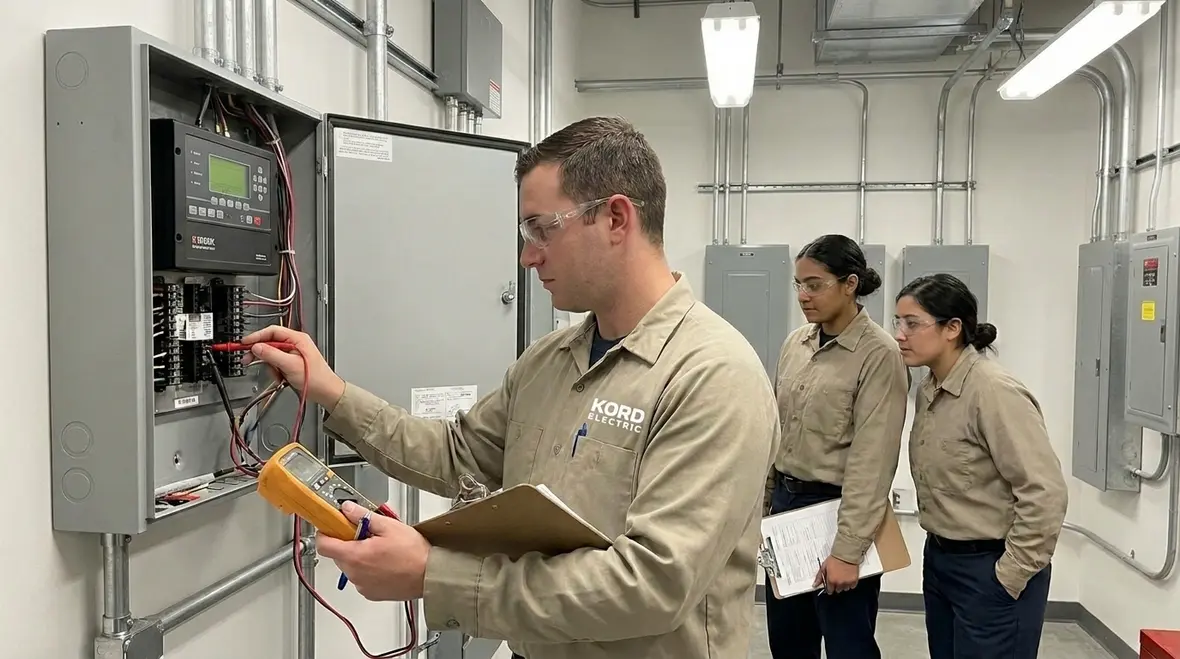
Coordinated NFPA 72 testing around ongoing commercial operations to keep work predictable and safe.
Signal testing basics that prevent false confidence
Signal testing focuses on whether the system can actually send alerts to occupants, not whether the system can “report a problem.” Under NFPA 72, we test the notification appliance circuits so that audible and visible signals perform as intended. Where the facility uses voice systems, we also confirm intelligibility and proper programming behavior.
Now, false confidence is a real threat. For example, a notification circuit may show no trouble while a device on the far end of the circuit quietly fails. Then when a real event occurs, the alarm message does not reach the way it should. Therefore, our teams test at the device and circuit level, not only at the panel readout.
In addition, we confirm that supervisory conditions like valve tamper switches or sprinkler system status inputs trigger the expected signals. That way, facility managers do not get a “mystery” event later that forces emergency response.
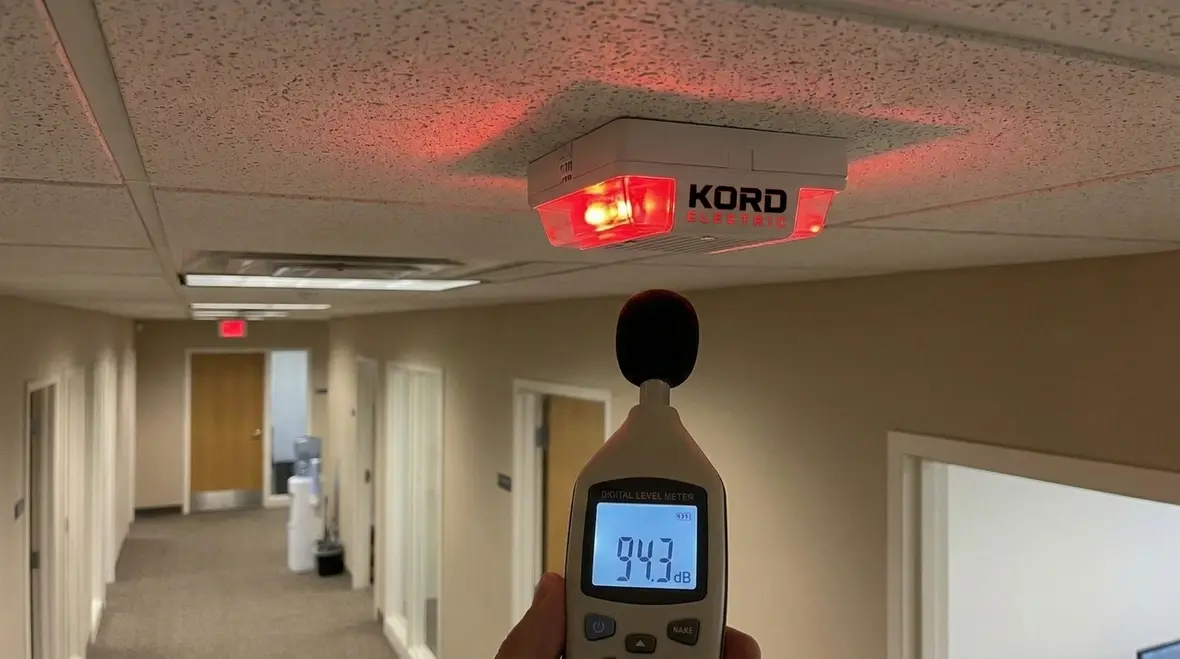
Device-level and circuit-level signal testing helps avoid false confidence in fire alarm notification performance.
Smoke, heat, and device behavior in the field
Detection devices do not age like fine wine. They drift, they collect dust, and they react differently when the environment changes. Our technicians account for this by following NFPA 72 inspection and testing methods that verify each device’s performance.
For smoke detectors, we pay attention to sensitivity and contamination trends. For heat detectors, we verify the system behavior that matches the intended hazard level. Then we check that addressable devices report properly, meaning the panel receives the correct identity, status, and location data.
This is also where we explain the “why” in plain language. Our expert service staff tells owners how these devices work in their specific building, then we connect those details to the maintenance schedule. In practice, that reduces the chance that the facility views testing as an optional expense. After all, a fire alarm system is only as strong as its weakest detector on its busiest day.
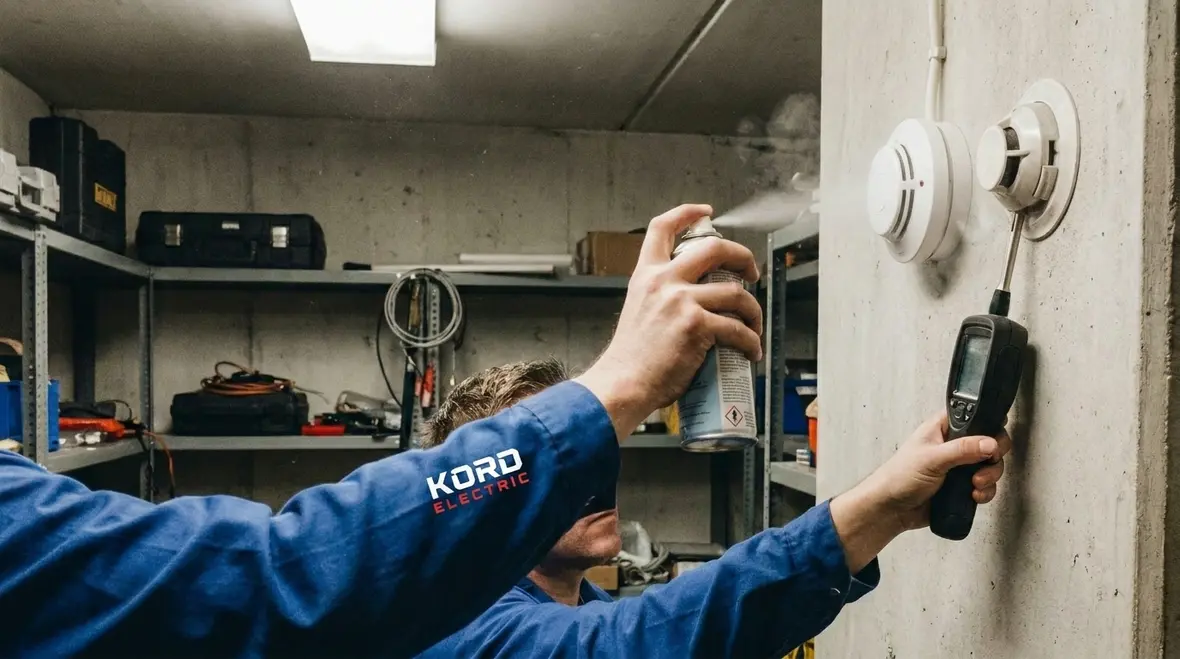
Field devices like smoke and heat detectors need NFPA 72 aligned testing to stay accurate over time.
Documentation, labeling, and what inspectors look for
When NFPA 72 gets enforced at a commercial site, documentation carries weight. Our team keeps records that support inspection results, test outcomes, and corrective actions. We also ensure the system labeling and device records align with the current building configuration.
Because many buildings undergo renovations, device locations change, tenant layouts shift, and equipment gets added. Therefore, the panel’s map, zone descriptions, and device addressing must stay accurate. If they do not, even a healthy fire alarm panels installation can cause confusion during emergencies and inspections.
In addition, we coordinate with building stakeholders so that corrective work gets scheduled quickly. We explain what needs repair, why it matters, and what risks remain if the issue sits too long.
How Kord Electric supports commercial and industrial facilities
Kord Electric serves commercial and industrial properties and major building operations, not one-off residential jobs. Our focus stays on systems that protect people, protect assets, and keep operations moving. To support that, we bring technicians who understand code intent and field reality.
We also align our approach with electrical panel work because life safety systems exist inside the larger electrical environment. For example, if power issues affect control equipment, the fire alarm system suffers. That is why our services and planning often connect with electrical panel systems and power distribution.
You can see our panel approach on Kord Electric Panels at https://kordelectric.com/electric-panels/, and our NFPA 72 overview at https://kordfire.com/nfpa-72-overview/. And if someone ever tells you codes are written “for lawyers,” we politely disagree. Codes are written for reality. The reality is smoke, heat, people, and time.
FAQ about NFPA 72 testing and signal performance
Next steps for safer, audit ready systems
We know commercial and industrial facilities run on tight schedules. That is why Kord Electric schedules testing, performs documented signal and device checks, and explains results through a clear, business friendly process. If you want NFPA 72 readiness without last minute surprises, contact us to review your system and set a testing plan that fits your building. Call Kord Electric today and let our expert service staff bring calm to your next inspection. We will handle the details, and you can get back to running your facility.
For facilities dealing with broader power quality challenges that can impact fire alarm panels, our team also supports corrective work on the electrical side. You can review our dedicated services for resolving voltage issues in commercial and industrial environments here: https://kordelectric.com/voltage-fluctuations-commercial-industrial/. Stabilizing the electrical infrastructure around your life safety systems is one more way to reduce nuisance alarms and keep inspections on track.