Commercial Subpanel Load Balancing Signs
At Kord Electric, we treat Commercial Subpanel Load Balancing like a quiet kind of leadership. It helps keep power steady, protects equipment, and reduces the chances of costly downtime. However, many commercial and industrial facilities only notice a problem after something trips, hums too loudly, or fails during a busy day. And yes, the electrical system does not care how busy you are. It just reacts. Meanwhile, our team and expert service staff explain what they find in plain language, so your building managers and facility teams can make decisions with confidence. Below, we walk through the clear signs a commercial subpanel needs rebalancing or an upgrade, and we show how our technicians verify the situation before recommending a fix.
What early warning signs show up in a commercial subpanel
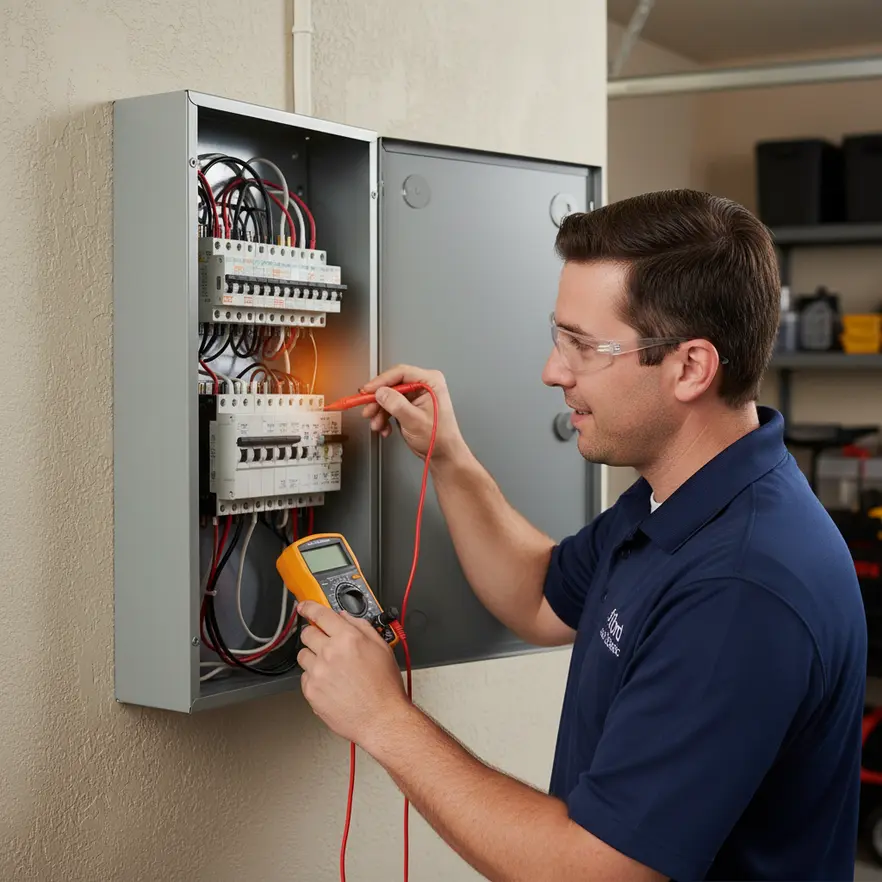
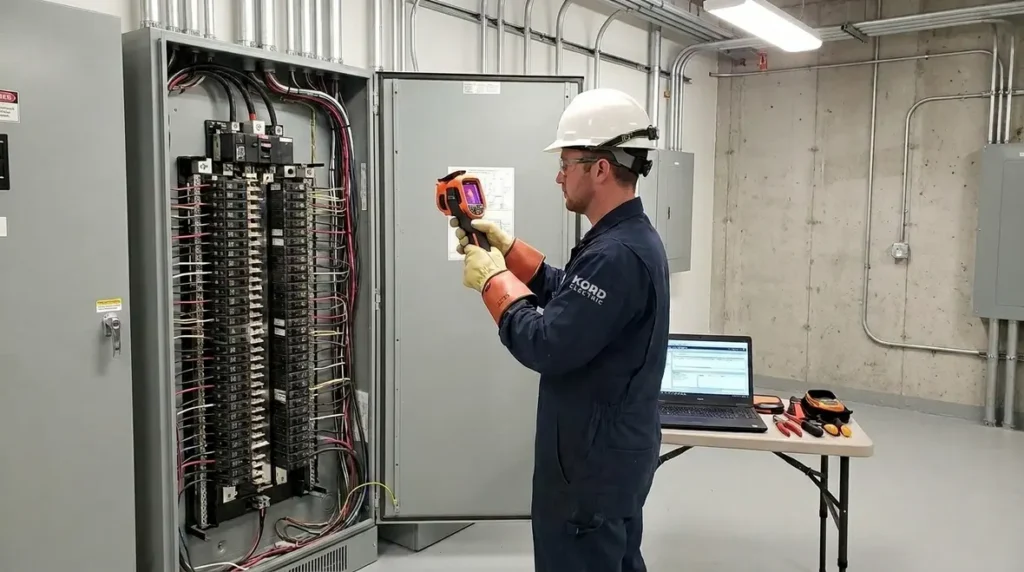
If a commercial subpanel is out of balance, it often gives you subtle hints first. You might see breakers that trip more often than they should, especially during lunch rushes, shift changes, or seasonal HVAC cycling. Over time, that uneven draw can heat certain bus bars while other circuits run cooler. Because heat is the language power systems speak, your warning signs often show up as warm or discolored breaker areas, a burning or “hot plastic” smell, or a faint buzzing sound when loads shift.

Additionally, you may notice irregular voltage readings across different phases, or equipment that seems to work “sometimes” and then underperforms. For example, refrigeration compressors, server rooms, and dock equipment can act unpredictable when voltage drops. Even if the main panel looks fine, the subpanel may carry the imbalance like a secret. And secrets in electrical systems rarely end well. So our technicians typically start with observation, then confirm with measurements, rather than guessing.
Uneven heating, nuisance tripping, and the real load story
In many major property buildings, we find that tenants or departments add equipment gradually, sometimes without updating load maps. One space gets more lighting, another adds a printer farm, and a third installs a new process line. Then the subpanel distribution starts to drift. As a result, one phase ends up doing more work than the others.
When that happens, the subpanel can show three common patterns. First, nuisance tripping occurs because overloaded circuits reach their limits sooner on one phase. Second, uneven heating appears because conductors on the heavier phase run hotter. Third, thermal fatigue builds because repeated heat cycling stresses connections. Over time, a loose lug or deteriorating contact can create resistance, which creates more heat. That cycle is the electrical version of “ringing the doorbell nonstop and acting surprised when the neighbors get mad.”
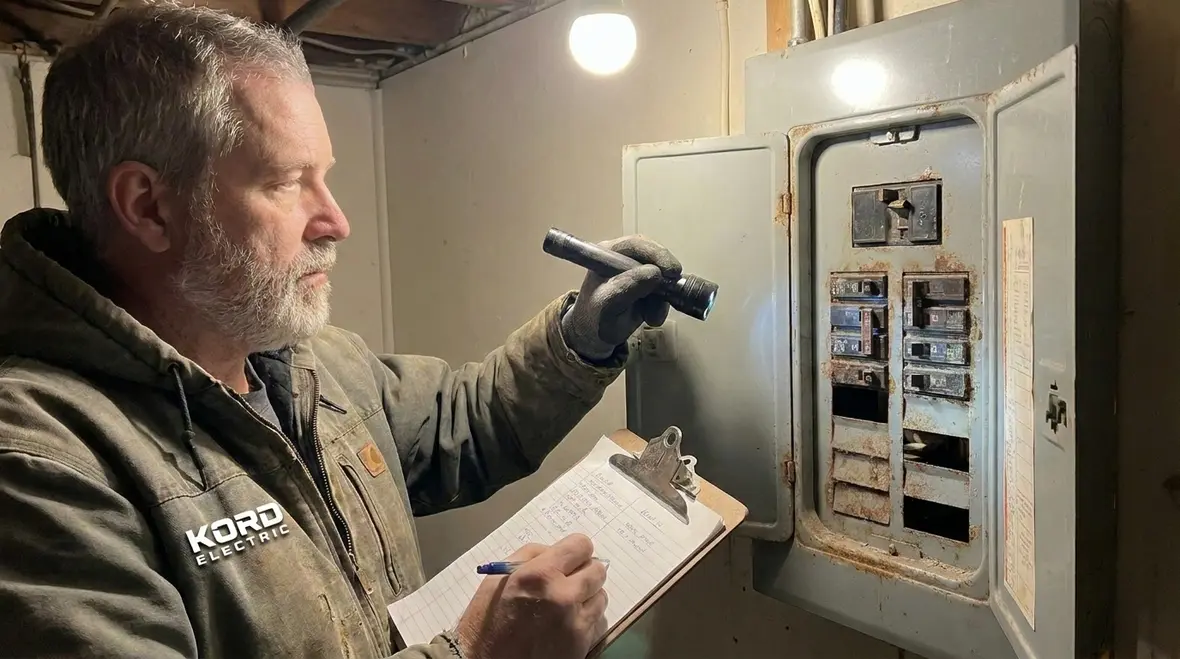
Our expert service staff often explains this in a practical way: the goal is to keep loads aligned so breakers and conductors share the work evenly. Then, we validate the load story using proper tools and careful documentation before any changes go live.
How we rebalance power safely for offices, warehouses, and multi tenant sites
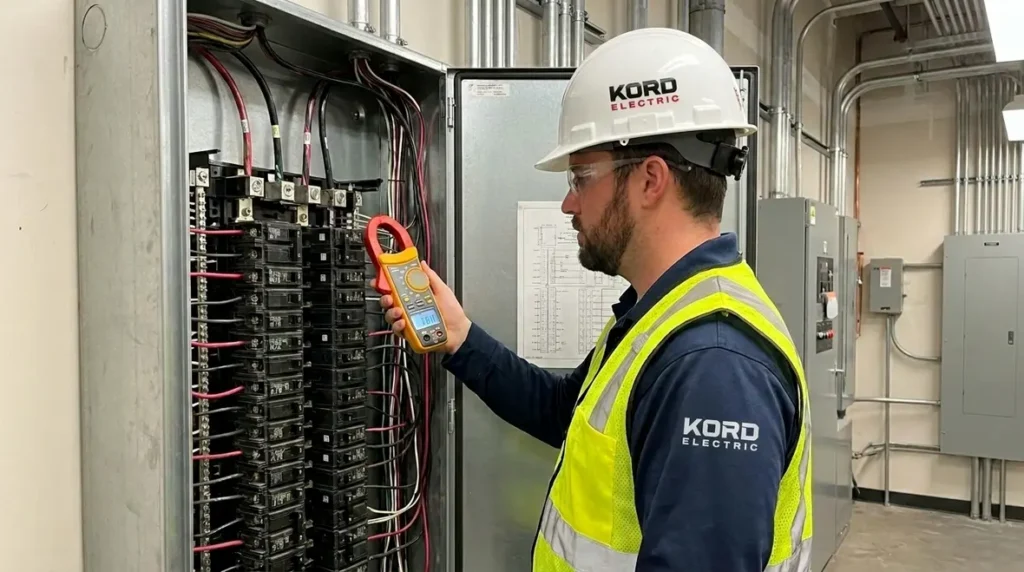
Commercial sites vary widely, but the process usually follows a calm, repeatable rhythm. First, we gather existing panel labeling, circuit lists, and any known changes from recent remodeling, equipment swaps, or tenant improvements. Then our technicians map the current loads by phase. Next, we compare what the building should be doing to what it is actually doing right now.
After that, we adjust circuit placement and distribution to restore balance. Sometimes the solution is a straightforward move of a few branch circuits within the subpanel. At other times, the better option involves adding capacity or revisiting upstream feeds. Importantly, we do not just shuffle breakers and hope. We treat it like a business operation: we measure, plan, and confirm. Because when we rebalance, we also look for hidden issues like overloaded neutrals, mislabeled circuits, or incorrect phase assignment from earlier work.
Once we make changes, we test under realistic operating conditions. We monitor for stable readings, proper breaker response, and safe temperatures. Then we update documentation so facility teams can understand what we did and why. This is where our service staff keeps things clear. You should never feel like you paid for mystery. You should feel like you bought stability.
When rebalancing is not enough and upgrade signals appear
Sometimes the system does need rebalancing, but it also needs more capacity. A subpanel that already runs near limits will keep flirting with trouble even after balancing. That is when upgrade indicators show up. For instance, if the panel lacks spare spaces, you cannot redistribute loads without overloading something else. If breakers show signs of age, damage, or recurring trips with balanced phases, the problem may extend beyond distribution.
Another key sign involves power quality. You may see recurring equipment resets, unstable drives, or consistent voltage sag during start ups. If current draw remains high and the panel runs hot even after load adjustments, then adding new subpanel capacity, upgrading bus bars, or improving upstream feeds can become necessary.
We also consider safety and code compliance for commercial and industrial facilities. If connections show corrosion, heat marks, or wear, then upgrading components may be the correct path. And if your building plan includes future expansion, waiting can turn today’s fix into tomorrow’s outage. In that case, we recommend a plan that supports growth instead of just patching a symptom.
Why the subpanel phase balance matters for power quality and uptime
Commercial equipment depends on stable power. When we support Commercial Subpanel Load Balancing properly, we reduce the chance of overheating, nuisance trips, and premature failures. However, the benefits extend further than breaker life. Balanced phases help keep voltage more consistent across loads, which supports motors, drives, and sensitive electronics.
Meanwhile, our technicians also consider the impact on power consumption and operating costs. If one phase carries a heavier share, it can lead to inefficient thermal stress, higher resistive losses in conductors, and more frequent corrective actions. Over months and years, those small inefficiencies add up. So, even when no alarm is screaming, balancing still protects the business.
And yes, we hear the jokes from facility teams. “The panel is fine,” someone says, right before a breaker trips during peak load. We smile, then we pull measurements. Because the electrical system does not run on opinions. It runs on physics. We respect that, and we work accordingly.
What our assessment and documentation look like after we find imbalance
Once our team identifies imbalance or capacity limits, we provide a clear report that helps decision makers act fast. First, we list observed issues such as uneven phase loading, hot spots, nuisance tripping history, and any signs of connection stress. Then we show the measured load distribution and explain what it means in practical terms for your specific building type.
Next, we outline recommended actions, which may include circuit redistribution, corrective labeling, breaker changes, or a targeted subpanel upgrade. If the building is multi tenant or uses shared infrastructure, we help coordinate the work so operations stay stable. That matters because downtime in a warehouse, office tower, or industrial facility costs real money.
Finally, we document what we changed, what tests we ran, and what facility teams should monitor. We also explain any ongoing maintenance considerations in a way that does not sound like a textbook. Our expert service staff speaks like professionals who respect your time, your schedules, and your staff. You should not need a second translation layer to understand the plan.
For facilities that want to stay ahead of future imbalance or hidden issues, pairing subpanel work with a structured electrical preventive maintenance program helps catch load shifts, loose connections, and emerging hot spots before they disrupt operations.
FAQ about commercial subpanel rebalancing and upgrades
Ready to stabilize your building’s power?
If your commercial subpanel shows nuisance trips, uneven heating, or equipment that behaves like it has a mood, Kord Electric can help. Our technicians and expert service staff assess load distribution, verify Commercial Subpanel Load Balancing, and recommend the right mix of rebalancing and upgrades. We keep the process clear, measured, and focused on uptime for commercial and industrial facilities. Contact Kord Electric today to schedule an evaluation and protect your operation before the next peak load turns into a problem.
For organizations that want to turn today’s fixes into long-term stability, explore how a structured electrical preventive maintenance plan and broader risk identification strategy can work alongside Commercial Subpanel Load Balancing to keep panels, feeders, and critical equipment operating safely year after year.
If your facility is also planning lighting or panel-related improvements as part of a broader upgrade, Kord Electric’s dedicated lighting installation services help align distribution, subpanels, and lighting loads so your final configuration supports both present demand and future growth.