Energy Management Systems for Small Business
At Kord Electric, we help commercial and industrial facilities cut overhead costs by implementing Energy Management Systems for Small Business sized for the way larger buildings actually operate. And yes, we mean systems that work on real schedules, real loads, and real utility bills, not just fancy charts that look good in a meeting room. In fact, our approach starts with understanding how your facility consumes energy, then automates what should not be left to guesswork. After that, our technicians and expert service staff walk you through the setup in plain language, step by step.
So if you feel like energy management is “one more project,” we get it. However, when you automate the right things, you trade chaos for control. And control is the closest thing to quiet confidence you can put on a utility statement.
Why automated energy management lowers overhead

When overhead costs creep up, energy often hides in the background like a background character who keeps showing up uninvited. Meanwhile, your facility keeps paying for patterns you could prevent. Automated energy management reduces waste by matching electricity use to actual needs, instead of fixed settings or manual checks. Additionally, automation helps you respond quickly when conditions change, such as weather swings, occupancy shifts, or equipment aging.
We focus on commercial and industrial facilities and major property buildings, where load profiles can shift throughout the day and across different tenants or processes. Therefore, even small efficiency gains can become meaningful at scale. In practice, the system watches demand, forecasts trends, and adjusts operations with fewer human steps.
Our expert service staff also explain the “why” behind the settings, so your teams do not treat the controls like a mysterious thermostat with a personality disorder. They learn what gets optimized, what stays stable, and what triggers an alert.
When energy management connects with broader electrical reliability, it also supports other risk reduction strategies. For example, facilities already focused on stabilizing power for sensitive equipment can pair automation with targeted support for voltage fluctuations in commercial and industrial buildings to keep systems running smoothly without constant manual intervention.
What we automate first in commercial and industrial buildings
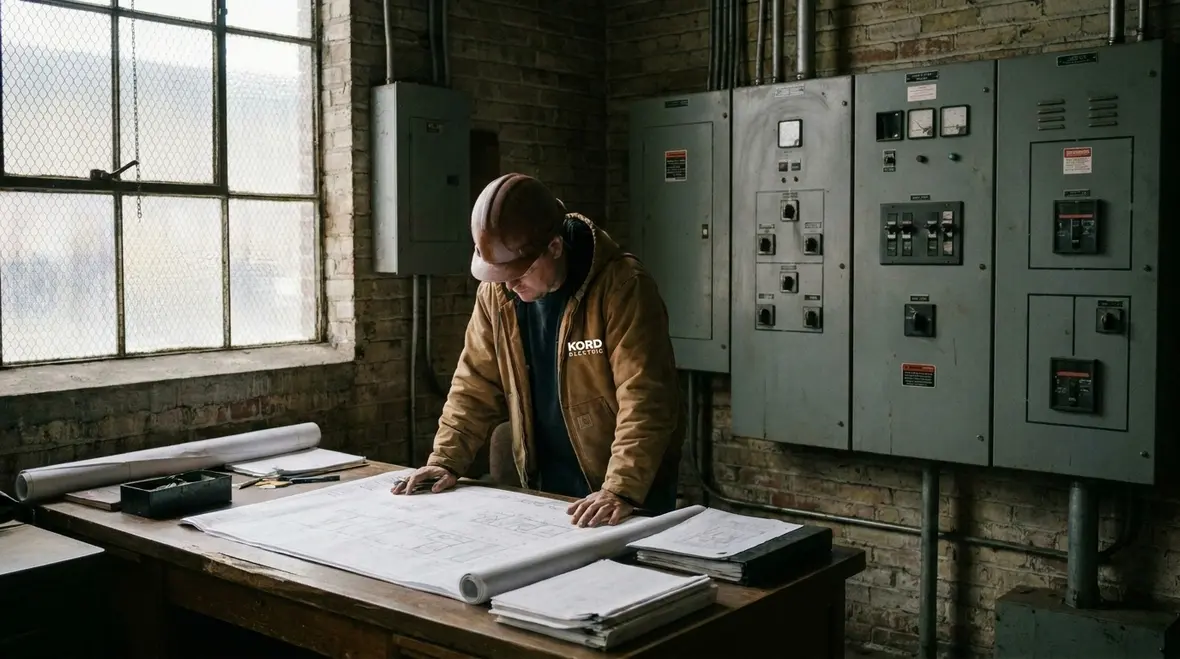
Before installing anything, we map your building’s electrical story. Then we identify the recurring moments where energy gets spent without value. Next, we automate that portion of the system first, because the fastest savings usually come from the most frequent losses.
- Demand control: We set strategies to reduce peak demand charges by shifting or throttling non critical loads.
- Schedules and occupancy patterns: We align lighting, HVAC, and process loads with actual operating times.
- Equipment optimization: We tune setpoints for chillers, pumps, and air handlers so they run efficiently without chasing instability.
- Power quality awareness: We track conditions that lead to unnecessary losses and equipment stress.
As a result, your facility stops “over conditioning” spaces and starts matching energy output to real demand. And frankly, if your systems keep running hard just because they always have, automated control puts an end to that habit. It is like replacing coffee kept warm all day with brewing only what gets used.
In many cases, automation also sets the stage for future upgrades. When you decide to improve lighting performance, add submetering, or modernize specific areas, it becomes easier to plug those projects into a framework that already understands how your building uses power. Resources like Kord Electric’s guides on rewiring cost for commercial electrical systems and hidden electrical risks in commercial buildings help facility teams connect the dots between control, capacity, and safety over time.
How our technicians help teams adopt the system
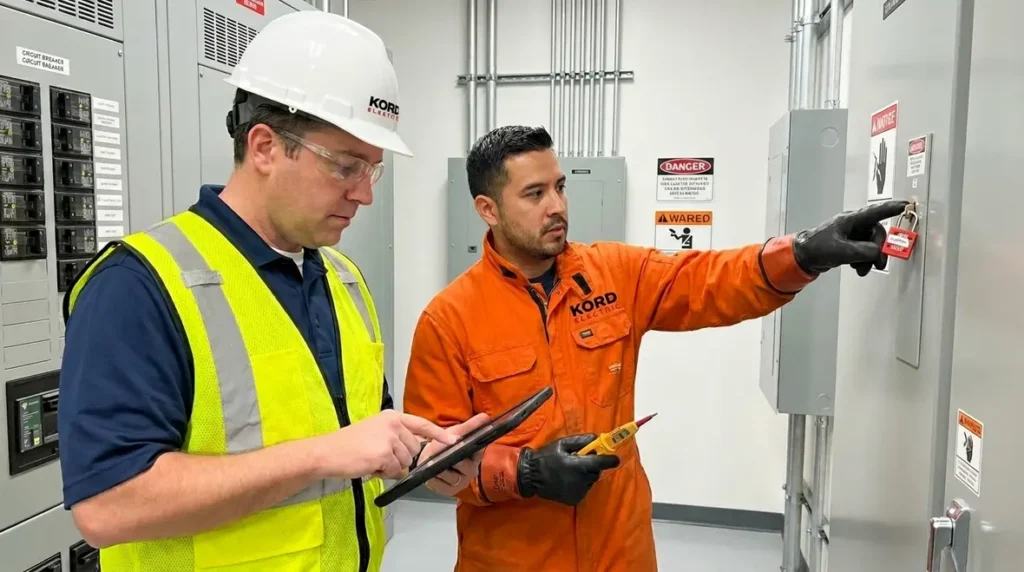
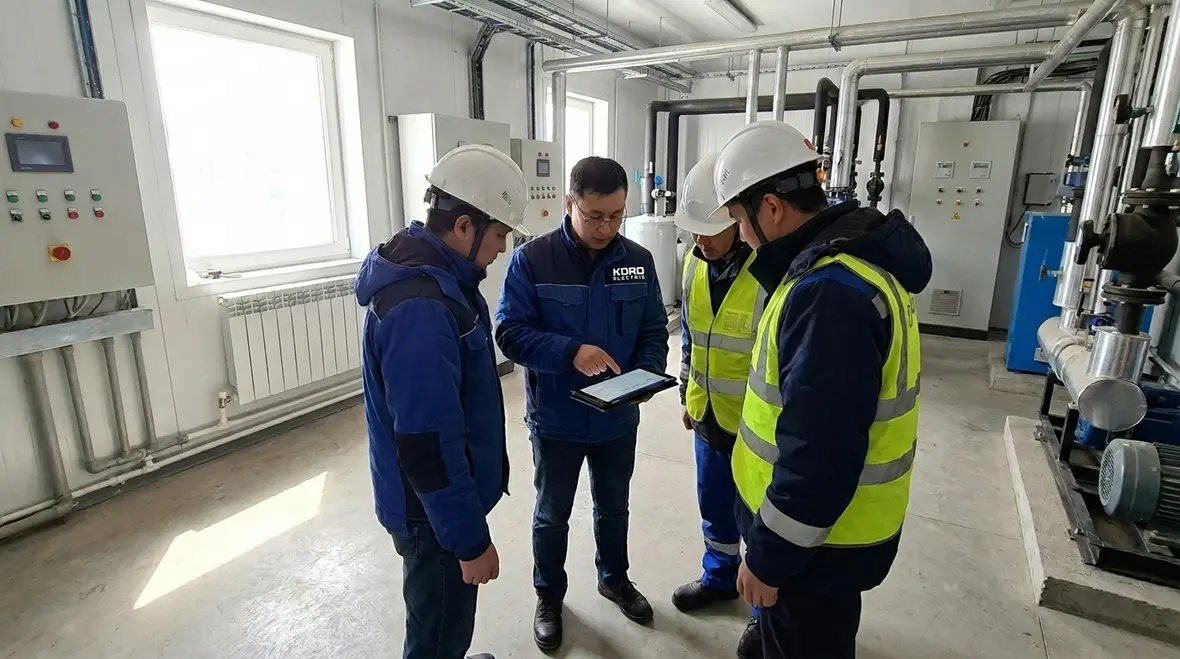
Technology alone does not save money if people do not trust it. That is why Kord Electric brings technicians and expert service staff into the adoption process early. First, they review your current operations and identify where staff decisions influence energy outcomes. Then they explain the automation logic in simple terms, so your operators know what to expect and how to respond.
In many facilities, the biggest cost is not only the utility rate, but also the time and confusion tied to manual adjustments. Therefore, we train the right people on how the system communicates. We show how alarms work, how trends show up, and how recommended actions connect to your operational goals.
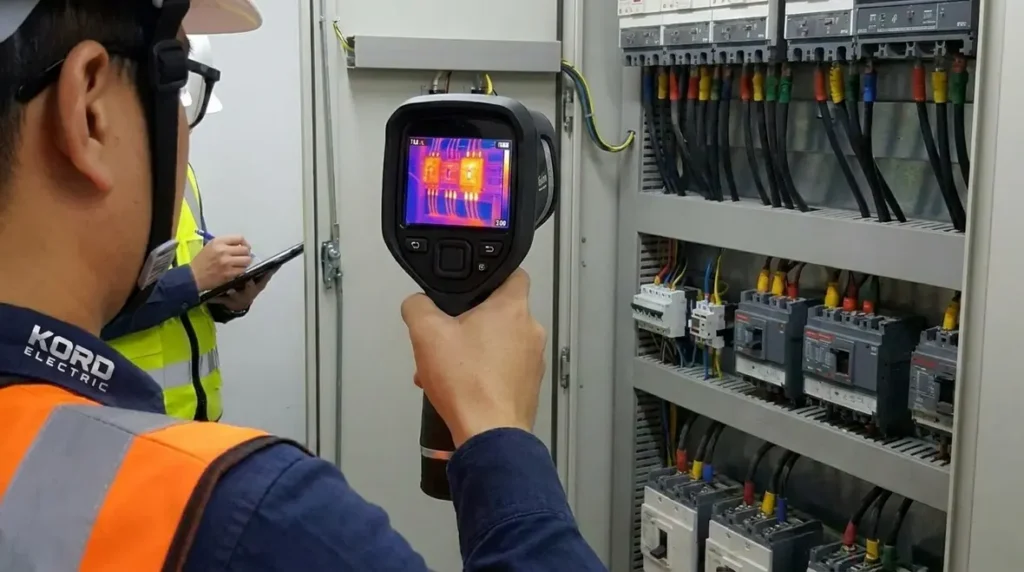
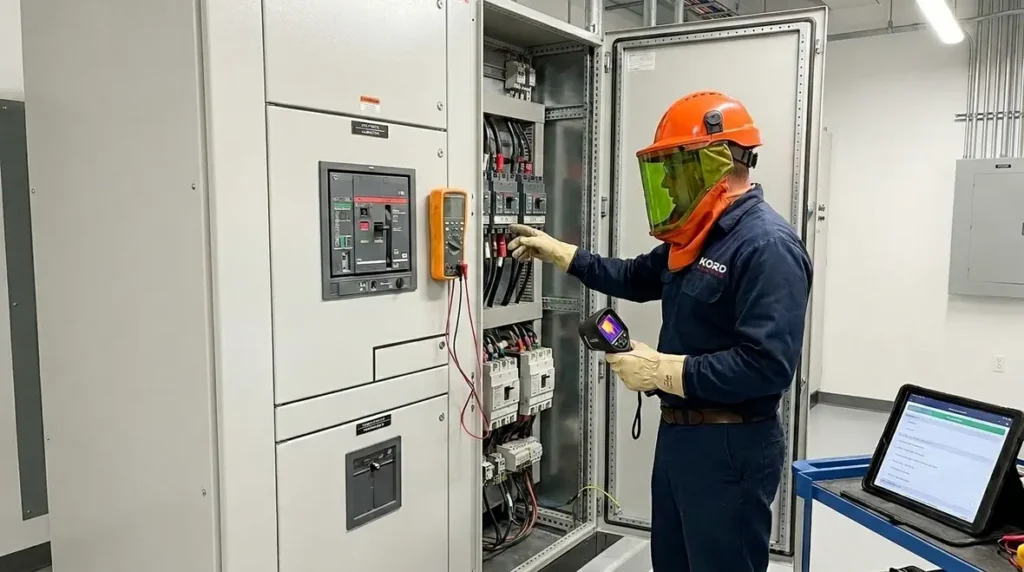
Additionally, we make sure the system supports your maintenance cycle. That means technicians can validate readings, confirm performance, and keep equipment healthy rather than only chasing numbers that change daily.
For facilities that want a structured plan instead of one-time tuning, our approach pairs naturally with broader electrical preventive maintenance programs. When Energy Management Systems for Small Business sit on top of well maintained infrastructure, you get fewer surprises, clearer reporting, and a smoother path to long term reliability.
Designing Energy Management Systems for Small Business in the real world
Even when the phrase sounds small, our work targets commercial and industrial buildings where the control needs are serious. We design automation around practical constraints such as existing panels, legacy equipment, and facility workflow. So instead of forcing an “all at once” overhaul, we build a plan that delivers results without disrupting critical operations.
Our process typically includes these steps:
- Baseline measurement: We collect data to understand usage, peaks, and operating patterns.
- Control strategy selection: We choose logic that fits your operations, such as optimizing cycles for comfort and efficiency.
- Integration: We connect controls to relevant equipment and meters so the system sees what you need it to see.
- Staged rollout: We implement improvements in phases to protect reliability.
- Verification: We confirm savings through post installation performance checks.
Transitioning from manual control to automated control also requires guardrails. Consequently, we include safety boundaries and fail safe behavior so operations keep running even during sensor issues or network interruptions. In other words, the system should not behave like a forgetful intern who hits “save” without checking anything.
Because commercial and industrial facilities rarely stand still, we also design with future projects in mind. Whether you are planning recessed lighting upgrades, commercial kitchen improvements, or new EV charging infrastructure, an Energy Management Systems for Small Business foundation makes it easier to manage added loads, protect uptime, and keep everything speaking the same control language.
Reducing peak demand and avoiding “surprise” utility costs
Peak demand charges can feel like they arrive from nowhere, like a pop quiz you forgot to study for. And because many facilities cannot easily predict spikes, costs can rise even when total energy stays stable. Automated Energy Management Systems for Small Business help reduce these spikes by monitoring demand in real time and applying control actions fast enough to matter.
We use strategies that typically include:
- Load shedding with priorities: We identify non critical loads and reduce them first.
- Staged restart logic: We prevent multiple systems from ramping at the same time after scheduled events.
- Setpoint resets: We adjust operational parameters within safe comfort and process limits.
- Alarm thresholds: We alert your team before spikes grow into cost events.
Just as importantly, we align these actions with business goals. A warehouse may tolerate different adjustments than an office tower, and a manufacturing line cannot be treated like a conference room. Therefore, our expert service staff and your facility leadership collaborate to set the rules that protect reliability while still lowering overhead.
Over time, this approach turns “surprise” line items into predictable patterns you can explain and defend. Finance teams see the connection between operational decisions and demand charges, while operations teams gain tools that feel supportive instead of restrictive. The result is a quieter, more predictable utility review instead of a monthly guessing game.
Monitoring, reporting, and keeping savings on track
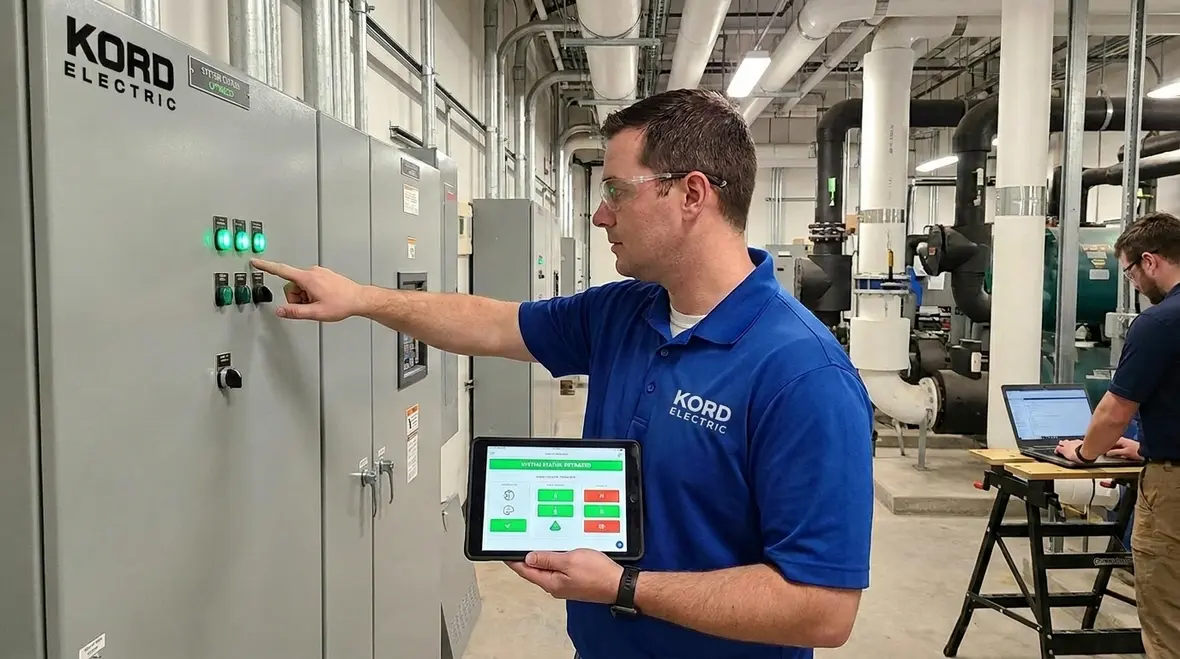
Automation is not the finish line. It is the start of ongoing control. Utilities, weather, equipment wear, and operating schedules all change, so the system should keep adapting. That is why we focus on monitoring and reporting that your team can understand and act on.
In practical terms, your facility gains:
- Performance visibility: Clear trends that show where energy moves and why.
- Faster fault detection: Automated alerts when equipment drifts from expected behavior.
- Operational accountability: Evidence that supports finance reviews and efficiency goals.
- Continuous improvement: Regular tuning based on measured results.
Additionally, our technicians help translate the data into actions. They explain what the system changed, what it recommends next, and whether those recommendations match your maintenance plan. As a result, energy savings remain real instead of fading after the installation day. And yes, we have seen systems that “work” but never get tuned. That is how budgets get roasted slowly like a turkey you forgot in the oven.
For facilities that want everything under one umbrella, Energy Management Systems for Small Business can also serve as a hub for documenting inspections, logging events, and aligning with broader electrical preventive maintenance efforts. That way, you are not just saving energy—you are building a clear, defensible story about how your facility manages risk and reliability.
FAQ
Ready to cut overhead with automated control?
If you are ready to reduce overhead through smarter energy automation, Kord Electric is prepared to help commercial and industrial facilities plan, install, and verify an approach that fits how your site actually runs. We work with your team, explain the controls clearly, and keep savings on track after go live. Contact us today to schedule an assessment and discuss where your building can save most, starting with the wins that show up on the next utility review.
Many facilities combine Energy Management Systems for Small Business with targeted service offerings such as electrical preventive maintenance and voltage correction to create a complete electrical reliability plan. By tying automation, maintenance, and upgrades together, your building operates more efficiently today while staying ready for future projects—from lighting retrofits to EV charger installation and beyond.
Whether you manage a single large property or a portfolio of commercial and industrial sites, the next step is a conversation about how your systems really run day to day. From there, we can design controls that respect your operations, protect your equipment, and give you the kind of predictable energy profile that makes budgeting a lot less stressful.
To explore how Energy Management Systems for Small Business can support your facility alongside services like electrical preventive maintenance, visit the Electrical Preventive Maintenance page or connect with our team directly to map out a tailored strategy.