Commercial Subpanel Load Management Guide
At Kord Electric, we focus on managing commercial subpanel load management so facilities do not face sudden drops, flickering lights, or worst case power failures. Our approach starts with practical load planning, tight panel sizing, and clear wiring strategies that match how buildings actually operate. Then, we keep it running through disciplined monitoring, inspection, and upgrades when the numbers stop making sense. In this guide, our expert service staff explains what happens inside a commercial electrical system when loads grow too fast, why subpanels often become the weak link, and how others can prevent outages without guessing. Think of it like traffic control for electricity, except the cars never move and the signals are breakers.
What causes power failures in commercial buildings?
In commercial and industrial facilities, power failures usually do not come from one dramatic event. Instead, they build from small issues that pile up over time. First, tenants and departments add equipment. HVAC systems cycle harder. New production lines run longer. Then, lighting upgrades and specialty loads show up like surprise guests at a meeting.
Next, the electrical system responds with stress. When a feeder or a subpanel carries more current than it was designed for, heat rises. Heat damages insulation. It also loosens connections. And once connections loosen, resistance rises, which creates more heat. That loop can lead to nuisance trips or, worse, equipment shutdown.
Another common cause involves poor load distribution. If the same circuits feed the same areas again and again, the panel becomes overloaded while other capacity sits unused. Additionally, shared neutrals, misidentified conductors, and outdated design assumptions can turn a stable system into a chaotic one.
Finally, aging components matter. Breakers wear out, terminations corrode, and labeling becomes unreliable. While one bad connection may not trip anything right away, it can fail under load. Our technicians, and our experienced team, know that “it worked last year” is not a safety plan.
How commercial subpanel load management prevents overload stress
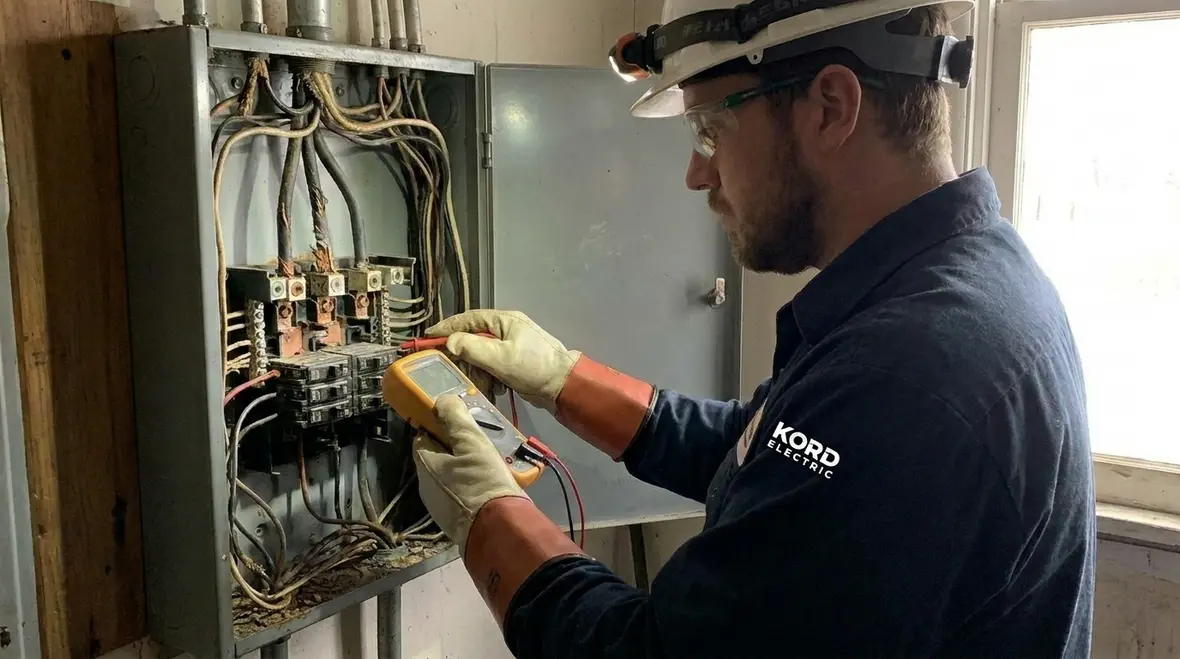
Commercial subpanel load management works by controlling what each subpanel serves and how much current it can handle. We treat every subpanel like a responsibility center with a budget. If the budget grows, the system must change too. Therefore, we build a load map that reflects real operations, not just nameplate ratings.
Here is the practical view. We start by identifying the major load categories: lighting, receptacles, HVAC, motors, process equipment, IT racks, and any specialty systems. Then, we apply connected load and expected demand. In other words, we estimate what the building actually draws during peak conditions.
After that, we compare the results to panel ratings and feeder capacity. If a subpanel approaches its limits, we do not wait for a failure. We redistribute circuits, add capacity, or create dedicated circuits for high draw loads. We also check derating needs that apply to commercial wiring conditions.
Then, we tighten breaker and conductor sizing. Our expert service staff explains this clearly to facility managers because the goal is confidence, not confusion. For example, a breaker size that looks “close enough” can still cause nuisance trips during normal operations, or it can hide deeper wiring problems.
And yes, we handle the paperwork side too. Good labeling and updated as built documentation support maintenance and future upgrades. Otherwise, the next crew opens a cabinet and plays a real life guessing game. It is fun until the building’s production schedule becomes the punchline.
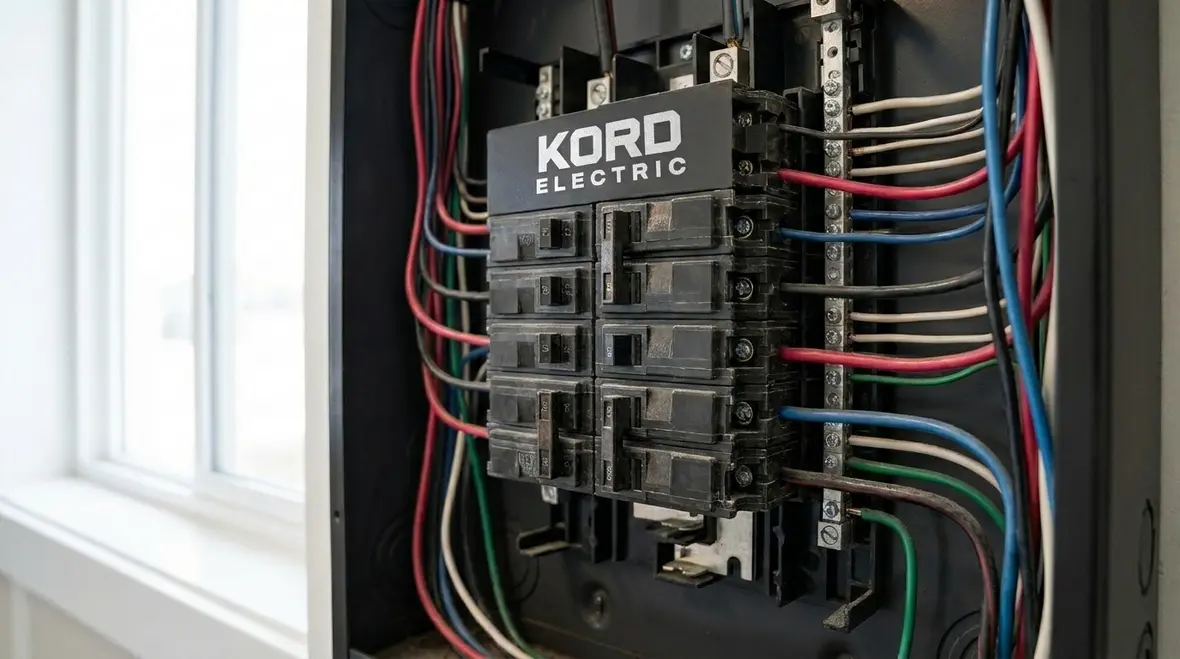
Load calculation and panel sizing for real operations
When others approach load planning, they often start with tables and stop there. That misses the real story in a major property building. At Kord Electric, we run calculations that match how people work and how equipment cycles.
First, we review equipment lists and schedules. We ask what runs together and when. Lighting loads, for instance, may seem small until a whole zone runs during startup or cleaning shifts. Motors can also create short term spikes when systems restart after downtime.
Next, we account for diversity. Not everything turns on at once. Still, we must apply diversity carefully. Over trusting it can push a subpanel beyond safe operation during peak events.
Then, we confirm feeder capacity and voltage drop. A system can be within amperage limits and still under perform if voltage drop causes equipment to draw more current. That can make motors struggle and drive overheating.
We also check for harmonics and sensitive loads. In commercial and industrial settings, drives, power supplies, and automation gear can add waveform distortion. This may increase heating in neutral conductors and alter how breakers behave under load.
And if a facility already has problems, we do not just calculate on paper. We verify with field observations and review existing protection. We often find that the existing design assumed different equipment loads from what the building actually uses today.
Wiring upgrades and rewiring cost factors that matter
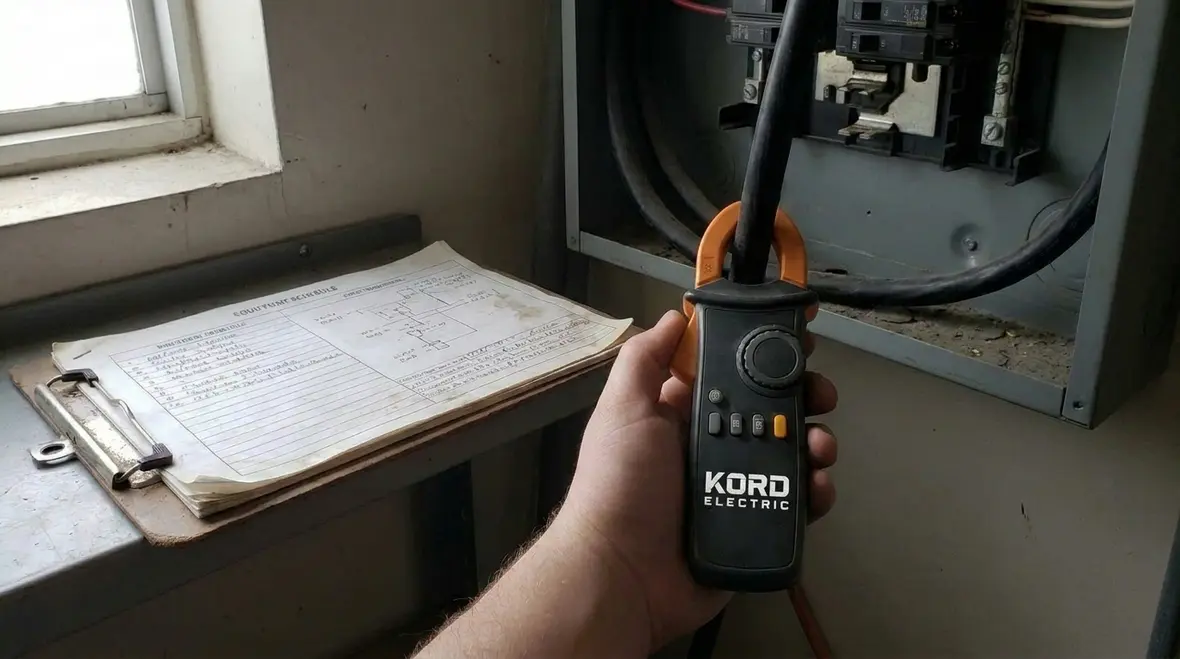
When a building needs more capacity, facility teams often worry about rewiring costs. And they should, because commercial upgrades involve planning, scheduling, and sometimes downtime risk. Our technicians help owners understand what drives price so decisions stay grounded.
In many rewiring cost situations, the biggest cost factors come from labor complexity, outage needs, material selection, and how much demolition gets involved. When we plan commercial electrical system updates, we coordinate routes, access levels, and safety steps so work stays predictable. If you want a deeper breakdown of common cost drivers, Kord Electric has a guide on rewiring cost considerations for commercial electrical systems that explains how scope and conditions impact budgeting.
Additionally, we find that the most cost effective path often comes from targeted changes rather than full replacement. For example, we may add a subpanel, reroute a few circuits, and upgrade protection while keeping healthy cable runs. However, when insulation condition, terminations, or busbar design fail the safety review, replacement becomes the smarter long term move.
We also plan for future growth. If the property will add tenants, expand production, or upgrade HVAC, we build margin into the subpanel design. That prevents “quick fixes” from stacking into a larger expense later.
So yes, rewiring can cost money. But it costs less than a business interruption that turns into lost contracts and angry phone calls. Electricity does not negotiate. It just trips.
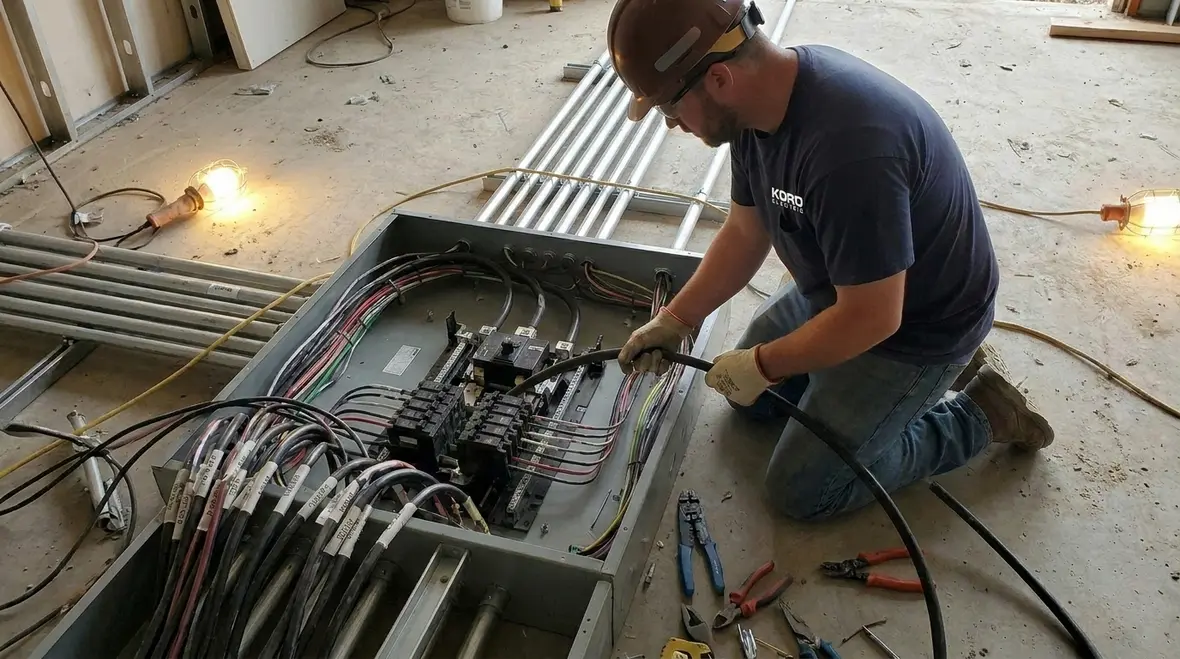
Monitoring, testing, and documentation that keeps risk low
Commercial subpanel load management does not end once the cabinet closes. Therefore, we help facilities run a routine program of testing, inspections, and record keeping. This step matters because a system changes even when the owner does not touch it. Equipment schedules shift. Departments swap gear. Temporary power becomes semi permanent. And then the “mystery load” shows up.
Our technicians use a structured approach. We review breaker condition and torque where required. We inspect terminations for heat marks and signs of looseness. Then, we verify that circuit labels match reality. If labels do not match, the next technician wastes time, and the next upgrade risks bypassing key safety steps.
We also examine load behavior during peak periods. With proper monitoring, facilities catch overload trends before they become failure events. That includes checking for recurring nuisance trips, hot neutrals, or uneven loading across phases.
Documentation ties everything together. We keep updated single line diagrams and as built notes so teams can respond fast. In a real commercial environment, speed matters. When something fails, minutes count. Good records help others troubleshoot correctly the first time.
And because we work with commercial and industrial facilities and major property buildings, we understand the operational constraints. We coordinate with maintenance teams, follow safety rules, and schedule work to reduce disruption. For facilities that want a structured program, this same mindset aligns closely with Kord Electric’s dedicated electrical preventive maintenance services built specifically for commercial and industrial properties.
How expert staff handles upgrades without shutting down the building
In many facilities, electrical upgrades cannot pause operations for long. That means the plan must protect power while we improve the system. Our expert service staff helps guide this process so property managers, facility directors, and operations teams know what will happen and when.
First, we stage work. We can add capacity by building new circuits, then moving loads in phases. That reduces risk compared to a full stop. Next, we coordinate with mechanical contractors so HVAC and production equipment restart safely after changes.
Then, we confirm protection settings. Upgrades often require new breaker coordination so selective trips work as intended. Otherwise, a small fault can trip the wrong section and shut down larger areas than needed.
Finally, we test under realistic conditions. We verify connections, check phase balance, and confirm that monitoring tools record expected results. After that, we train internal staff on new panel schedules and any changes in circuit behavior. Nobody wants to run a facility with a confusing map. That is how you end up with a dark conference room and a very bright sense of regret.
Key steps to keep subpanels stable as loads grow
To prevent surprises, Kord Electric follows a simple but strict sequence. And while it may sound like routine, it is the kind of routine that keeps businesses open.
- Build a load inventory that reflects actual schedules, not just equipment lists
- Plan panel sizing and feeder capacity for peak conditions and future expansion
- Redistribute circuits so each subpanel shares load evenly across phases
- Upgrade protection and conductor sizing when heat and stress show up in inspections
- Test and monitor during normal peaks to confirm performance before faults happen
- Maintain clear labels and updated documentation for every major change
- Schedule upgrades in phases to reduce downtime for commercial and industrial operations
FAQ: Commercial subpanel load management
Conclusion: Get power planning that holds under pressure
If your commercial or industrial facility keeps adding equipment, you need a plan that keeps electricity stable. Kord Electric helps others manage commercial subpanel load management with load mapping, correct sizing, smart circuit distribution, and testing that reduces failure risk. We also coordinate upgrades to limit downtime and keep your operations moving. To extend those gains, many properties pair subpanel planning with structured electrical preventive maintenance services so the system stays reliable year after year. Contact Kord Electric to schedule a system review with our technicians. Then we will lay out the safest path forward, so your building stays powered when it matters most.
If you are planning broader upgrades, such as panel changes, critical circuit rework, or capacity increases for high demand equipment, our team can also coordinate these improvements with your commercial subpanel strategy so rewiring, protection adjustments, and monitoring tools line up in one clear plan. That way, your investment in commercial subpanel load management supports every other electrical decision you make across the property.