Commercial Subpanel Load Management Services
Commercial subpanel load management that keeps businesses running smoothly
At Kord Electric, we handle commercial subpanel load management for offices, retail spaces, warehouses, and major property buildings where uptime matters and downtime costs real money. In the field, we see the same pattern again and again: someone adds a few loads, then another few, and eventually the subpanel starts behaving like it has a grudge. Our technicians and expert service staff step in early, measure what is actually happening, and then balance loads so the system stays efficient, safe, and predictable.
And yes, we make it clear and practical, because electrical work should not feel like reading a sci fi manual. We explain options, we show what changes, and we guide the team so the whole facility can keep pace.
Why commercial subpanels get overloaded and what to check first
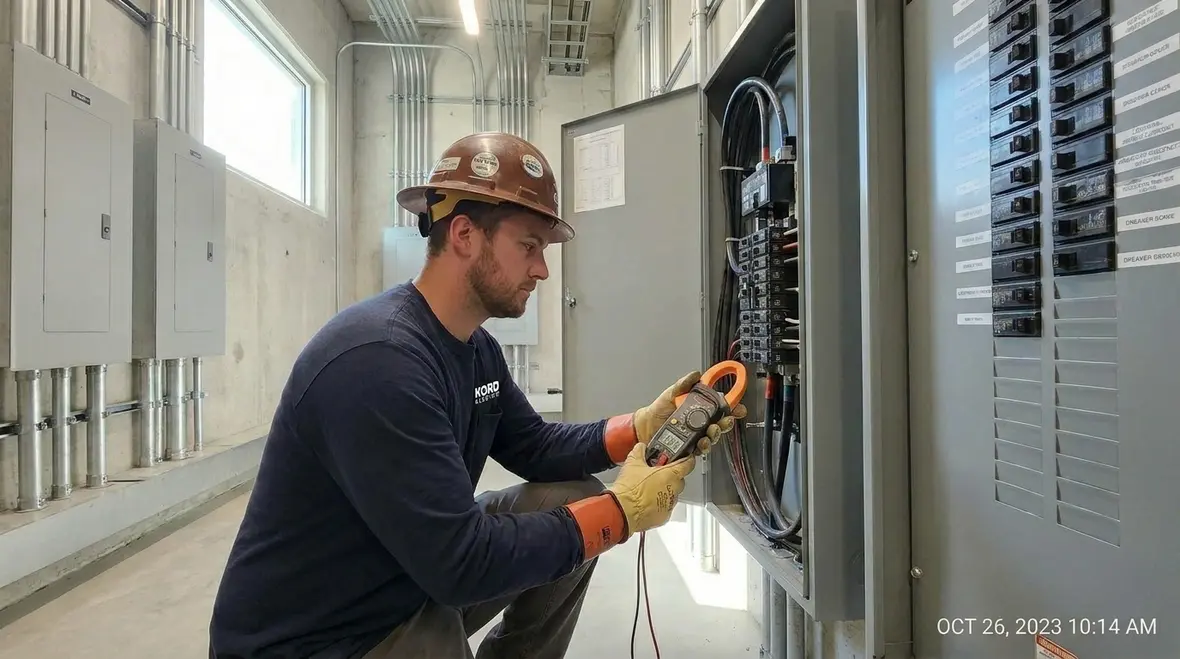
Load growth rarely announces itself. First, it is a new HVAC unit. Then it is additional lighting, more outlets, charging stations, or kitchen equipment in a tenant suite. Over time, a subpanel that once looked “fine” quietly becomes overloaded. Meanwhile, the main panel may still look okay, which tricks people into thinking everything is under control. That is the electrical version of ignoring a smoke alarm because the kitchen smells fine.
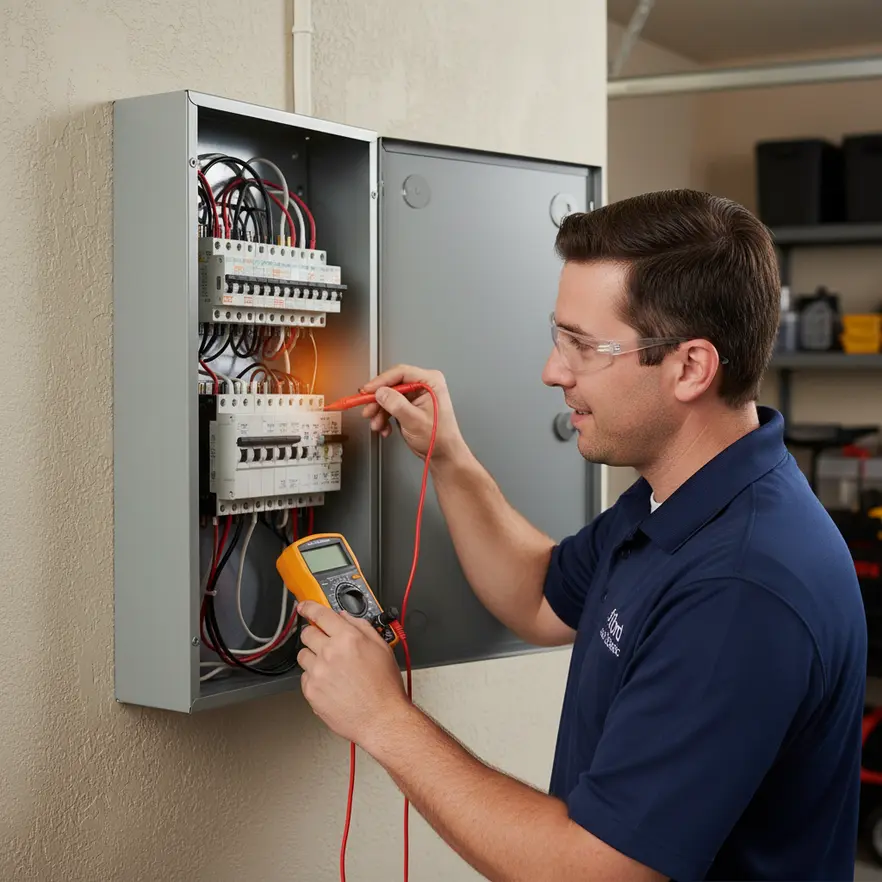
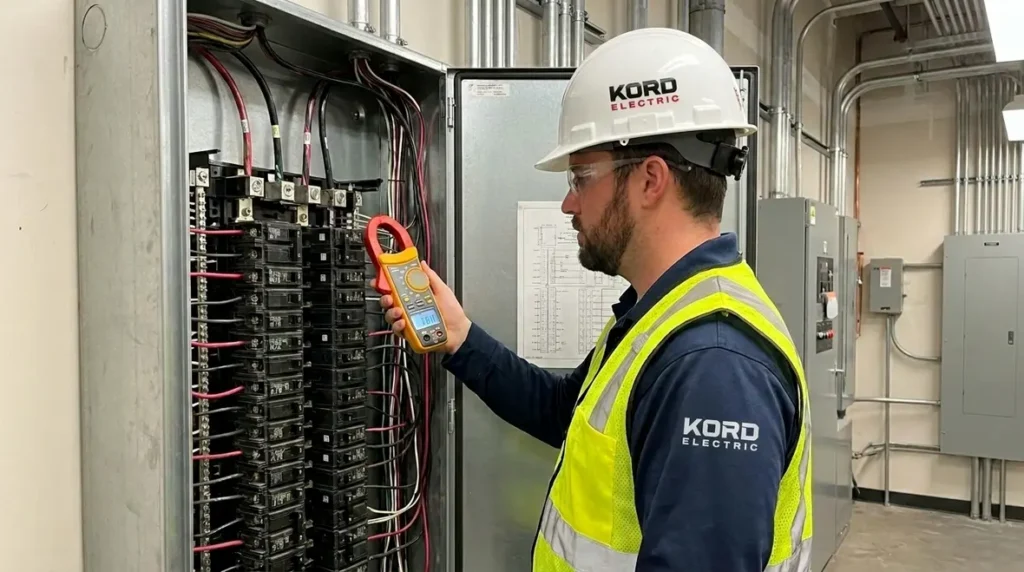
To manage commercial subpanel load effectively, we start with the basics, and then we go deeper. We check load history, equipment nameplates, circuit schedules, and any recent tenant improvements. Next, we inspect the physical condition of the panel, looking for signs of heat stress, loose connections, or worn labeling. Then, we confirm how much current each circuit actually draws, not just what the drawings claim it should draw.
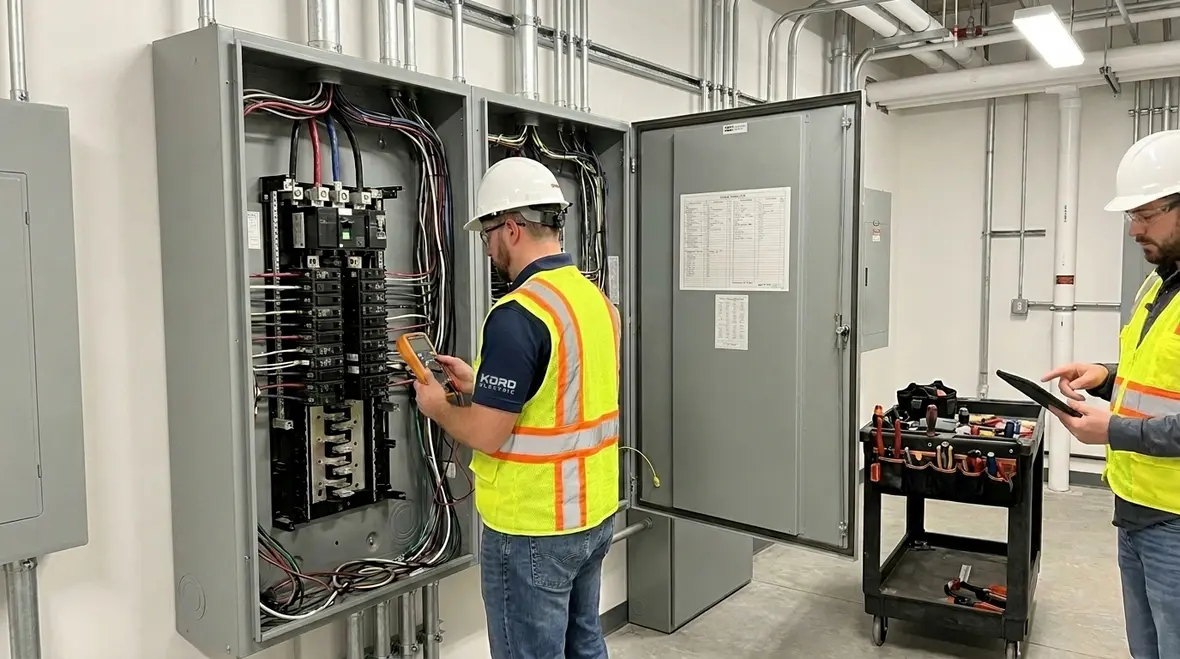
Finally, we match the measured demand to the panel rating and circuit design, so decisions land on real data. As we do this, our technicians communicate clearly with facility managers and property owners, explaining what the numbers mean and what risks we reduce.
Load audit methods that work in real commercial buildings
If someone wants a “quick fix,” they usually do not get one from us. Instead, we use load audit methods that fit commercial and industrial sites where schedules change and equipment runs at different times. That is why we prefer a process that can separate steady loads from intermittent ones.
Our expert service staff typically uses a blend of document review and field measurement. Then we build a load picture that supports smart panel planning. For example, we categorize loads like these:
- Constant loads like some base building systems, access controls, and standby equipment
- Daytime operational loads like refrigeration, production tools, and office HVAC demand
- Peak loads like start up surges on motors, large lighting changes, and shift transitions
Once the categories are clear, we identify the circuits that push the subpanel toward its limits. After that, we compare the measured demand to breaker settings, conductor ratings, and any notes on selective coordination. This matters because efficient load balancing also supports safe performance under normal and abnormal conditions.
And here is a small but important point: a subpanel can be overloaded even if no breaker has tripped recently. Heat and aging happen quietly. So we treat early signs like a warning, not a mystery.
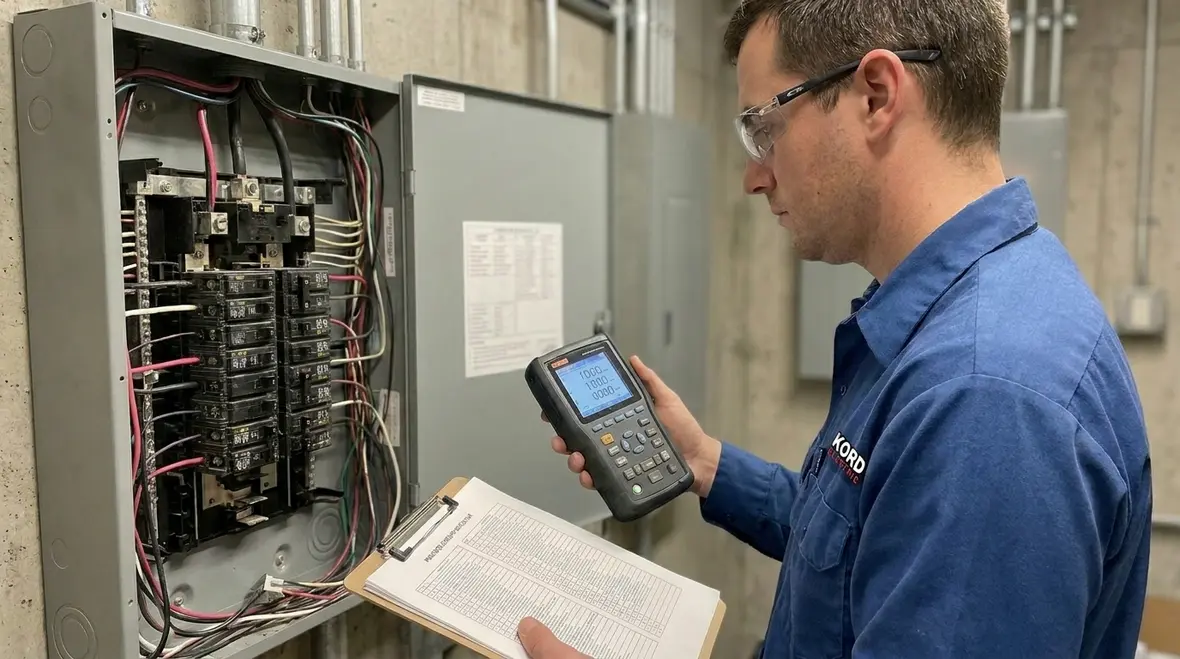
Panel balancing strategies for efficient commercial subpanel load management
After the load audit, we move to balancing strategies. This is where commercial subpanel load management becomes a real tool, not just a phrase. The goal is to reduce uneven phase loading, keep breakers within safe limits, and support predictable operation during peak cycles.
We apply balancing steps in a logical order. First, we map circuits to phases and verify that wiring matches the circuit schedule. Then we redistribute loads where it helps, such as moving compatible loads to underused phases. If the facility has a lot of single phase equipment spread across phases, we correct that pattern.
Next, we plan for future changes. In a major property building, tenants upgrade gear, and usage shifts. So we structure the panel schedule and circuit labeling to support later additions without chaos. Our technicians also recommend documentation updates, because “it was labeled last year” is not a reliable maintenance plan.
We also check how breakers and feeders share load. When the subpanel feeds other sections or equipment, we coordinate load transfer and verify that the upstream system can handle the demand curve. In other words, we do not balance one area while ignoring the rest of the electrical neighborhood.
If you ever watched a group project where everyone did different work and nobody coordinated, you already understand why good balancing matters. Electrical loads act the same way.
Sequencing, staging, and peak control in commercial and industrial settings
In many commercial facilities, the problem is not only the total load, but when the load arrives. Peak demand can spike when multiple systems start at the same time. That is common during shift changes, morning startup routines, and scheduled maintenance events.
We reduce peak stress by supporting sequencing and staging plans. That means we help facilities coordinate start orders for motors, HVAC sequences, and major process equipment where applicable. When sequencing is adjusted, the electrical system sees smaller step changes, which improves stability and can reduce strain on bus bars and breakers.
Additionally, we consider load shed and control strategies for non critical systems. For example, certain loads can pause briefly without affecting operations, like some non essential circulation loads or certain lighting groups. Of course, we only recommend this after a review with the facility team, because nobody wants “efficient” to mean “shutdown.”
As part of our approach, our expert service staff explains what the changes do in plain terms, so your team can make confident decisions. We do not hide behind buzzwords. We also document the plan so it remains useful after the next tenant improvement or equipment swap.
Safety, code alignment, and thermal performance you can feel
Load management is not only about math. It is about safety. If conductors run hot or terminations loosen, performance drops and failure risk rises. In commercial and industrial buildings, that risk can become expensive fast.
So we verify code alignment and safe installation details as we manage subpanel loads. We inspect torque, connection integrity, conductor condition, and labeling accuracy. We also check breaker compatibility and proper circuit protection. Where we see aging patterns, we address them before the panel becomes a “future problem” that shows up during peak season.
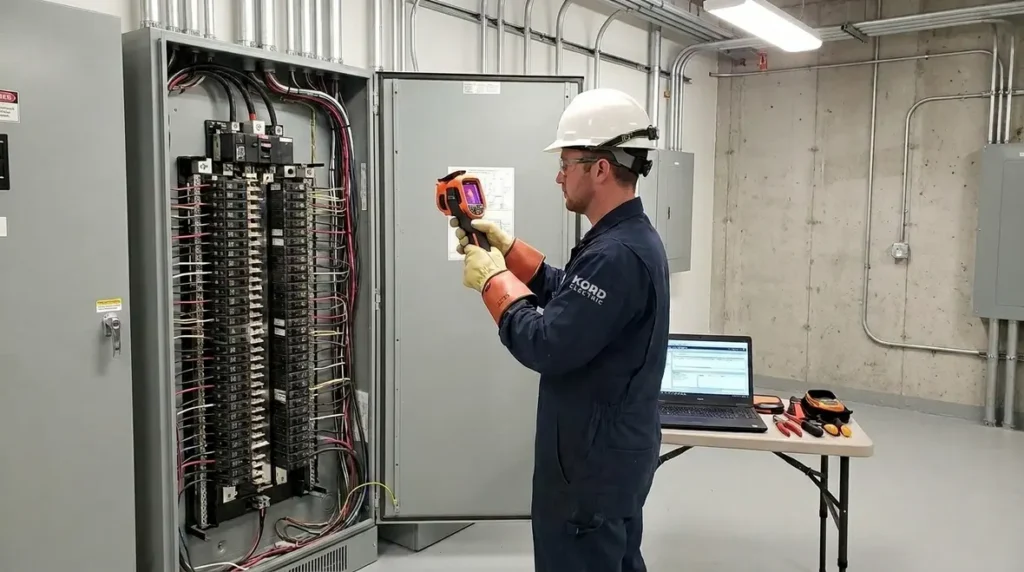
Thermal performance receives special attention. When a subpanel is near its limits, heat builds at connections and bus interfaces. That heat can accelerate insulation aging and cause nuisance issues like flickering or intermittent trips. We look for the signs early and explain what we find, because guessing is not a maintenance strategy.
And since commercial sites often work with tight budgets, we help teams prioritize the most urgent work first. That way, safety improvements and efficiency improvements move together instead of in separate rounds of costly surprises.
Estimating electrical costs and planning upgrades without guesswork
Facility owners often ask about cost, and they should. However, electrical upgrades should not be priced off vague assumptions. Kord Electric helps commercial teams plan upgrades by connecting scope, existing conditions, and load outcomes.
If you have reviewed our guidance on electrician cost for commercial facilities, you already know the cost drivers usually depend on the site, the work type, and the time required. We apply the same logic to subpanel work. For instance, cost changes when the solution needs simple circuit moves versus new feeders, upgraded bus capacity, or panel replacement. Location access, shutdown needs, and permitting also shape the schedule and price.
We also help property teams plan in phases when it makes sense. Instead of doing one massive job, we can schedule improvements around tenant downtime windows. Meanwhile, we keep documenting load behavior so the next phase builds on what we learned, not on guesswork.
Our technicians walk facility managers through options, tradeoffs, and timelines, then we propose the plan that supports both efficiency and operational goals. In a commercial setting, predictability is often the best kind of savings.
FAQ: Commercial subpanel load management
Next steps with Kord Electric for safer, smarter load control
If your facility is growing, or if peak demand keeps surprising your team, it is time to handle it the right way. Kord Electric brings expert technicians and a methodical approach to commercial subpanel load management, from load audits to balancing and peak control planning. We explain findings clearly, propose practical upgrade paths, and help you protect both uptime and safety. Reach out today to schedule an evaluation for your commercial or industrial building, and let us turn electrical uncertainty into solid control.
For facilities across the region, our Los Angeles County commercial electrical services team can also align commercial subpanel load management with broader upgrades such as lighting, EV charging, and long term maintenance planning, so your electrical strategy supports every part of the property instead of working in isolated pieces.
If your building is already thinking about rewiring, lighting upgrades, new equipment, or commercial subpanel load management in the same planning cycle, we can help you sequence each phase so budgets stay realistic and your electrical system grows in a controlled, predictable way instead of in last minute bursts.