Commercial Warehouse Lighting Upgrades for Safety
Commercial warehouse lighting upgrades that quietly protect people
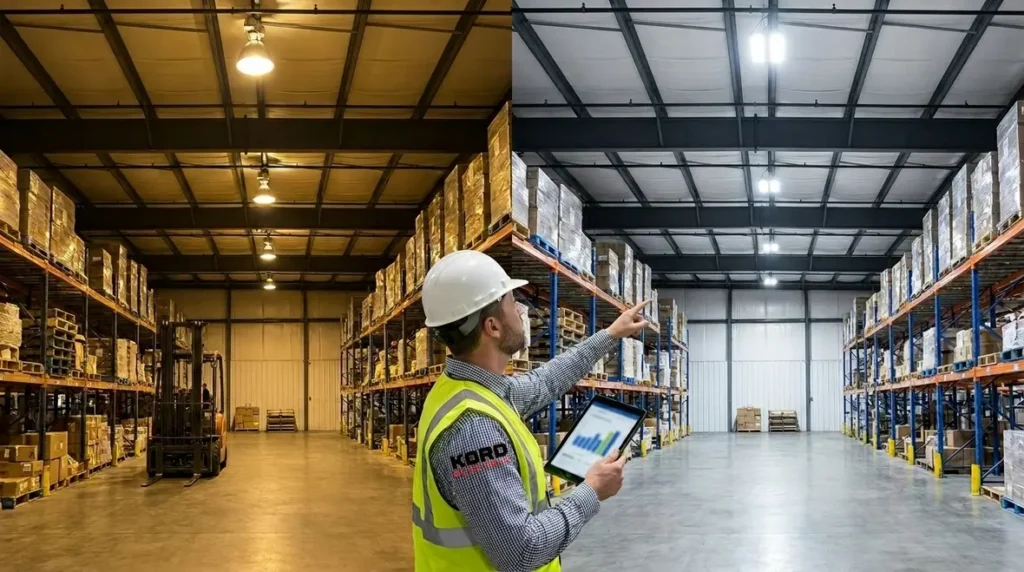
In every facility we serve, commercial warehouse lighting upgrades do more than make the floor look brighter. They help reduce harsh shadows, support safer movement, and improve how staff spot hazards before they become incidents. At Kord Electric, we plan these upgrades with one goal in mind: safer, steadier lighting in the places where safety cannot depend on luck. Then, we document what we find, explain it in plain language, and coordinate the work so operations keep moving. Yes, we take your lights seriously, even if some of them have been flickering like they are auditioning for a horror movie.
How smarter lighting lowers risk in high traffic aisles
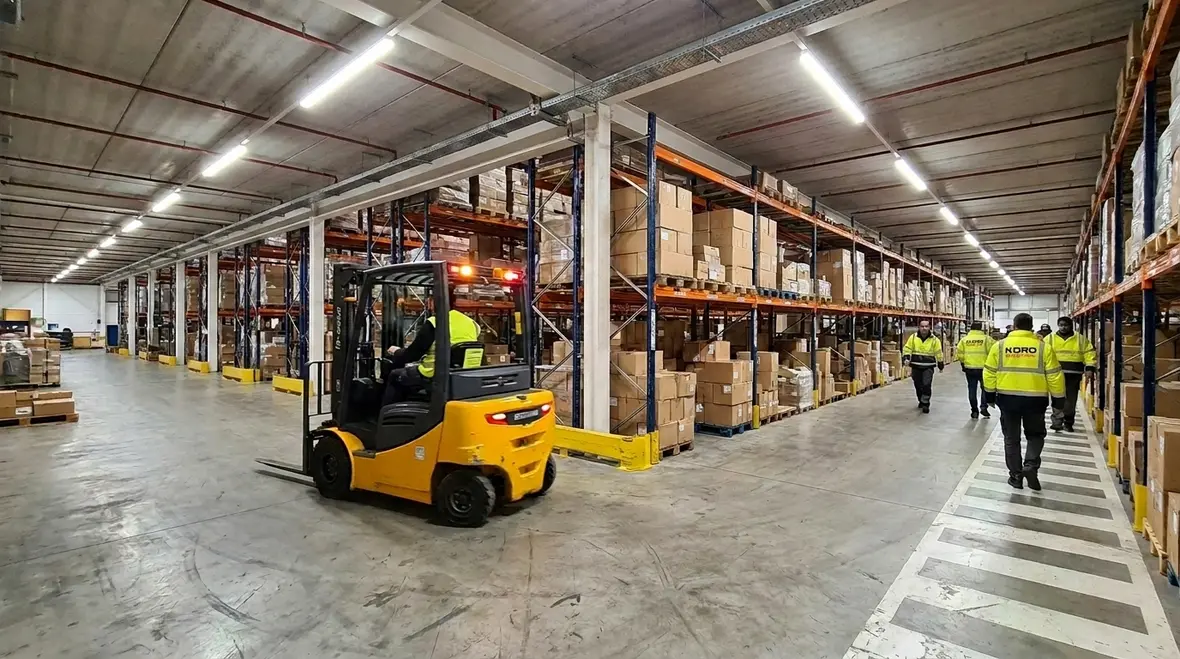
When we review a warehouse, we start by watching how people and vehicles actually move. Then we connect that motion to the lighting you have today. In many buildings, old fixtures create dark pockets at dock doors, along pallet lanes, near stairways, and under mezzanines. As a result, workers can misjudge distance or miss small spills, dropped parts, and trip hazards. Furthermore, glare from older high output sources can make it harder to see clearly, especially when someone turns a corner or steps from a bright dock area into a dim aisle.
Our technicians look for these patterns because the solution is not just “more lumens.” It is better placement, better control, and better consistency. For example, we often find that fixture spacing does not match aisle width, and mounting height shifts create uneven light levels. After that, we adjust layout and controls so the light supports safe routines, not chaotic navigation.
Where we focus first: docks, staging zones, and access paths
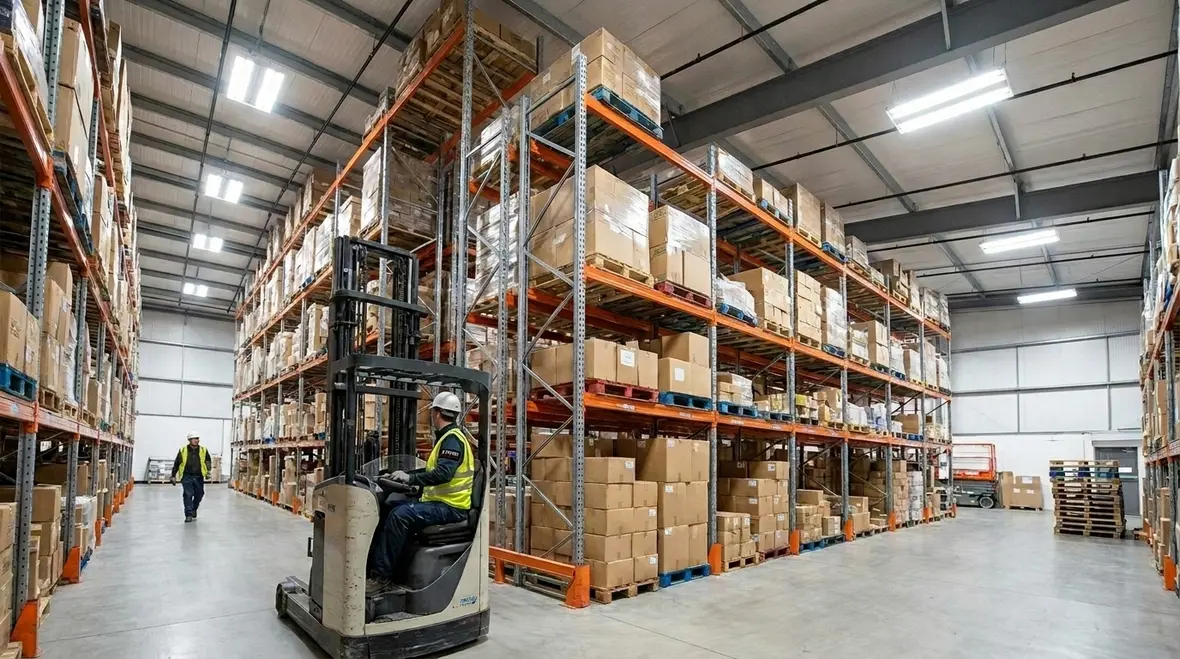
We do not treat every square foot the same. Instead, we prioritize the zones where a problem can happen fast. Docks and staging areas matter because forklifts, pedestrians, and dock doors all share the same space. Similarly, loading docks create changing brightness when doors open, and older systems struggle to keep visibility stable.
Access paths deserve attention too. We examine stairways, emergency egress routes, and paths between offices and warehouse lines. In major property buildings and commercial plants, these are the areas that staff rely on during routine work and emergencies. Therefore, our lighting plan supports clear sightlines and proper illumination where people need it most.
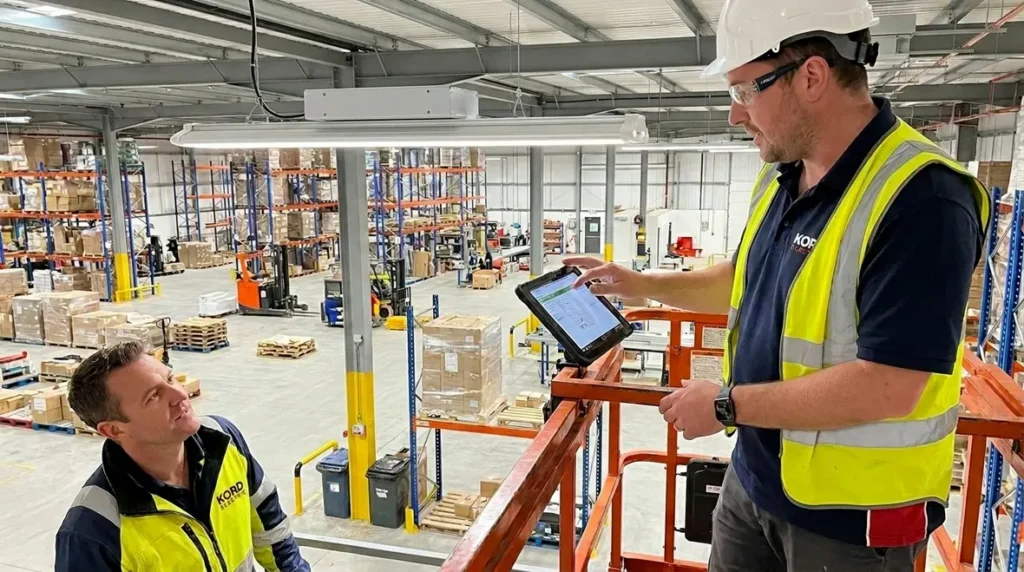
To keep it practical, we explain our findings as we go. Our service team walks facility managers through what we see, then shows how the upgrade reduces risk step by step. You get the why, not just the what. That way, the upgrade feels like a decision, not a mystery bill.
Controls that prevent “lights on, problems still on”
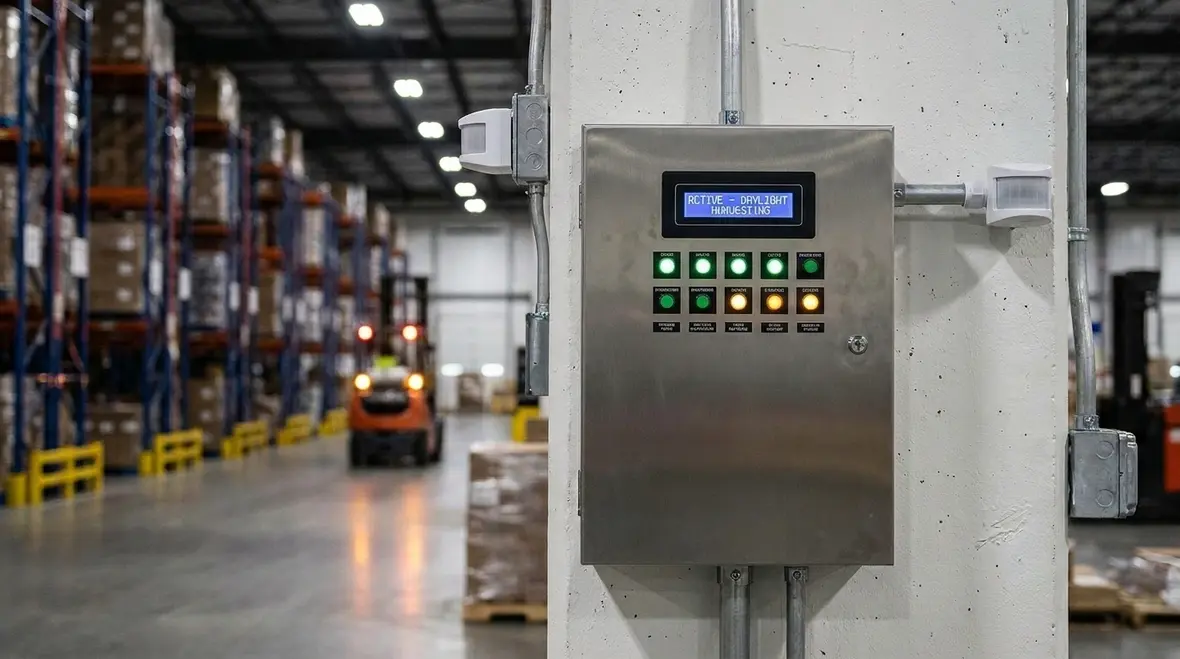
Upgraded fixtures help, but controls often deliver the real safety wins. When we install smart warehouse lighting upgrades, we think about how lighting responds to the building. For instance, occupancy sensing can prevent wasted light while still keeping key areas properly lit. Meanwhile, dimming controls can maintain stable visibility without creating flicker or dramatic drops in brightness.
In addition, we help facilities avoid the common trap of changing lights without addressing the rest of the electrical environment. If voltage is unstable, controls do not behave as intended. If wiring is aging, you may get intermittent performance that nobody trusts. Because of that, we assess electrical conditions during planning, aligning the lighting system with reliable power delivery.
And yes, sometimes the smartest control still cannot fix a poorly planned fixture layout. That is why our approach stays grounded in real site conditions. We measure, observe, and then recommend. Our technicians explain each choice in calm, straightforward language, so your team understands what the system will do after we leave.
Maintenance planning that keeps safety from fading
Lights do not fail all at once. They drift, dim, and underperform long before they fully stop working. So we build upgrades to last, and we align them with ongoing maintenance. If your facility already has a maintenance routine, we coordinate with it. If it does not, we help you build one that fits commercial and industrial realities.
In our commercial and industrial electrical maintenance plans, we emphasize structured inspections, clear documentation, and preventative steps instead of “wait until it breaks.” You can find details here: Commercial and Industrial Electrical Maintenance Plans. Then we apply that same logic to warehouse lighting performance. That matters because even high quality fixtures can lose output when lenses get dirty, drivers degrade, or controls drift out of calibration.
We also pay attention to how maintenance affects safety. If a crew has to open panels or climb ladders frequently, the process itself creates risk. Therefore, we recommend access planning and maintenance schedules that protect technicians and workers. It is not glamorous work, but it is the kind of work that stops incidents before they start.
What our technicians document during a lighting upgrade
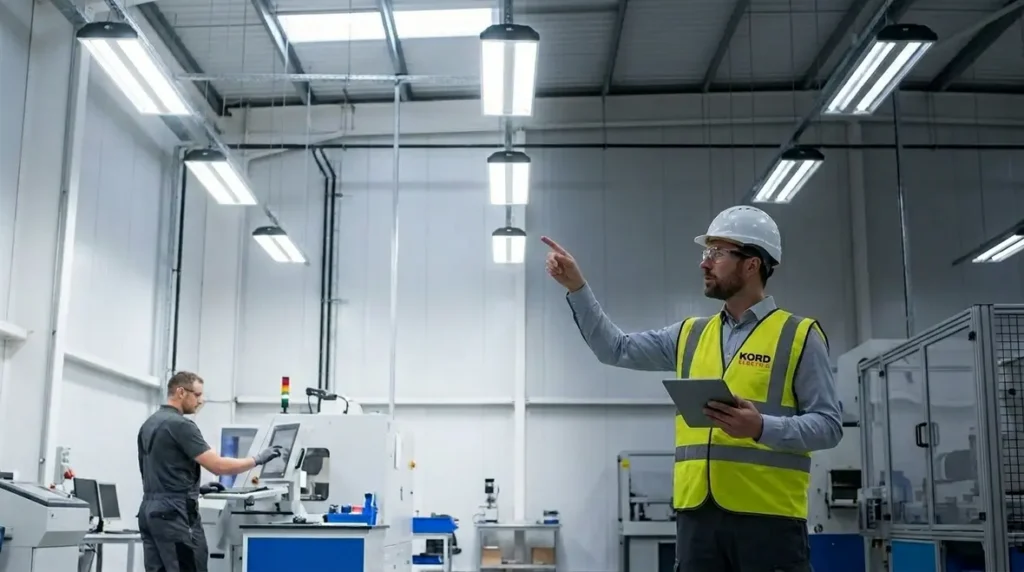
We run upgrades with a technician mindset, which means we collect real data and explain it. First, our team assesses current light levels and identifies where visibility falls short. Next, we check the electrical conditions that support steady operation. Then we review fixture types, placement, and control settings to align with your facility layout.
During the process, our service staff talks through the plan. We describe which areas will improve first, how we manage installation without unnecessary downtime, and what training or operational steps your staff may need. For example, if your workflow depends on certain lighting scenes for shifts, we help your team understand how to use them.
After installation, we confirm performance and document the results. This gives you a record for future maintenance and helps you track ongoing performance over time. In other words, we make it easy to prove that the upgrade worked, not just hope it did. Even Batman had a plan. We just use spreadsheets and measurement tools.
Smart lighting upgrades that support compliance and emergency readiness
Safety includes how people respond during abnormal events. That means your lighting system should support emergency movement, clear wayfinding, and stable visibility when conditions change. In commercial and industrial facilities, especially major property buildings, staff must navigate quickly and safely during incidents.
We coordinate lighting upgrades with emergency considerations. We verify illumination patterns near exit routes and ensure controls and power behavior support safe response. In addition, we look at how the lighting system interacts with existing electrical systems so emergency readiness does not get undermined by unrelated issues.
Moreover, we help property teams reduce risk exposure by improving reliability. When lighting stays consistent, staff can detect hazards sooner. Therefore, incidents become less frequent, and the time to notice problems shortens. That is not just good lighting. It is operational safety that shows up in daily routines.
Real cost and operational benefits without the sales sparkle
Owners often ask about cost, and we answer in the same steady tone we use for everything else. Upgrading lighting usually reduces energy waste and supports more stable performance. However, we focus on the broader business outcome too: fewer disruptions, less manual troubleshooting, and better visibility that improves how teams work.
In many facilities, older fixtures and unstable control behavior cause maintenance calls that break schedules. Then, temporary fixes become routine, and staff stop treating lighting as a system. We break that cycle by bringing the upgrade together with smart design and service support.
Because we serve commercial warehouses, industrial plants, and major property buildings, we plan around real operating constraints. We schedule work to minimize downtime and align with site safety practices. In short, we treat lighting like an infrastructure upgrade, not a cosmetic refresh.
For facilities that also need broader electrical support, our team can connect warehouse lighting projects with structured electrical preventive maintenance services and targeted troubleshooting. That way, your lighting upgrades support not just better visibility, but a stronger, more reliable electrical backbone overall.
How warehouse lighting upgrades connect to regional service support
Many of the commercial warehouse lighting upgrades we perform happen in facilities that also rely on calm, regional service support. When a site in or around Los Angeles County needs help, it is rarely just one light acting up. It may be a pattern of nuisance trips, uneven lighting in key aisles, and controls that do not match how the building actually runs.
That is why our lighting projects tie into broader offerings like Los Angeles County electrical services for commercial and industrial facilities. When your lighting, distribution equipment, and preventive maintenance live under one coordinated plan, your warehouse does not have to rely on last minute calls or guesswork to stay safe and productive.
FAQ
Ready to upgrade safely? Call Kord Electric
If you want safer visibility in your warehouse and clearer navigation for workers and vehicles, we can help. At Kord Electric, we plan commercial warehouse lighting upgrades around real site risks, then we install with careful coordination and confirm performance after the work is done. Our technicians explain every step in business friendly language, and our service planning helps keep safety from fading over time. Reach out today to schedule an assessment for your commercial or industrial facility.
For facilities building a longer term strategy, our team can connect your lighting work with comprehensive maintenance and troubleshooting support, so your warehouse, production areas, and support spaces all benefit from the same calm, organized electrical plan.