Commercial Subpanel Safety and Inspection Guide
At Kord Electric, we keep commercial subpanel safety front and center because the risks are real and the fixes are easier before a problem starts. To protect people and equipment, we advise facilities to verify labeling and breaker identification, keep subpanels accessible without storage clutter, and maintain proper enclosure condition so doors, knockouts, and covers stay closed. We also recommend routine inspections for heat marks, loose connections, moisture signs, and any evidence of corrosion or pest activity. Finally, we stress that only qualified staff should open and service panels. In other words, we do not treat a live panel like a family board game night. We take the seriousness seriously, and our service team explains each step so building staff understand what is happening and why.
Commercial subpanel safety starts with correct layout and labeling
Even a well designed electrical system can become a weak link when the field layout creates confusion. Therefore, we focus on how the subpanel is installed, how it is routed, and how information is presented to the people who operate it. When others enter a mechanical room or an electrical closet, they should instantly understand what each breaker controls and how it relates to the building systems.
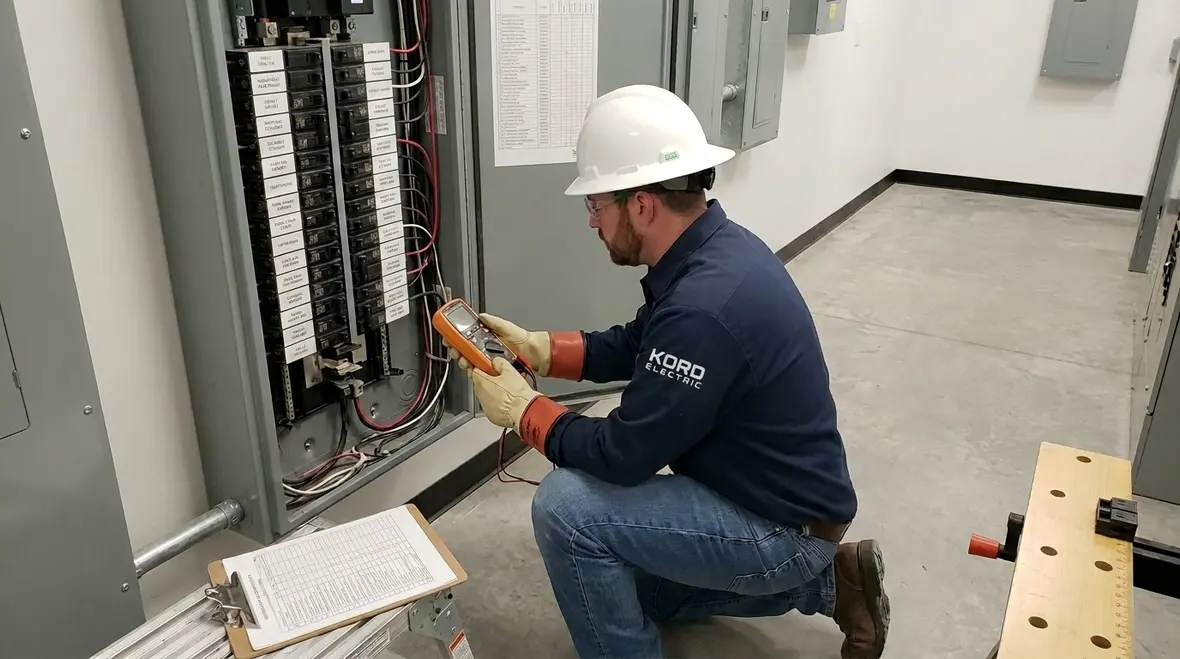
We recommend that facilities use durable labels with clear circuit descriptions, not vague notes like “misc loads.” Moreover, we ask our technicians to confirm that the breaker schedule matches the actual wiring. If the schedule says a circuit feeds rooftop unit three, then the breaker must truly do that. After all, if someone changes loads later and does not update the schedule, the next inspection can turn into a scavenger hunt with higher stakes.
Next, we encourage planners to consider access paths and working clearance. If the subpanel is blocked by shelving, ladders, or seasonal storage, then good safety intentions fail. So we help property teams set rules for the electrical room and we train the onsite contact on what “accessible” means in real life.
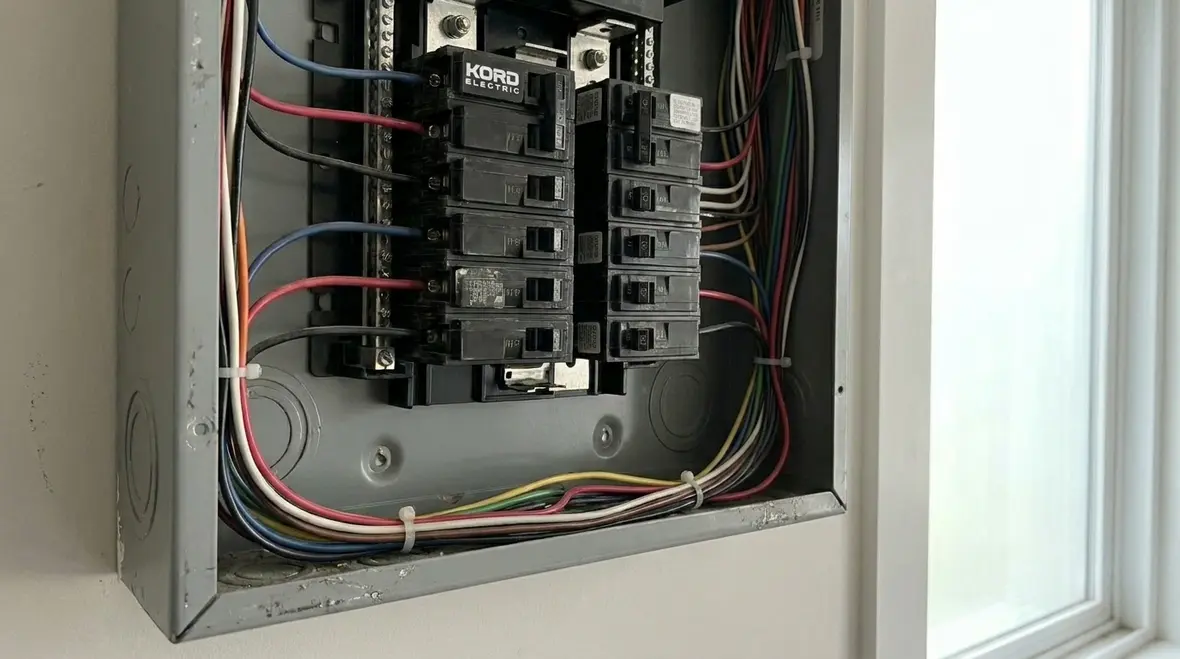
How we prevent overheating and looseness in high use settings
Commercial and industrial facilities see frequent load changes, start ups, and temporary shutdowns. Those patterns can stress terminations and bus connections. Consequently, our inspection approach targets the things that commonly create heat, voltage drop, and intermittent failures.
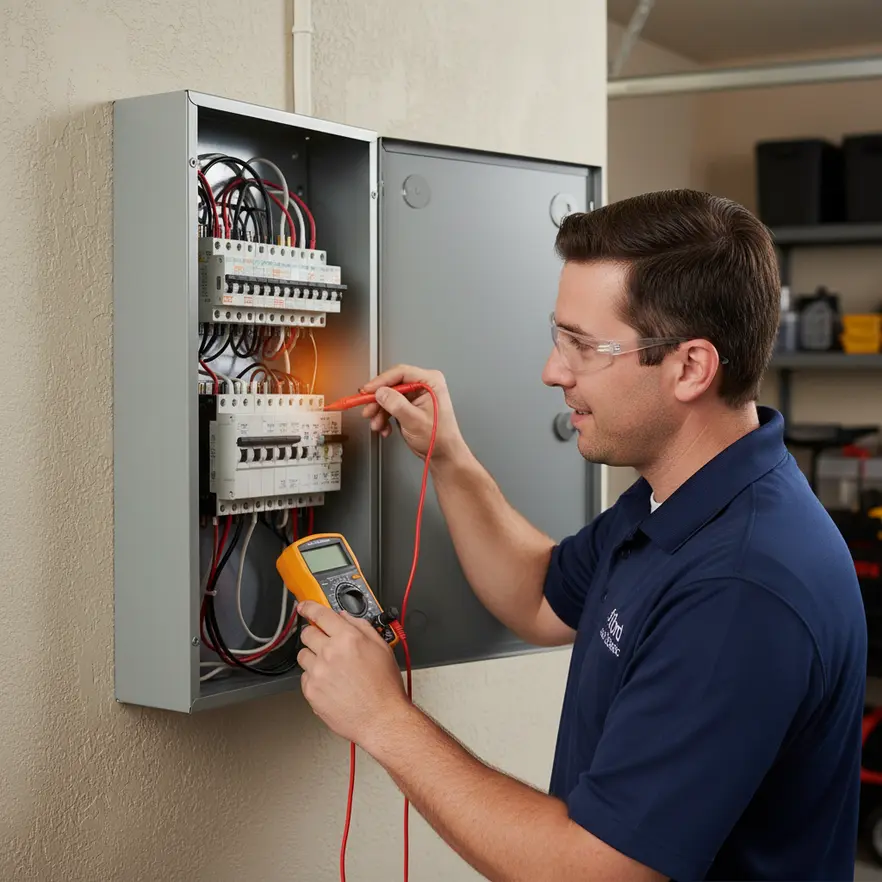
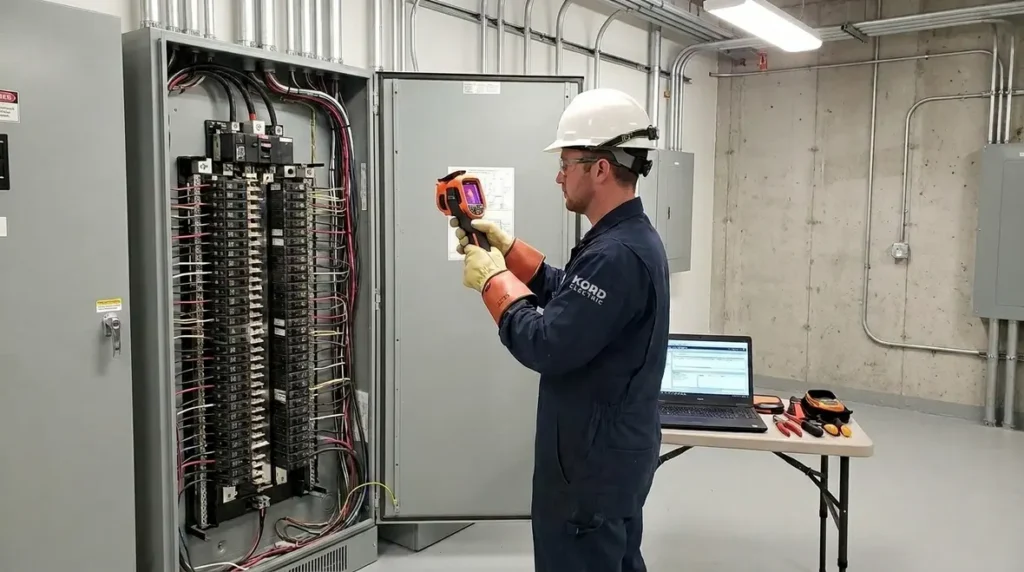
Our technicians check for visible heat damage, discoloration, and signs of arcing. Then we validate that connections remain tight and that conductors sit correctly under breaker and lug points. If a connection loosens even slightly, current can concentrate in one spot, and the subpanel starts acting like a toaster that nobody ordered. We also look for dust buildup and moisture paths that can reduce insulation resistance over time.
When we find issues, we explain the cause in plain terms. For example, we describe how vibration from nearby equipment can loosen a termination, or how humidity can lead to corrosion. Then we outline what we will fix and how we will confirm safety afterward. This is not just about the repair. It is about building trust and reducing repeated mistakes.
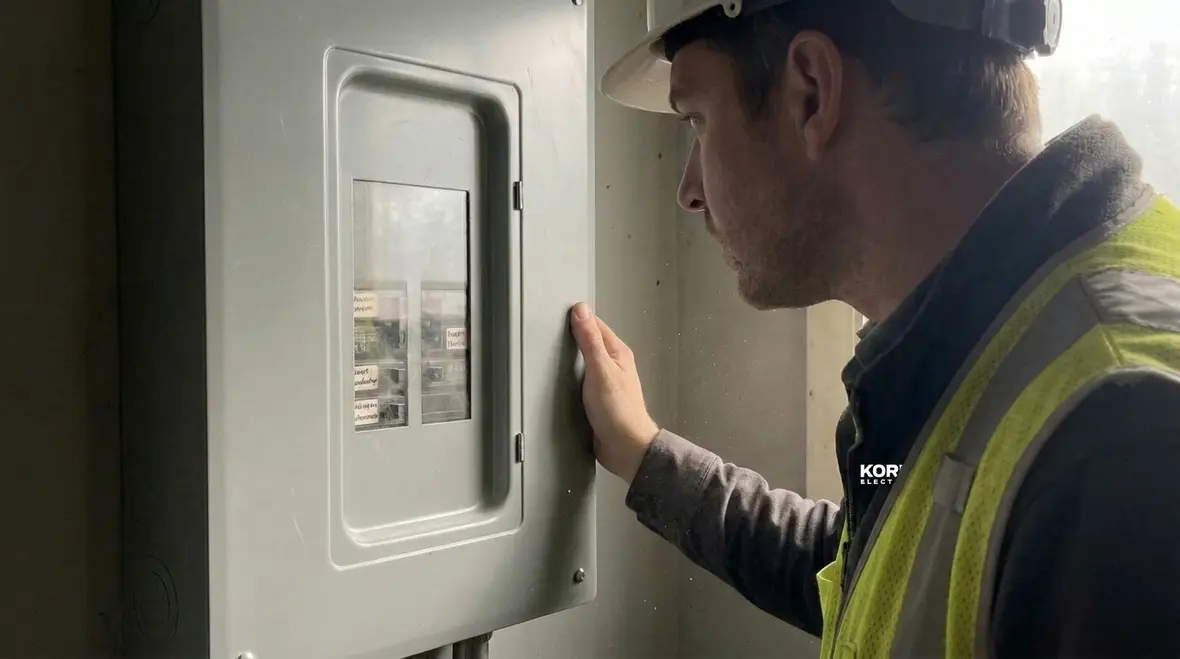
Routine inspection steps that facility teams can actually follow
Not every building team has the time to conduct deep troubleshooting. Yet a consistent routine can catch problems early. That is where we guide facility managers with practical steps that align with commercial and industrial operating realities.
First, we recommend a periodic visual check. Staff should verify that the subpanel door closes fully, that labeling remains readable, and that no stored materials block working space. Then they should look for warning signs such as smoke odor, scorch marks, buzzing sounds, or moisture staining around the enclosure.
Second, we support documentation. We ask teams to record inspection dates, photos when possible, and any observations. When others request service later, this history saves time and reduces guesswork. Our expert service staff also reviews these notes during scheduled visits so the next step feels clear rather than improvised.
Third, we plan inspection frequency based on environment and usage. A subpanel in a damp plant room needs attention sooner than one in a clean office electrical closet. To stay accurate, we consider dust, washdown conditions, temperature swings, and how often equipment cycles during shifts.
Enclosure integrity, grounding, and protection strategies that last
Many failures do not begin with the breaker. They begin with the way the enclosure protects the system. Therefore, Kord Electric emphasizes integrity across the panel cabinet, the door hardware, and the cable entry points. We check for missing knockouts, damaged gaskets, and gaps that allow condensation to enter.
Grounding and bonding also matter in commercial life. When grounding paths do not work as intended, fault currents may behave unpredictably. That can affect how protective devices operate and can create shock hazards during faults. We verify that grounding conductors are properly terminated and that bonding points remain secure. Then we align those checks with the building’s overall safety plan, including how other systems interconnect.
We also evaluate protection coordination when appropriate, especially for buildings with multiple levels of distribution. This helps ensure that when a fault occurs, the right devices trip in the right order. If protection coordination fails, a small problem can escalate into a broader outage. Nobody wants their entire wing to go dark because of a single failing circuit, unless it is Halloween. We do not do that kind of “surprise outage” as a service.
Managing changes, lockout rules, and who touches what
Change is constant in major property buildings. Tenants add equipment, maintenance moves circuits, and control systems get upgraded. When change happens without discipline, electrical safety erodes quietly. So we help property teams build a controlled process for additions, modifications, and re-labeling.
First, we support a clear authorization path. Only qualified personnel should open enclosures or modify breaker configurations. We can train internal staff on what they can do safely, such as checking labels and maintaining clear access, while we handle invasive work. This keeps operational teams productive without putting them in harm’s way.
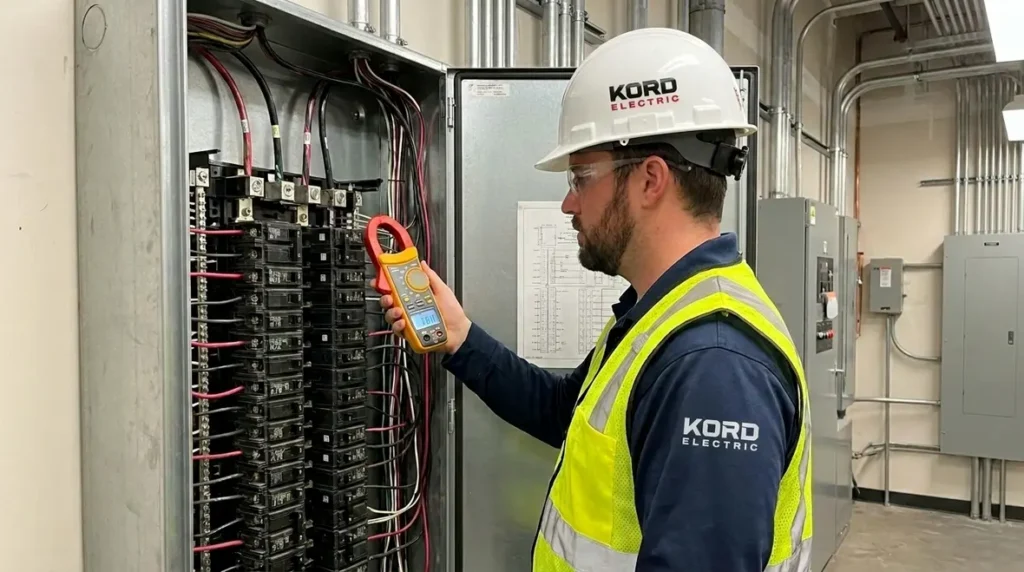
Second, we encourage strict lockout and verification practices for any work that could energize conductors. The steps should not rely on “I think it is off.” Instead, we guide teams to follow documented procedures and to verify absence of voltage with proper tools. Our technicians also confirm the work area conditions, so other people do not accidentally re-energize equipment.
Third, we manage documentation after changes. When others modify wiring and do not update the circuit schedule, confusion returns like an uninvited guest. Our expert service staff updates labeling and confirms that control mapping remains accurate, then we provide a clean record for the building file.
Dual view: common red flags and what we do next
Below is how we typically respond when we see early warning signs in commercial environments. We keep it simple and direct, because time matters and clarity matters more.
What we notice
What we recommend
Heat marks or discoloration at terminations
We inspect connections, confirm tightness, check load behavior, and test as needed.
Moisture signs around cable entries
We evaluate sealing, check for condensation sources, and correct enclosure gaps.
Buzzing sounds or intermittent trips
We examine breaker function, conductors, and connection integrity and then verify protective operation.
Missing or unreadable circuit labels
We update labeling, confirm breaker mapping, and document the circuit schedule.
Then, after repairs, we explain what caused the issue and what the building team can watch for next. That way, others know what “normal” looks like in their facility, and not every small symptom turns into a full emergency.
FAQ for featured snippets on commercial subpanel safety
Conclusion: make safety the default, not the emergency
Commercial and industrial facilities run on schedules, not luck. When we treat electrical safety like a system, not a scramble, we reduce outages, prevent damage, and protect people. Kord Electric helps you manage commercial subpanels with practical inspections, clear labeling, enclosure integrity checks, and disciplined change control. If your building team wants calmer operation and fewer “mystery trip” calls, contact us today. We will review your current setup and propose a safety plan that fits your facility and your budget.
If your facility in Los Angeles County needs structured inspections, commercial subpanel safety tips put into action, or help tying panel work into broader maintenance, you can also explore Kord Electric’s broader support for commercial electrical services across Los Angeles County so your subpanels, feeders, and connected systems stay aligned.
For facilities that want to go further and embed subpanel inspections into a larger preventive program, Kord Electric’s electrical preventive maintenance services for commercial and industrial buildings help catch hidden issues, document findings, and keep panels and distribution equipment safer over time.