Facility Electrical Emergency Preparedness Plan
Facility Electrical Emergency Preparedness Starts Before the Lights Flicker
When a real emergency hits, facility electrical emergency preparedness decides how fast a commercial site stabilizes and how safely people move to the next step. At Kord Electric, we see that resilience does not come from luck, it comes from planning, training, and clean electrical practices that hold up under stress. And yes, we promise you the boring parts matter. The same way a seatbelt matters long before you need it, our approach helps businesses stay steady when power, heat, or faults show up uninvited. Others might react first; we help you prepare first, so the reaction is calm, organized, and fast.
Quick Reality Check: What Actually Fails in Commercial Electrical Systems
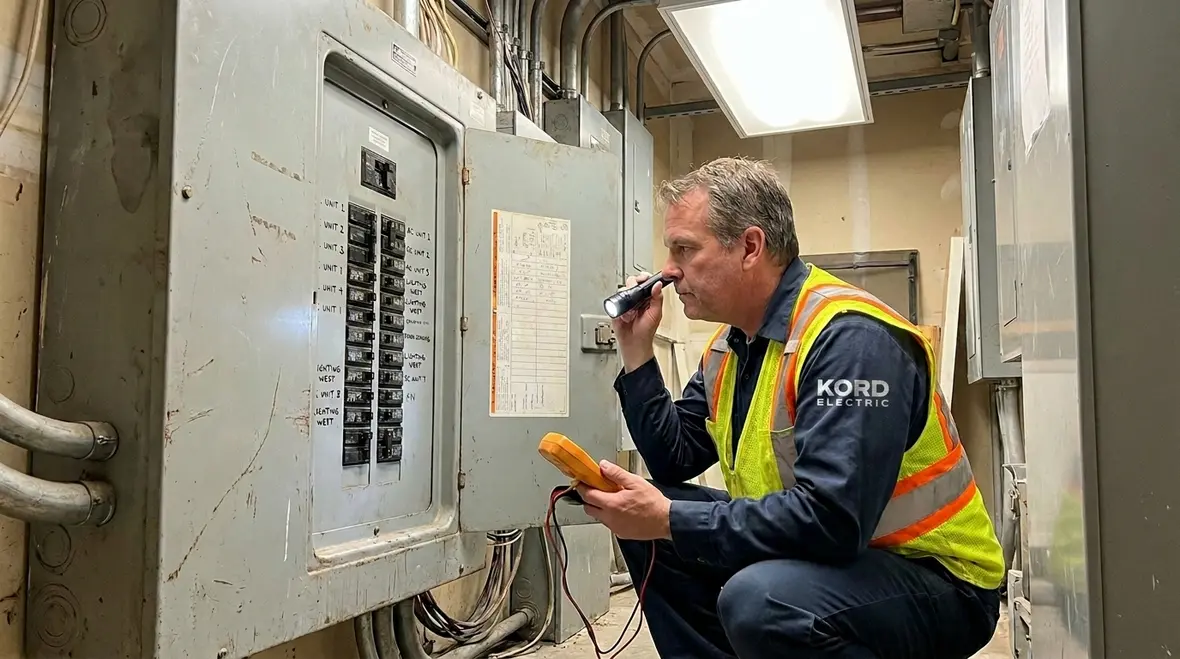
In large buildings, failures rarely come out of nowhere. First, aged components drift out of their safe operating range. Then, maintenance gaps let minor issues grow into major faults. After that, poor labeling or unclear response steps slow down everyone, even good teams. Meanwhile, temporary equipment, weather events, and overloaded circuits add stress. In our experience, the “mystery” behind an outage usually has a paper trail: weak documentation, skipped inspections, or protective devices that never got tuned after changes to the facility.
Our technicians and expert service staff explain the pattern in plain terms during walkthroughs, because people should not guess when the system needs action. We also help teams understand how to read warning signs early, like nuisance trips, breaker wear, heat discoloration, and repeated alarms. If you have ever watched a movie where the hero says, “We will improvise,” you already know how that ends. Real facilities deserve better writing.
If your building is already seeing unexplained breaker trips, uneven voltage, or intermittent equipment resets, pairing an emergency plan with a structured electrical preventive maintenance program can help uncover deeper issues before the next outage. Kord Electric walks through this connection in detail in their resources on hidden electrical risks in commercial buildings and commercial and industrial electrical maintenance plans, both of which reinforce how everyday conditions quietly set the stage for emergency moments.
Map the Risks, Then Match Them to Your Power Plan
To build resilience, we start by matching hazards to electrical behavior. For commercial and industrial facilities, that means looking at load types, critical processes, and downtime tolerance. Hospitals, data centers, food plants, warehouses, and office campuses each need different priorities, even if they share the same voltage level. Therefore, we help teams identify what must stay on, what can cycle, and what can shut down to protect life safety and equipment.
Next, we review how power flows through your site. We focus on switchgear, panel boards, transfer switches, UPS systems, generators, ATS devices, and grounding. Then we build a response structure that ties those components to actions. For example, if a feeder shows signs of damage, you should not respond by powering everything back “just to see.” Instead, trained personnel isolate the affected section, verify safe conditions, and restore service using the right sequence.
Our expert service staff often tells clients the same thing: the most resilient companies practice decision-making, not just replacement. When they already know the plan, they execute faster under pressure. That plan connects directly to real-world priorities like life safety systems, critical production lines, data integrity, and tenant comfort, so decisions during an event protect what matters most instead of trying to keep everything running at once.
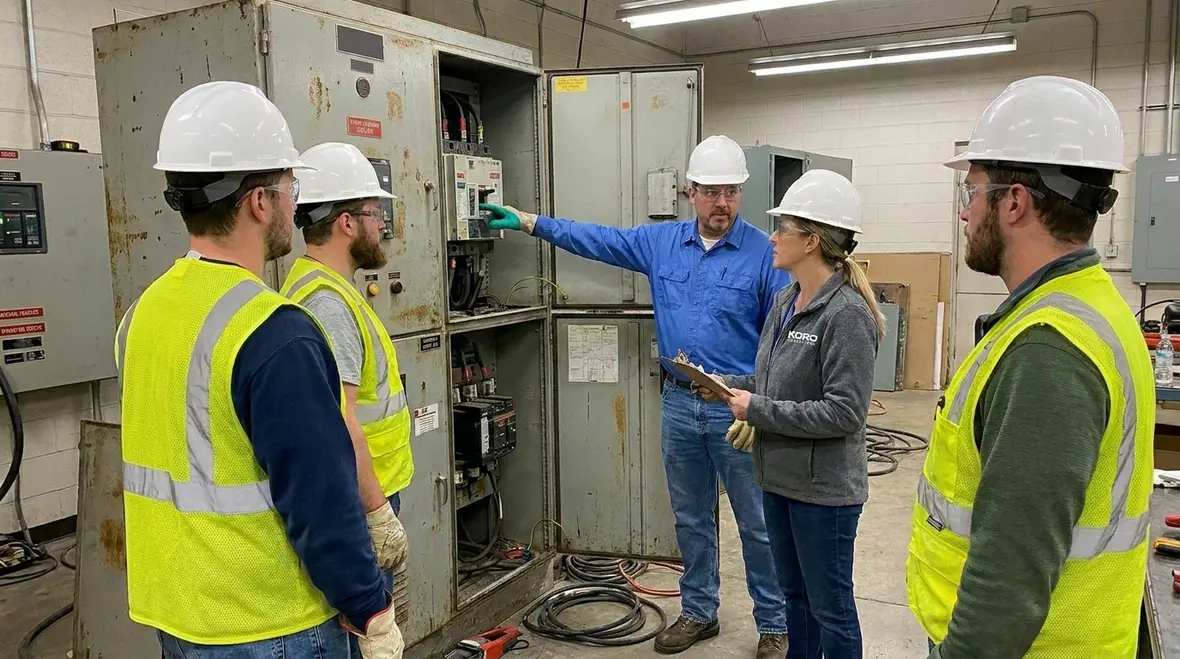
Aligning risk mapping with everyday operations
Effective facility electrical emergency preparedness does not live in a binder that no one opens. It shows up in how teams plan maintenance windows, approve tenant improvements, and schedule work that temporarily affects switchgear, panels, or transfer systems. When risk maps and one-line diagrams match reality, your team gains a much clearer picture of what an emergency could look like and how to respond without guesswork.
Hands-On Preparedness for Onsite Teams
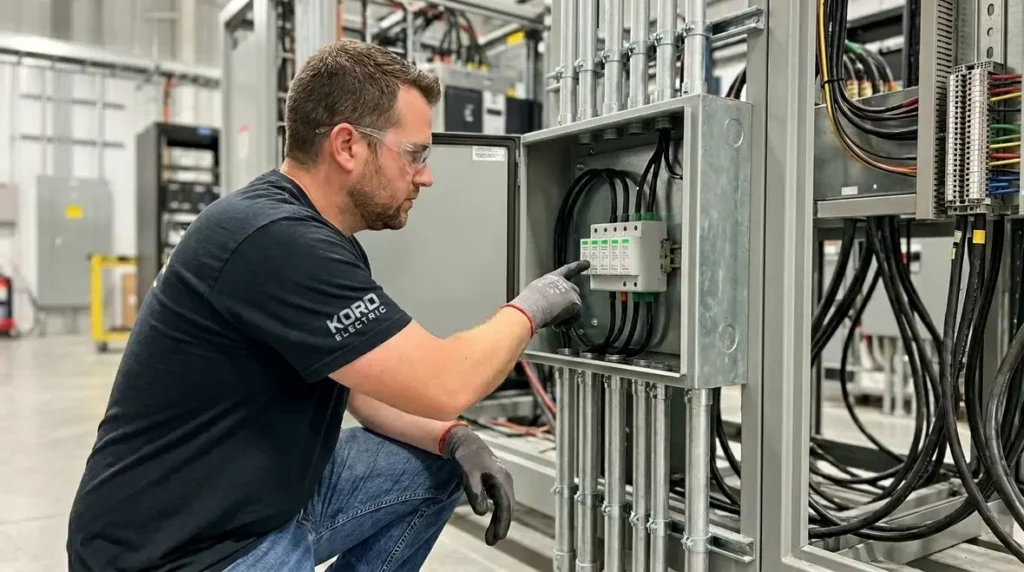
Facility resilience means people can act without hesitation. So we help facilities build training that matches their daily reality. Rather than generic lectures, we guide teams through real scenarios: a switchgear alarm, a generator failure to start, a feeder trip during shift change, a UPS runtime alarm, or an odor complaint linked to electrical heat. Then we show what to verify before someone flips a switch.
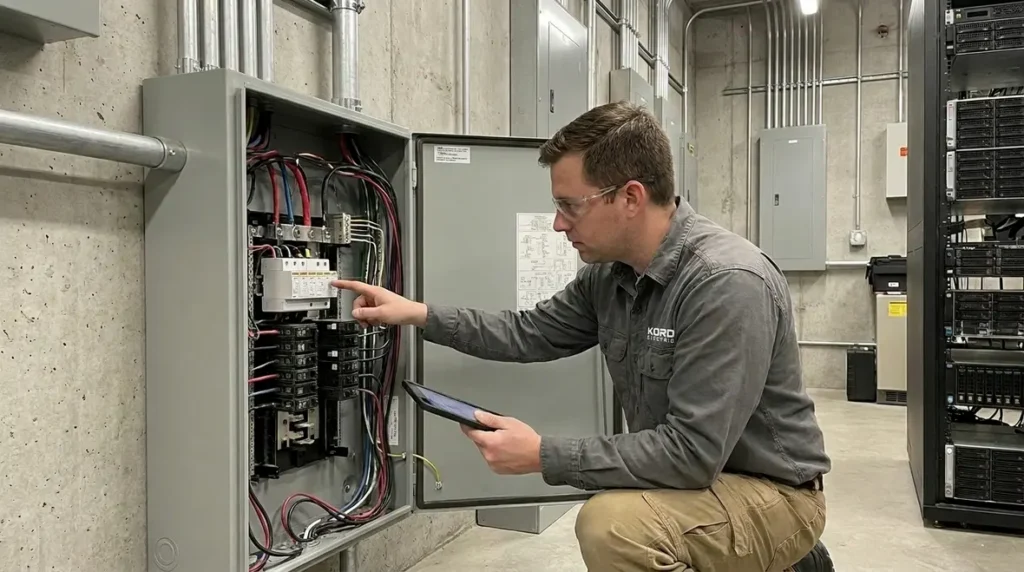
We also push for simple, repeatable routines. During training, our technicians walk through the “first checks” that reduce risk. That might include checking lockout and tagout status, verifying panel identification, confirming safe access, and locating the correct one-line diagram. After that, teams learn the difference between a fault and a symptom. Many problems look similar on day one, but their safe response differs.
And yes, we include a small amount of humor because stress makes people forget. If someone says, “I have this under control,” we gently ask if control includes the diagram, the labels, and the plan. Pop quiz energy, but with compassion.
Turning emergency procedures into muscle memory
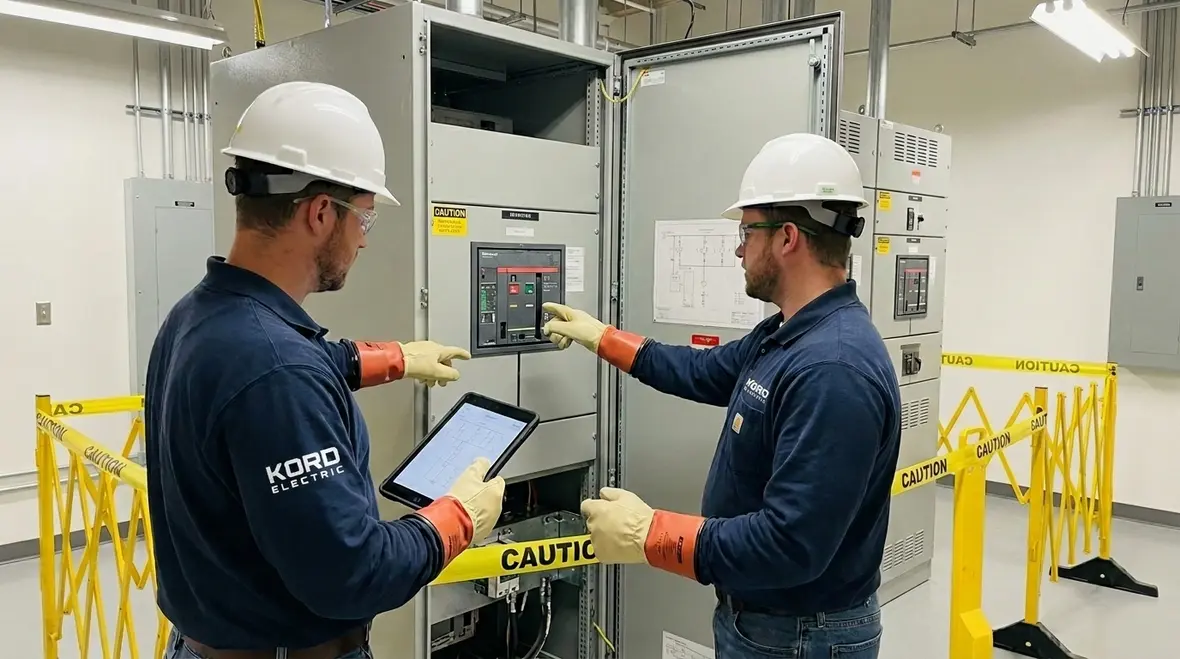
Practice should look and feel like the real thing. That means drills that involve standing in front of actual panels, reading real labeling, following the documented switching sequence, and communicating over the same radios or channels used every day. When teams have touched the equipment and walked through the scenarios in advance, the first real event feels like a repeat, not a debut. This is where facility electrical emergency preparedness stops being theory and becomes a practiced skill set.
Preventive Maintenance That Actually Reduces Emergency Calls
Preventive work should lower emergency risk, not just satisfy a calendar. We help commercial and industrial facilities focus on the components most likely to fail when conditions worsen. That includes inspections of terminations, torque verification, infrared checks for hot spots, breaker and contact condition testing, and verifying that protective devices coordinate correctly.
Additionally, resilience grows when facilities manage changes. New tenant loads, added refrigeration, electric vehicle charging, new process equipment, and HVAC upgrades can all reshape demand. Therefore, we assist with load reviews and electrical updates so your system does not drift into overload or create nuisance trips. If someone installs equipment without updating the electrical plan, the building may keep running until it suddenly does not. That is not a surprise; it is a predictable outcome.
We also make sure documentation stays current. When people can find the right labels and the correct operating sequence, they restore service faster. And when service teams know the history of a piece of gear, they waste less time troubleshooting. Less guessing means fewer mistakes. That is how you protect uptime and calm your teams.
For organizations formalizing this part of their facility electrical emergency preparedness plan, Kord Electric’s dedicated electrical preventive maintenance services outline how structured inspections, thermal imaging, and reporting support long-term reliability and fewer surprise shutdowns across commercial and industrial properties.
Design for Resilience: Switchgear, Backup Power, and Load Priorities
Even with strong maintenance, emergencies still happen. So we help facilities design systems that can ride through faults and recover with less disruption. For critical operations, the big idea is load priority. Instead of trying to keep everything running during instability, resilience requires choosing the right loads first. That prevents overload, protects sensitive equipment, and keeps the facility aligned to life safety goals.
From there, we focus on backup power behavior. Generators and transfer systems need more than “it starts.” They need correct sequencing, proper verification, and real testing under controlled conditions. Likewise, UPS systems must match runtime expectations for your facility’s needs. We recommend that facilities test under realistic conditions, document results, and adjust strategies when load profiles change.
Switchgear performance also matters. Our technicians help clients verify that protective coordination supports safe isolation. When a fault occurs, the correct device should act quickly and limit damage. That keeps more of the building operating and reduces repair time. In short, resilience comes from the right design choices plus the willingness to keep them validated over time.
Connecting design choices to emergency behavior
Every design decision shows up later in how an emergency feels. Clear electrical panel labeling, logical breaker groupings, and well-documented transfer sequences all shorten the path from “something just failed” to “we know exactly what to do next.” Kord Electric highlights this connection in their guidance on electrical panel labeling best practices, where fast, accurate response starts at the panel door long before an incident appears.
Incident Response Playbook That Works Under Pressure
When the event begins, time matters. The facility electrical emergency preparedness response must move from recognition to action without chaos. At Kord Electric, we support incident planning that teams can use immediately. We encourage a clear chain of communication, roles that do not overlap, and a checklist that guides staff through verification steps before restoration.
First, teams identify the problem area and confirm safety. Then they verify the system state using labels, diagrams, and instrument readings. Next, they decide what stays off, what returns first, and what needs expert support. After that, they record the event details. That log helps engineers, service teams, and leadership prevent the same failure from repeating.
Also, we emphasize coordination with contractors and emergency resources. Many commercial facilities have multiple vendors, and they do not always share the same assumptions. So our expert service staff helps facilities standardize procedures and communication expectations. That reduces friction when the clock is loud and the lights are quiet.
For facilities in Los Angeles County and surrounding areas, partnering with an experienced commercial contractor that already understands your infrastructure shortens that response time even further. Kord Electric’s dedicated Los Angeles County electrical services support both everyday operations and high-stakes emergency events, so your playbook always includes a trusted team on standby.
Two-Column Guide to Faster Decision-Making
When alarms sound or equipment drops offline, people need more than theory. They need a clear, simple way to connect what they are seeing to what they should do next. Use this quick-reference guide as a starting point for your own facility electrical emergency preparedness playbook, tailoring each line to your switchgear, panels, and operating procedures.
| Situation | Immediate Action |
| Switchgear alarm during occupied hours | Stop guesswork, confirm panel identification, verify safe access, then isolate the affected section based on the one-line diagram. |
| Nuisance breaker trips after facility changes | Review load additions, verify breaker settings, and check protective coordination before restoring service repeatedly. |
| Generator fails to start during test or outage | Confirm ATS position and fuel and control alarms, then follow the backup power troubleshooting checklist. |
| UPS runtime alarm during power instability | Prioritize critical loads, verify runtime estimates, then prepare for planned transfer or controlled shutdown. |
FAQ: Facility Electrical Emergency Preparedness for Commercial Properties
The right facility electrical emergency preparedness plan answers common questions before they arise. Use these FAQs as a starting framework, then adapt them to your building, your equipment, and your internal policies.
Emergency Readiness That Protects People and Uptime
Resilience is not a poster on the wall. It is a process your team can execute when power, heat, or faults show up. Kord Electric partners with commercial and industrial facilities to strengthen facility electrical emergency preparedness through practical training, preventive maintenance that targets real risks, and response plans your staff can use immediately. If you want fewer surprises and faster recovery, reach out to us for a site assessment and service plan review. We will help you build a calmer response, even when the rest of the world panics.
For many properties, the strongest results come from aligning everyday commercial services with your emergency strategy. That can include coordinated electrical preventive maintenance, voltage fluctuation diagnostics, emergency electrical services, and project work that modernizes panels, switchgear, and distribution paths. When those pieces work together, facility electrical emergency preparedness becomes part of your normal way of operating instead of a separate, dusty binder.
Whether you manage a single major property or a portfolio of sites, treating emergency readiness as an ongoing practice gives your teams confidence. Clear labeling, current documentation, realistic drills, and a trusted service partner keep the focus where it belongs: protecting people, equipment, and uptime when conditions are at their worst.