Commercial Subpanel Upgrades for Reliable Power
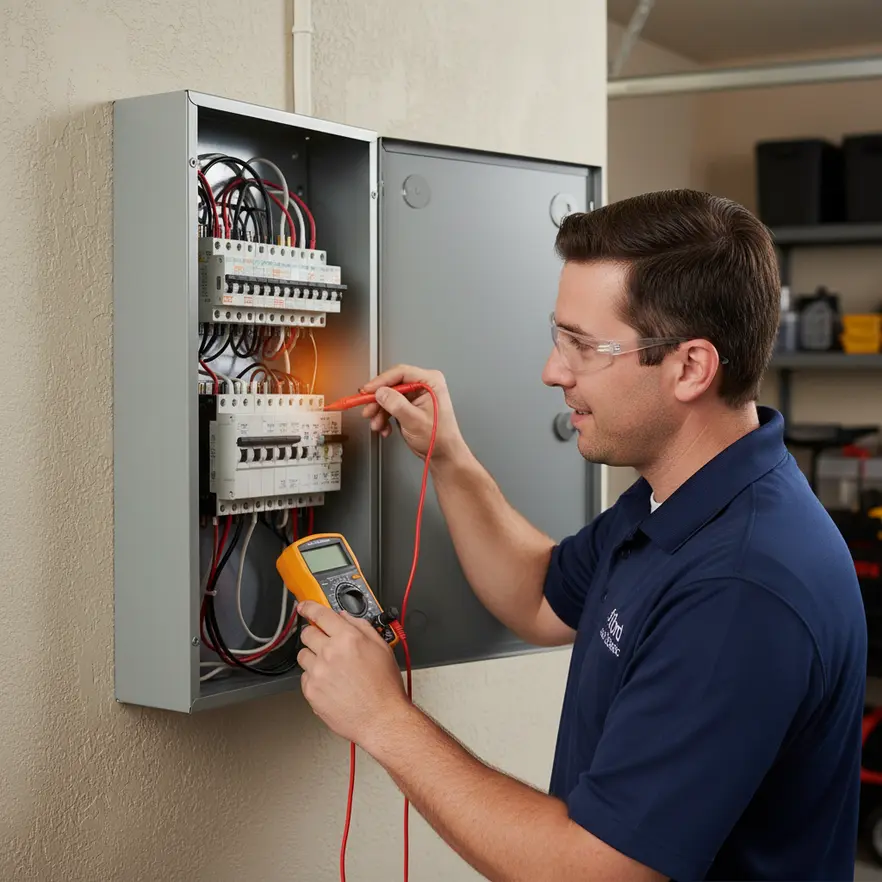
Kord Electric starts by treating a commercial subpanel like a system, not a box. First, we assess load groups so the panel upgrade actually matches what the building uses today and what it will use later. Next, our technicians map existing circuits, verify labeling, and correct any confusing wiring practices before we touch the hardware. Then we size breakers and conductors properly, plan cable routes to reduce voltage drop, and balance phases where it applies. Finally, we test under load and document everything for the facilities team, because nobody wants a mystery problem after the power has been “fixed.” Meanwhile, our expert service staff explains each step in plain language, so others on site understand what changed and why. After all, electrical work should not feel like trying to decode a streaming service password reset.
How commercial subpanel upgrades improve power distribution
In commercial and industrial facilities, power distribution has one main job: deliver the right electricity at the right quality, at the right time, to the right loads. When a building grows, equipment changes, or tenants shift demand, the original distribution plan can become outdated. Consequently, service panels may run hotter, voltage can sag, and nuisance trips can show up at the worst possible moments, like right before a big inspection or during peak operations.
Kord Electric focuses on commercial subpanel installation and upgrade strategies that reduce stress on the system. For example, when we create cleaner separation between critical loads and noncritical loads, the electrical board stops acting like a crowded elevator. Instead of everything sharing the same “space,” loads get their own paths. That improves reliability, and it makes future maintenance easier.
Planning the upgrade without guessing
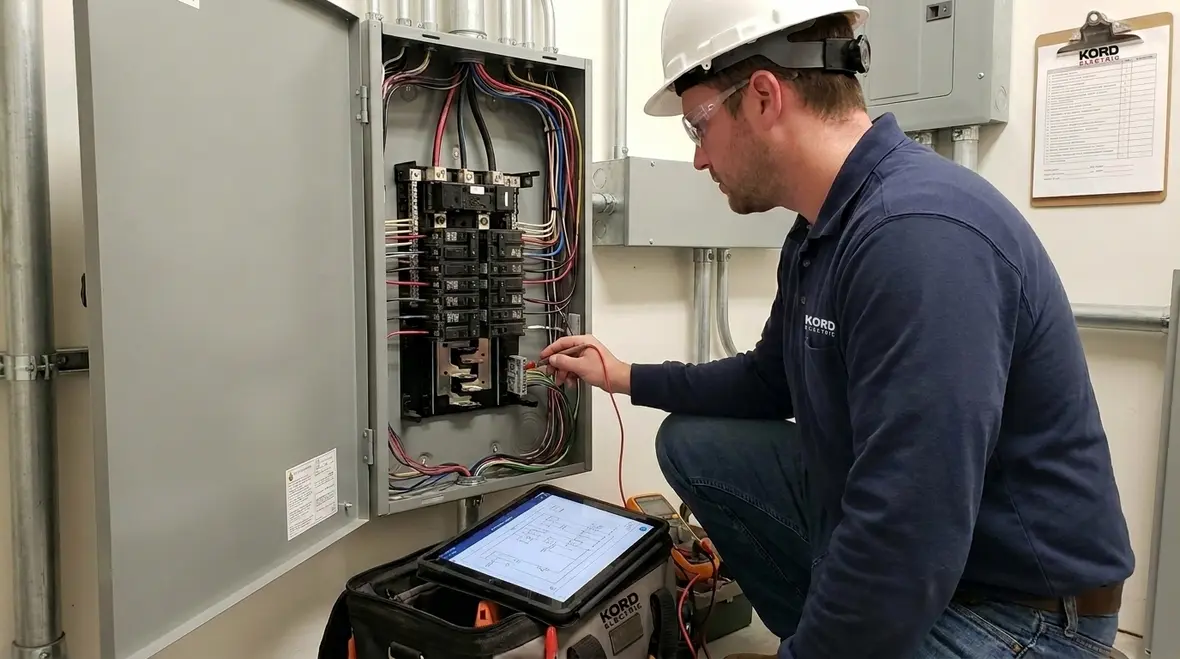
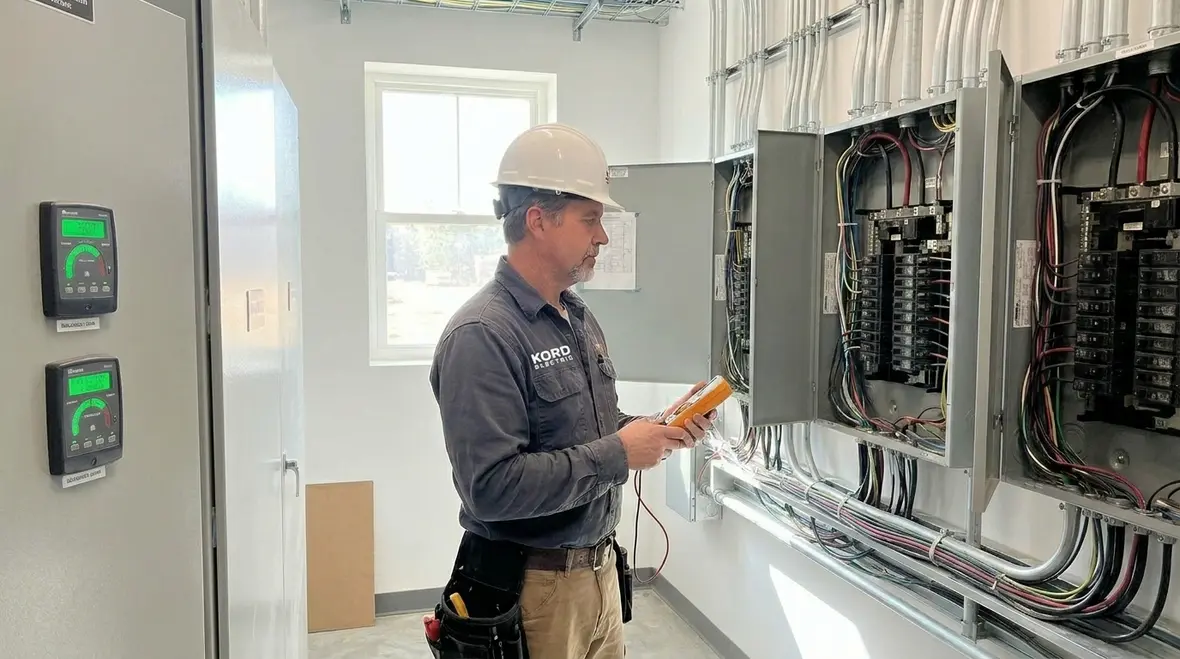
We do not rely on guesswork, because in major property buildings guessing costs real money and downtime. Our process starts with a load assessment. We review utility data, equipment schedules, and current breaker usage. Then our technicians verify circuit amperage, conductor size, and route lengths. From there, we identify which circuits need to move, which ones need tighter protection coordination, and which ones need better monitoring.
Next, our expert service staff explains the plan to the facilities manager and any on site electrical lead. They receive a clear map of what will be changed, what will stay, and what gets tested before and after. This step matters because approvals and scheduling drive success. Therefore, we coordinate with building operations to avoid peak disruption, and we stage work so power stability stays intact.
Load balancing, voltage drop, and heat control
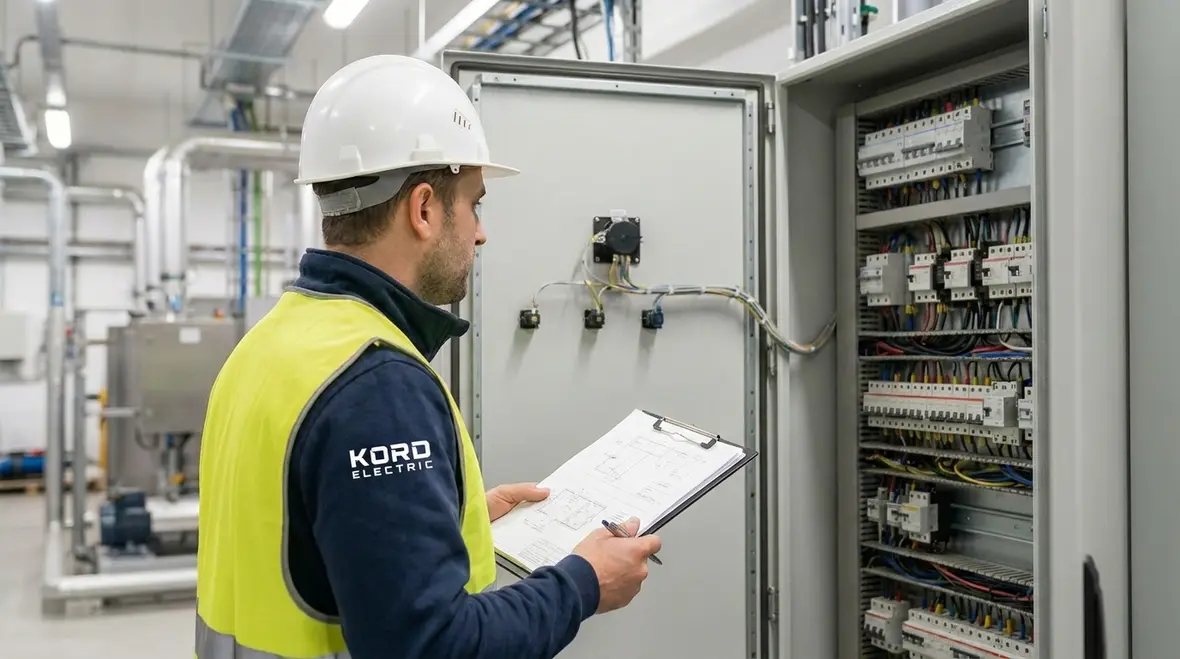
Once planning is solid, the real benefits show up in performance. When a subpanel upgrade is designed correctly, it improves phase balance, reduces voltage drop, and lowers heat at terminations. Those three factors often explain why equipment runs “fine” until it does not.
Here is what Kord Electric watches closely. First, we balance phases where the system supports it. Uneven loading makes one phase work harder, which can create hotspots even when the overall system looks acceptable on paper. Second, we evaluate conductor runs. Long cable routes can reduce voltage to downstream loads, which can cause motors to draw more current and drive further heating. Third, we pay attention to termination quality. Loose connections behave like a slow leak. They do not always fail right away, but they steadily wear down components.
Meanwhile, our technicians keep the work practical. We use proper torque specs, confirm connection quality, and check insulation condition. Then we verify breaker sizing and protective settings. After all, protection that is too sensitive causes outages, and protection that is too relaxed allows damage. We aim for the middle ground that keeps operations steady.
Upgrading breakers, bus bars, and panel labeling
A commercial subpanel installation is only “successful” when the building team can maintain it quickly. That means components must match the load. We also ensure the panel’s internal layout supports safe operation and future troubleshooting.
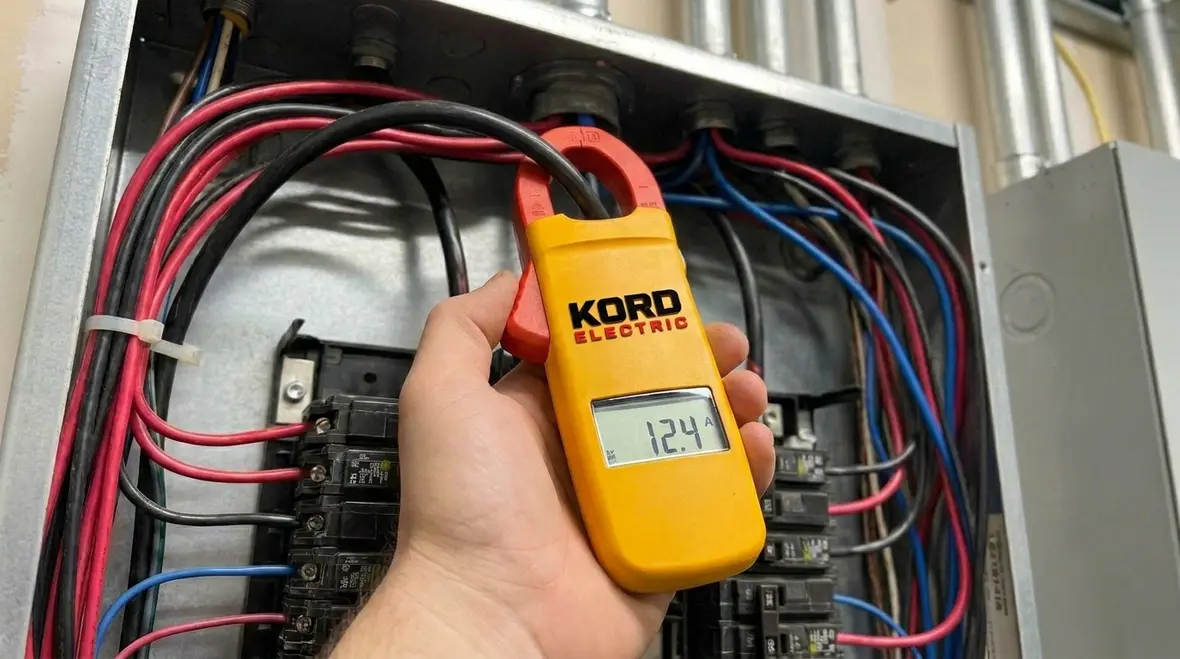
Kord Electric typically focuses on breaker and bus bar compatibility. We confirm ratings, interrupt capacity, and coordination with existing upstream protection. In addition, we update panel labeling so others do not have to play electrical detective. Clear labeling reduces downtime because maintenance staff can locate circuits fast and avoid accidental shutoffs.
We also check grounding and bonding practices. Proper bonding helps fault current travel where it should, which supports protective device action. Without it, the system can behave unpredictably during faults. And yes, our expert service staff explains these items without throwing jargon at anyone. They will tell you what matters, what changed, and what to monitor after the upgrade.
Safety checks and commissioning for real reliability
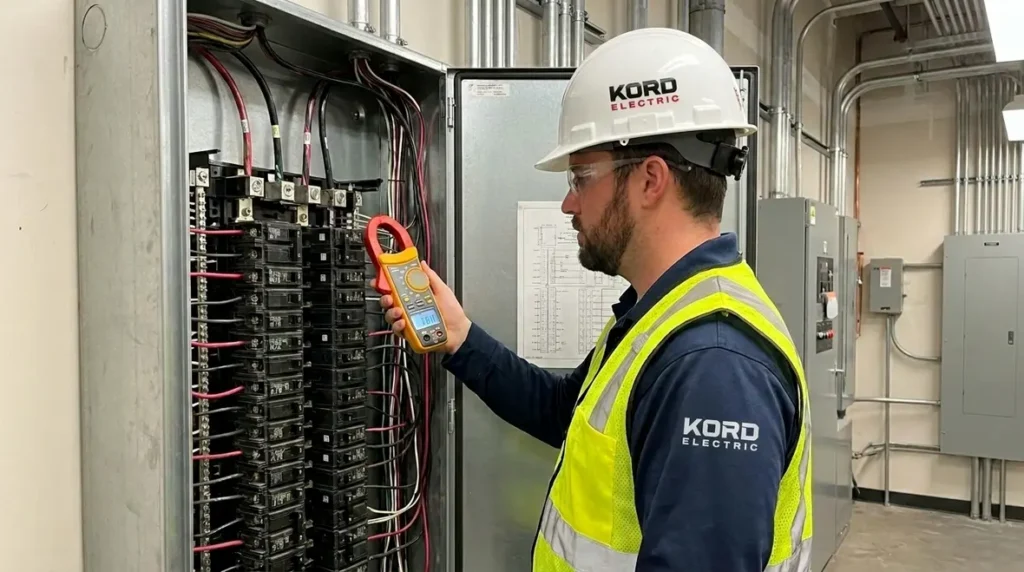
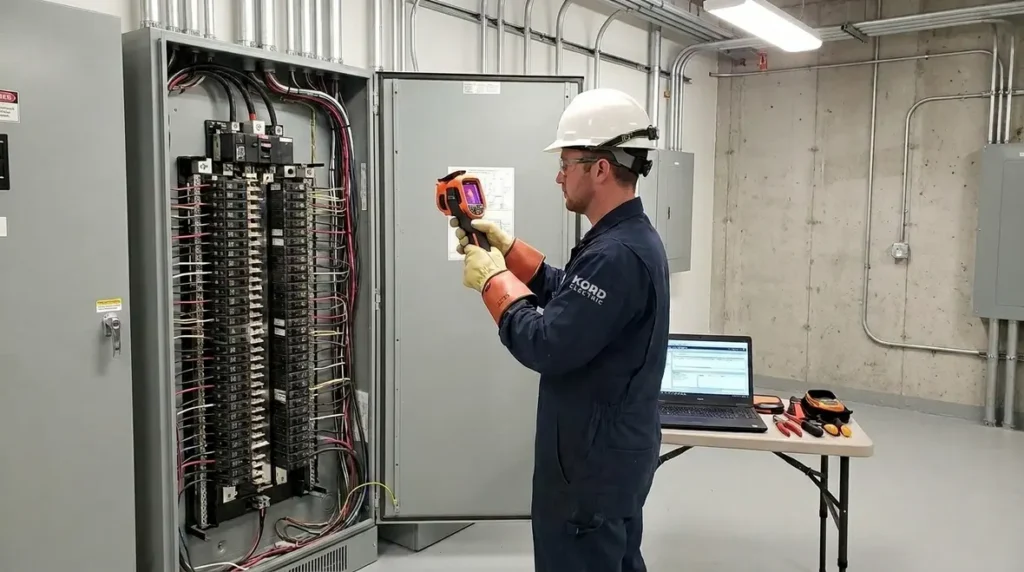
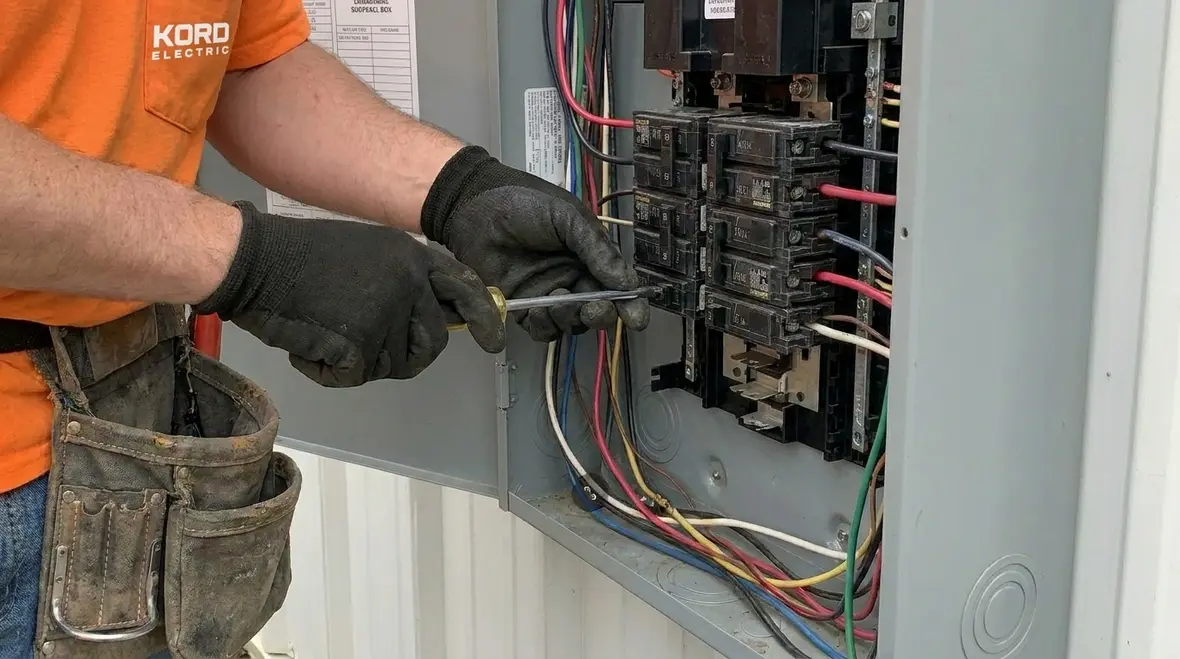
After hardware installation, the work shifts from “build” to “prove.” Kord Electric conducts safety checks, functional testing, and commissioning steps that confirm the system performs as intended. We verify insulation resistance where required, inspect connections, confirm phase rotation where it applies, and test protective device behavior to ensure correct operation.
Then we move into operational validation. If a building runs critical processes, we coordinate tests around the facility schedule. For example, we may verify motor circuit performance in a controlled window, check that transfers and interlocks behave correctly, and confirm that metering reads stable values. After that, we document results so the next technician is not starting from zero.
To make this easier for our clients, we provide clear reporting and explanation. Our technicians do not treat documentation like homework. We treat it like a map, because someone will need it later, and probably during a stressful hour when everyone is tired. That is when good records save the day.
Why facilities teams choose Kord Electric for commercial and industrial buildings
Commercial and industrial projects come with tight timelines, code requirements, and higher consequence when something goes wrong. Kord Electric works only in that lane, so we bring the right habits and experience for major property buildings. We understand that power upgrades impact production, comfort systems, security systems, and life safety components depending on the site layout.
Our service staff communicates early and keeps communication consistent. Therefore, clients usually know what is happening before anyone swings a wrench. We also coordinate with other contractors when the project includes related work like lighting retrofits, HVAC updates, or electrical room renovations. For facilities that want broader reliability support beyond subpanel work, many teams also lean on structured electrical preventive maintenance programs to keep upgraded systems running the way they were designed.
And when questions come up, we answer them directly. We explain why a circuit gets moved, how we decide where the load lands, and what the test results mean in plain terms. If facilities staff hear “it passed inspection,” they still want to know “what passed and how will we feel the difference.” We make sure they get that clarity.
FAQ
Take the next step with Kord Electric
If your facility’s electrical distribution feels strained, waiting usually makes the problem bigger and more expensive. Kord Electric helps commercial and industrial teams optimize power distribution with upgrades that reduce heat, balance loads, and improve reliability. We plan the work carefully, install and test with discipline, and then explain the results so your facilities staff can confidently maintain the system.
For operations across the region, especially those that depend on steady uptime, pairing targeted subpanel upgrades with broader Los Angeles County electrical services gives facilities a stronger foundation for long term reliability and compliance. That combination turns “patchwork fixes” into a planned strategy for how power moves through the building.
Contact us to schedule an assessment and upgrade plan for your building’s real operating needs. Whether you are untangling years of incremental changes or preparing for a new wave of equipment, Kord Electric will help you upgrade with purpose, not guesswork.