

Data Center Electrical Distribution for Uptime
At Kord Electric, we optimize data center electrical distribution design to help commercial and industrial facilities run with calm, steady power and fewer interruptions. In our approach, we design the electrical path like a well tuned workflow: power arrives with control, transfers stay fast, and critical loads get protected through smart routing, isolation, and maintenance friendly layouts. Our expert service staff explains every major decision in plain language, and that matters, because nobody wants a “trust us” plan when uptime is the business goal. If power reliability were a movie, Kord Electric would bring the director’s cut, not the outtakes. And yes, we do treat downtime like it costs real money, because it does.
How do we build electrical distribution for maximum uptime?
We start with a simple truth: uptime depends on how well the power system handles both expected wear and unexpected events. So, first we map the full load profile, growth plans, and the real operational needs of the facility. Then we shape the distribution model to reduce single points of failure and to keep the system maintainable while the data center stays active.
Next, our technicians focus on selectivity and coordination. In other words, when something goes wrong, the protection devices should trip only the faulty portion, not the whole building. This is how a facility avoids the classic “one small problem knocks out everything” scenario, which is funny only in memes and not in server rooms.
To move from concept to buildable design, we also account for wiring layout, panel schedules, transformer strategy, and bus configuration. Furthermore, we model how loads behave during normal operation and during transfer events, so the system stays within safe limits. Finally, we validate with practical assumptions, not optimistic guesswork.
What power redundancy strategy actually improves reliability?
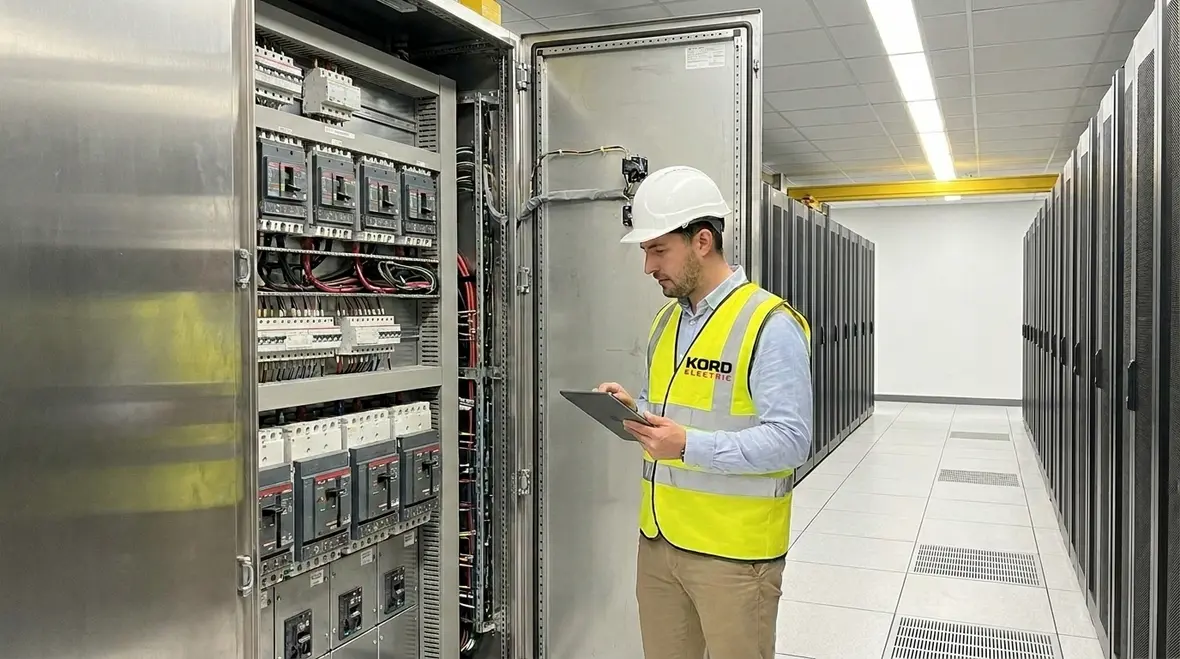
Redundancy is not just adding more equipment. It is matching the redundancy method to how the facility runs. For commercial and industrial data centers and major property buildings, we often recommend a tiered plan that includes multiple sources of power, well defined transfer logic, and protected pathways that keep critical loads alive during switching.
Our expert service staff typically explains the difference between “backup that helps” and “backup that works under stress.” For example, we help owners understand that redundancy must include proper bypass capability and transfer timing. Otherwise, you can end up with redundant gear that is technically present but operationally awkward. And awkward power behavior is still downtime, even if it came from a fancy brand.
We also design for balanced loading across parallel paths, so one feeder does not carry the load while the others stay underused. This balancing reduces hidden overheating and helps protection settings stay stable. Moreover, we plan for predictable maintenance, so switching and isolation do not require heroic effort from technicians.
Which distribution components must be tuned for stability?
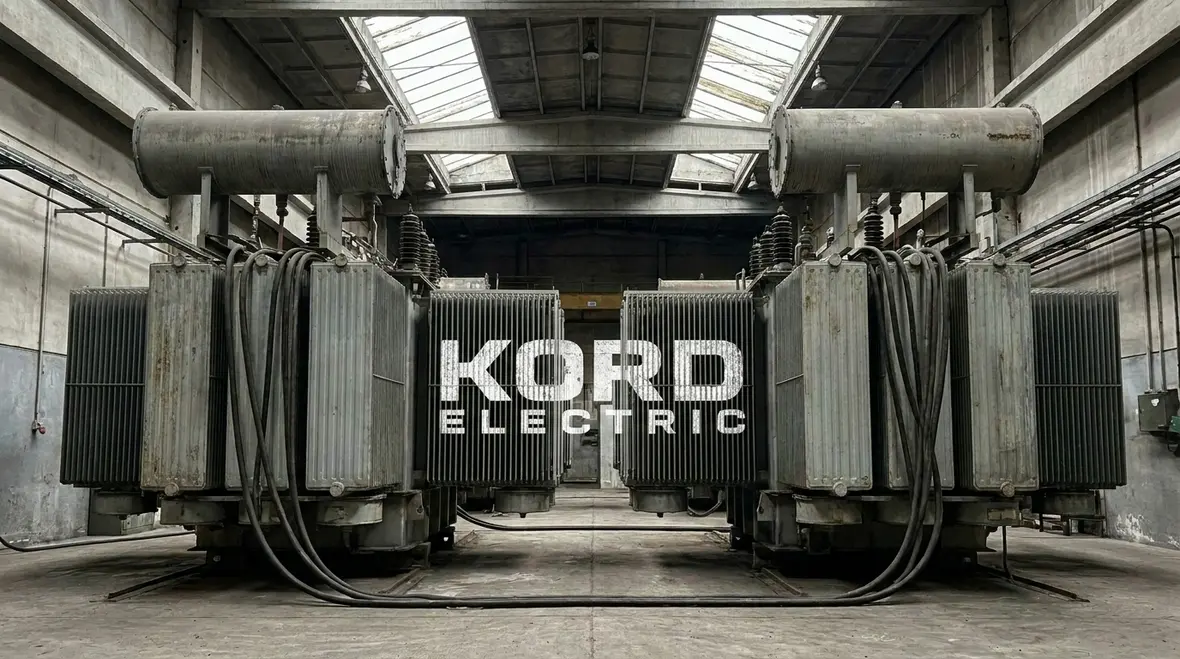
In a healthy electrical system, the building does not “guess” during transitions. It responds. Therefore, we tune the key components that shape how power moves and how faults get handled. This includes switchgear, protective devices, bus systems, transformers, and transfer equipment. Each piece needs the right settings and the right coordination with the rest of the system.
Our technicians often start with switchgear strategy and fault current assumptions. Then they verify that protective devices operate in the intended sequence. After that, they review transformer sizing, impedance, and how the system behaves under load steps. This step matters because power systems can feel stable at steady state, yet stumble during sudden changes when real IT loads ramp up.
We also pay attention to monitoring. Sensors and metering provide the early warnings that prevent “surprise failures.” When teams can see temperature rise, phase imbalance, or unusual load patterns, they act before the system hits a breaking point. Also, we help facilities set up alarms with clear thresholds, so maintenance teams do not get flooded with noise that trains them to ignore alerts.

How do we design maintenance and fault response so uptime stays high?
Maintenance is a certainty. Failures are a probability. So we design electrical distribution with a maintenance mindset that reduces risk during outages. We prioritize safe isolation, clear labeling, and workflows that let technicians service equipment without taking down the entire facility.
We often build in separation so a technician can isolate a breaker, a bus section, or a distribution segment while keeping other critical loads supported. In addition, we create a fault response plan that matches the protection design. That means the electrical drawings and the operational plan agree, so teams know what happens when a device trips.
Here is where our expert service staff earns their keep. They explain procedures in a step by step way, including who does what, what signals to watch, and how to confirm system health after maintenance. This reduces confusion during stressful moments, and it keeps response time from turning into a guessing game.
And if you are thinking, “Yes, but will teams actually follow the plan?” we answer with training and practical documentation, not a binder that only shows up during inspections. We work with the facility team to ensure the plan fits real schedules and real staffing.
How does load management protect the distribution system?
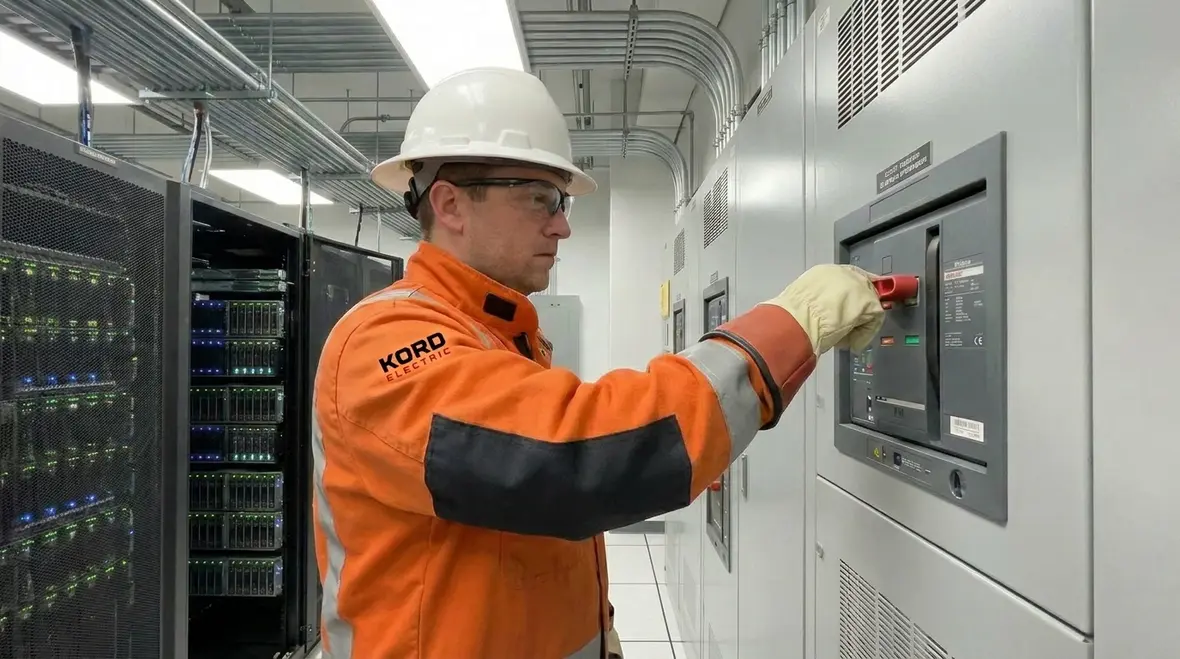
Load management is not just an IT concern. It directly affects the electrical system. We help commercial and industrial facilities plan for the loads that matter most, including critical power draw, cooling related loads, and equipment that runs continuously. Then we design distribution capacity with room for realistic growth, so the facility does not outgrow the system in six months and pretend it is fine.
We also review how power gets distributed across different zones. When loads stay grouped logically, distribution stays predictable. Additionally, we check for imbalances that can strain equipment. If one phase carries more current, components can heat up faster and protection can behave differently under fault conditions.
To keep operations smooth, we coordinate distribution design with commissioning and testing. We verify load balance, measure voltage levels at key points, and ensure that protective device behavior matches the intended sequence. This step reduces the chance that “it tested okay on paper” turns into a problem once real power patterns show up.
In short, when we manage loads well, we keep both the system and the people calm. And calm is underrated when uptime is on the line.
For teams that want to go deeper into the foundation behind this approach, our related guide on data center electrical infrastructure essentials walks through how core systems, redundancy, and protection work together to support uptime across large facilities.
Why does power quality matter more than many teams realize?
Even when power stays “on,” power quality can still threaten uptime. Voltage sags, harmonics, and frequent transients can stress equipment, trigger nuisance alarms, and shorten component life. Therefore, we design for quality by understanding the equipment mix and the expected electrical behavior across the distribution network.
Our teams evaluate sources of non linear load, such as modern power supplies and variable systems. Then we plan the distribution approach so harmonics remain controlled and do not drift into problematic levels. We also review grounding and bonding details because they influence stability during faults and switching events.
Furthermore, we build the design to support clean monitoring, so facilities detect changes early. If power quality shifts, teams can investigate before it creates a shutdown. This approach turns power quality from a vague risk into a measurable operating condition.
And yes, while IT teams chase latency, electrical teams chase stability. Both matter. If either one breaks, the business still feels it. Power quality is the quiet part of uptime that nobody claps for, but everyone regrets when it goes wrong. For facilities already battling nuisance trips or unstable voltage, our dedicated resource on voltage fluctuations in commercial and industrial facilities shows how targeted corrections can restore stability and protect sensitive infrastructure.
Case style process: how Kord Electric executes design through commissioning
Kord Electric serves commercial and industrial facilities and major property buildings, and we treat the full lifecycle as part of the reliability story. We begin with intake meetings focused on operational goals, equipment lists, and timeline realities. After that, we develop electrical distribution design that supports maintainability, protection coordination, and redundancy strategy.
Then we review drawings with the facility team and coordinate with other disciplines that influence power use. Next, we support testing and commissioning to confirm that the installed system matches the design intent. During commissioning, our technicians validate protective coordination, check metering accuracy, and confirm that the transfer behavior aligns with the operational plan.
Finally, we help with handoff. We provide training and clear documentation, and our expert service staff explains the system layout, key operating modes, and what to watch during routine checks. Because when teams understand what they are looking at, they respond faster and they make fewer mistakes.
For many organizations, this design-through-commissioning process fits naturally alongside structured electrical preventive maintenance programs, which help keep distribution equipment, protection settings, and monitoring tools aligned long after the initial project is complete.
FAQ
Conclusion
If a data center electrical system is built like a black box, uptime becomes luck. Kord Electric builds it like a reliable workflow. We engineer data center electrical distribution design for commercial and industrial facilities and major property buildings, then we support commissioning and clear operating guidance. Our technicians and expert service staff explain the system step by step, so your team can respond fast and keep critical loads supported. Reach out to us today for a reliability focused power review and next step plan.
When you are ready to move from piecemeal fixes to a structured reliability strategy, our dedicated electrical preventive maintenance services for commercial and industrial facilities can complement new data center electrical distribution design or tune existing infrastructure for better uptime.


