Data Center for Mining Electrical Design Power Requirements and Redundancy
Designing a Data Center for Mining Power Needs and Keeping Redundancy Solid
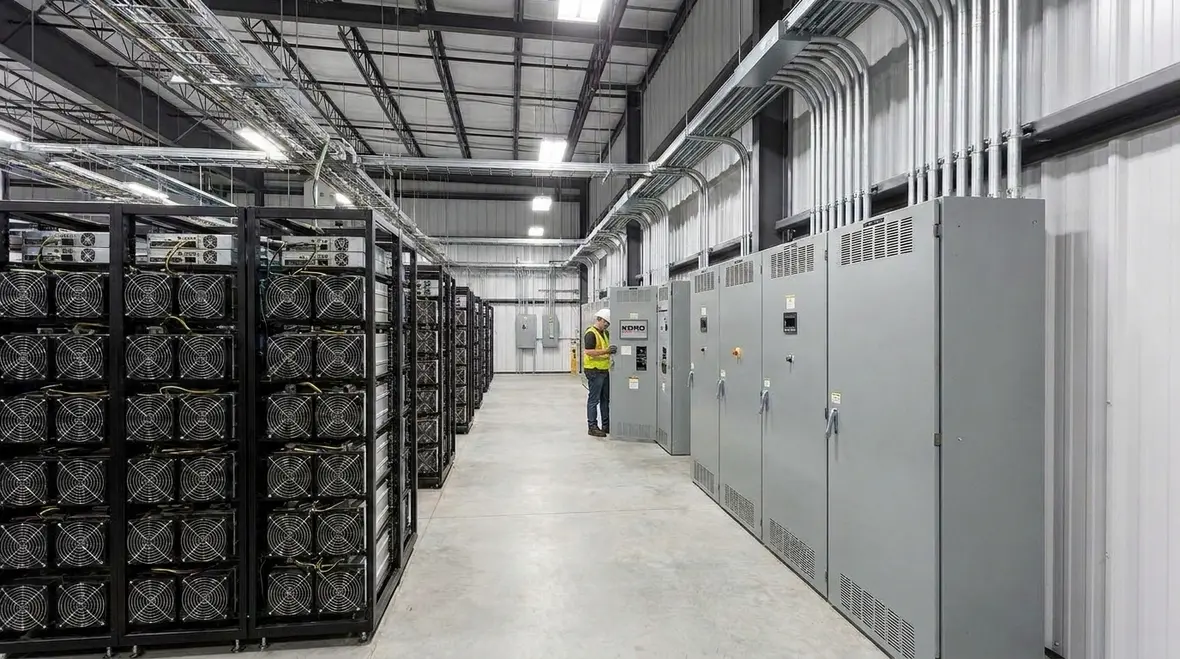
In a Data Center for Mining Electrical Design: Power Requirements & Redundancy approach, we start with one clear goal: keep critical compute running, even when the real world misbehaves. Mining loads can spike, power quality can wobble, and utility events can show up like surprise plot twists. That is why our team at Kord Electric plans power delivery with both capacity and protection in mind. We design for the mining gear, yes, but we also design for the humans who must maintain it, the switchgear that must live for years, and the cooling systems that can not be left in the dark. Then we move forward with reliability steps that help commercial and industrial facilities and major property buildings protect uptime without turning every maintenance event into a drama.
How we map a mining data center electrical load from real use
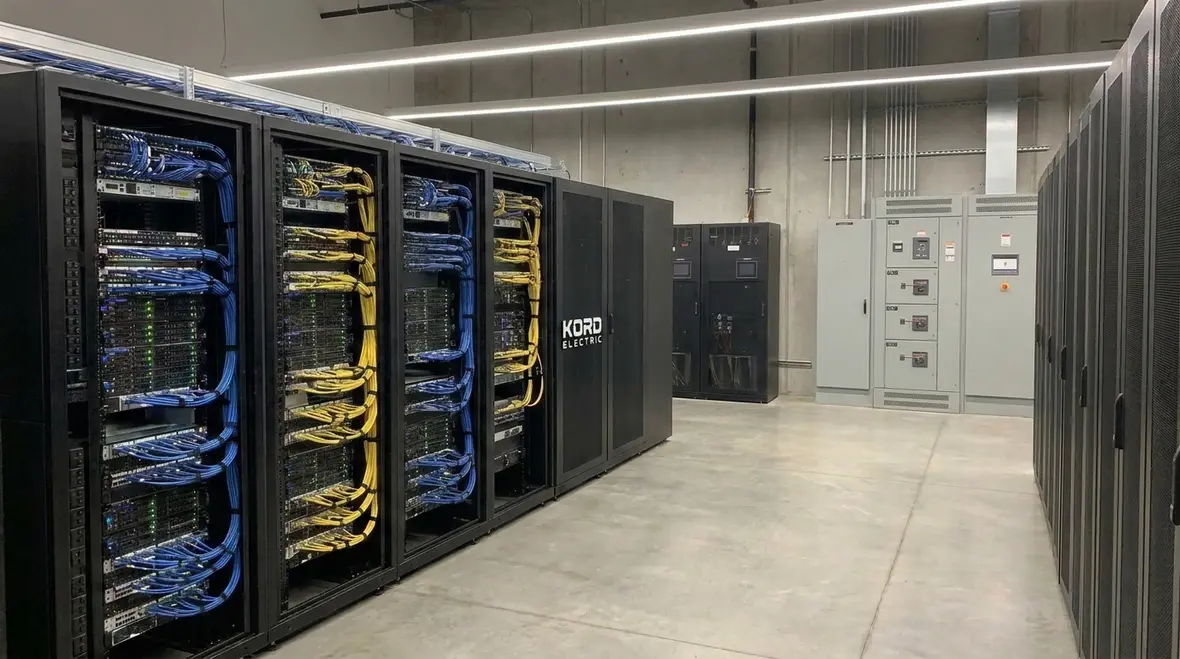
To build an electrical system that performs under pressure, we first document the actual power profile. Others often guess. We do not. We ask operators what their equipment draws at full load, what their ramp looks like during scale ups, and how often they swap racks, add miners, or change power modes. Then we model the load in a way that respects the basics: steady draw, start up inrush, and the difference between nameplate power and what the facility will see over time.
Next, our technicians and expert service staff explain the results in plain terms. They walk stakeholders through why a “simple” generator plan fails when the system expects a certain voltage window and frequency response. In other words, we help people understand the tradeoffs before the switchgear ever gets installed. That saves time and it prevents costly surprises later, like buying a season pass for a show you have not watched yet.
We also plan the distribution zones so power runs in logical paths. As a result, electricians can trace circuits quickly, maintenance crews can isolate faults safely, and the owner can expand without rewiring the entire building.
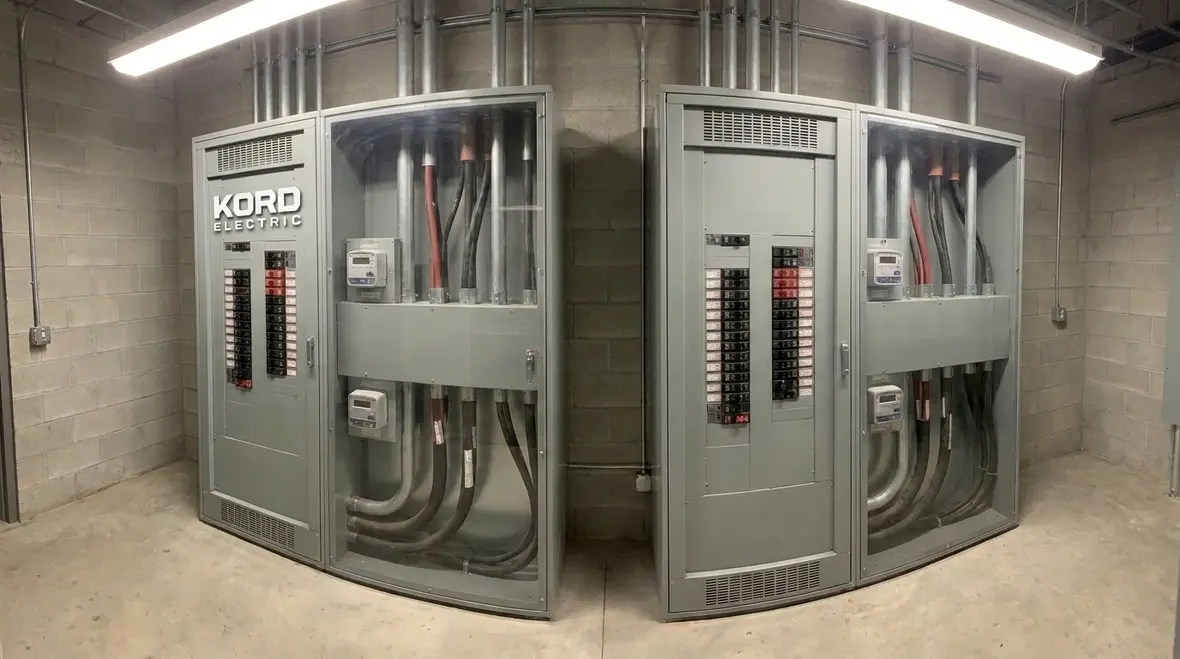
What redundancy actually means in a mining-ready electrical design
Redundancy is not a buzzword in our work. In Data Center for Mining Electrical Design: Power Requirements & Redundancy, it becomes a set of deliberate choices tied to risk. We define what must never stop, what can pause for short transitions, and what can be restored with a brief outage. From there, we select an architecture that matches the facility goals and budget reality.
For example, we commonly design with multiple utility feeds where available, and we use automatic transfer switching to keep the power path ready. We then coordinate backup power so the transition does not collapse critical loads. This includes generator sizing, switch settings, and load shedding logic where needed. If a system can not carry all loads during a transfer, we program a safe sequence so essential services stay online.
Furthermore, we treat protective devices as part of the redundancy plan, not as afterthoughts. When protections coordinate correctly, a fault does not spread. That means one failing component does not take down entire sections of the electrical distribution. It is like good crowd control at a concert. You keep one bad moment from turning into a full scale evacuation.
Electrical distribution design for reliability in commercial buildings
Once the load and redundancy targets are clear, we design the distribution system to stay stable under load changes. We focus on voltage regulation, fault current behavior, and the way energy moves through busways, switchboards, transformers, and panels. Even when the facility runs smoothly, components age. So we specify equipment with enough margin for real operating conditions, not just a spreadsheet.
To reduce risk, we build in operational flexibility. We split critical systems into sections so service can occur without full shutdown. Then we place metering and monitoring at the right points, so operators see issues early rather than after equipment trips. Our approach also supports common commercial maintenance workflows, which matters for major property buildings where downtime can ripple across tenants.
In the blog resource from Kord Electric, we break down electrical distribution design concepts that support reliability. We use those ideas to guide practical decisions such as how to arrange feeders, how to handle selective coordination, and how to plan distribution so faults isolate fast. The goal stays steady: protect uptime while keeping installation and maintenance clean and predictable. For a deeper dive on this topic, you can explore our dedicated guide on data center electrical distribution design for reliability and see how we apply those principles across commercial sites.
And yes, we keep it business casual in the field. We explain what is happening, we do not hide behind jargon, and we make sure the documentation matches the installed reality. If a diagram looks one way and a conduit run looks another, our technicians treat it like a red flag, not a “close enough” moment.
Power quality, grounding, and protection that do not fail when stressed
Mining electrical loads can expose weaknesses in power quality. Harmonics, transients, and load steps can strain components and lead to nuisance trips. Therefore, we design grounding and bonding with care, coordinate protective devices, and address power quality so the system remains stable.
We also plan for short circuit and arc flash realities. Protection coordination helps ensure that when a fault occurs, the right device clears it quickly and safely. We size equipment based on expected fault currents and thermal limits, then we verify settings. When protections behave as intended, the facility avoids cascading shutdowns that can be expensive and disruptive.
Grounding and bonding play a big part here. A proper system reduces noise, supports stable voltage, and improves fault clearing. Additionally, we pay attention to surge protection and transient control, because even well-run utility systems can deliver spikes. When we cover those points, we protect both power electronics and the rest of the facility infrastructure.
Our expert service staff also explains these choices after installation. They walk through what alarms mean, which indicators matter first, and how to respond. That kind of training matters for commercial and industrial operators, because troubleshooting should not feel like solving a mystery novel without a clue.
Maintenance planning, testing, and commissioning that support long uptime
Design is only half the job. The other half is making sure the system performs as designed. So we develop commissioning steps that verify the electrical distribution behaves correctly under real conditions. We test protective coordination, verify transfer logic, and check metering accuracy. Then we document results clearly so the owner does not inherit confusion.
We also plan for ongoing maintenance that aligns with major property building schedules. Service teams need a practical path to isolate sections, inspect equipment, and test safety functions without shutting down the whole operation. Our distribution design supports that by using clear labeling, accessible components, and logical isolation points.
At this stage, our technicians play a direct role. They run tests, inspect workmanship, and help confirm the installed system matches the design intent. Then they explain findings to stakeholders in straightforward terms. If something needs correction, they do it early, not after a critical event.
And look, nobody enjoys commissioning week. But we treat it like the final rehearsal before opening night, so the facility does not go on stage and forget its lines.
Scalable expansion without major rebuilds
Most mining operations grow. Sometimes growth feels planned. Other times it feels like growth shows up uninvited, like a pop-up ad you did not ask for. Either way, the electrical system must support expansion with minimal downtime and controlled risk.
We design with capacity strategy in mind. That can mean spare breaker positions, headroom in transformers, and feeder planning that anticipates future racks. We also consider how cooling and power delivery work together, so electrical upgrades do not cause new bottlenecks.
Crucially, we coordinate expansion with redundancy goals. If the facility adds load, we ensure protections still coordinate and the redundancy plan remains intact. We do not build a “good enough for today” system that becomes fragile tomorrow.
By planning for staged upgrades, we keep the electrical backbone ready for the next phase. In major property buildings, this approach also helps reduce disruption across shared infrastructure, because tenants and operations often share the same building systems.
FAQ for mining data center electrical reliability
Ready for a mining electrical design that stays reliable
If you are planning or upgrading a commercial or industrial mining data center, Kord Electric can help you design a power system built for real uptime. We map loads, set redundancy goals, coordinate protection, and commission the work so your team can operate with confidence. Our technicians and expert service staff explain what matters and why, so maintenance stays calm instead of chaotic. Reach out to us now, and let us build an electrical plan that supports growth and protects critical assets.
If your facility is located in Southern California and you need a partner who understands both data center power and broader commercial infrastructure, explore our Los Angeles County electrical services to see how we integrate distribution design, redundancy planning, and long-term maintenance under one roof.
Whether you are coordinating a new mining hall or upgrading an existing site, our team can tie your Data Center for Mining Electrical Design: Power Requirements & Redundancy plan into a larger strategy that covers emergency power, documentation, and future-ready distribution. The result is a mining data center that behaves like a stable utility platform, not a collection of fragile circuits hoping the next surge skips your building.