Data Center Lighting for Server Maintenance and Electrical Safety
Data Center Lighting for Server Maintenance & Electrical Safety starts with something simple: people can only work safely when they can see clearly. At Kord Electric, we design lighting plans that help technicians spot hazards, read labels, and reach panels without guesswork. Even the best electricians can trip over a “mystery corner,” so we reduce shadows, improve task visibility, and support electrical safety standards. Then, we back it up with practical service support from our technicians and expert service staff, who explain what they find and why it matters. When lights are wrong, downtime grows. When lights are right, maintenance becomes calm, controlled, and professional. And yes, it helps prevent that classic moment where someone says, “I swear it was here yesterday.”
Lighting that makes maintenance safer and faster
Commercial and industrial facilities depend on uptime, and data centers are no exception. However, visibility failures cause real risk. For example, dim lighting can hide floor marks, obscure cable labels, and make it harder to verify that a panel cover is fully seated. As a result, technicians may spend extra time confirming details, and that time adds up during planned work windows.
At Kord Electric, we focus on lighting layouts that match how maintenance actually happens. Instead of treating lights like background decoration, we treat them as part of the job. We plan illumination around racks, cable pathways, service aisles, and electrical rooms so technicians can see what matters. In addition, we help reduce glare that can cause eye strain, especially during long inspection cycles.
Next, we consider emergency readiness. When the main lighting fails, backup lighting should take over without drama. Therefore, we recommend emergency systems that support safe egress and allow electrical tasks to continue long enough to prevent rushed decisions.
How we follow a maintenance checklist mindset
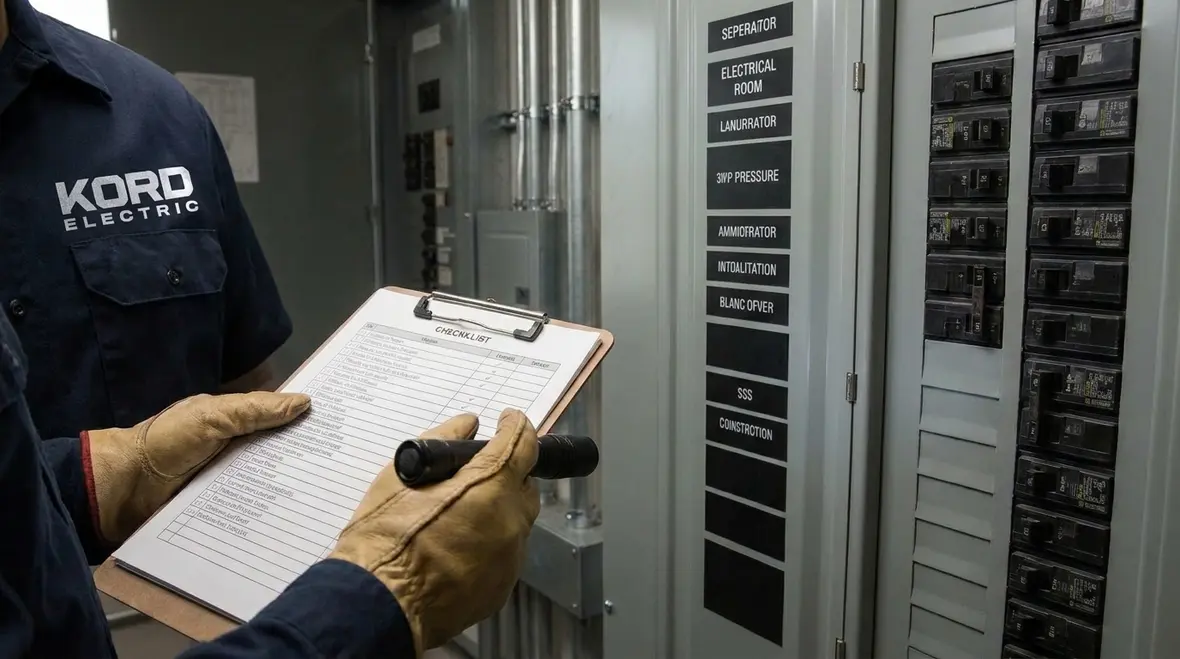
In the data center world, details drive reliability. Our approach is aligned with the mindset in our data center electrical maintenance checklist guidance, where we treat maintenance like a repeatable process, not a “good luck” exercise. To keep things clear, we build our lighting recommendations around what technicians check and what they need to see.
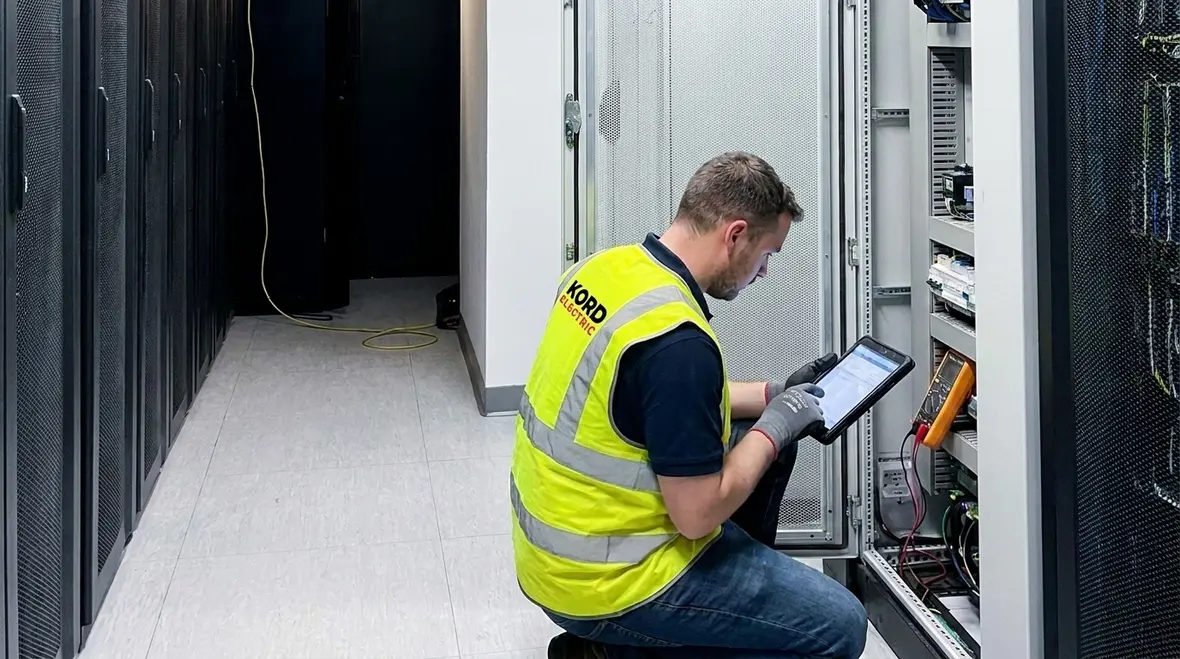
For instance, our technicians and expert service staff typically review lighting performance in the same spirit as other electrical checks. They verify that key areas get consistent coverage and that fixtures are positioned to avoid blind spots. Then, they confirm that labels and markings stay readable under normal and low light conditions.
We also account for how maintenance changes over time. A facility that expands racks, adds cable trays, or rearranges walk paths often changes the light pattern. Consequently, a once acceptable setup can quietly become a problem. That is why we plan for safe upgrades and retesting during major moves and equipment refresh cycles.
Where poor visibility creates electrical risk
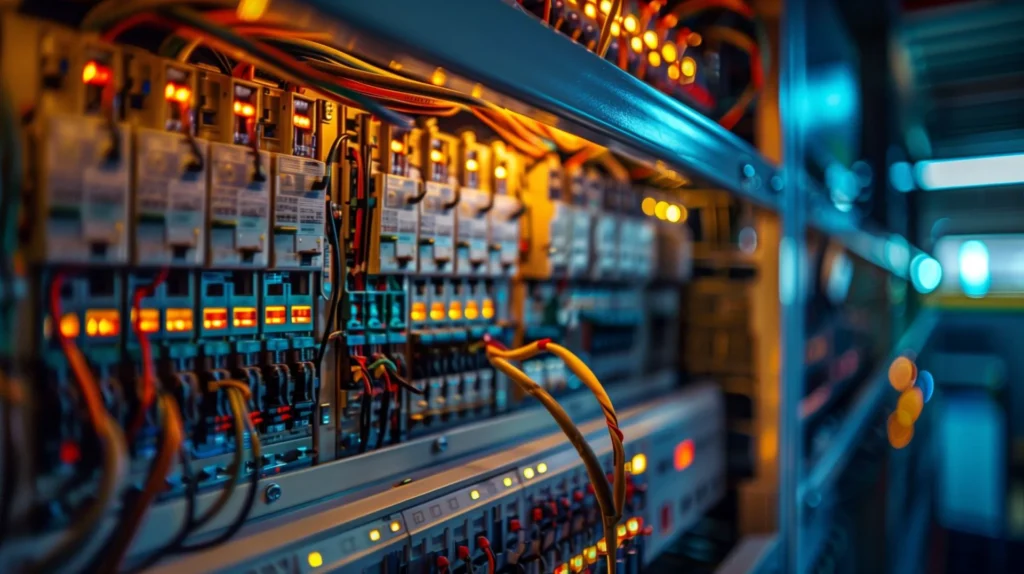
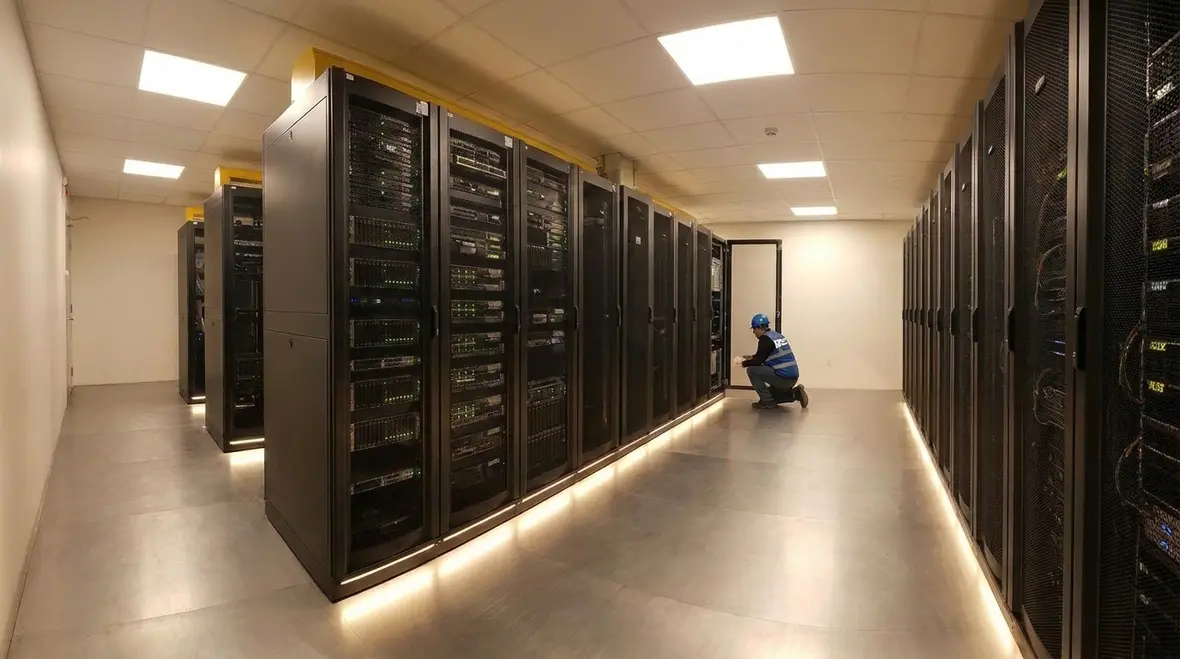
When people can’t see, mistakes multiply. Therefore, we address lighting issues that directly affect electrical safety in major property and industrial settings. In electrical rooms, poor task lighting can reduce the ability to read panel states, identify breakers, and inspect labeling. Meanwhile, insufficient aisle lighting can hide physical hazards like obstructed floor paths or trip risks.
Also, we see problems where fixtures reflect off polished surfaces. Glare can wash out indicator lights and make it harder to confirm proper connections at control cabinets. Then, technicians may rely on memory or “best guess,” which is not a safety strategy. In practice, lighting should support verification, not replace it.
Even color temperature matters. If lighting looks harsh or inconsistent, it can affect how people perceive status lights and printed labels. So we aim for steady illumination that keeps visual cues clear. And if that sounds like “just lighting,” we remind everyone: visibility is part of the electrical work itself. It is the difference between careful inspection and frantic troubleshooting, like trying to read a manual in a flashlight beam.
Design principles we use in data center lighting
We design lighting with real-world work paths in mind. First, we map common technician routes and the locations where they verify connections, labels, and access points. Next, we separate ambient lighting from task lighting so racks and panels get the attention they deserve.
Then, we protect against shadowing. Many data centers have equipment density that blocks light from reaching the lower parts of cabinets or the space around cable trays. Our layouts consider how technicians lean, kneel, and access panels from different angles. As a result, the lighting stays useful during actual service work, not just when a camera takes a perfect photo.
We also plan for reliability. Lighting systems in industrial facilities must handle harsh conditions and long operating hours. So we recommend components and placement that reduce the chance of early failures. Furthermore, we think about maintenance access. If a fixture makes it hard to change a bulb or a driver, technicians pay the price later, usually during a busy outage window.
Finally, we coordinate with electrical safety requirements. We ensure that lighting does not interfere with clearances, access doors, and signage. In other words, we keep the installation clean, functional, and consistent with the building’s safety intent.
Emergency and backup lighting for critical work areas
Emergency lighting should feel boring. That is a compliment. When it works, nobody thanks it. When it fails, everyone remembers. So we help clients plan for emergency coverage in server rooms, maintenance corridors, and electrical support areas.
In these spaces, backup lighting supports two goals. First, it helps technicians safely move, locate exits, and avoid hazards. Second, it supports safe shutdown steps and controlled inspection during incidents. That matters because the most dangerous moment often arrives when people hurry.
Our expert service staff explains the logic behind emergency coverage so facility teams understand what they are testing and why. For example, we show how illumination levels should support readable signage and safe access to key equipment. We also discuss test timing and what to look for during inspections.
And if a client ever says, “We test it once a year, that should be enough,” we politely respond with a smile. Reliability does not come from hope. It comes from planned testing and a system that stays dependable under real conditions.
What our technicians communicate during lighting service and upgrades
We do more than install lights and leave. Our technicians and expert service staff explain the findings in plain terms, and we connect lighting performance to operational safety. That means you get more than a report with fancy words you cannot use during a maintenance call.
For example, during an assessment, we highlight areas where glare reduces readability, where shadows hide cable labels, and where fixture placement leaves weak task zones. Then we suggest changes that match the facility’s workflow. We coordinate schedules so we avoid disrupting critical operations in commercial and industrial environments.
We also help teams understand how the lighting interacts with their maintenance habits. If technicians often work near the same rack types, we focus illumination there. If electrical panels get opened frequently, we increase task coverage around those access points. In short, we align lighting to actual service patterns rather than generic assumptions.
Finally, we support a long-term plan. Because facilities change, we recommend periodic reviews after expansion, re-cabling, or major equipment upgrades. That keeps Data Center Lighting for Server Maintenance & Electrical Safety aligned with the current layout, not the layout from last year, when everything looked tidy and simple.
For facility managers looking to connect lighting upgrades with broader power resilience, we often align our recommendations with insights from Kord Electric’s data center electrical infrastructure and uptime planning guides, so lighting, power paths, and maintenance windows all support the same reliability goals.
Maintenance checklist guidance and inspection outcomes
Lighting deserves the same discipline as other electrical maintenance topics. In our process, we treat lighting checks as part of ongoing risk control. We verify fixture condition, output consistency, and coverage patterns. Then, we check that labels and access points remain visible where technicians work.
To be practical, our service approach mirrors the checklist structure used in our data center electrical maintenance checklist thinking. We focus on verification, documentation, and repeatability. That means we do not just say “the lights look fine.” Instead, we confirm performance and communicate what would change if a fixture drifts out of spec.
Additionally, we consider how maintenance teams respond to lighting issues. If there is a recurring failure, we identify why it happens and adjust placement, fixture choice, or maintenance frequency. Therefore, we reduce repeated work orders and improve safety outcomes over time.
And yes, we understand the irony. In a facility built for precision, the lighting should not be the one thing that feels random. We make it predictable.
Because lighting, power, and uptime are tightly linked, our team often coordinates these reviews with broader efforts like data center power reliability and redundancy assessments, so facility managers see a single, clear picture of how visibility and electrical safety move together.
How lighting supports broader data center uptime strategy
Data Center Lighting for Server Maintenance & Electrical Safety is not an isolated topic. It sits inside a larger uptime strategy that includes redundancy, power quality, and preventive maintenance. Bright, even coverage around switchgear, UPS rooms, and distribution paths makes it easier for technicians to follow checklists, verify interlocks, and confirm that equipment responds as expected during tests.
When we walk a site, we look at how lighting either helps or hinders that uptime plan. Are technicians squinting to read breaker settings? Do shadows fall across transfer switches and PDUs during the times they are most likely to be operated? Are emergency fixtures aligned with the route someone would actually take during a problem? These details seem small until they turn into delays, confusion, or unsafe assumptions in a live event.
By folding lighting into routine electrical maintenance windows, we help facility managers avoid surprise failures and keep visual conditions as stable as their power conditions. The result is a calmer operating environment where technicians can focus on decisions, not on wrestling with a flashlight or guessing what a label says from three feet away.
For facilities across the region that want lighting and power strategies to move together, Kord Electric’s team supports comprehensive planning that connects visibility, redundancy, and testing into one practical roadmap rather than a collection of disconnected projects.
FAQ
Conclusion: call Kord Electric for a lighting safety plan
When facility teams invest in Data Center Lighting for Server Maintenance & Electrical Safety, they do more than improve visibility. They reduce electrical risk, speed up verification work, and support calm maintenance during busy windows. At Kord Electric, our technicians and expert service staff assess coverage, fix shadow issues, and plan emergency support for commercial and industrial data centers and major property buildings. If you want dependable lighting that supports safe work, contact us to schedule an assessment and get a clear upgrade path.
For facilities planning broader electrical work, our team can also align lighting upgrades with regional service offerings such as Los Angeles County electrical services, so your visibility improvements move in step with panel, distribution, and reliability upgrades across the building.
When you are ready to treat visibility like the safety and uptime tool it really is, Kord Electric will help you map a lighting strategy that fits your data center, your maintenance windows, and your long-term reliability goals.