
Data Center Power Redundancy Design for Uptime
Kord Electric designs data center power redundancy that keeps commercial and industrial operations steady when the utility grid gets moody. We help facilities plan for outages, voltage swings, and maintenance events long before they become business emergencies. Our approach balances reliability, budget control, and practical engineering choices, so teams can run critical loads without surprises. And yes, we also talk to people like they are real humans, not like they are trapped inside a control room at 2 a.m. While others rush into parts, we build a system mindset. That mindset starts with understanding how power behaves, then ends with documentation your staff can use.
What “reliable redundancy” means for data hall uptime
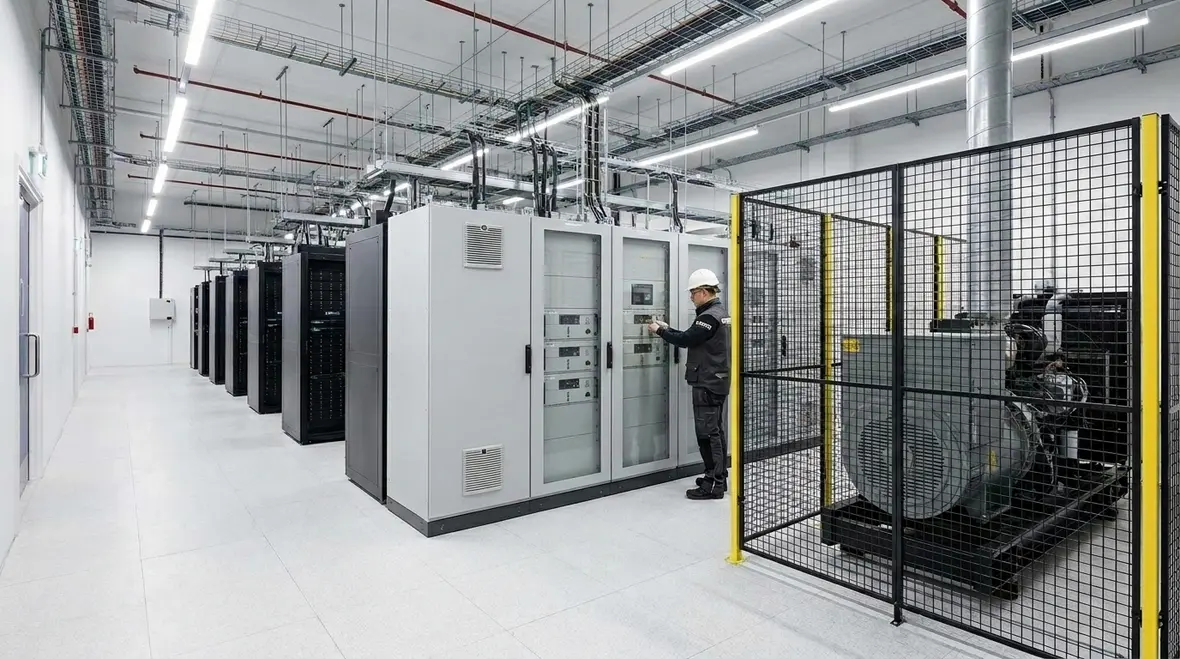
In a modern data center, reliability does not come from a single backup device. It comes from a connected plan where multiple layers protect the same mission. When a site loses a feed, redundancy should shift automatically. When maintenance begins, redundancy should allow safe work without shutting down critical systems. And when power quality dips, redundancy should keep sensitive equipment inside usable limits.
During design, we focus on how failures actually happen in the field. A transformer can drift. A transfer mechanism can fail. A breaker can trip under load. A generator can stumble during startup if the controls are not set correctly. Therefore, redundancy needs both capacity and control. It also needs the right testing schedule, because “installed” is not the same as “proven.” Our expert service staff walks clients through this difference, and we do it in plain language, not in a spreadsheet fog.
Now, if you are picturing a data center as a fortress, good. But we also remind people that fortresses still need doors, alarms, and drills. Power systems work the same way.
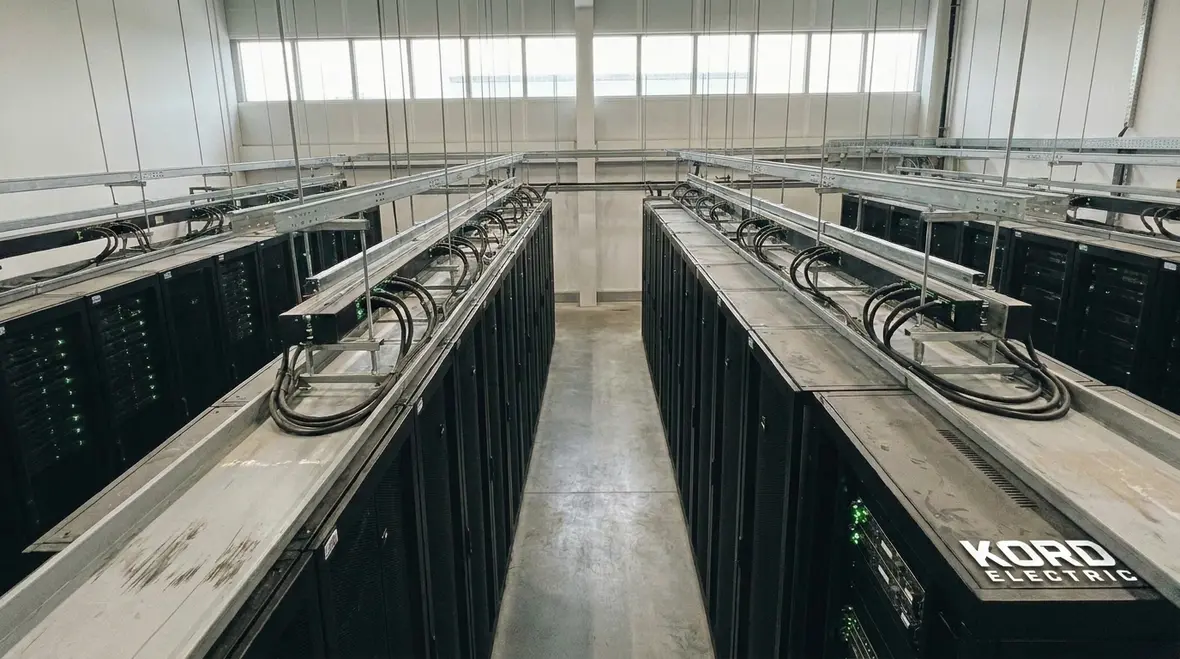
Redundancy in these environments is ultimately about people being able to sleep at night. When data hall uptime is tied to contracts, service-level agreements, and production schedules, “probably fine” does not cut it. Our clients want to know what happens when the grid twitches at 3 a.m., when a breaker chooses the wrong day to retire, or when planned maintenance suddenly stops being so “planned.” Reliable redundancy is the architecture that keeps those scenarios from becoming headlines.
How we design layered backup paths without wasting money
We build redundancy in layers so each layer handles a different type of problem. First, we use utility feeds that match the load profile. Next, we route through switchgear and protective devices that coordinate properly. Then we add power conditioning where it matters, and finally we include backup generation and uninterruptible power stages for critical ride through.
In commercial and industrial facilities, the load mix often includes not only IT racks but also cooling, networking, and building services. So, we treat the whole critical chain as one system. If a facility depends on chilled water pumps and a UPS cannot hold them long enough, redundancy becomes a checkbox, not a strategy.
Our technicians and engineers review how each load behaves under normal power, under transfer, and during steady backup. Then we size the system to avoid a common mistake: oversizing everything without coordination. Overbuilt systems can still fail if controls do not transfer cleanly, if bypass paths get confused, or if maintenance plans do not align with system behavior.
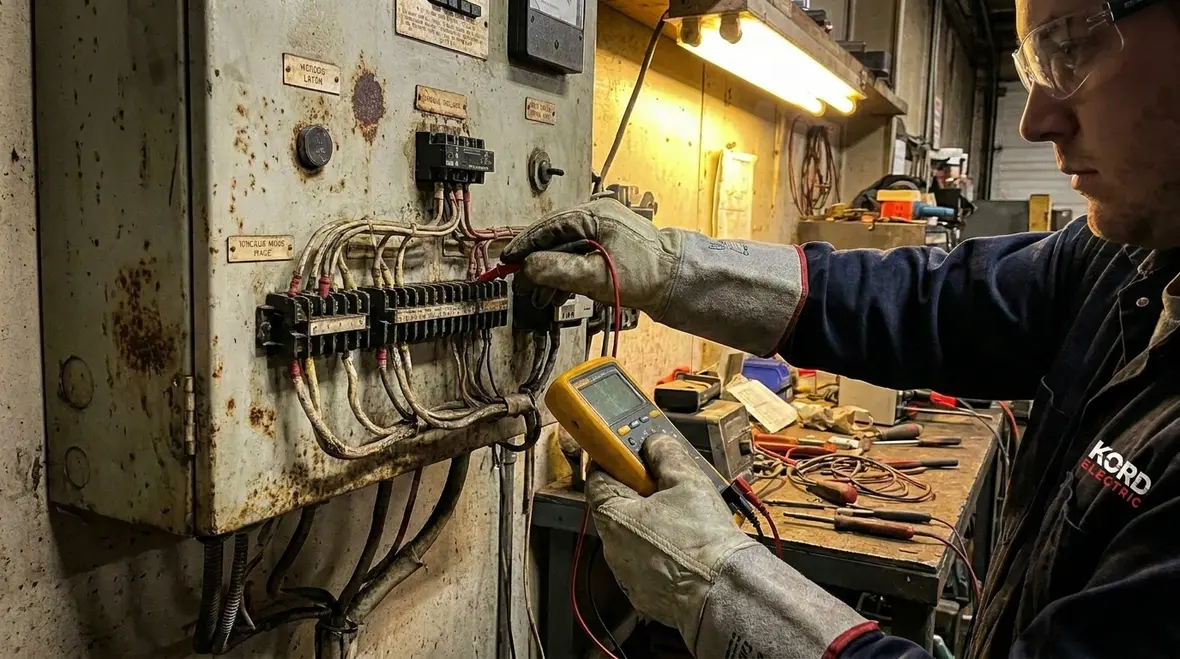
We also consider how different failure modes interact. One utility feed may experience a localized issue, while another behaves normally. One piece of switchgear might require isolation, while the rest of the system stays live. By modeling these conditions ahead of time instead of during a crisis, we can show facility teams exactly how the layered paths behave in practice.
That layered strategy also supports long-term upgrades. As new racks, cooling systems, or building services are added, we already know where they belong in the redundancy map. Instead of stringing new loads wherever there is space in a panel, we tie them into a plan that respects both present and future uptime requirements.
Why voltage fluctuations affect redundancy more than people think
Voltage quality issues can quietly undermine redundancy. You can have a perfectly sized backup generator, but if the site sees repeated sags, swells, or unstable conditions, equipment may throttle, trip, or degrade faster. Therefore, when we plan redundancy, we also plan for how the facility handles power quality events.
Kord Electric also addresses this topic directly in our resource on voltage fluctuations for commercial and industrial sites, because the grid does not always deliver stable energy. When voltage swings occur, sensitive electronics experience stress. In turn, power supplies draw differently and protective devices may react sooner than expected. And if a UPS or transfer system is not configured for the real waveform and thresholds, it may ride through less than teams assume.
Here is the practical takeaway. Redundancy is not only about backup sources. It is also about how your power chain responds while waiting for those sources. We help clients map the behavior of protective relays, UPS settings, and transfer logic so the system handles fluctuations the way it was tested, not the way it was hoped.
In many commercial environments, what looks like “random” IT trouble or nuisance tripping often traces back to marginal voltage conditions. We treat these conditions as part of the redundancy design from day one. That means reviewing tap settings, evaluating transformer loading, and verifying that your monitoring system can actually see the disturbances that matter to critical loads.
UPS, transfer systems, and generators: coordination that actually works
Many facilities install components and assume they will “just work.” Then a real event happens and the system reveals the gap between theory and controls. We coordinate UPS systems, static switches or transfer switches, and generator controls as a single design problem.
For example, during a utility failure, a UPS should pick up the load without interruption beyond the tolerances of the IT equipment. Then, as generators come online, the system should transfer cleanly. If timing is off, if load steps are too aggressive, or if frequency and voltage settings do not match, the system can experience a brief instability. That brief moment can be long enough to trigger alarms or cause undesirable shutdown patterns.
Next, we verify that transfer paths work under maintenance scenarios. We design with safe bypass options and interlocks so technicians can service equipment without forcing an emergency shutdown. Our service staff explains the operational steps and the “what if” outcomes, because good documentation prevents bad day decisions. And yes, we make sure people can read it without needing a degree in electrical mythology.
We also tie this coordination into monitoring and alarms. If your building automation system or power management platform cannot distinguish between a graceful transfer and a near-miss, operators are left guessing. We help configure alarm points and event logs so that every UPS transfer, generator start, and return-to-utility event leaves a trail that makes sense on Monday morning.
Ultimately, coordination is about making sure that your standby equipment behaves like a team, not a set of solo performers. Each device has its role, and when those roles are clearly defined and tested, your redundancy plan stops depending on heroics and starts depending on design.
Testing, commissioning, and documentation for critical facilities
After design comes proof. We commission redundancy systems using schedules that match real site needs, not generic calendar guesses. That means load testing, transfer testing, and verification of protective coordination. It also means reviewing settings, alarms, and monitoring points so facility staff can respond fast and correctly.
For commercial and industrial buildings, uptime depends on more than engineering. It depends on how teams use the system during stress. Therefore, we deliver documentation that supports daily operations and emergency response. We outline normal states, abnormal states, and recovery steps. We also provide training so technicians understand what the system does when power changes, not just what the system contains.
Our technicians, the ones who actually climb onto equipment and check torque and labeling, also bring real feedback to the design process. They see where installers cut corners and where drawings do not match field conditions. Then we fix the gap before it becomes a recurring headache. That feedback loop is where reliability is built, not guessed.
We frequently pair this commissioning work with structured electrical preventive maintenance programs, so the system that performs well on day one keeps performing on day one hundred and one. When preventive work and commissioning share the same playbook, operations teams avoid the common pattern of “test everything once, then hope for the best.”
Designing redundancy with real-world building constraints
Every data center has constraints. Space limits equipment placement. Cooling capacities affect how long components can carry load. Noise rules restrict generator placement. And construction phasing limits when power can be interrupted. We account for these realities, because a perfect design that cannot be built is still a failure in slow motion.
So we plan cable routing, breaker placement, and access for future service. We also consider how switchgear rooms and UPS rooms share ventilation and fire suppression requirements. When we align these details, maintenance becomes safer and less disruptive. Consequently, uptime improves because teams can service equipment without “waiting for permission from the universe.”
Additionally, we design for growth. Data centers expand in bursts, and the power system must handle both planned upgrades and unexpected load changes. We build redundancy that supports step loading, and we plan how additional loads join the critical chain. That foresight keeps the facility from turning redundancy into a patchwork quilt.
For multi-site operators and owners with a mix of industrial plants and data-heavy facilities, coordinating redundancy design with Los Angeles County electrical services helps align regional code requirements, utility behavior, and real-world construction logistics into a single plan instead of a series of isolated projects.
Data center power redundancy as an uptime strategy
Data center power redundancy is not a single diagram tucked away in a binder. It is an uptime strategy that runs through every decision about feeds, distribution, conditioning, backup, and maintenance. When we approach a site, we look at how all of those elements support business outcomes: service-level agreements, production targets, tenant expectations, and safety requirements.
That strategy extends from the main utility entrance down to the last rack PDU. We pay attention to how loads are grouped, which breakers carry which risks, how fault currents travel, and where operators stand when they have to make decisions under pressure. Then we design redundancy that keeps those operators in control instead of forcing them to improvise.
In many critical facilities, this strategy also intersects with larger reliability efforts across the property portfolio. Hidden electrical issues in adjacent spaces, aging infrastructure in connected buildings, or unstable supply conditions can all erode even the best redundancy plan. That is why we often fold data center projects into a broader review of the site’s electrical health, tying in studies that look at hidden risks, emergency power failures, and long-term rewiring priorities where needed.
FAQ
Final word: let us build redundancy you can trust
Reliability does not arrive by accident. We help commercial and industrial teams design, coordinate, commission, and support redundancy that protects critical loads during real power problems. If voltage fluctuations, transfer behavior, or maintenance planning feel uncertain, our expert service staff will map the system and explain every step in business friendly terms.
Contact Kord Electric to review your current setup, identify risks, and build a redundancy plan that stays steady when the grid does not. Whether you are focused on data center power redundancy or broader facility uptime, we can connect your project to the right mix of services, from voltage fluctuation diagnostics to preventive maintenance and regional support across Los Angeles County and beyond. Let us turn uptime from a promise into a practice.
If you are planning upgrades, expansions, or a deeper reliability program, our team can also coordinate power redundancy planning with related services such as electrical preventive maintenance, panel upgrades, and targeted support for high-load facilities. When you are ready to move from reactive fixes to a proactive uptime strategy, we are ready to help design and implement it.
For facilities that depend on consistent power and clear communication, partnering with a commercial and industrial specialist makes all the difference. From early design to day-to-day operation, we are here to make sure your redundancy plan performs when it matters most.


