Industrial Control Panel Safety Tips Guide
Industrial Control Panel Safety: How We Protect People and Assets
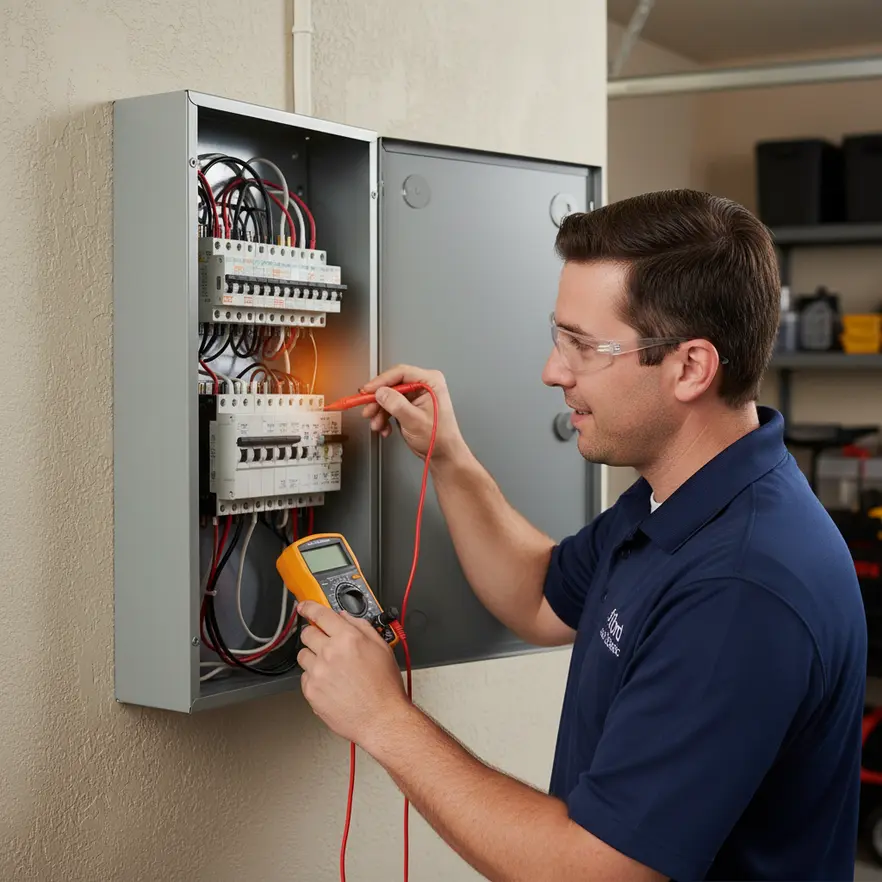
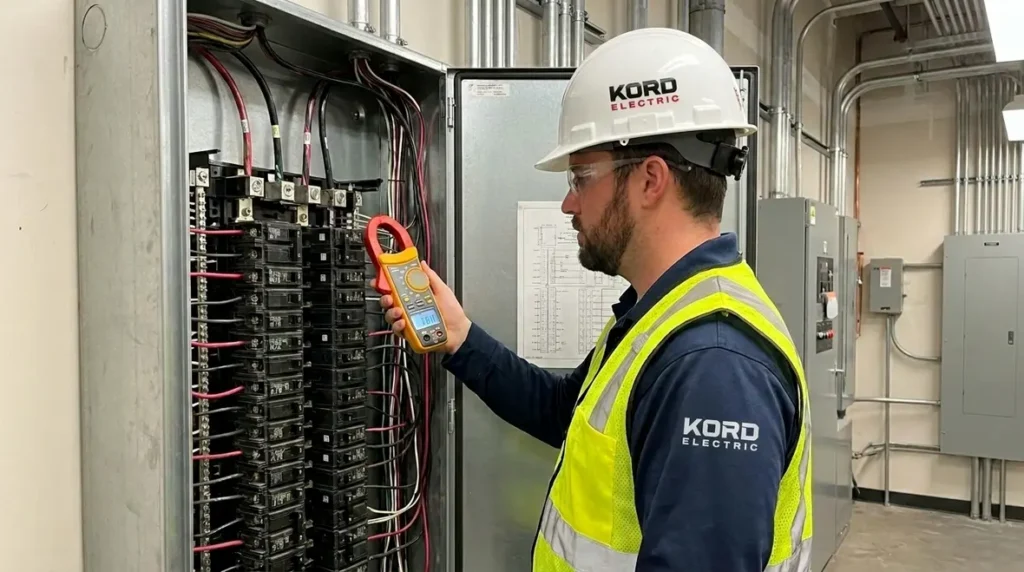
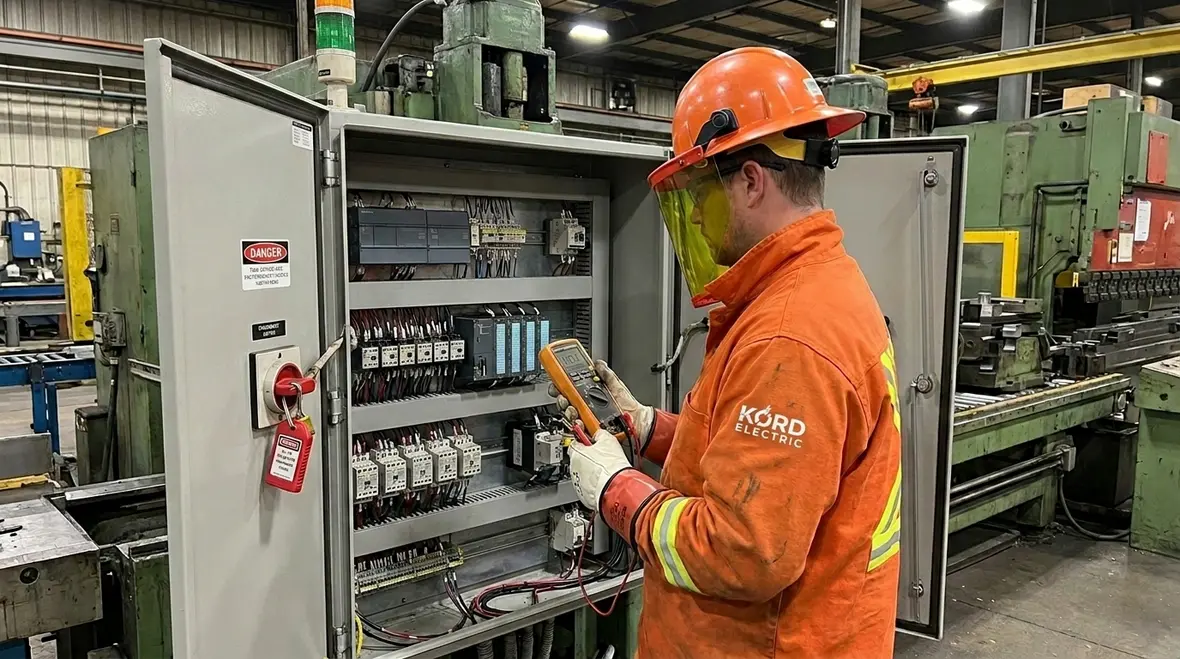
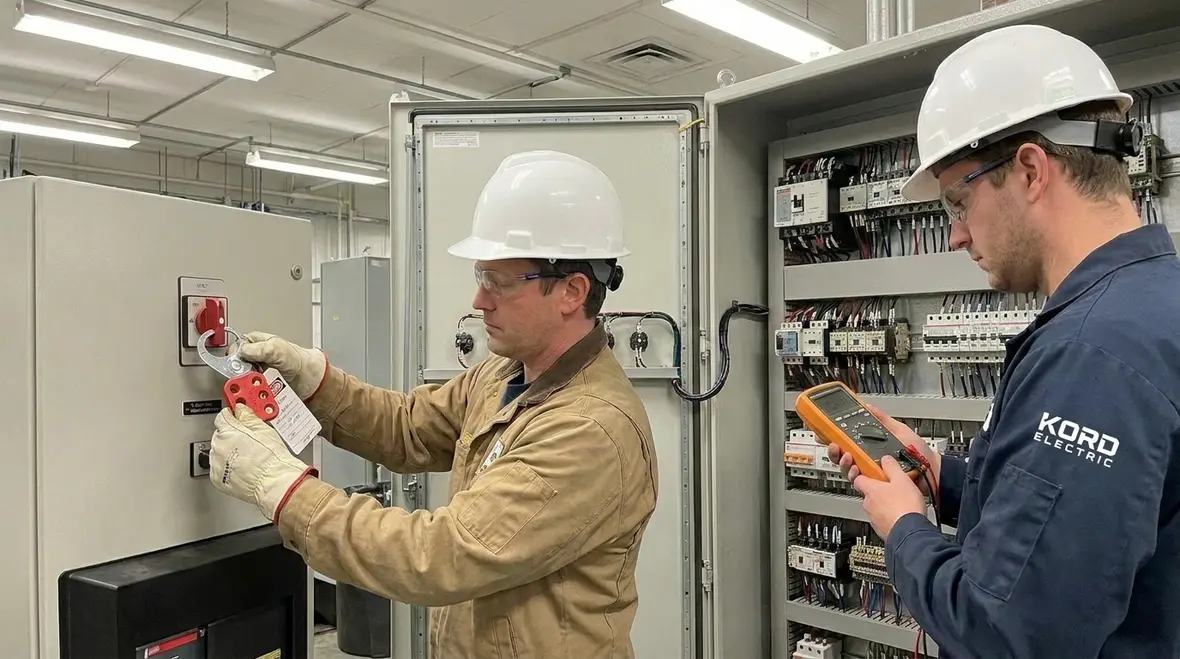
At Kord Electric, we treat every industrial control panel like it has a pulse, because it does. In the first minutes of any job, our team follows core industrial panel safety tips that keep workers safe and equipment reliable. First, we lock out and tag out energy sources so the cabinet cannot wake up while hands are inside. Next, we verify with the right meter, not vibes, because electricity does not care about confidence. Then we manage arc flash risk by using proper gear and safe work practices, including controlled access to energized parts. Finally, we keep the panel area clean, dry, and organized so faults do not grow like a sitcom subplot.
Now, let us walk through the rest with the calm focus your operators deserve. And yes, we promise no lecture tone that feels like a customer training video stuck in 2006.
Start With a Clear Scope and a Real Safety Plan
When we handle commercial and industrial facilities, we do not treat safety like a form you sign. We build it into the work plan. First, we review the site process and identify what the control panel actually controls: pumps, conveyors, HVAC stages, feeders, or other critical loads. Then we document normal operation, abnormal modes, and what could happen during maintenance. This matters because a control cabinet in a major property building can behave very differently during startup, shutdown, or seasonal changes.
After that, our technicians map energy sources. We track not only the main power, but also auxiliary circuits, control power transformers, UPS outputs, and any stored energy. Even when the main disconnect is off, a panel can still hold voltage or released energy. Therefore, we plan for verification before touch, and we plan for re-energization only when conditions are met.
To keep work smooth, we assign roles and clear communication. In other words, we do not run panel work like a group project where one person “totally thought” the line was dead. Our expert service staff explains what we are doing, what we are not doing, and what the next step depends on.
Lockout, Tagout, and Verification That Stand Up to Reality
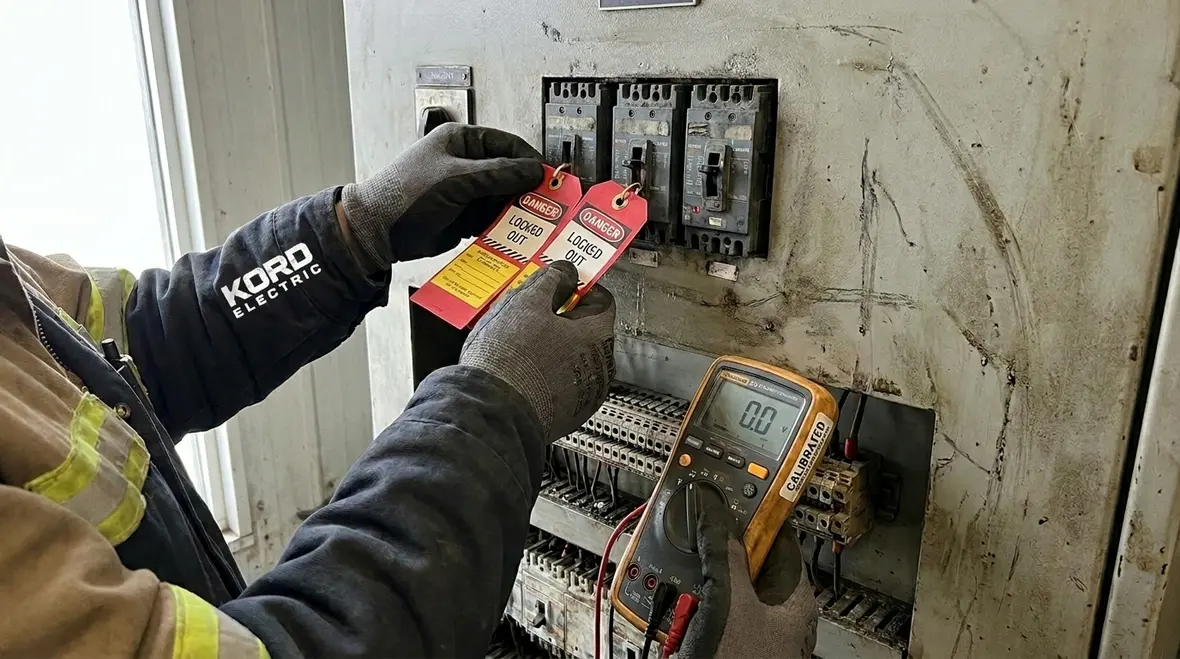
Lockout and tagout sounds simple. It is not. In practice, we often find panels with multiple disconnect points, shared busses, or equipment that gets fed from more than one direction. So we treat LOTO as an engineered step, not a checkbox.
Our process includes isolating each relevant energy source and applying lockout devices, then placing tags that are specific enough to prevent guesswork. Next, we verify that the panel is truly de-energized. We test for absence of voltage on the correct conductors and with proper meter settings. Then we re-check as needed, because conditions can change during work, especially in busy systems where maintenance never really stops for long.
Even better, we keep the verification method consistent. If we used a certain testing approach yesterday, we do not improvise today. That consistency reduces mistakes, and it helps our team work faster without cutting corners.
Arc Flash, Shock, and Exposure Control Inside the Cabinet
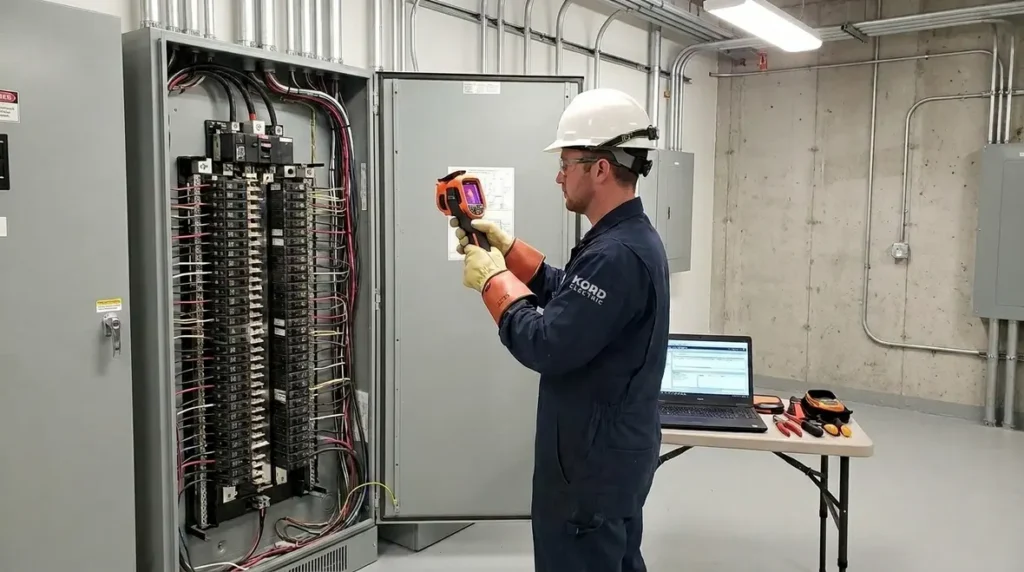
Industrial control panels can create hazards that are not obvious from a glance. When we open a cabinet, we assume there is risk until proven otherwise. That is why we manage arc flash exposure through a careful approach to PPE, workspace control, and minimized time near energized parts.
Here is how we think about it. First, we evaluate the likelihood of an arc event based on system design and protection settings. Then we select the correct protective equipment for the task at hand. After that, we limit access and reduce the duration of live work. We also keep tools in good condition and use insulated tools when the job requires it. If anything looks wrong, we stop and reassess.
We also protect against shock risks caused by unexpected paths to ground, damaged insulation, or moisture intrusion. In commercial and industrial environments, humidity changes and cleaning practices can affect cabinet interiors. Therefore, we ensure the panel area stays controlled, and we address signs of wear rather than pretending they will “probably be fine.”
And yes, we have heard the joke where someone says, “I only need one screwdriver.” Electricity hears jokes too, and it does not laugh.
What We Look For During Panel Inspection and Troubleshooting
Once safety controls are in place, we shift to diagnosis and improvement. We do more than “fix the symptom.” Our technicians inspect the panel like it is a map of the site’s electrical behavior.
We look for loose terminations, heat damage, and signs of corrosion. Next, we check for worn contactors, failed relays, and drifting components that create intermittent faults. Then we review labeling and documentation, because unclear wiring turns maintenance into a scavenger hunt. For sites looking to tighten documentation and clarity even further, our approach aligns closely with the kind of disciplined practices outlined in our electrical panel labeling best practices guide, where every breaker and control position tells the truth about the power it controls.
We also assess control logic and protective devices. Sometimes the issue is not a single part, but a chain reaction: a sensor signal drifts, the logic misinterprets it, and the output trips a protective device. If we catch that early, we prevent repeated downtime.
Furthermore, we pay attention to cleanliness and airflow. Dust and blocked ventilation can raise internal temperatures, which in turn can shorten component life. So we keep the airflow path clear and we check fans and filters when the cabinet design includes them.
Upgrades and Rewiring Done the Right Way, Not the Fast Way
At some point, many major property buildings and industrial sites need rewiring, upgrades, or cabinet redesign. We handle those projects with care because the cost of rework usually shows up later, like an uninvited guest at the holiday party.
To support planning, our article on rewiring cost guide for commercial electrical systems helps teams understand budgeting realities. We explain that cost depends on system scope, labor time, downtime needs, and the complexity of existing wiring. That same logic applies inside control panels, where rewiring can involve not only power conductors but also signal wiring, interlocks, grounding, and labeling updates.
During upgrades, we also manage compatibility. We confirm how new devices communicate with existing controllers and protections. We make sure that conduit routes, cable types, and termination methods match the environment. Additionally, we document changes so your facility staff can maintain the system without guesswork.
Our expert service staff also explains what clients can expect. We tell you what may cause short interruptions, how we reduce downtime, and how we test before we release the equipment to normal operations.
Linking Panel Safety to Broader Facility Reliability
Industrial control panel work does not exist in a vacuum. The same disciplined thinking that keeps a single cabinet safe also supports larger reliability strategies. When we troubleshoot panel faults, we often uncover upstream issues like overloaded feeders or weak standby power planning. That is why many facility leaders pair focused cabinet projects with broader resilience steps, such as reviewing how panels, generators, and transfer gear interact during emergency power failures in commercial buildings. The result is fewer surprises when systems are under stress.
Maintenance Scheduling and Training That Prevents “Tomorrow’s Fire Drill”
Safety improves when maintenance becomes predictable. Therefore, we help commercial and industrial facilities plan panel inspections on a realistic schedule. We align work with production needs and seasonal load changes. For many sites, that means more attention before peak demand periods, and additional checks after major process adjustments.
We also train facility teams so they understand the hazards and the steps required for safe panel work. In practice, our technicians explain how to recognize warning signs like abnormal heat, burnt insulation odors, frequent trips, and inconsistent control behavior. We also show what safe operation looks like during routine tasks, such as verifying conditions before pressing start, confirming proper interlocks, and ensuring door switches and barriers function correctly.
And because training needs to stick, we keep it clear. We do not bury the key points in jargon. We say it plainly, and we repeat the rules that matter most for industrial panel safety: isolate energy, verify, control exposure, and document changes.
From One-Time Fixes to Proactive Electrical Safety Culture
Control panels are where electrical safety culture becomes visible. When doors are labeled, conductors are routed cleanly, and documentation matches reality, people instinctively treat the equipment with more respect. That visual order also supports compliance efforts similar to those described in Kord Electric’s broader coverage of electrical safety compliance expectations for commercial spaces. The more predictable the infrastructure, the easier it is for operators and maintenance staff to do the right thing under pressure.
FAQ for Industrial Control Panel Safety
Short Answers for Quick Featured Snippets
How often should control panels be inspected?
We recommend inspections based on use intensity, environmental conditions, and past faults, often aligned with seasonal or production cycles so that industrial panel safety tips become part of everyday operations, not a once-a-year reminder.
What are common signs of panel trouble?
Loose terminations, heat discoloration, repeated trips, inconsistent control signals, and corrosion or moisture inside the cabinet.
Can rewiring be done without downtime?
Sometimes, depending on system design and scope, but we plan the safest approach and communicate expected interruptions early so production, tenants, and building operations are not caught off guard.
Do your technicians explain the work to facility teams?
Yes. Our expert service staff explains the steps, safety controls, and testing outcomes in clear terms, so facility teams know what changed and how to operate equipment safely afterward.
What should we document after panel work?
We document device changes, wiring updates, test results, and any label or control logic modifications, then align that documentation with your broader maintenance records so nothing lives only in someone’s memory.
Final Word From Kord Electric: Safer Panels, Fewer Breakdowns
Industrial panel safety is not a slogan. It is the way we protect your people, protect your equipment, and protect your schedule. At Kord Electric, our technicians bring disciplined lockout and verification practices, clear troubleshooting, and thorough documentation for commercial and industrial facilities and major property buildings. If you want fewer unplanned trips and safer panel work, reach out. We will review your current setup, explain risks and options in plain language, and help you move forward with confidence.
For facility leaders ready to turn these industrial panel safety tips into a long-term strategy, partnering with a team that understands both day-to-day operations and capital planning makes a difference. Our crews handle everything from targeted panel repairs to full distribution upgrades, and we coordinate with life-safety partners when fire alarm or suppression control gear shares the same electrical backbone. If your portfolio spans multiple sites or you manage a single high-value building, our Los Angeles County commercial and industrial electrical services give you a single, reliable point of contact for panels, power, lighting, and more.
When you are ready to push hidden risks out of the picture and bring calm, predictable performance back to your control panels, we are here to help you design a plan that fits your schedule, your budget, and your safety goals.