
Electrical Safety Compliance for Small Businesses
Electrical safety compliance for small businesses starts with commercial tenant readiness
Commercial and industrial facilities do not fail because of bad luck. They fail because people assume that someone else handled the risk. At Kord Electric, we focus on commercial and industrial facilities and major property buildings, and we help keep tenants aligned with electrical safety compliance for small businesses before issues become downtime. Our technicians and expert service staff explain requirements in plain terms, and they guide tenants on how to protect people, equipment, and operations. We treat safety like a serious business function, not a last minute checklist. And yes, we have heard the joke that “nothing bad happens on a Monday.” In electrical work, that joke ends fast.
Tenant responsibilities that property managers expect
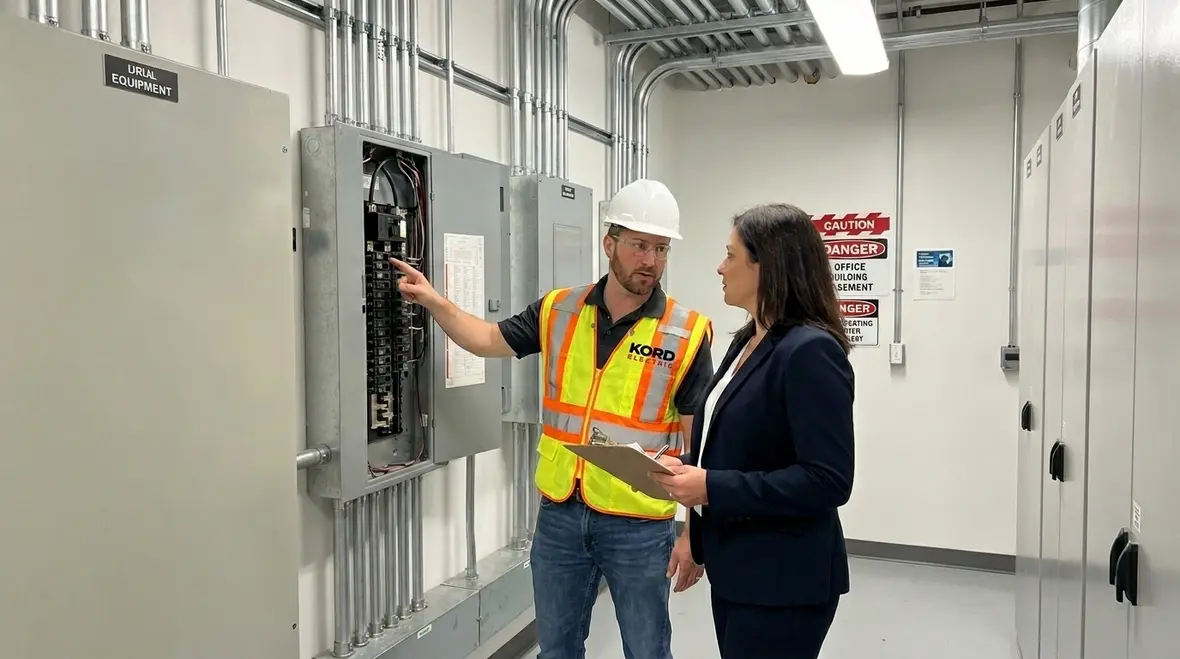
A commercial tenant does not own the entire electrical system, yet the tenant can still create risk through their use of power, equipment, and alterations. Therefore, we ask tenants to understand the boundaries: what the building provides, what the tenant controls, and what must stay consistent with the property’s safety program.
In practice, others typically expect the tenant to do three things well. First, the tenant must maintain their internal distribution, including panels and feeder connections, in a safe state. Next, they must ensure that any equipment brought into the space meets the required electrical and protection needs. Finally, they must coordinate changes so that the building’s protection and labeling remain accurate.
Our technicians often tell tenants that the best time to plan is before the contractor arrives with a truck and a deadline. That planning includes reviewing available power, confirming protective device settings, and verifying that the tenant’s loads do not push the building beyond safe design limits. When tenants handle this early, they reduce surprise trips, nuisance alarms, and costly rework.
Codes, standards, and why they matter to daily operations
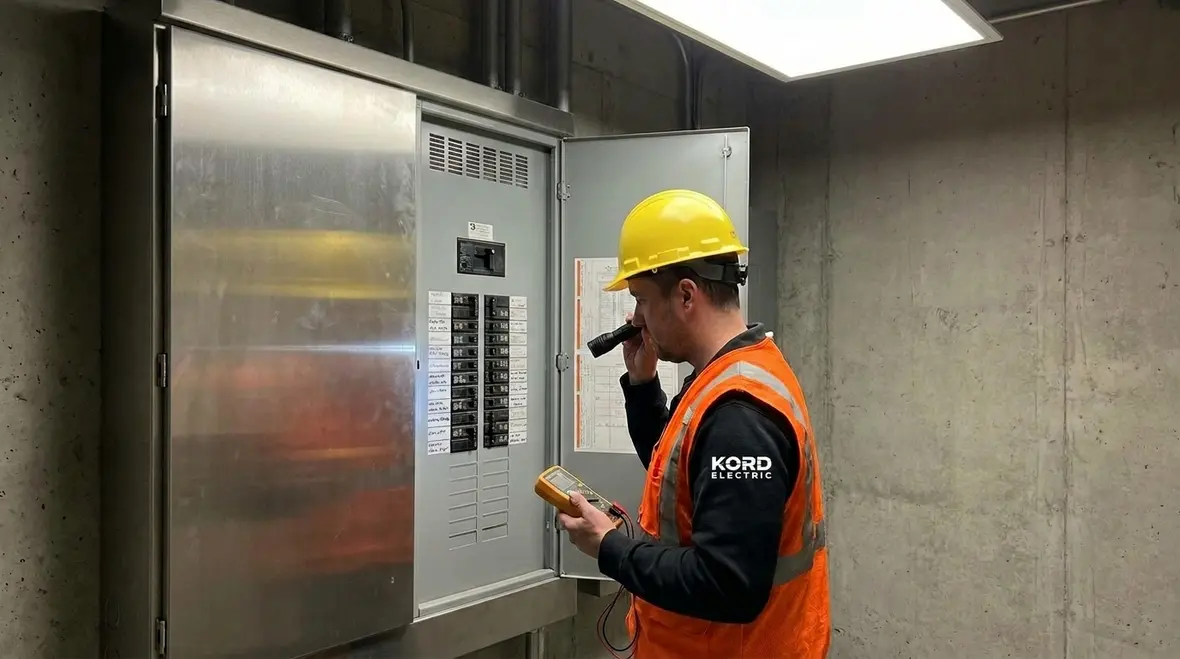
Electrical safety rests on standards that control shock risk, fire risk, and system reliability. Those standards also influence how inspections occur, how documentation is stored, and how maintenance gets scheduled. Even when a tenant uses office lighting instead of high power process equipment, code compliance affects grounding, conductor sizing, panel labeling, and overcurrent protection.
More importantly, these rules protect people who share a building: maintenance staff, cleaners, delivery teams, and emergency responders. Therefore, the safety program must support clear access to electrical equipment, safe working distances, and correct lockout and tagout practices. When standards get ignored, risk does not stay in the panel. It travels into the entire work area through exposed parts, missing covers, damaged cables, and misidentified circuits.
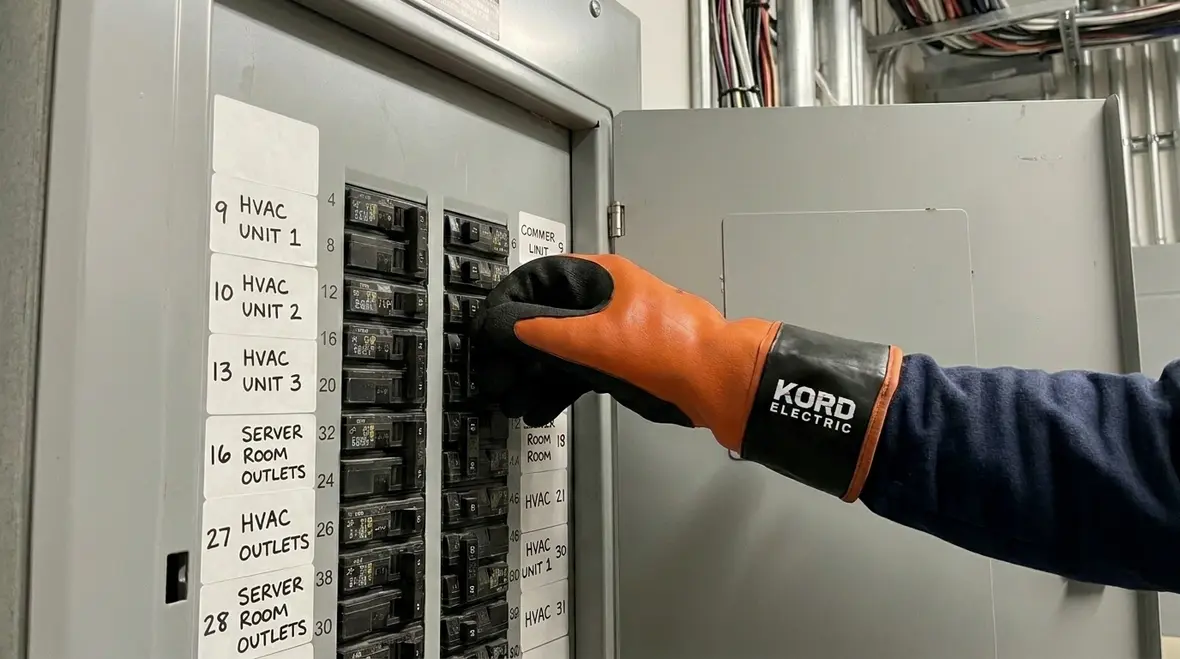
Our expert service staff explain how standards translate into what a tenant can see and do. We help tenants understand why covers must remain in place, why grounding must remain intact, and why circuit labeling must match reality. That matching prevents “guess and hope” behavior. In electrical work, guess and hope is the plan, until it fails.
How safe power distribution supports reliability
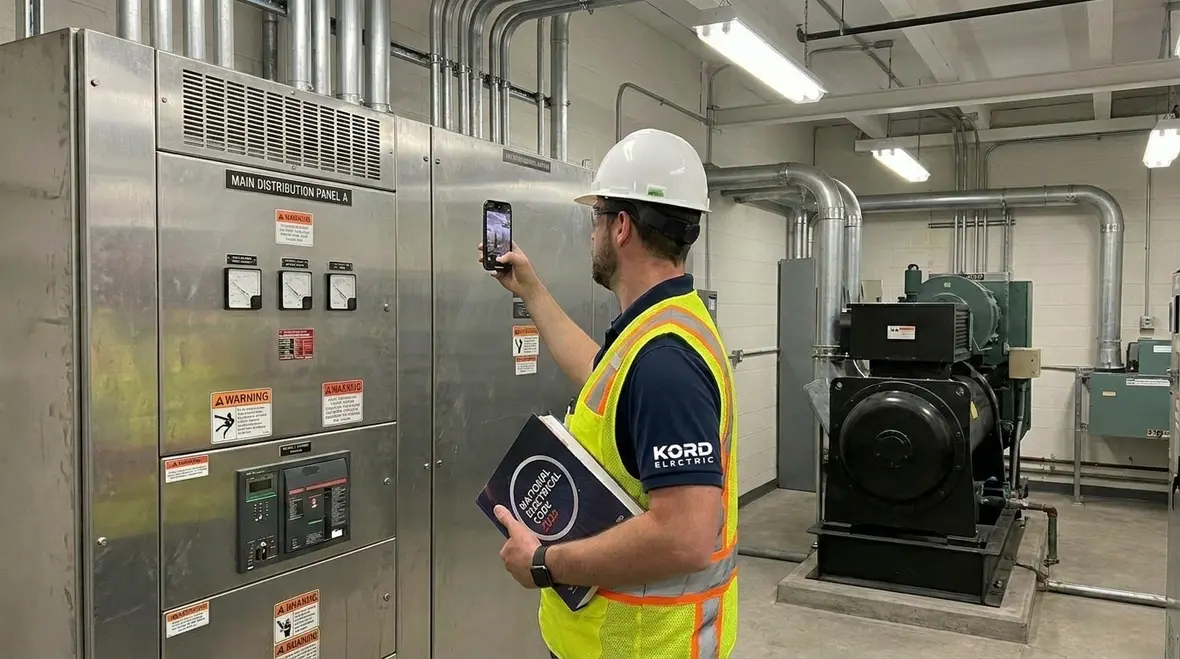
Reliable power depends on how the distribution system protects fault currents and supports continuity. In a well designed setup, protective devices work as a system, not as isolated parts. For example, a protective device must clear faults fast enough to protect conductors and to reduce damage, yet it must also coordinate with upstream protection so the right area goes offline.
In commercial buildings, tenants often interact with parts of distribution such as local panels, dedicated circuits, and equipment disconnects. Thus, electrical safety compliance for small businesses becomes real when tenants ensure their changes do not break coordination. If a tenant adds loads, installs new equipment, or modifies wiring, they must ensure the protective scheme still functions as designed.
When we review systems, we connect the dots between infrastructure and daily operations. We do this with a practical mindset that matches how facilities really run. For example, our approach checks for signs of overloaded circuits, loose terminations, worn breakers, or inconsistent labeling. We also look at how the tenant’s power demand changes through the day. If the peak hours differ from the building’s assumptions, then protective behavior can change too.
Using our staff to keep safety practices consistent
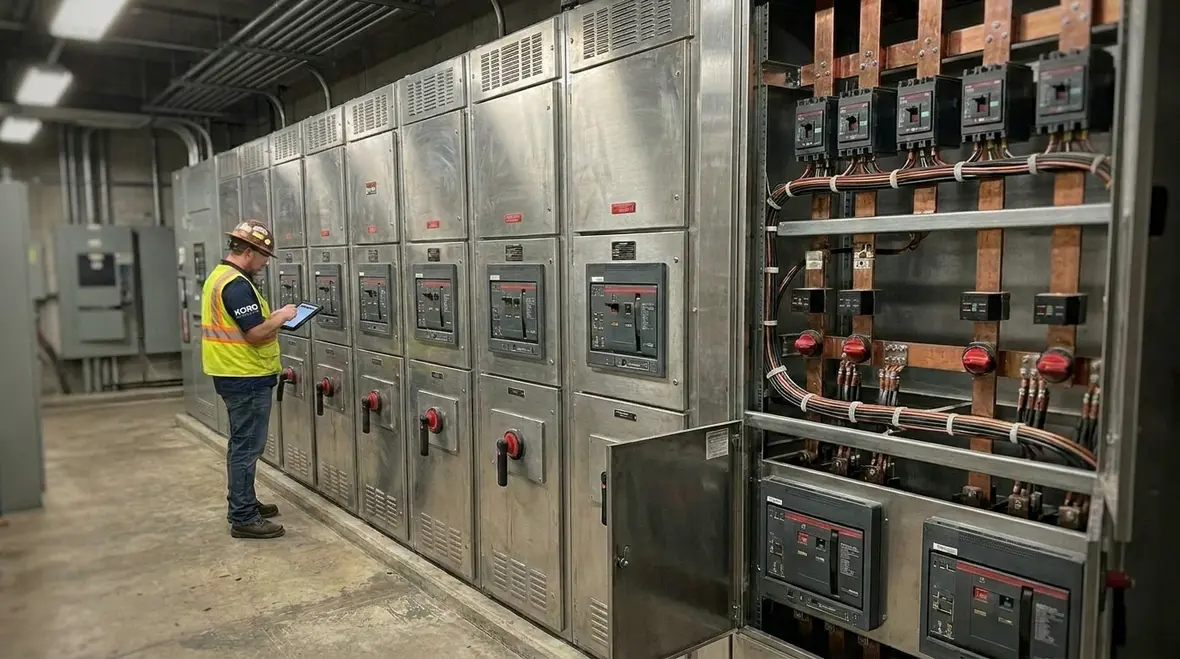
Tenants often want quick answers, and we respect that. Still, safety requires consistency. Therefore, our technicians do more than install and repair. They help commercial teams build habits that match safety requirements. We walk tenants through what they should document, what they should verify, and how they should respond when something looks wrong.
For example, our service team can explain how to spot red flags like frequent breaker trips, heat discoloration at connections, intermittent power loss to specific equipment, or missing panel identification. Then we show what those signs typically mean and what steps the tenant can take right away.
We also emphasize safe work rules. Tenants should coordinate with the property team so that lockout and tagout procedures happen the same way every time. When a technician opens a panel, it should not become a guessing game about whether power remains. Our staff teaches that the goal is not to “be careful.” The goal is to remove the hazard from the work zone and verify conditions before anyone touches conductors.
And if you are thinking, “We do that already,” we usually hear the same follow up. “We do it until we do not.” That is why we support repeatable procedures for major property buildings and industrial spaces where downtime costs more than labor.
Data center style thinking for any commercial electrical setup
Many tenants only think about safety when they see smoke or a breaker trip. Yet electrical risk often builds silently through poor maintenance, unclear documentation, and equipment changes that outpace the original plan. A disciplined view helps, even in spaces that do not look like a data center.
Our team uses lessons from data center electrical infrastructure planning to improve commercial safety practices. That includes the idea that power paths and protection need clear structure. For example, systems benefit when labeling stays accurate, when distribution segments stay defined, and when maintenance schedules follow the actual use and load profiles. For deeper insight into this, many clients also review our article on Data Center Electrical Infrastructure Essentials to see how those principles apply to their own facilities.
Furthermore, we encourage tenants to treat documentation like a safety tool. When records show what changed, when tests happened, and when components were serviced, the next repair becomes faster and safer. On the other hand, unclear records lead to longer troubleshooting time, more panels opened, and more chance for mistakes.
To keep things practical, we help tenants align their space operations with the building’s safety framework. We do this by coordinating upgrades, reviewing load impacts, and ensuring equipment connections remain properly protected. When tenants adopt that data center style discipline, they reduce the odds that a “small” change becomes a major incident.
FAQ for commercial tenants on electrical safety
Conclusion: Schedule a safety review with Kord Electric
Commercial tenants and property teams both carry responsibility, and the safest results come from coordinated action. If you want confidence in your circuits, labeling, protection, and maintenance readiness, Kord Electric can support your commercial and industrial facility with expert technician review. Our team also helps align your space with broader building initiatives like data center electrical infrastructure essentials so your electrical safety compliance for small businesses strategy grows with your operations.
For tenants that need more than a one-time check, we support planning, upgrades, and service that match how real buildings run. From panel inspections and coordination studies to emergency response and long-term maintenance, our goal is to keep people safe, protect equipment, and keep your operations online. Do not wait for a breaker trip to write your safety story. We help you prevent the chapter you never wanted.
If your facility is ready to take the next step beyond basic checks, explore our commercial and industrial electrical services to see how we support major property buildings and complex tenant environments from design through ongoing maintenance.


