Emergency Electrical Failure Recovery Strategy
Introduction: how we handle an emergency in real time
When power fails at a commercial or industrial facility, downtime stops being “annoying” and starts being expensive. At Kord Electric, we follow a practical emergency electrical failure recovery strategy that our trained technicians use to restore power safely, quickly, and in a way that prevents the same failure from repeating. First, we confirm what failed and where. Next, we protect people and equipment while we stabilize critical loads. Then, we execute a step by step restoration plan that matches the facility’s design, its life safety needs, and its operational goals. And yes, we know what you are thinking: every company says it can respond fast. However, our staff measures response with checklists, test data, and field experience, not with optimistic speeches. Because in the middle of an outage, nobody wants a motivational poster. They want power.
Why recovery planning matters for data centers and mission critical loads
Commercial and industrial sites usually run on tight timelines and strict uptime needs. That is especially true for data centers, where an electrical event can affect cooling, storage, and communication, all at once. Others might blame “bad luck,” but most failures follow patterns: aging components, miscoordination, poor maintenance, or a failure mode that was never studied in a live environment. Therefore, the best emergency electrical failure recovery strategy begins long before the first alarm, because the team must understand the electrical architecture and the role of every major asset.
Our technicians also look beyond the one line diagram. We consider how systems interact under stress. For example, switching devices may behave differently under fault current. Backup sources may deliver power, but not deliver it at the needed quality. Meanwhile, control systems and monitoring tools may lose communications, which can slow decisions. When we plan ahead, we reduce guessing. And when we reduce guessing, we reduce time.
For facilities that depend on always-on computing, we align recovery planning with the same infrastructure concepts we outline in our data center guidance. That includes redundant paths, disciplined UPS behavior, and protection settings that match real-world loading. To explore those fundamentals in more depth, you can review our related article on data center electrical infrastructure essentials, which pairs naturally with the recovery mindset described here.
Site readiness: what we verify before an outage ever happens
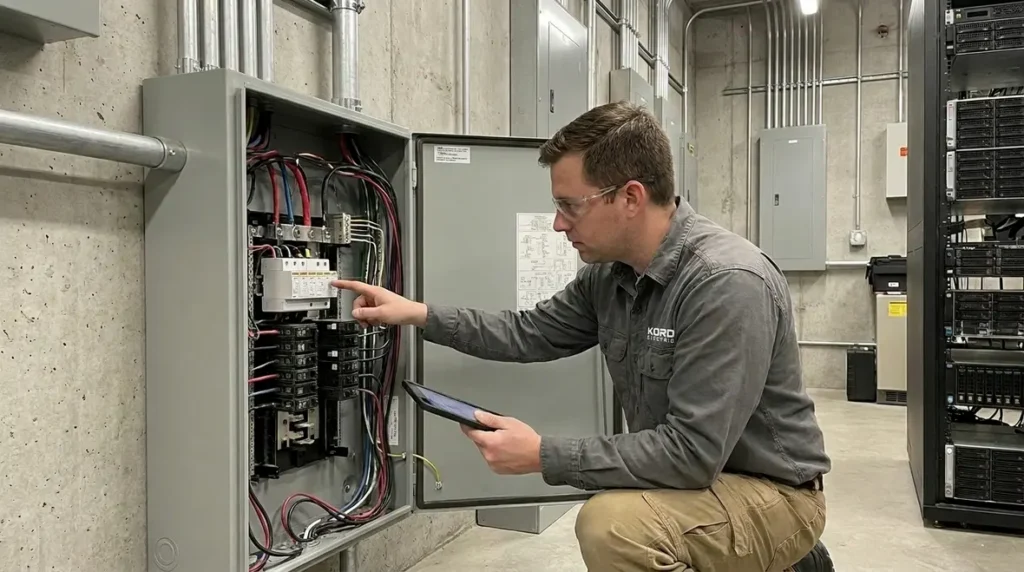
In the real world, the first minutes during a crisis decide the outcome. So we build readiness into daily operations. First, we confirm the facility has updated as built documentation, including one line diagrams, protection settings, and load criticality lists. Next, we check that relay and transfer device coordination is documented and tested. Then, we validate that emergency power systems, UPS arrangements, and switchgear labels match field reality.
We also prepare for the human side of recovery. That means we train staff on what they will see during an event: breaker position changes, alarm sequences, voltage sag patterns, and load shedding behavior. Additionally, we set clear escalation paths so decisions do not bounce around like a sitcom misunderstanding.
Finally, we make sure spares, test tools, and access requirements are ready. Because if the recovery team needs a key, a part, or a meter and it takes hours to locate it, the electrical system does not care about “office hours.” It just keeps failing the way it was designed to fail.
Incident response flow: how our technicians restore power safely
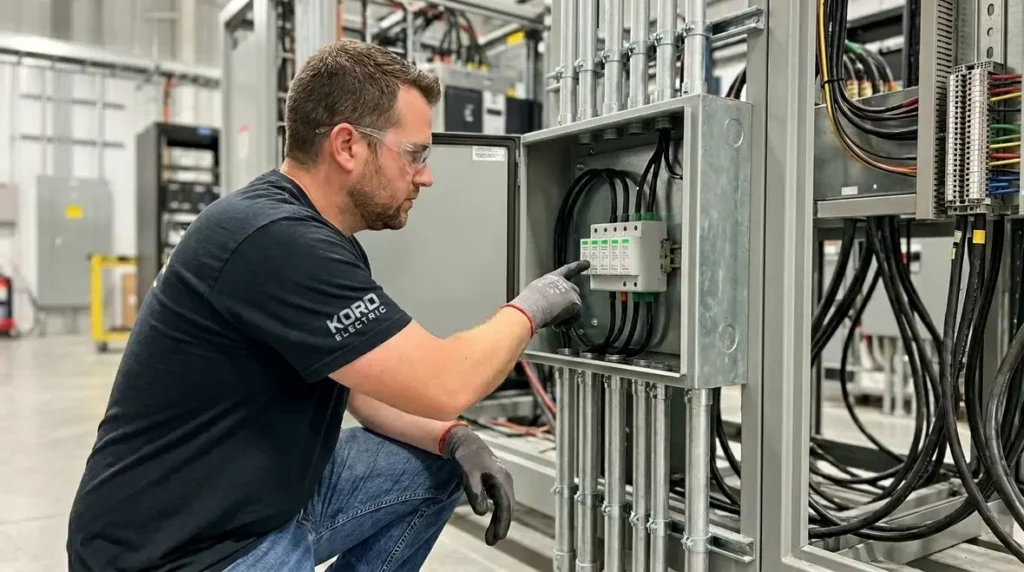
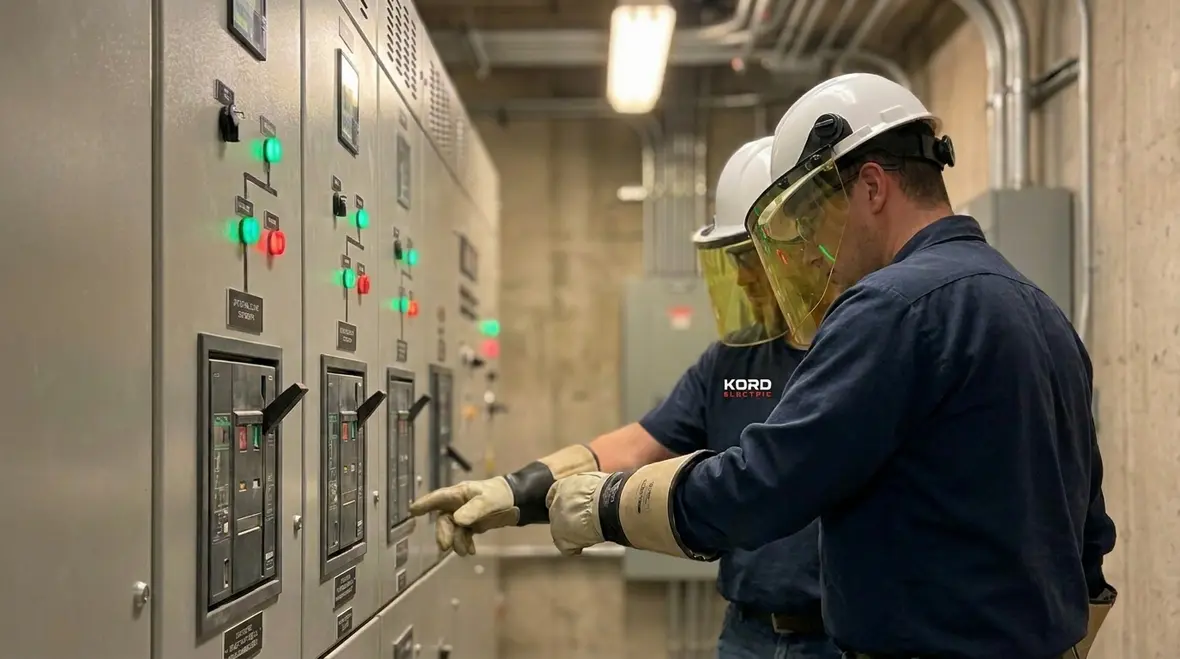
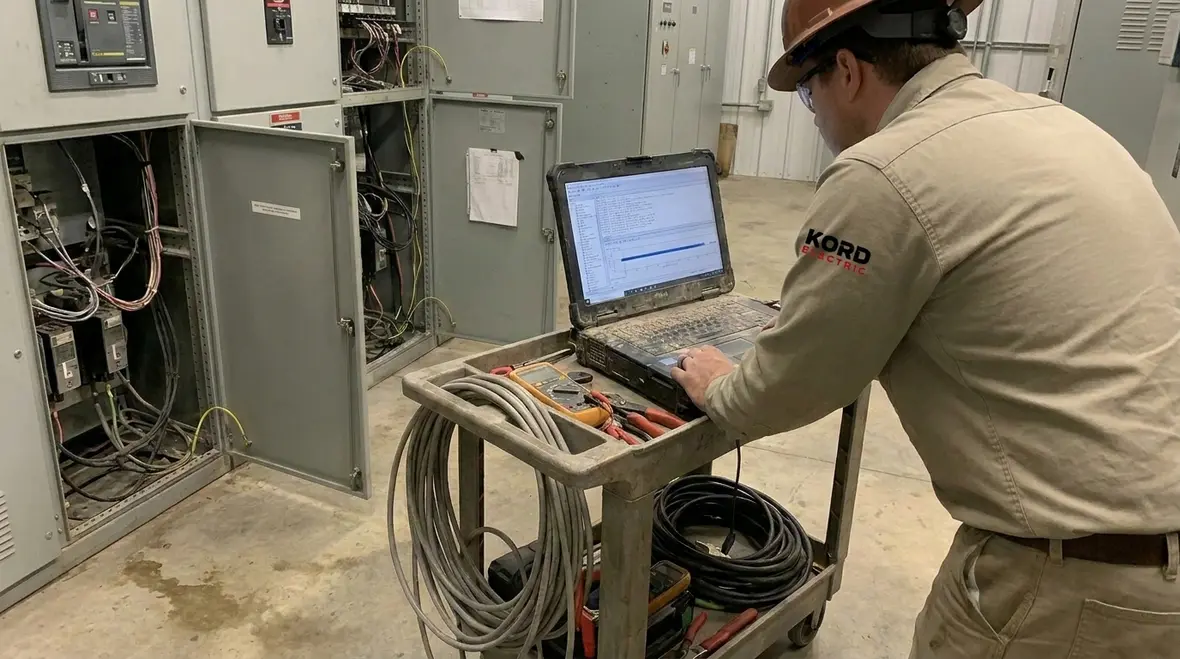
When an outage occurs, we follow a repeatable response flow. Our technicians begin with site safety and stabilization. First, we verify electrical hazards, confirm lockout and tagging needs, and ensure personnel stay clear of energized equipment. Then, we isolate the cause by using available metering and alarm data. If the event involves switchgear, we look at breaker status, protection event logs, and fault indicators.
After that, we move to load prioritization. Our team categorizes critical loads and confirms which loads must return first, such as life safety circuits, process controls, and communications. We also avoid a common mistake: restoring everything at once. Instead, we ramp load back according to the system capability and the facility’s startup characteristics.
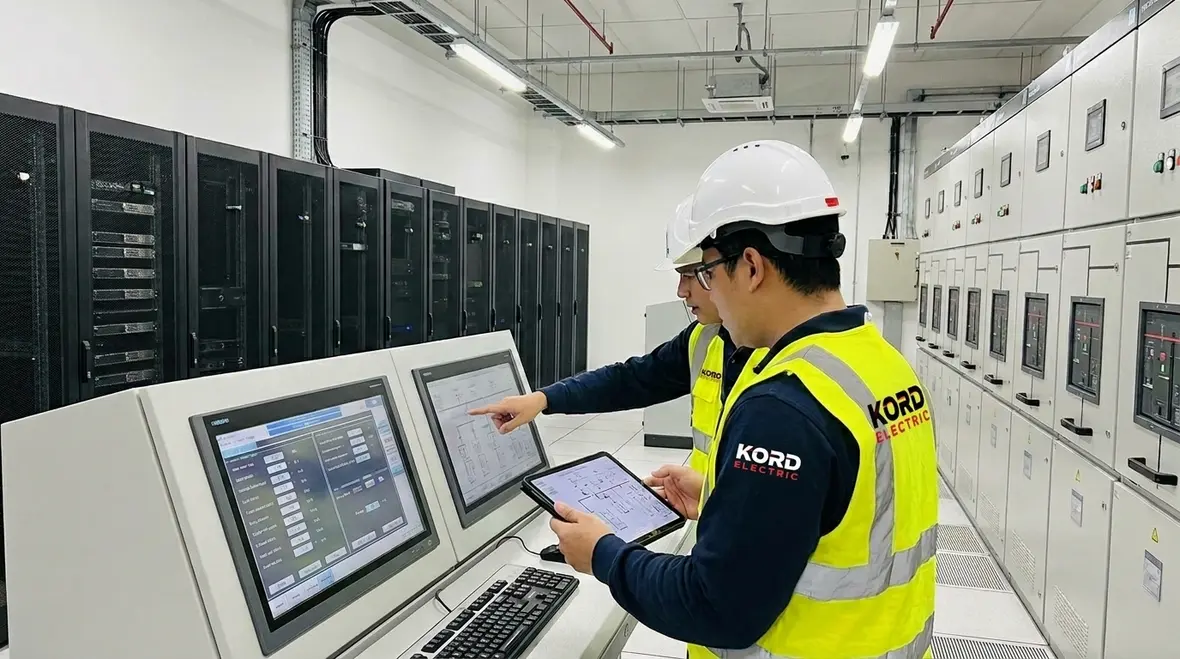
Then we execute the restoration plan. In many cases, we coordinate switching steps across ATS, bus sections, paralleling arrangements, and UPS bypass paths. If the facility includes redundant power paths, we confirm symmetry and verify that protection still works as intended. Meanwhile, our experts explain the plan clearly to the on site stakeholders, so plant managers, facilities staff, and operations leaders understand what is happening and why. That clarity reduces stress and prevents well meaning interventions that can break coordination. It is like giving the crew the right script before the director shouts “Action.”
Data and documentation: the details that stop repeat failures
A strong recovery plan turns failure data into improvement. Therefore, we capture the event timeline: alarm onset, switching actions, measured voltages, frequency behavior, and any protection operations. We also document what actions worked and what actions took longer than expected. Then, we compare those results against the facility design and the expected behavior of protective devices.
When we review the data, we check for root causes such as loose terminations, moisture intrusion, worn contacts, incorrect settings, transformer issues, or control logic faults. If the facility uses UPS systems and transfer controls, we confirm that the transfer sequence met design intent and that no hidden degradation occurred. Additionally, we examine whether the restoration sequence created stress, such as high inrush events or repeated cycling.
At Kord Electric, our expert service staff also uses the lessons learned to update procedures. We adjust switching steps, refine load restoration order, and recommend targeted tests. Over time, the site becomes faster at recovery because the plan evolves. That is how we build reliability, not just recovery.
Protection and coordination during restoration: where many teams slip
During restoration, many facilities focus on “getting power back,” but that is not the whole job. The recovery process must protect equipment and keep protection coordination intact. Otherwise, power may return for a few minutes and then fail again, sometimes worse than before. So our technicians verify protective device operation as part of the recovery mindset.
We also consider how fault conditions can persist. For example, a damaged cable section can continue to present a fault. In that case, the team must isolate the fault without energizing affected areas. Additionally, we manage selective coordination so downstream protection clears faults first, while upstream devices avoid unnecessary operations.
We then verify that system voltage and phase relationships remain stable as loads come back. This matters for drives, controls, and sensitive electronics. If the system includes paralleling sources, we watch for imbalance and abnormal loading. In short, our emergency electrical failure recovery strategy treats restoration as a controlled process, not a hope based switch.
Working with facilities teams: communication that keeps everyone aligned
Power recovery includes people, not just equipment. Therefore, we keep communication structured. We explain the current status, the next action, and the expected impact on operations. Our technicians speak in clear terms and avoid mystery language, because facility leaders need decisions, not riddles.
We also coordinate with operations and maintenance teams on lockout boundaries, access points, and any constraints that could affect switching. At the same time, we document each step so the team can follow progress later, even if the outage runs longer than expected. Then, after stabilization, we hold a short review to confirm what changed and what still needs attention.
And yes, we have heard the classic line: “Let’s just flip the breaker and see what happens.” That plan works great in cartoons. In a real commercial or industrial environment, it can turn a manageable event into a full system failure.
Linking to electrical infrastructure best practices for mission critical buildings
Our approach fits the broader electrical infrastructure lessons we share in our guidance for data center power needs. In that work, we highlight the essentials of resilient design: redundancy, maintenance readiness, and clear load prioritization. We also stress how monitoring and documentation support steady operations and faster recovery.
When we apply those principles in the field, our emergency recovery work becomes more predictable. For instance, if the facility already maintains a disciplined view of UPS behavior, transfer paths, and switchgear condition, recovery becomes a matter of executing the plan. However, if those foundations are missing, the team must spend precious time discovering what is actually installed and how it behaves.
So we bring our expert service staff perspective into the full lifecycle: design review, commissioning checks, maintenance planning, and recovery drills. In the end, the best recovery system is one that has been trained for. To strengthen that lifecycle even further, many facility leaders pair recovery planning with structured electrical preventive maintenance, so emerging risks are addressed long before the lights flicker.
Emergency recovery FAQ for commercial and industrial facilities
Conclusion: request our recovery planning and readiness assessment
When power fails, your team should not improvise. At Kord Electric, we help commercial and industrial facilities build a complete recovery path that protects people, restores critical loads in the right order, and improves future performance. If you want a structured emergency electrical failure recovery strategy aligned with your site’s actual design, contact us for a readiness assessment and recovery planning support. We bring calm execution, clear explanations, and the kind of preparation that turns a crisis into a process. Call us today, and let’s make outages less unforgettable.
If your facility is already facing unstable conditions, or you want on call help ready before the next outage, our dedicated Emergency Electrical Services team is available to support urgent restoration and long term mitigation planning.