
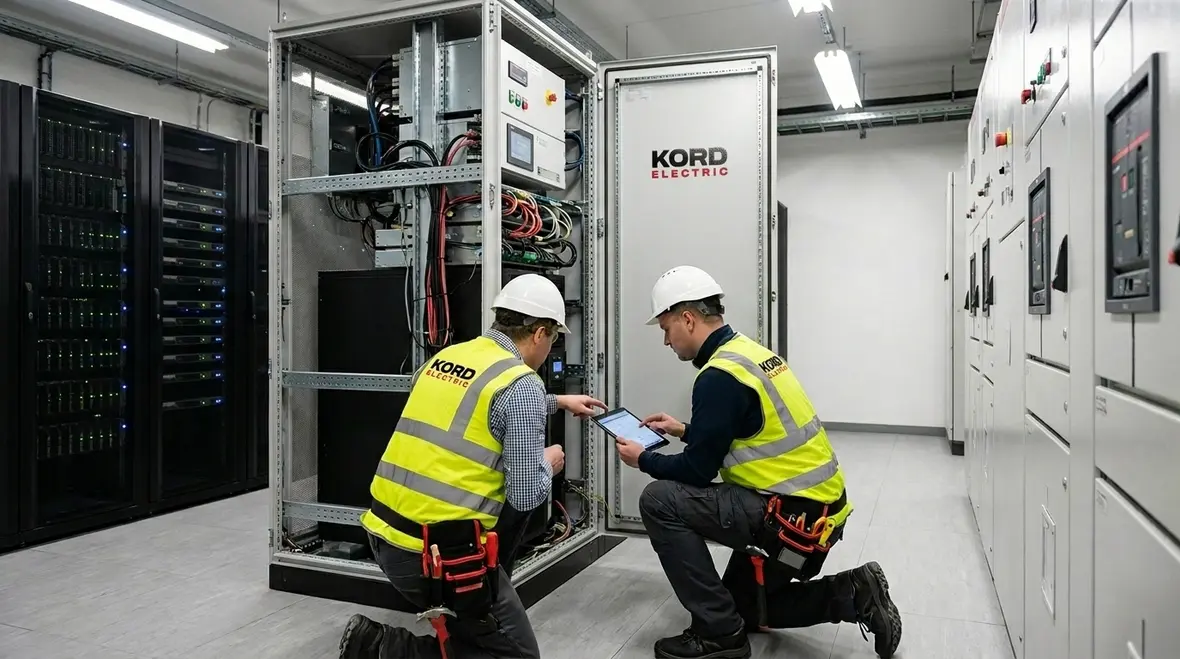
Data Center Power Reliability Audits to Prevent Downtime
At Kord Electric, we start with Data Center Power Reliability Audits because downtime in a data center rarely announces itself with a polite calendar invite. Instead, it creeps in during load shifts, aging equipment cycles, and “surprise” utility events that show up like a late season plot twist. When our expert technicians review the entire power path, from utility service to distribution and backups, they find the weak links before the bills arrive. Additionally, they help others understand what the numbers say, and more importantly, what the facility must do next.
How power audits stop downtime before it starts
Data Center Power Reliability Audits work because they treat reliability like a system, not a slogan. In other words, our team evaluates the complete chain that keeps critical loads alive, including transformers, switchgear, busways, UPS, battery systems, generators, and transfer equipment. Then we connect those findings to real operating conditions instead of generic assumptions.
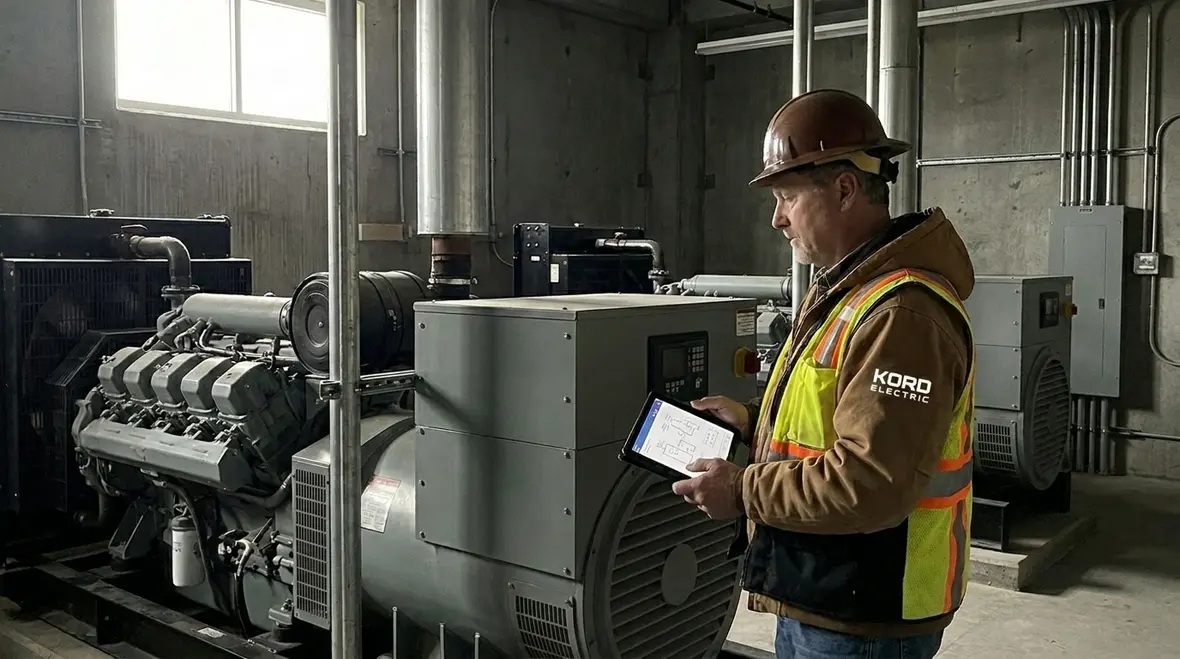
To do this well, our technicians use a practical approach. They examine design intent, inspect physical condition, confirm settings, and test how equipment behaves under stress. Consequently, issues that usually hide inside “it seems fine” status reports come into view. For example, we often see mismatched protection coordination, corrosion in connections, battery degradation patterns, or transfer logic that behaves differently than the drawings claim. And yes, that is as fun as it sounds, like finding out your favorite sitcom was edited by a sleep deprived raccoon.
When others rely only on maintenance history, they can miss how multiple small problems stack up. However, when we run Data Center Power Reliability Audits, the audit ties the dots between equipment health, load behavior, and failure modes. That reduces the odds of costly downtime events that happen when redundancy fails to behave as expected.
For a deeper dive into how upstream design and distribution decisions shape reliability long before an audit starts, explore our companion article on commercial electrical systems for modern buildings. It connects everyday building operations with the power strategies that keep them online.
What our technicians inspect during a reliability walkdown
Our expert service staff explains the process step by step, and that clarity matters. Therefore, the walkthrough focuses on details that affect critical uptime. For commercial and industrial facilities and major property buildings, this includes power distribution layouts, device labeling accuracy, and the physical state of components.
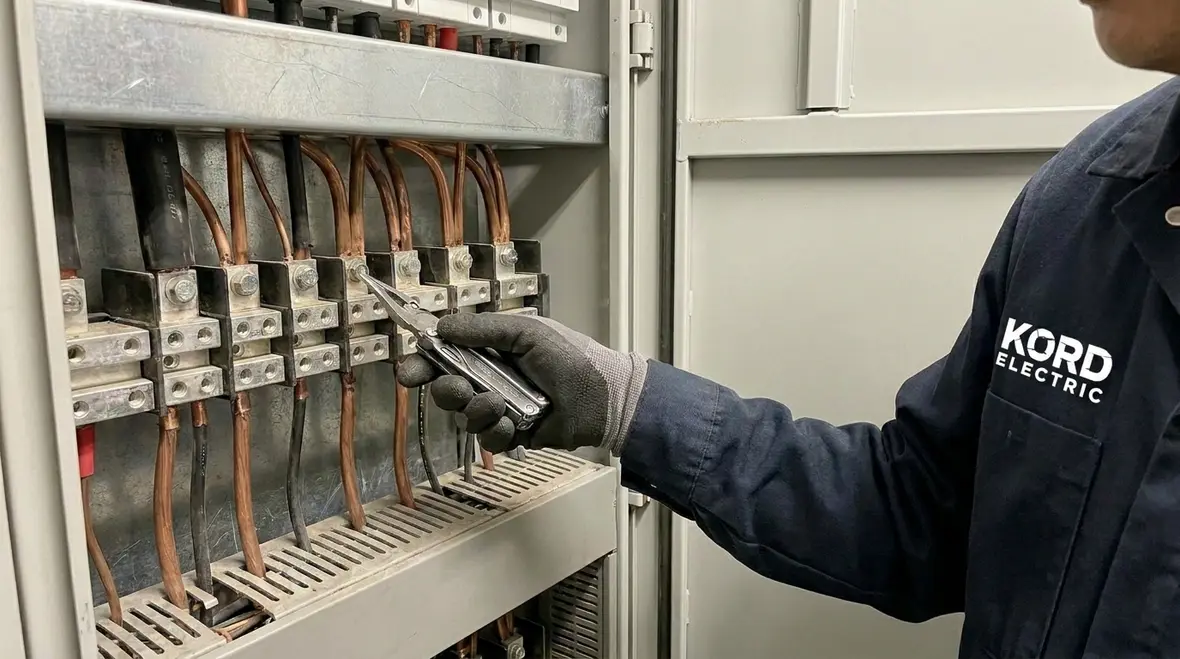
First, we inspect visible risk items. Tightness and cleanliness of terminations matter. Humidity and contamination matter. Cable routing, ventilation, and housekeeping matter. Then we verify that electrical rooms and switchgear compartments remain within intended environmental boundaries. After that, we review control wiring, breaker mechanisms, and interlocks that affect safe and predictable switching.
Next, we look beyond the obvious. We review configuration and protective settings, including relay logic, coordination curves, and transfer scheme behavior. Additionally, we confirm that load banks, maintenance modes, and operational sequences work the way the facility expects during real events. At this stage, our team also checks whether the as built conditions match actual installed equipment. When the field diverges from the drawings, equipment can trip differently than expected. And that is where downtime loves to hide.
For more context on modern building power layouts, our blog discusses how commercial electrical systems support today’s operational demands. In many buildings, the power design choices and the distribution strategy set the reliability ceiling long before an audit starts.
Modeling reliability like a business risk, not a math exercise
Power auditing often gets treated like a checklist. We treat it like risk management. To keep the conversation grounded, we translate technical findings into business impact for owners, operators, and facility managers.
As part of our work, we map the single points of failure and the likely failure paths. Then we analyze how the facility behaves during common stress conditions, including utility disturbances, brownouts, generator start delays, and UPS runtime limitations. If a system holds up only during perfect conditions, we flag it. If redundancy exists on paper but cannot cover the actual failure sequence, we explain why.
Moreover, we help others understand the cost of “near misses.” For example, frequent minor alarms might not shut down the data hall, but they often signal aging batteries, weak connections, or thermal stress. Over time, those issues shift from nuisance events to true reliability threats. Thus, the audit identifies patterns that predict future downtime rather than chasing yesterday’s failures.
That is also where playful humor can slip in, because we have all heard someone say, “It never fails when we watch it.” Unfortunately, physics does not care about meeting schedules. It cares about heat, load, and time.
Turning audit findings into a clear upgrade plan
Once we finish field checks and system analysis, we do not stop at a report. We help build an action plan that fits how commercial and industrial facilities actually operate. Instead of overwhelming others with generic recommendations, we prioritize fixes based on risk, urgency, and cost.
We typically organize upgrades into phases. Phase one targets the biggest reliability gaps that could trigger downtime during the next power event season. Phase two focuses on optimization opportunities, such as protective coordination improvements, thermal management changes, and alignment of control and monitoring systems. Phase three addresses longer lead items, including equipment replacement cycles and capacity planning for future growth.
At each phase, our expert service staff explains tradeoffs in plain terms. Then we coordinate with facility teams to reduce disruption. Additionally, we outline how commissioning and testing should validate each change. That way, the solution does not just look good on paper. It performs in the real world.
In major property buildings, reliability also includes operational continuity. So, we consider how planned outages and maintenance windows affect uptime commitments. In other words, we plan like people who actually have to keep servers running, not like people who just like writing nice documents.
Keeping redundancy honest with testing and commissioning
Redundancy must work, not just exist. Therefore, we verify transfer logic, switching behavior, and runtime performance. We check how the UPS and generator systems transition under defined conditions. When the facility uses maintenance bypass or other operational modes, we confirm that these modes still protect critical loads.
Next, we review monitoring and alarm strategies. If alarms do not lead to action, they might as well be decorative. Our team checks whether the monitoring system captures the right parameters early enough, including battery health indicators, temperature trends, and load distribution signals. Then we ensure alert thresholds match actual operational needs.
Finally, we validate that commissioning and acceptance testing align with expected performance. This includes confirming that settings and protective device behaviors match the revised plan. Consequently, the facility avoids a common trap: upgrades installed without ensuring the system responds the way engineers intended.
If you think this sounds serious, that is because it is. Downtime can wipe out more than revenue. It can affect contracts, compliance posture, and customer trust. Besides, nobody wants to explain a power failure to a client while pretending it is not your problem. That part rarely ends with a standing ovation.
Reducing risk across the power chain in modern facilities
Commercial and industrial power systems evolve. Loads change. IT equipment grows. Cooling strategies shift. As a result, the reliability story changes too. Our approach accounts for that reality and supports long term performance.
When we examine a facility, we look at how each power layer interacts with the others. UPS behavior affects transfer timing. Battery health affects ride through capability. Generator response affects allowable transfer windows. Switchgear and protective devices affect fault clearance and coordination. And if any one of these pieces behaves unexpectedly, downtime can follow.
We also consider how modern building power design influences operations. For example, distribution strategies, metering locations, and emergency power controls determine how quickly teams can diagnose problems. When others can identify issues early, response time improves and downtime shrinks.
Moreover, our technicians help align the electrical system with the facility’s maintenance culture. We support preventative and predictive strategies that keep power equipment stable as it ages. That includes guiding how to track key performance indicators so reliability does not rely on memory and guesswork.
Frequently asked questions
Call Kord Electric for reliability you can trust
When a data center power problem hits, it rarely waits for a convenient schedule. Kord Electric helps commercial and industrial facilities reduce that risk with Data Center Power Reliability Audits that uncover hidden failure paths and turn findings into practical upgrades. Our expert service staff walks your team through the details, then we support testing and commissioning so reliability stays real. If you manage a major property building and your power systems carry mission critical loads, reach out to us today and start protecting uptime.
If you are evaluating broader electrical resilience across campuses, towers, or large commercial sites, pairing these audits with services such as preventive maintenance, code alignment, and data center electrical infrastructure upgrades can further harden your environment against unplanned outages.
Kord Electric’s team can also support you beyond the data hall with projects that align your distribution, protection, and redundancy strategies across your entire portfolio. Whether you are planning capital improvements or addressing recurring power quality issues, our combination of Data Center Power Reliability Audits and field-proven commercial services helps keep critical operations online when it matters most.
Ready to turn “we hope it holds” into “we know how it behaves”? Start with a structured reliability evaluation and build from there.


