Electrical Design for Data Centers Power Distribution and Redundancy
At Kord Electric, we help teams plan and build Electrical Design for Data Centers: Power Distribution & Redundancy that stays steady when everything else gets noisy. In our experience, a data center is like a city that never sleeps, except the residents need electricity more than they need air. And while the lights might not flicker on day one, the real test shows up during faults, storms, equipment swaps, and maintenance windows. That is why we map power paths early, decide how redundancy works, and set design rules that match the load and the schedule. Then, as construction moves forward, our technicians and expert service staff explain what we built, why we built it, and how it performs in the real world.
What efficient power design means for a data center
Efficiency in power design does not start with a single number. Instead, it starts with how power flows from utility service to critical equipment, and how much gets wasted as heat. Therefore, we treat the data center like a system, not a pile of gear. In practice, we look at distribution losses, transformer loading, switchgear performance, and how often each segment runs near its peak. When we plan Electrical Design for Data Centers: Power Distribution & Redundancy, we also plan how the building supports smooth operation during normal use and during transitions.
Meanwhile, designers often chase one sweet spot and miss the rest. For example, you can reduce loss in one part of the system and increase it elsewhere through poor coordination. So we coordinate the whole chain, including bus arrangements, feeder routing, and breaker settings. And if that sounds like a lot, that is because it is. But we keep it clear, and our technicians make sure the team understands each step before commissioning begins. Yes, we explain it in plain language, not in “engineer riddles.”
How we plan power paths without overbuilding
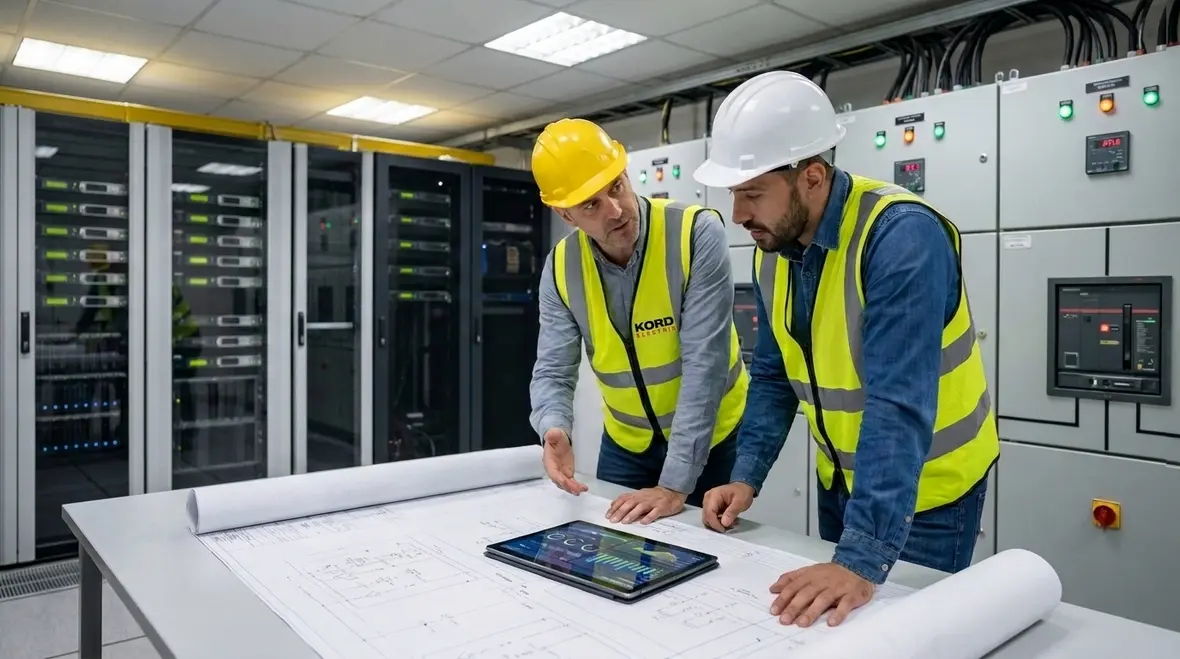
First, we confirm the load model. We review IT load, cooling load, motor loads, and the power draw profile over time. Then we translate that into sections like IT racks, mechanical equipment, and support systems. After that, we select a distribution strategy that protects the critical load while controlling upfront cost.
At Kord Electric, we avoid the habit of oversizing everything “just in case.” Oversizing can raise losses, add cost, and complicate operations. Instead, we model demand, consider future expansions, and pick ratings that fit the plan. Additionally, we consider how redundancy will affect capacity. Some designs add parallel paths, and that changes how load shares between sources. So we detail how the system stays stable when one path moves out of service.
Our expert service staff helps with these decisions too, because they see what works during real maintenance. They also explain tradeoffs, like the difference between using multiple paths versus using one path with strong protection and fast transfer schemes. This is where “theory” meets the thing everyone actually cares about: uptime.
Redundancy design that keeps uptime realistic
Redundancy protects service, but only if it is designed to work under faults and real maintenance conditions. Therefore, we define what “redundant” means in your facility. Some critical loads need full protection during transfers. Other loads can ride through certain events. We help the team decide this early, because it affects bus topology, switching logic, and the distribution layout.
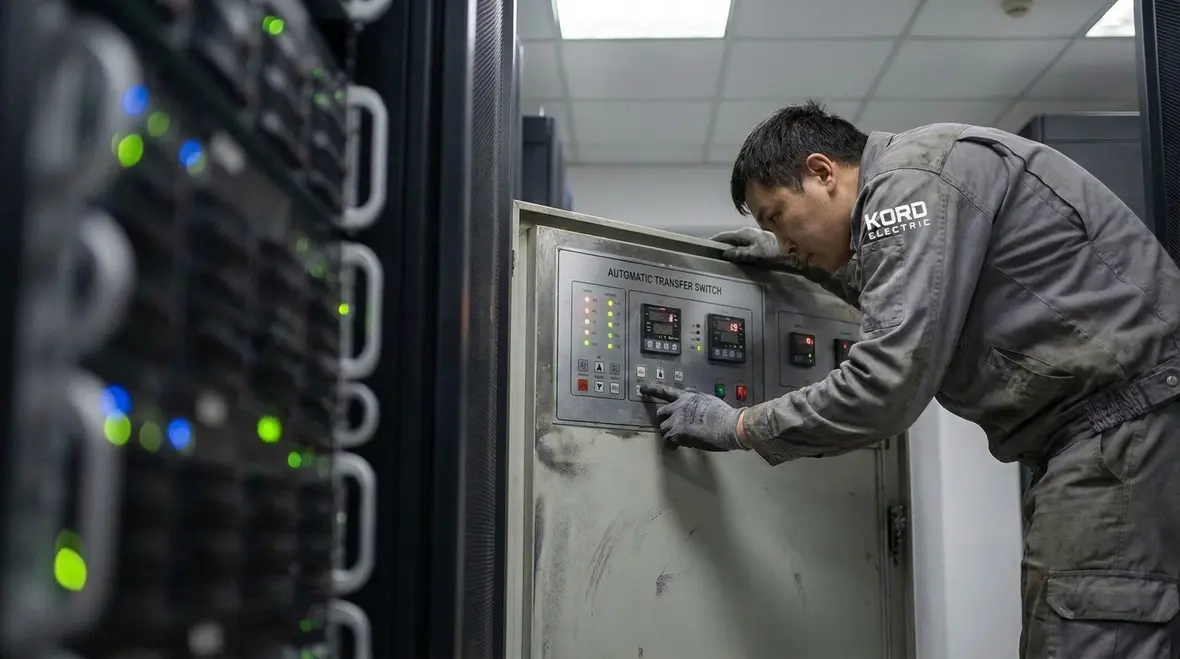
Next, we consider how power transfers happen. We identify transfer points such as normal to emergency, generator to critical distribution, and maintenance bypass arrangements. Then we specify the protection and control settings that keep transfers clean. When the switching is unclear, you get nuisance trips. And when nuisance trips happen, someone will eventually say, “This is fine,” right before it is not fine.
To keep the system understandable, we document the logic, labeling, and operation steps. In addition, our technicians walk through the system during startup so operators know what to do, what they should not touch, and how to respond if a condition changes. Calm confidence beats chaos every time.
Power distribution architecture for commercial and industrial sites
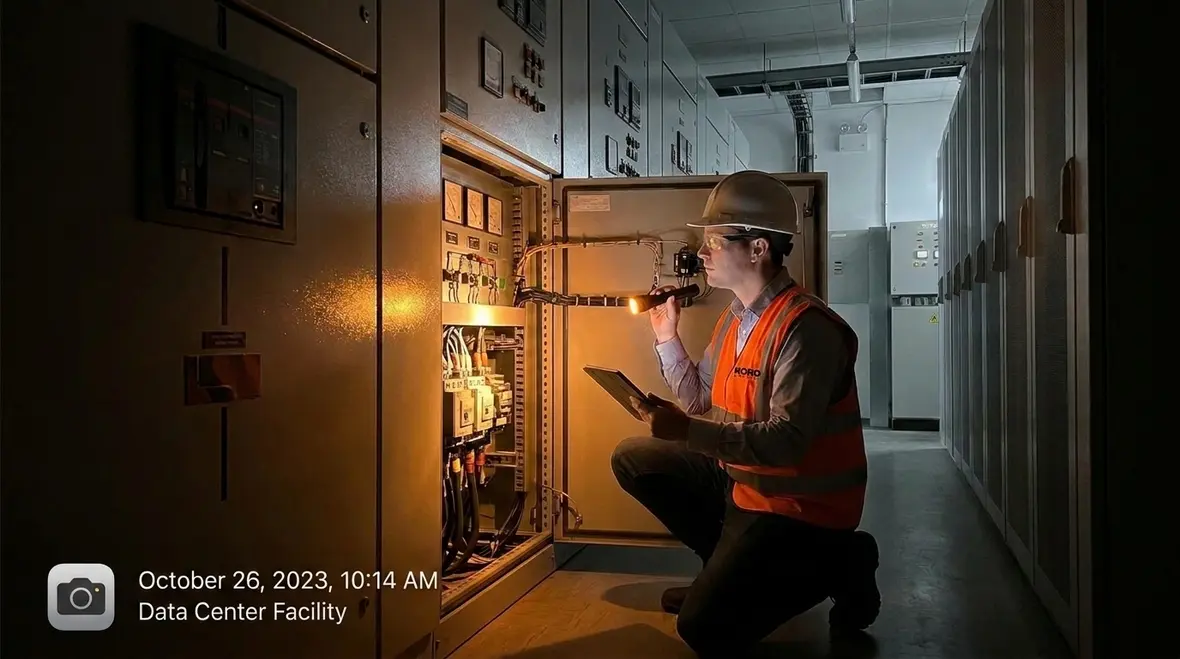
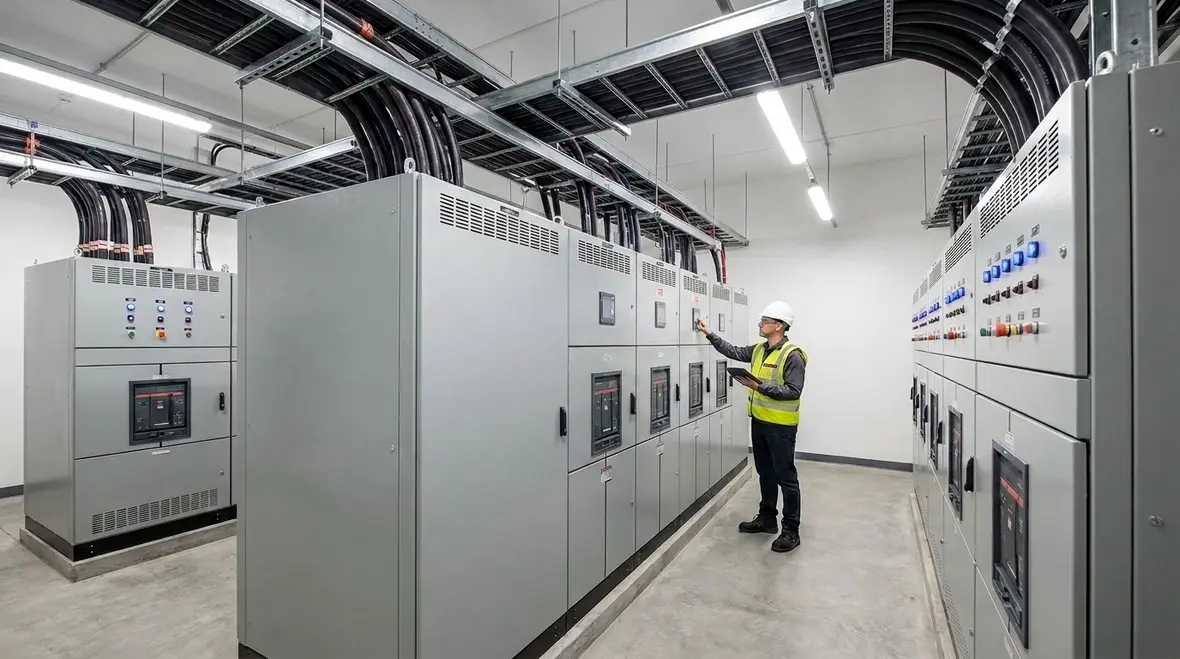
Data centers at major properties need distribution that handles both normal loads and fast changes. We focus on architecture that supports safe work, clear isolation, and reliable feeding to critical panels. This includes selecting switchgear configurations, feeder methods, and panel layouts that reduce downtime during troubleshooting.
In many projects, we see teams underestimate how much operational value comes from good arrangement. For example, if we design for easier access and isolation, technicians restore service faster. Likewise, if we plan cable routes with separation and protection, the system performs better under stress. Also, we coordinate the electrical design with the site’s physical layout, so power equipment aligns with real construction constraints.
When we work on major property buildings, we pay extra attention to how the data center interfaces with other electrical loads. We coordinate utility coordination, demand management, and any shared infrastructure. That way, the data hall does not become the power bully of the entire site.
If you want to dive deeper into how resilient layouts and coordination keep facilities stable, you can also review our insights in data center electrical infrastructure design for reliability, which connects architecture choices to everyday operations and uptime.
Efficiency upgrades that do not create new risks
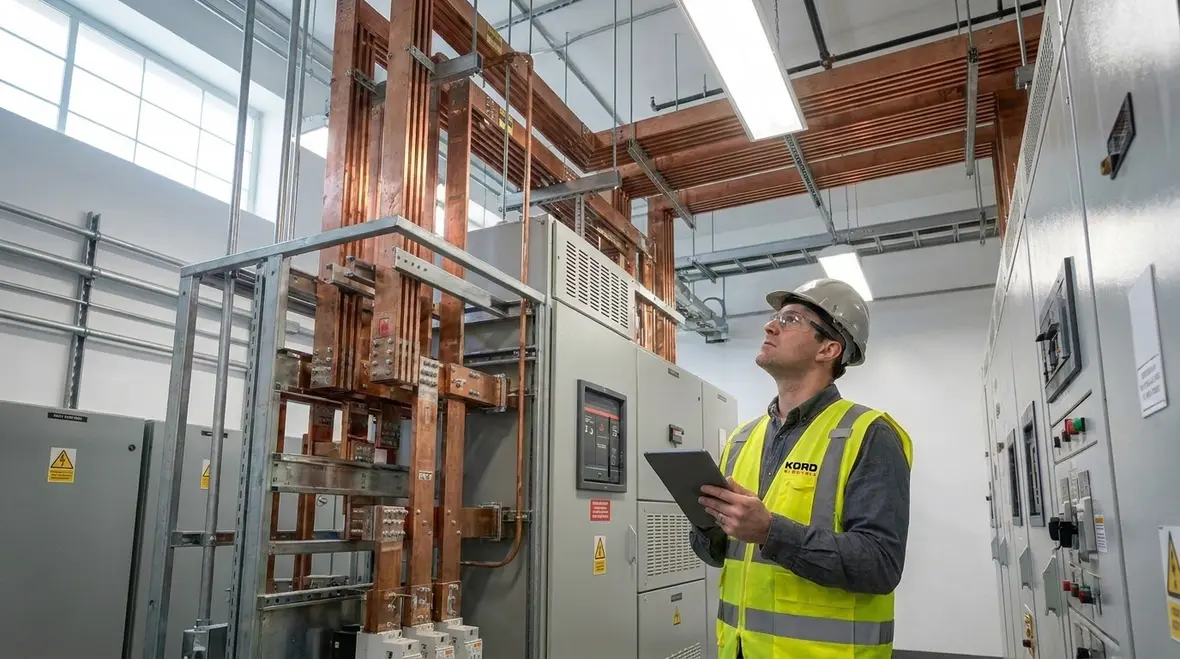
Energy efficiency targets get attention, and rightly so. However, a design that chases efficiency at the cost of stability usually fails when the building grows, ages, or changes. So we evaluate efficiency upgrades with risk controls built in.
For instance, we review transformer loading, part load behavior, and how distribution levels affect losses. Then we check how control systems behave during transitions. We also validate that efficiency measures do not reduce reliability margins. In our projects, we treat efficiency like a performance goal, not a marketing slogan.
Our technicians and expert service staff then help with practical outcomes. They explain what to verify after installation, what readings matter during commissioning, and how to trend performance over time. That reduces surprises later. And if you have ever watched a dashboard turn from green to yellow, then you know surprises are not a hobby anyone enjoys.
Commissioning, testing, and the handoff that prevents downtime
Design and install are only part of the story. Commissioning and testing make sure the system behaves as intended. Therefore, we develop a test plan that matches the design intent and the redundancy strategy. We confirm proper operation of protective devices, switchgear controls, and transfer sequences. We also check that labels, single line diagrams, and operating steps match the field installation.
Then we focus on documentation and training. Our expert service staff explains the system in a way that operators can use. They show how to respond to alarms, how to isolate sections for work, and how to confirm that critical loads stay protected. When that handoff happens clearly, operations teams spend less time guessing and more time running the facility.
Frequently asked questions
FAQ
What is the goal of Electrical Design for Data Centers: Power Distribution & Redundancy?
It keeps critical systems powered reliably by designing protected, coordinated power paths that support safe transfers and maintenance.
Can a data center improve efficiency without losing reliability?
Yes. We assess efficiency changes across transformers, distribution, and controls so performance improves without increasing risk.
How do we prevent nuisance trips?
We coordinate protection and control settings and verify the behavior during testing so devices respond correctly to real faults.
Do you support commercial and industrial building projects?
Yes. Kord Electric targets commercial and industrial facilities and major property buildings, where coordination across shared infrastructure matters.
Ready to design a dependable power system?
If you are building or upgrading a commercial data center, we can help you plan Electrical Design for Data Centers: Power Distribution & Redundancy with clarity and real-world reliability in mind. At Kord Electric, our team designs the full power path, coordinates redundancy logic, and supports commissioning with explanations your operators can actually use. Reach out to us to review your load plan and redundancy goals. Then we will map the path forward, so your facility stays online when the unexpected shows up. And trust us, it always does.
For organizations that need a broader service partner across multiple facilities, our team’s work ties directly into the support outlined on our Los Angeles County electrical services page, so data center power design fits cleanly into your larger commercial and industrial electrical strategy.
And if you are exploring how electrical design decisions affect long term performance, redundancy, and scalability in more depth, you can review this related guide on Electrical Design for Data Centers: Power Distribution & Redundancy and efficiency planning for a deeper look at how design choices connect to future upgrades and operational goals.