Electrical Load Balancing for Growing Businesses
Commercial electrical upgrades start with electrical load balancing for growing businesses
At Kord Electric, we help commercial and industrial facilities keep the lights on, the machines running, and the building feeling “steady,” even when demand changes fast. In practice, we use electrical load balancing for growing businesses to spread power where it needs to go, reduce stress on your system, and help prevent nuisance outages that can turn a normal workday into a costly surprise. And yes, electrical problems can be dramatic. They behave like bad plot twists in a TV show: everything looks fine until it suddenly is not.
In this guide, we walk you through the signs your electrical panel is overloaded, what that usually means for your operations, and how our experienced technicians explain options in plain language. We also show how load balancing and coordinated upgrades fit real building schedules, not imaginary ones.
Early warning signs your electrical panel needs attention

In most commercial buildings, an overloaded panel does not announce itself with a siren. Instead, it sends quiet signals. When our experts inspect a site, we look for patterns that repeat, because symptoms often show up the same way week after week.
- Frequent circuit trips when specific loads start, such as HVAC cycles, charging equipment, compressors, or conveyor systems
- Warm or hot panel components including breakers, bus bars, or the door area, especially after peak production hours
- Flickering lights across parts of the facility while motors or welding equipment runs
- A burning smell, discoloration, or dust that looks “baked,” which can indicate overheating connections
- Noticeable voltage drop that causes equipment to reset, slow down, or display errors
These signs matter because panels do not fail all at once. Over time, heat and stress degrade connections and components. Therefore, catching the early warnings often helps businesses avoid emergency downtime that no one budgets for.
What an overloaded panel actually does to your facility
When a panel carries more load than it should, it pushes current through conductors and connections that were never meant to live that kind of life. As current increases, heat increases. And heat does not politely stop at the breaker. It migrates into terminals, bus connections, and nearby components.
Here is what we commonly see in commercial and industrial settings:
- Breakers age faster because they face higher thermal stress during normal cycles
- Contact resistance rises, which makes heating worse, then worsens further, like a loop you did not ask for
- Voltage regulation gets sloppy, which can create nuisance alarms on sensitive equipment
- Inconsistent power quality shows up as flicker, low power factor behavior, or intermittent issues
Meanwhile, production managers often interpret symptoms as “equipment problems” because the issue appears at the machine. However, the root cause can sit upstream at the panel. That is why we encourage businesses to treat electrical health like preventative maintenance, not like a detective story you only start when the lights go out.
How we diagnose the load and balance it across your building

Once a team calls us, we do not just glance at a label and guess. Our technicians follow a method that measures real conditions, accounts for operating schedules, and then matches solutions to how the facility actually runs. Then, and only then, we discuss upgrade paths.
Our process often includes:
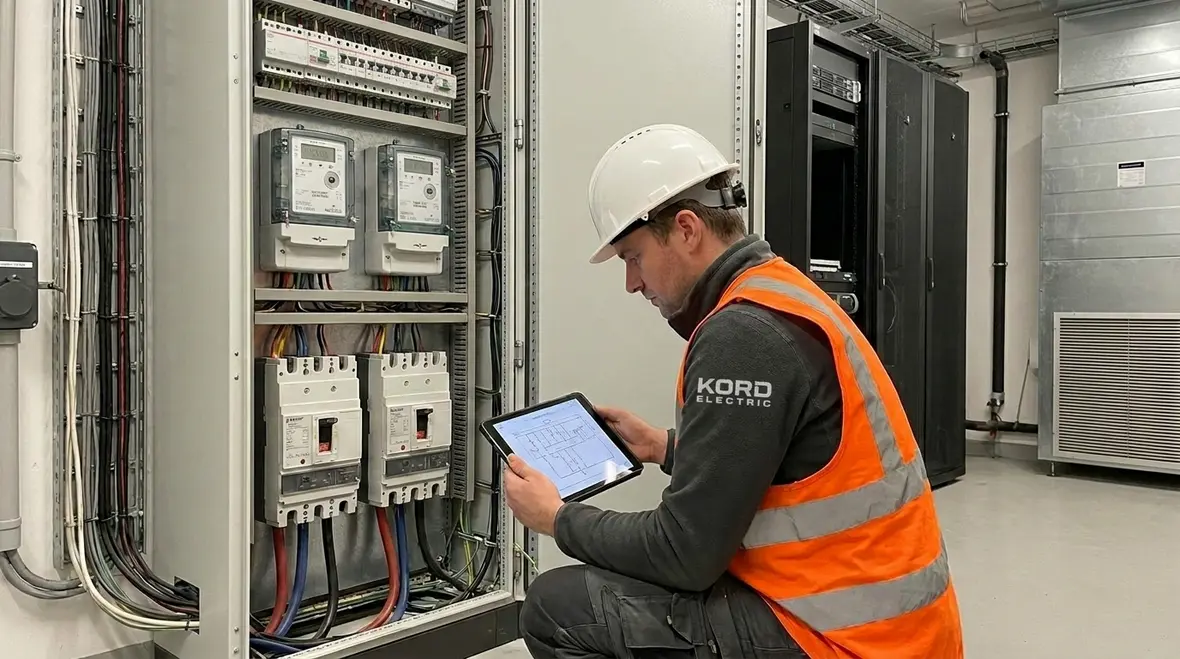
- Load review using your equipment list, run times, and demand patterns
- Panel and circuit capacity checks to confirm what is connected and what still leaves room for growth
- Branch circuit and feeder assessment to identify imbalance, overloaded legs, and hidden bottlenecks
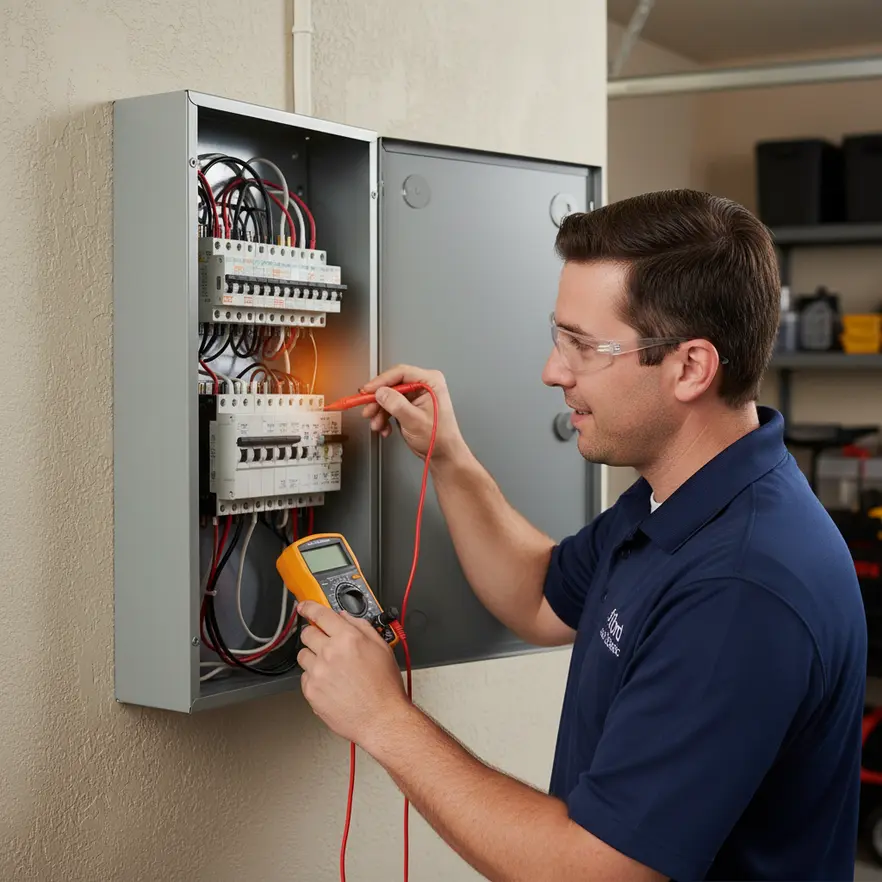
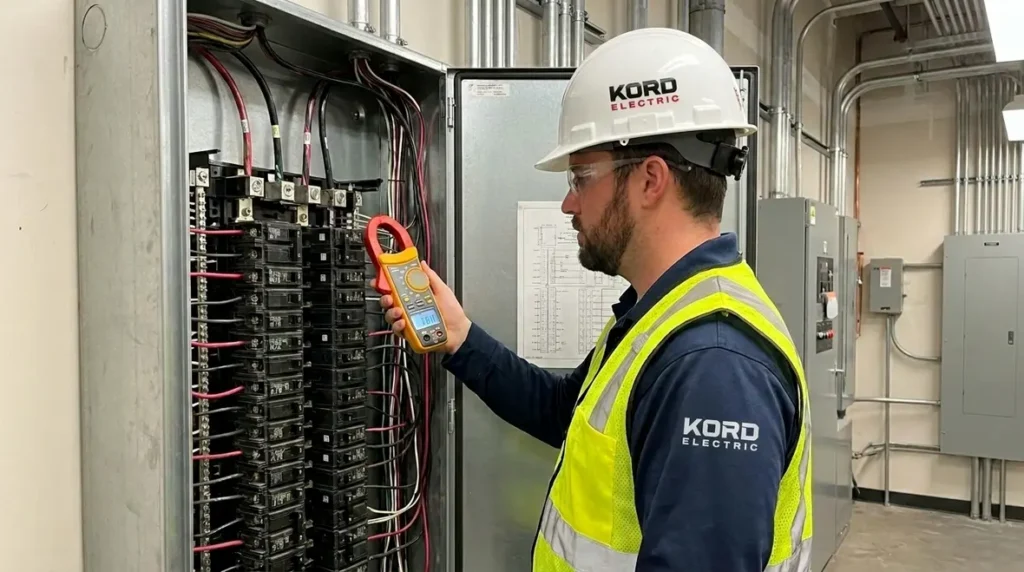
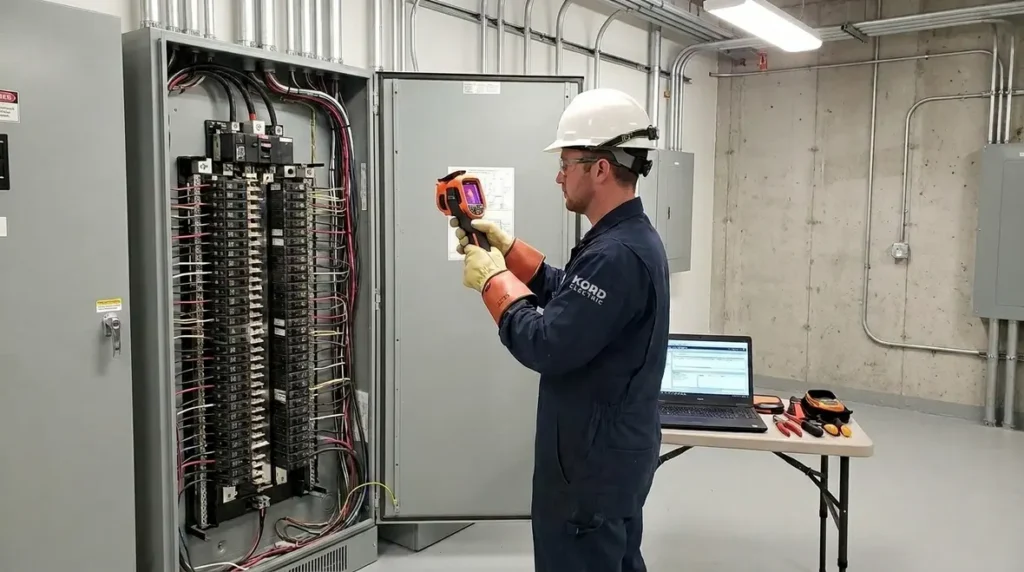
- Thermal and visual inspection to spot overheating, loose connections, and aging components
- Targeted balancing strategy that routes loads in a safer, more efficient way
At this stage, we explain everything in clear terms. Others may talk in vague industry phrases, but our expert staff walks step by step through what we found and what it means for your operations. Then, we show how electrical load balancing for growing businesses helps reduce hotspots, improve consistency, and support future expansions without turning every upgrade into an emergency.
When load balancing ties into a broader upgrade plan, we often coordinate with services like commercial and industrial lighting installation to ensure new fixtures, controls, and lighting circuits land on a system that is ready for them—not already stressed.
Signs of imbalance that affect 3 phase systems and major loads
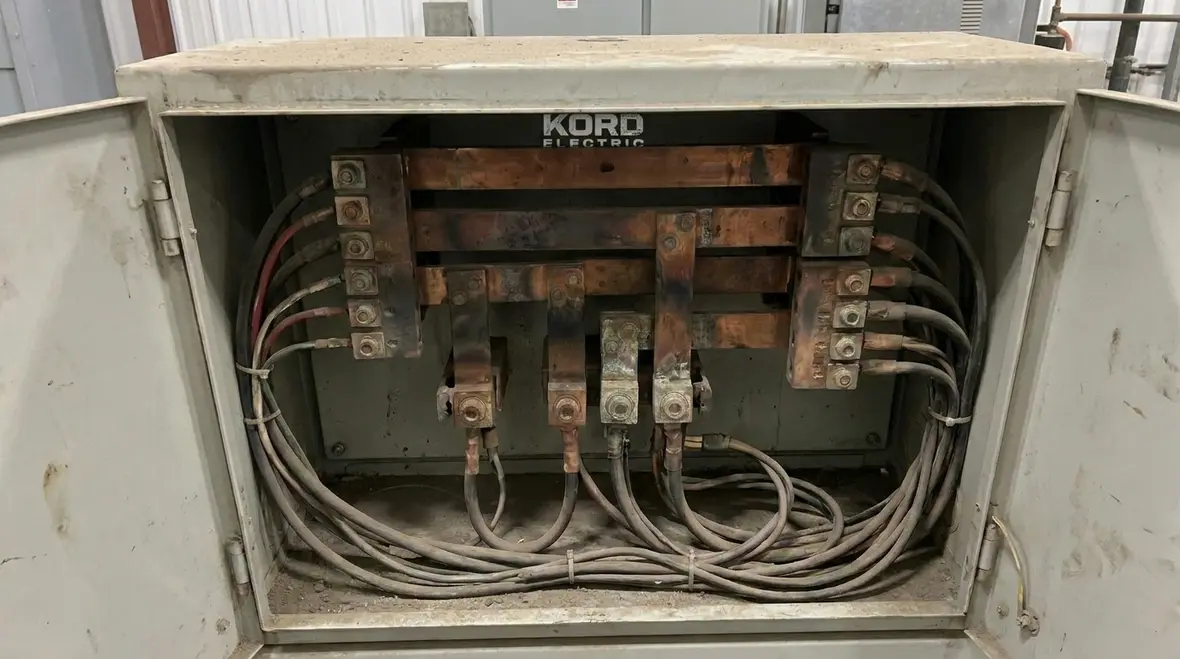
Many commercial and industrial facilities use 3 phase power, and imbalance can creep in as teams add equipment over time. When one phase carries more than the others, the system experiences extra stress even if the overall number on the nameplate looks “close enough.” This is one reason businesses get blindsided.
We look for imbalance symptoms such as:
- Higher breaker temps on one side of the panel compared to others
- Uneven equipment performance, where some machines run smoothly and others act like they are tired
- Inconsistent starting behavior for motors, pumps, and large process loads
- Voltage differences across phases during peak cycles
- Tripping patterns that repeat on specific circuits tied to one phase
Then we correct it by redistributing loads, adjusting circuit assignments, and coordinating panel capacity so your facility does not carry hidden strain. In other words, we help the building work as a team, not as a group of freelancers chasing separate deadlines.
In many cases, we combine 3 phase balancing with structured electrical preventive maintenance so facilities can track trends over time instead of waiting for the next surprise trip.
Upgrade options that fit schedules, budgets, and compliance needs

Once we confirm overload or harmful imbalance, Kord Electric helps decision makers pick a path that fits real constraints. We work primarily with commercial and industrial facilities and major property buildings, so we respect occupancy schedules, production windows, and tenant needs.
Depending on what we find, upgrades can include:
- Panel and breaker modifications to restore safe capacity and reduce nuisance trips
- New distribution runs for major equipment, so sensitive loads do not compete with heavy starting currents
- Feeder upgrades when the bottleneck sits upstream
- Load redistribution and balancing that improves performance without immediately replacing everything
- Power quality improvements when the panel feeds sensitive electronics and controls
Our technicians also coordinate practical details, such as shutdown windows, labeling, and post work verification. Additionally, we keep compliance in view so your facility can move forward with less risk. Because if you are going to invest, you want results that hold up after the ribbon cuts and the cameras leave.
If your plans include broader modernization, we can align panel and feeder upgrades with projects like whole-building rewiring for commercial electrical systems so your investment in electrical load balancing for growing businesses supports long term infrastructure, not just this year’s projects.
How to plan electrical work so you avoid downtime surprises
Businesses often delay electrical upgrades because they fear downtime. Yet, smart planning reduces disruption. We encourage you to treat panel health like a calendar item, not a crisis.
Here is how we help you plan:
- Review operating cycles so work fits shift patterns and low demand periods
- Schedule staged tasks that keep critical loads available where possible
- Set clear expectations for what needs power down and what does not
- Coordinate with site leads so facility teams understand steps and timing
- Document findings so future maintenance stays consistent
Then, once upgrades complete, we follow up with the type of explanation that sticks. Our expert staff does not disappear after the last connection. We help you understand what changed, why it matters, and what to monitor so the problem does not come back wearing a different disguise.
Many facilities pair load balancing and panel upgrades with structured commercial and industrial electrical maintenance plans, so everything from inspections to testing follows a predictable schedule instead of reacting to the latest outage.
FAQ
Final thoughts: let’s upgrade before the next outage
If your electrical panel shows signs of overload, waiting usually costs more than acting. At Kord Electric, our technicians review your load, explain the findings clearly, and recommend an upgrade path that matches how your facility runs. Then we help you balance power, reduce stress, and prevent downtime surprises. If you are planning growth or just want dependable operations, reach out today for an assessment and a practical plan. Let us turn “maybe later” into “handled.”
For facilities planning broader modernization, our dedicated lighting installation services and structured electrical preventive maintenance programs can be combined with panel upgrades and load balancing to create a complete electrical strategy that grows with your business.